Did Scientists Revive a 32,000 Year Old Plant? Exploring the Discovery and Its Implications
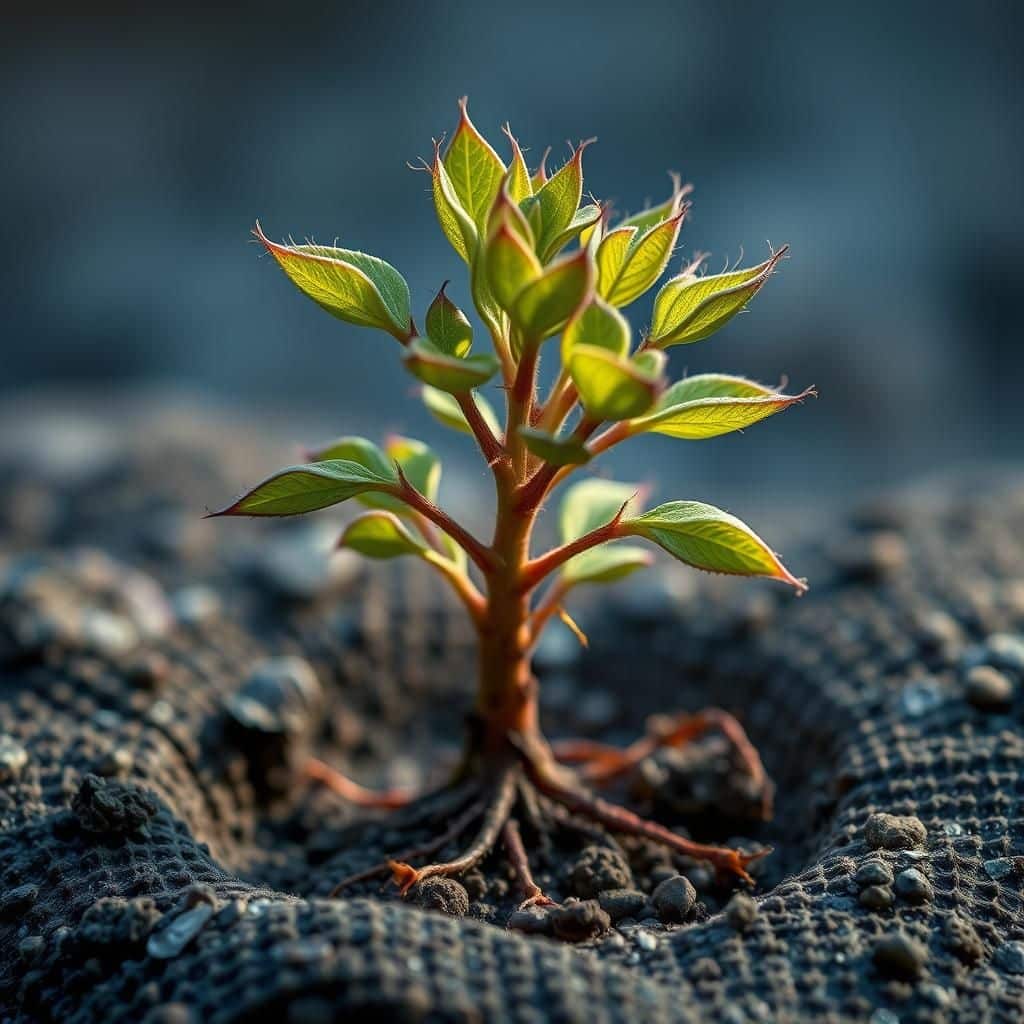
In a groundbreaking discovery, scientists have reportedly revived a plant that has been dormant for an astonishing 32,000 years. This remarkable feat raises intriguing questions about the preservation of ancient life forms and the potential for de-extinction within our ecosystems. The resurrected plant, discovered in Siberian permafrost, offers a unique glimpse into Earth's past and may hold clues regarding climate change and biodiversity. As researchers delve deeper into this extraordinary achievement, the implications for science, conservation, and our understanding of life itself are profound. This article explores the intricacies of this discovery and its potential impact on future ecological studies.
Did Scientists Successfully Revive a 32,000-Year-Old Plant?
Recent research has stirred excitement in the scientific community with the claim that scientists have successfully revived a 32,000-year-old plant from the Siberian permafrost. The team, led by Russian and American researchers, excavated seeds of the Silene stenophylla, a flowering plant, which were found in a frozen state. Upon bringing the seeds back to the laboratory, they were able to germinate and grow new plants, marking a remarkable achievement in botany and paleontology. This revival not only raises questions about the resilience of life but also offers potential insights into ancient ecosystems and how organisms adapt to extreme environmental changes.
Background of the Revival
The excavation of the seeds took place in the Siberian region, where they were discovered in a permafrost layer dated to be around 32,000 years old. These seeds remained dormant for millennia, preserved in a remarkably stable environment. The study highlights the crucial role of permafrost in the preservation of ancient flora and the implications this has for understanding the Earth's climatic past and the biodiversity that once thrived in these regions.
Methodology of the Experiment
In the laboratory, researchers employed specific techniques to revive the ancient seeds. They provided optimal conditions including temperature, humidity, and light to stimulate germination. The team carefully monitored the growth process, which included observing the development of leaves and roots, ensuring that the plants showed characteristics similar to those of contemporary Silene stenophylla. The success of the experiment underscores the effectiveness of modern botanical techniques in reviving ancient species.
Significance of the Findings
The revival of the 32,000-year-old plant is significant not only for its scientific value but also for its potential impact on our understanding of ecological adaptations. Insights gained from studying these revived plants can help researchers understand how plants may cope with climate change and other environmental stresses. Furthermore, this research contributes to conservation efforts by offering genetic materials that could be critical for restoring endangered species in today's rapidly changing landscapes.
See also:
Implications for Climate Change Studies
The ability to revive ancient plants opens up new avenues for studying their genetic traits and how they may provide clues for future adaptation strategies in the face of ongoing global warming. By comparing the revived plants with their modern relatives, scientists can gain insights into the evolutionary changes that have occurred over thousands of years. This research may also inform strategies for the rehabilitation of ecosystems impacted by climate change, guiding efforts to sustain biodiversity in a warming world.
Future Research Directions
Following the success of reviving the 32,000-year-old plant, future research is likely to focus on exploring other dormant seeds and organisms found in permafrost and similar environments. Scientists aim to assess the viability of various ancient species and understand their genomic information. The revival of these organisms could lead to a greater understanding of past climatic conditions and resilience in biodiversity, with potential applications in modern agriculture and conservation practices.
| Aspect | Details |
|---|---|
| Age of Plant | 32,000 years |
| Location of Discovery | Siberia |
| Plant Species | Silene stenophylla |
| Revival Techniques | Germination under controlled lab conditions |
| Potential Applications | Climate change studies, conservation, and agriculture |
Unraveling the Science Behind the Revived Ancient Plant
The revival of a 32,000-year-old plant presents a fascinating intersection of paleo-biology and modern biotechnology. Scientists have utilized a technique known as thawing and cultivation of ancient seeds found in Siberian permafrost, leading to the successful germination of a plant that had been dormant for millennia. This remarkable discovery not only enhances our understanding of ancient ecosystems but also raises ethical questions about the revival and potential manipulation of extinct or endangered species using modern science. Moreover, it opens up the possibility of studying ancient climates and the resilience of plant life in extreme conditions, potentially informing future agricultural practices.
What Methods Were Used to Revive the Ancient Plant?
The revival process involved extracting viable seeds from frozen soil samples, followed by careful thawing, and placing them in a controlled environment to promote germination. Researchers provided optimal conditions of light, temperature, and moisture to encourage growth, mimicking the environment in which the seeds would have originally thrived. This scientific approach highlights the potential of ancient genetic material to unlock new insights into plant adaptation and growth.
What Are the Implications for Biodiversity?
The revival of ancient plants carries significant implications for biodiversity, particularly in understanding how species respond to climate change over extended periods. By studying these revived species, scientists may glean insights into past resilience and adaptation strategies used by plants during previous climatic shifts. Furthermore, this knowledge could aid in conservation efforts, potentially allowing for the reintroduction of traits that enable modern plants to cope with current and future environmental challenges.
See also:
Can Ancient Plants Help Combat Climate Change?
Ancient plants may offer valuable insights into carbon sequestration and soil health, informing methods to enhance these aspects in today’s agricultural systems. By analyzing how these plants operated in a drastically different climate, researchers can discover traits that promote sustainability and resilience in modern crops. The adaptability witnessed in these revived species could inspire new biotechnological innovations aimed at reducing emissions and improving food security.
Ethical Considerations of Reviving Extinct Species
The revivification of ancient plants raises several ethical concerns, including the potential consequences of introducing genetically modified organisms into current ecosystems. There is a delicate balance to maintain between restoration and interference with natural habitats. Scientists must carefully evaluate the ecosystems into which these plants may be reintroduced, ensuring that such actions do not disrupt existing species or lead to unforeseen consequences. Furthermore, discussions around playing a role in nature’s evolutionary processes underscore the need for responsible scientific practices.
Future Directions in Paleobotany
The study of revived ancient plants heralds a new era in paleobotany, where our understanding of long-extinct plant life expands. This field will likely see increased cross-disciplinary approaches combining genetics, ecology, and climatology to study how ancient plants adapt over time. Investigations into how these ancient entities thrive in their environments can provide a framework for understanding the impacts of climate change on modern plant species, potentially shaping the fields of agriculture and conservation in unprecedented ways.
Questions from Our Readers
Did scientists really revive a 32,000-year-old plant?
Yes, scientists successfully revived a plant that had been frozen in permafrost for approximately 32,000 years. This extraordinary feat involved the careful extraction of seeds from the soil, which were then cultivated in a controlled environment, leading to the growth of the ancient plant.
What species of plant was revived?
The plant that was revived is known as Silene stenophylla, which is a flowering plant native to the Siberian region. This species is remarkable due to its ability to withstand extreme conditions and its long-term viability, as demonstrated by the successful cultivation of plants from ancient seeds.
See also:
How did scientists obtain the ancient seeds?
Scientists retrieved the ancient seeds from the permafrost in northeastern Siberia, where they had been preserved in an entirely frozen state. This icy preservation allowed the seeds to survive for millennia without significant degradation, making it possible for researchers to harvest them and bring them back to life.
What is the significance of reviving this plant?
Reviving a 32,000-year-old plant offers valuable insights into the Earth's past ecosystems and how climate change may affect plant species in the future. Additionally, this achievement opens the door to further research on ancient DNA and the potential to understand more about plant resilience and adaptations over time.

If you want to read more articles like Did Scientists Revive a 32,000 Year Old Plant? Exploring the Discovery and Its Implications, we recommend you check out our Seeds category.
Leave a Reply
Related Articles