Top 10 Companion Plants for Roses to Keep Pests Away for a Thriving Garden
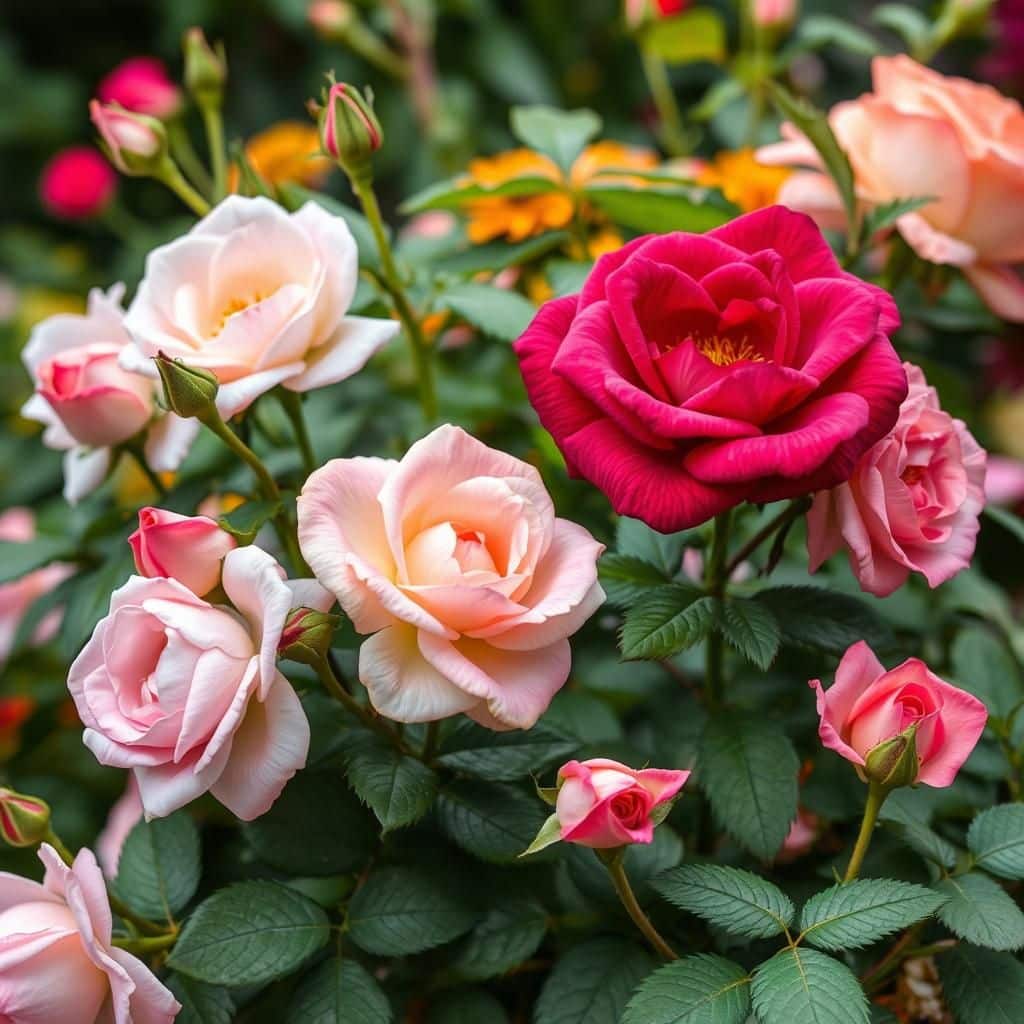
Companion planting is an ancient gardening technique that enhances plant growth and protects against pests. When it comes to growing roses, selecting the right companion plants can make a significant difference in their health and vitality. Certain plants can deter harmful insects, attract beneficial ones, and even boost the overall aesthetic appeal of your garden. In this article, we will explore the top 10 companion plants for roses that will help keep pests at bay while encouraging a thriving, vibrant garden. Discover how these plant pairings can create a harmonious ecosystem, promoting both beauty and resilience in your rose garden.
Companion Plants for Roses to Deter Pests
Companion planting is a beneficial gardening technique that involves pairing plants to enhance growth and protect against pests. When it comes to roses, certain companion plants can work wonders in keeping harmful insects at bay. For example, marigolds release compounds that repel aphids, nematodes, and other pests that commonly afflict roses. Additionally, herbs like thyme and basil can attract beneficial insects such as ladybugs and hoverflies, which further contribute to pest control. Not only do these companion plants help create a healthier garden environment, but they also enhance the beauty and diversity of the rose garden itself.
Marigolds: Nature's Pest Repellent
Marigolds are renowned for their ability to deter insects thanks to their strong scent and the presence of thiophene, a compound that is toxic to many pests. Planting marigolds alongside your roses can significantly reduce the likelihood of aphid infestations, making them an excellent choice for any rose garden. Their vibrant colors also provide a stunning contrast to the roses, enhancing the overall aesthetic appeal while simultaneously safeguarding them from various pests.
Thyme: Attracting Beneficial Insects
Thyme is not only a culinary delight but also serves as an effective companion plant for roses. The aromatic nature of thyme attracts beneficial insects like ladybugs and lacewings, which are natural predators of aphids and other harmful pests. Furthermore, planting thyme provides ground cover that can help retain soil moisture and suppress weeds, making it a practical and multifaceted addition to a rose garden.
Basil: A Dual-Function Herb
Basil is an excellent companion to roses, offering both pest control and culinary benefits. The strong scent of basil is known to repel a variety of pests, including whiteflies and hornworms, while also attracting beneficial pollinators such as bees. By planting basil near your roses, you create a symbiotic relationship that promotes a healthy garden ecosystem, allowing both plants to thrive in harmony.
Nasturtiums: Trap Plants for Aphids
Nasturtiums are not only visually appealing with their bright flowers but also serve as effective trap plants. When planted near roses, nasturtiums attract aphids away from the roses, preventing infestations. After the aphids settle on the nasturtiums, you can easily remove them, ensuring that your roses remain healthy and pest-free. Additionally, their leaves and flowers are edible, adding further utility to this companion plant.
Lavender: A Fragrant Barrier
Lavender is well known for its exquisite fragrance and ability to attract beneficial insects while repelling pests. The strong scent of lavender is deterring to mosquitoes, flies, and other harmful insects that might harm your roses. Additionally, the presence of lavender enhances the sensory experience of the garden, making it an ideal companion plant that adds both beauty and functionality. Its drought-resistant nature also makes it a low-maintenance option for any rose enthusiast.
| Companion Plant | Pest Deterrent | Additional Benefits |
|---|---|---|
| Marigolds | Aphids, nematodes | Colorful addition, easy to grow |
| Thyme | Attracts beneficial insects | Ground cover, moisture retention |
| Basil | Whiteflies, hornworms | Culinary uses, attracts pollinators |
| Nasturtiums | Aphids (trap plants) | Edible flowers and leaves |
| Lavender | Mosquitoes, flies | Fragrant barrier, drought-resistant |
What to plant with roses to deter pests?
:strip_icc()/BHG-Rose-Garden-7000546-7633-24-234e5c9e04724742b55b3ced64c6dda5.jpg)
When planting roses, it's essential to consider companion plants that can help deter pests. Certain plants are known to emit scents or produce compounds that repel various pests, thereby protecting your roses. Below are several effective companion plants that you can consider:
Certain Aromatic Herbs
Aromatic herbs are an excellent choice for planting alongside roses. They not only enhance the garden's aesthetic appeal but also produce scents that can confuse or repel pests. Here are some herbs to consider:
- Basil - Known for its ability to repel aphids and spider mites.
- Lavender - The scent of lavender is particularly effective against moths and flies.
- Mint - This pungent herb can deter ants, aphids, and other garden pests.
Alliums and Onion Family
Plants from the allium family, including garlic, onions, and chives, are also beneficial companions for roses. They release sulfur compounds that pests find unappealing. Some options include:
- Garlic - Acts as a natural insect repellent against many pests.
- Onions - Their strong odor can deter aphids and other annoying insects.
- Chives - Besides being edible, they help keep aphids at bay.
Marigolds
Marigolds are often hailed as the ultimate companion plant for roses due to their vibrant color and pest-repelling properties. Their strong scent helps keep nematodes and beetles at a distance. Planting marigolds near roses can offer several advantages:
- Nematode control - Marigolds can help reduce nematode populations in the soil.
- Deterring beetles - The scent of marigolds helps repel stubborn beetles.
- Attracting beneficial insects - They attract pollinators and predatory insects that feed on harmful pests.
Companion Flowering Plants
In addition to herbs and marigolds, incorporating certain flowering plants can prove beneficial. These plants can attract beneficial insects, which help control pests. Some effective options include:
See also:
- Nasturtiums - Act as a trap crop, attracting aphids away from roses.
- Yarrow - Its flowers attract ladybugs and lacewings, which feed on aphids.
- Snapdragons - These flowers can deter certain pests while providing color to the garden.
Fertilizing and Mulching Plants
Certain plants that improve soil quality and promote healthy growth can also deter pests indirectly. By maintaining strong, healthy roses, you can make them less susceptible to pest attacks. Notable plants include:
- Comfrey - Its leaves can be used as a mulch that enriches the soil.
- Clover - Acts as a natural mulch and attracts beneficial insects.
- Cutting back and composting - Integrating composting practices can enhance soil fertility and health.
What not to plant around roses?

Roses are a popular choice for many gardens due to their beauty and fragrance. However, certain plants can negatively impact their growth and health. Understanding which plants to avoid planting near roses is crucial for their well-being. Here are some plants that should not be situated close to roses:
Competing Plants
When planting around roses, it is essential to consider plants that might compete for nutrients, water, and sunlight. These can significantly hinder the growth of roses.
- Sunflowers - Tall and robust, sunflowers can overshadow your roses, depriving them of sunlight.
- Perennials - Such as hostas and daylilies, can compete for essential nutrients and soil space.
- Berry Bushes - Like blackberries and raspberries, they have extensive root systems that absorb water and nutrients.
Plants Susceptible to Disease
Certain plants are prone to diseases that could spread to nearby roses. Avoid planting them close together to keep your roses disease-free.
- Phlox - They can harbor diseases that roses are also susceptible to, like powdery mildew.
- Snapdragons - These may attract pests or diseases that can easily transmit to roses.
- Petunias - Known to be vulnerable to similar diseases affecting roses, such as black spot.
Highly Aromatic Herbs
Some herbs have strong scents that can interfere with the growth of roses. It is advisable to plant them away from your rose bushes.
- Mint - Its vigorous growth can overshadow roses, competing for space and resources.
- Lavender - While it can attract pollinators, its strong fragrance may dominate the area and disrupt the growth of nearby roses.
- Thyme - Although beneficial in moderation, when planted too close, it can create competition for nutrients.
Thorny or Aggressive Plants
Thorny and aggressive plants can damage the tender stems of roses or compete too aggressively for resources.
- Briar Roses - Their thorny nature can pose a risk to the healthier growth of traditional roses.
- Barberry - As a thorny shrub, it can entangle rose bushes and create complications in care and maintenance.
- Wild Blackberry Vines - These can take over the area with their fast growth and damage roses.
Plants That Attract Pests
Some plants can draw in pests that specifically target roses. Knowing which ones to avoid can help protect your roses.
- Marigolds - Although beneficial in some aspects, they can attract certain pests that also target roses.
- Geraniums - They may attract aphids, which could spread to your rose bushes.
- Petunias - Can attract whiteflies that can lead to infestations on roses.
What is best to put around roses?
:max_bytes(150000):strip_icc()/companion-plants-for-roses-4142013-hero-c074e6cb26614efb8ff1d2b02f4641f2.jpg)
To create an ideal environment for roses, it's essential to consider what to place around them. The best materials to use will not only benefit the roses but also enhance their growth and prevent potential issues:
1. Mulch
Applying a layer of organic mulch around roses can significantly improve their health and growth. Mulch helps retain moisture, regulate soil temperature, and suppress weeds. Effective options include:
- Bark chips: These decompose slowly, providing long-lasting benefits.
- Straw: Great for moisture retention and weed suppression.
- Wood chips: They improve soil structure over time as they break down.
2. Compost
Incorporating compost around roses adds essential nutrients, promoting vigorous growth and flowering. Compost enriches the soil and enhances its microbial activity. Consider these points:
- Homemade compost: Can improve soil health using kitchen scraps and yard waste.
- Purchased compost: Ensure it's well-aged and free of pathogens.
- Compost tea: A liquid option that provides a quick nutrient boost.
3. Stone or Gravel
Utilizing gravel or decorative stones around roses can aid drainage and add aesthetic appeal to the garden. They can also reduce the risk of fungal diseases. When using stones, keep in mind:
See also:
- Drainage improvement: Helps prevent water pooling around roots.
- Weed prevention: Limits light access to weed seeds.
- Temperature regulation: Stones can help maintain consistent soil temperatures.
4. Plant Companions
Choosing the right companion plants can support the health of your roses by attracting beneficial insects or repelling pests. Possible companion options include:
- Lavender: Deters pests and attracts pollinators.
- Marigolds: Known for their ability to repel aphids and nematodes.
- Alliums: Effective in deterring various garden pests.
5. Fertilizer
Applying a balanced fertilizer around roses can enhance their growth and blooming. Use fertilizers responsibly to avoid over-feeding. Options to consider include:
- Slow-release fertilizer: Provides nutrients over an extended period.
- Organic options: Like fish emulsion or bone meal for natural feeding.
- Liquid fertilizers: For a quick nutrient boost during the growing season.
How do I protect my roses from pests?
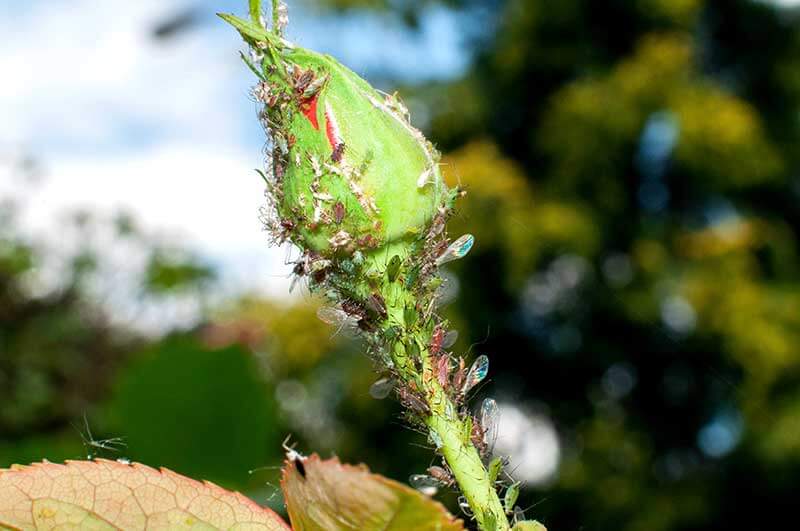
To protect your roses from pests, it is essential to implement a combination of preventive measures and treatments. These methods aim to create an unfavorable environment for pests and to promote the health of your roses, making them less susceptible to infestations. Here are several strategies you can follow:
Understanding Common Rose Pests
Many pests are notorious for attacking roses, causing damage that can lead to decreased growth and flowering. Some of the most common rose pests include:
- Aphids: Small, soft-bodied insects that suck the sap from rose plants.
- Spider Mites: Tiny arachnids that cause stippling on leaves as they feed.
- Black Spot Fungus: While not an insect, it can severely affect the health of your roses.
Promoting Plant Health
Healthy plants are more resistant to pests and diseases. To ensure your roses thrive, consider the following practices:
- Proper Watering: Ensure consistent watering to avoid stress.
- Soil Quality: Use nutrient-rich soil and organic compost to enhance growth.
- Sunlight Exposure: Place your roses where they receive adequate sunlight (at least 6-8 hours a day).
Natural Pest Control Methods
Utilizing natural pest control methods can effectively reduce pests without harming beneficial insects. Here are some techniques you might find useful:
- Neem Oil: An organic pesticide that disrupts the life cycle of pests.
- Insecticidal Soap: Targets soft-bodied insect pests like aphids.
- Companion Planting: Grow plants that repel pests, such as marigolds or garlic.
Cultural Practices for Pest Management
Implementing beneficial cultural practices can help manage pests. These practices include:
- Regular Pruning: Prune to improve air circulation and remove infected parts of the plant.
- Mulching: Use mulch to keep the soil temperature stable and prevent weeds that harbor pests.
- Crop Rotation: Avoid planting roses in the same spot each year to prevent soil-borne pests.
Monitoring and Early Intervention
Regularly monitoring your roses can help you catch infestations early, allowing for prompt action. Consider these steps:
- Visual Inspections: Check leaves, stems, and buds for signs of pests or damage.
- Yellow Sticky Traps: Use these traps to catch flying insects and monitor pest populations.
- Threshold Levels: Establish how many pests you can tolerate before taking action.
Questions from Our Readers
What are the best companion plants for roses to repel pests?
Companion plants that effectively repel pests from roses include marigolds, which deter aphids and nematodes, and garlic, known for its strong odor that can ward off various insects. Other beneficial companions are basil and chives, both of which can help protect roses from common pests while also enhancing their overall health.
How do companion plants help in pest management for roses?
Companion plants help in pest management by releasing natural chemicals that deter harmful insects, enhancing the biodiversity around the rose plants. These plants can also attract beneficial insects, such as ladybugs and lacewings, that prey on pests like aphids, creating a more balanced and resilient garden ecosystem.
Can companion planting improve the health of my rose plants?
Yes, companion planting can significantly improve the health of rose plants by promoting nutrient exchange and reducing stress from pest pressures. Plants like clover can fix nitrogen in the soil, while others can provide essential shade or moisture, resulting in stronger and more vigorous roses.
Are there any specific flowers that are particularly good companions for roses?
Certain flowers like lavender and nasturtiums make particularly good companions for roses. Lavender not only attracts pollinators but also has pest-repelling qualities, while nasturtiums act as a trap crop, drawing pests away from the roses and preventing them from causing damage.
See also:

If you want to read more articles like Top 10 Companion Plants for Roses to Keep Pests Away for a Thriving Garden, we recommend you check out our Gardeners category.
Leave a Reply
Related Articles