Can You Use Seasol and Fertiliser at the Same Time? Essential Tips for Effective Plant Care

When it comes to nurturing healthy plants, understanding the proper use of plant care products is essential. Seasol, a popular seaweed extract, is known for its ability to boost plant growth and resilience, while fertilizers provide the necessary nutrients for optimal development. However, many gardeners wonder whether these two products can be effectively used simultaneously. In this article, we will explore the benefits and potential drawbacks of using Seasol and fertilizer together, offering essential tips for maximizing their effectiveness. Whether you're a seasoned gardener or a novice, this guide will help you make informed decisions for your plant care routine.
Can You Use Seasol and Fertiliser at the Same Time?
Yes, you can use Seasol and fertiliser simultaneously, but it is essential to understand their distinct roles in plant care. Seasol is a liquid seaweed extract that enhances plant health by improving root development, increasing resistance to stress, and promoting overall vigor. In contrast, fertilisers provide essential nutrients that support plant growth and flowering. When used together, Seasol can help plants better absorb the nutrients from the fertiliser, leading to stronger and healthier plants. However, it is vital to follow the recommended application rates for both products to avoid over-fertilisation, which could harm the plants.
Understanding Seasol
Seasol is a popular seaweed extract renowned for its natural origin and beneficial properties. It is rich in trace elements, supporting healthy plant growth and resilience against environmental stresses. Seasol acts primarily as a plant tonic rather than a direct source of nutrients, thus focusing on enhancing root systems and improving soil structure.
The Role of Fertiliser
Fertilisers are products designed to supply essential nutrients such as nitrogen, phosphorus, and potassium necessary for optimal plant growth. They can be synthetic or organic and work by providing the elements that plants need to build proteins, promote fruiting, and flower development. Fertilisers come in various forms, including granules, liquids, and slow-release options.
Benefits of Using Both Products Together
When combined, Seasol and fertiliser can significantly enhance plant growth. Seasol improves the plant's ability to absorb nutrients, making fertilisers more effective. This synergy can lead to increased foliage growth, vibrant flowers, and a more robust overall plant health, ultimately resulting in a more productive garden or landscape.
Application Timing and Methods
Applying Seasol in conjunction with fertiliser should be done thoughtfully to maximise benefits. It is generally advised to apply Seasol at a different time or slightly before fertiliser application. For example, using Seasol during the initial plant establishment, and following up with fertiliser as per the growth stage of the plant can yield better results.
Potential Risks of Over-application
While both Seasol and fertiliser can offer great benefits, overusing either can lead to adverse effects such as nutrient burn or excessive vegetative growth. It is crucial to adhere to suggested application rates for both products to prevent damaging the plants. Monitoring the plants for signs of nutrient deficiency or excess can assist in making timely adjustments to your regimen.
| Products | Roles | Application Timing |
|---|---|---|
| Seasol | Enhances overall plant health and root development | Before or during initial growth phases |
| Fertiliser | Provides essential nutrients for growth and flowering | During active growth stages |
Can you use fertilizer and Seasol?
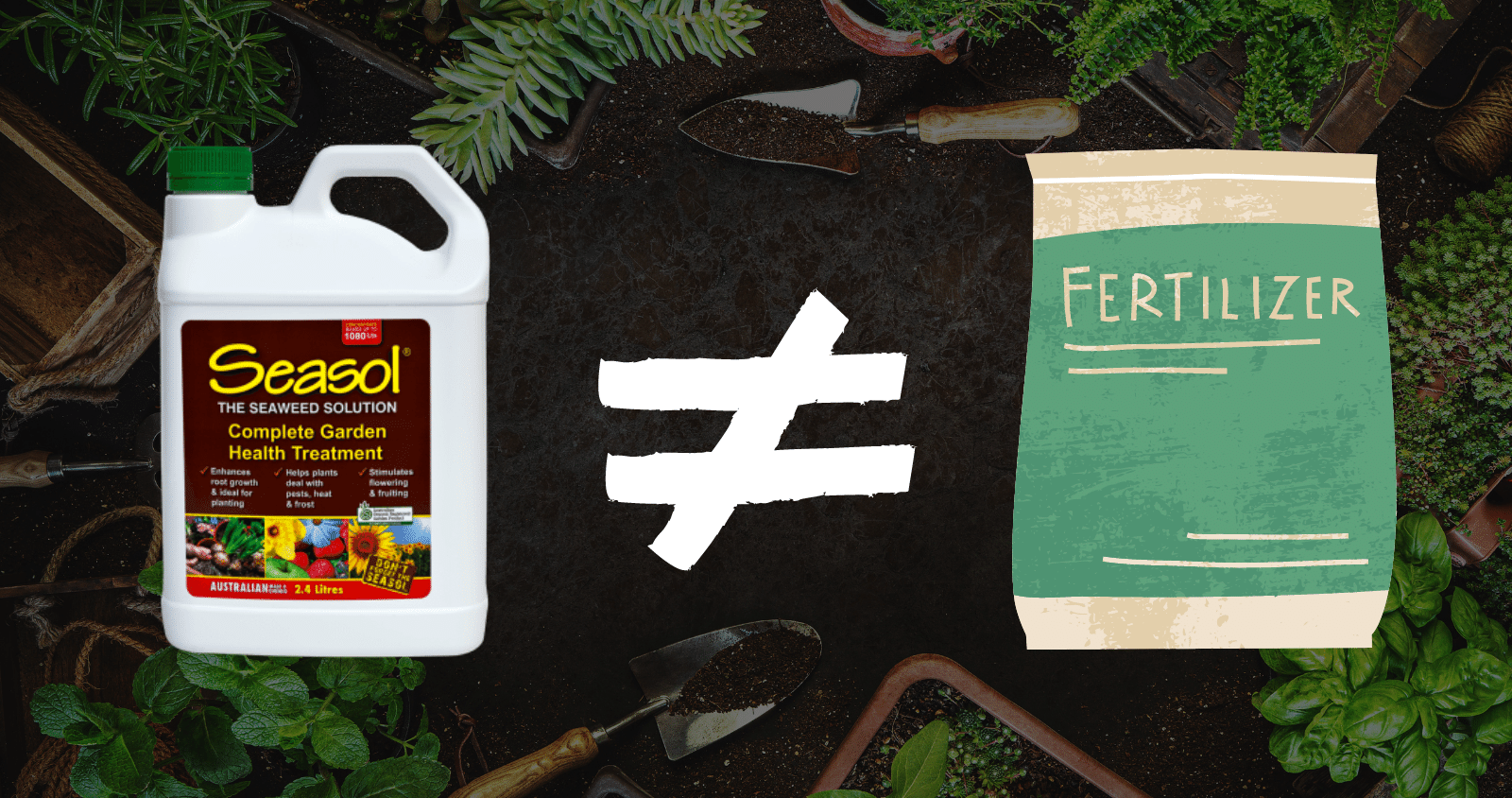
Yes, you can use fertilizer and Seasol together, but there are some important factors to consider to ensure optimal plant health and nutrient absorption. Seasol is a seaweed-based liquid plant tonic that provides essential minerals and natural growth hormones, while fertilizers supply specific nutrients like nitrogen, phosphorus, and potassium (NPK). Using them in tandem can enhance plant growth, but proper application methods and timing are crucial.
Benefits of Using Seasol with Fertilizer
Using Seasol alongside fertilizers offers numerous benefits for plant health and growth. The unique components of Seasol can complement the nutrients in commercial fertilizers, leading to better overall results.
See also:
- Enhanced nutrient uptake: Seasol helps improve soil structure and can increase plant's ability to absorb nutrients from fertilizers.
- Stress resistance: Using Seasol can help plants tolerate environmental stresses, such as drought or transplant shock, making them more resilient when fertilizer is applied.
- Improved root development: Seasol promotes strong root systems, allowing plants to take full advantage of the nutrients provided by fertilizers.
Best Practices for Combining Seasol and Fertilizer
When applying both Seasol and fertilizer, following best practices can enhance the efficacy of both products and ensure your plants thrive.
- Timing: Apply Seasol after fertilizing or as a foliar spray to maximize nutrient absorption.
- Dilution: Always dilute Seasol according to package instructions to prevent any potential damage to plants.
- Frequency: Use Seasol as a regular supplement while applying fertilizers according to their specific schedules.
Types of Fertilizers Compatible with Seasol
Not all fertilizers pair well with Seasol; understanding which types are compatible can optimize your garden's performance.
- Organic fertilizers: Products like compost or well-composted manure can work effectively with Seasol, enhancing microbial activity in the soil.
- Slow-release fertilizers: These formulations provide a gradual supply of nutrients and can be used alongside Seasol for prolonged plant nourishment.
- Liquid fertilizers: Combining Seasol with liquid fertilizers can create a potent solution that boosts immediate nutrient availability.
Potential Issues When Using Seasol and Fertilizer Together
Despite the benefits, there can be challenges when combining Seasol and fertilizer that gardeners should be aware of.
- Over-fertilization: Too much fertilizer can lead to nutrient burn; thus, moderation is key when using both products.
- Allergies or sensitivities: Some plants may react adversely to the combination; always test on a small area first.
- Misapplication: Incorrect ratios or timing may negate the benefits; it's essential to follow the recommended guidelines.
Long-Term Effects of Using Seasol with Fertilizers
Understanding the long-term implications of using Seasol with fertilizers can inform better gardening practices.
- Soil health improvement: Regular use of Seasol can enhance soil structure and nutrient availability over time.
- Increased yield: Many gardeners report improved yields when using both products in combination.
- Lower dependency on chemical fertilizers: Seasol can help reduce the frequency of chemical fertilizer applications by improving nutrient retention.
What should you not mix fertilizer with?
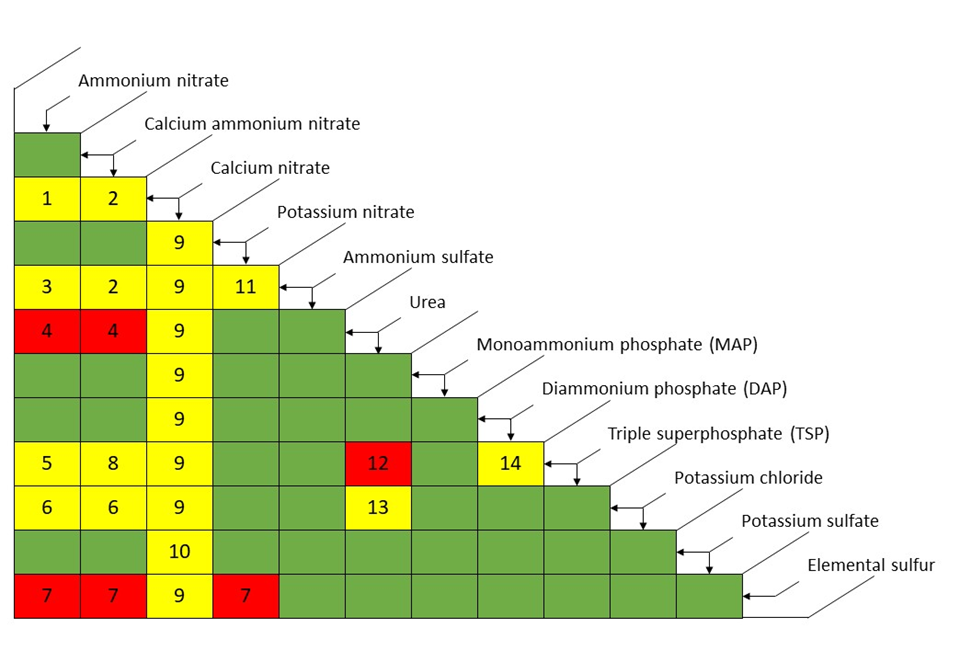
Fertilizer is an essential component of gardening and agriculture, but it is important to know that certain substances should not be mixed with it. Mixing fertilizer improperly can lead to reduced effectiveness, environmental harm, or even dangerous reactions. Here are some things you should not mix with fertilizer.
1. Water
Mixing fertilizer with water can be tricky, as the dilution rate must be balanced correctly. Overly diluted solutions can lead to insufficient nutrient delivery to the plants, which can stunt growth. Conversely, too concentrated solutions can burn plant roots.
- Under-dilution leads to nutrient burn.
- Over-dilution results in inadequate nutrient supply.
- Always follow manufacturer’s guidelines for mixing ratios.
2. Herbicides
Combining fertilizer with herbicides can be detrimental because herbicides are chemically designed to kill plants. This combination can lead to unintended damage to the crops you are trying to nourish, ultimately reducing their efficacy and harming potential yields.
- Mixing can lead to crop damage.
- May create resistance in weeds.
- Compromises the recommended use of both products.
3. Insecticides
Like herbicides, insecticides serve a specific purpose—killing pests. Mixing these with fertilizers can negatively affect both the fertilizer's absorption and the effectiveness of the insecticide, potentially leading to reduced pest control and poor plant nutrition.
- Potentially neutralizes effectiveness of both products.
- Can lead to chemical reactions that are harmful to plants.
- Increases the risk of residue buildup in the soil.
4. Other Fertilizers
Mixing different types of fertilizers (such as organic and synthetic) can result in a chemical imbalance that could hinder nutrient absorption or lead to adverse reactions. Different fertilizers may have varying pH levels, and combining them can negatively impact soil health.
See also:
- May cause nutrient lockout.
- Might release harmful gasses.
- Can create an unpredictable nutrient profile.
5. Agricultural Chemicals
Agricultural chemicals, including fungicides and growth regulators, should not be mixed with fertilizers. The combination can cause chemical reactions that are detrimental to specific plant types and overall soil health.
- Increases the risk of plant toxicity.
- Presents a safety hazard for users.
- Can lead to pollution of local water systems.
Is seaweed fertilizer better than regular fertilizer?
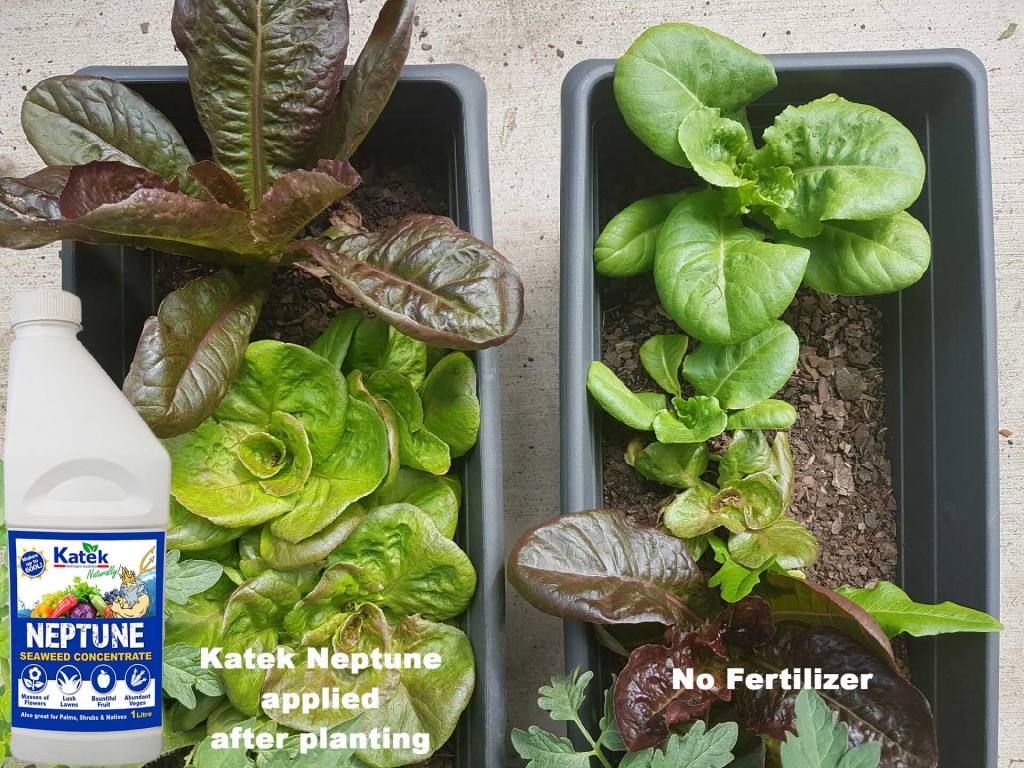
Seaweed fertilizer has gained popularity as an alternative to conventional fertilizers due to its numerous benefits for soil health, plant growth, and the environment. While regular fertilizers are typically rich in specific nutrients, seaweed fertilizers offer a broader range of nutrients and beneficial compounds that can enhance plant health more holistically. Here are some detailed insights into the comparison between seaweed fertilizer and regular fertilizer.
What's in Seaweed Fertilizer?
Seaweed fertilizer is derived from marine algae, which contains a plethora of nutrients and bioactive compounds. The key components include:
- Micro and Macronutrients: Seaweed is packed with essential nutrients like nitrogen, phosphorus, potassium, calcium, magnesium, and a variety of trace elements that are vital for plant development.
- Growth Hormones: Seaweed extracts contain natural growth hormones such as auxins, gibberellins, and cytokinins, which can stimulate root development and overall plant growth.
- Antioxidants and Bioactive Compounds: These help plants deal with stress, improve resilience, and enhance overall health, making them more productive.
Benefits of Using Seaweed Fertilizer
The application of seaweed fertilizer presents various advantages that can significantly boost agricultural practices and plant health:
- Improved Soil Structure: Seaweed helps enhance soil aeration, moisture retention, and overall fertility, contributing to healthier root systems.
- Enhanced Nutrient Availability: The organic matter in seaweed promotes microbial activity in the soil, leading to better nutrient cycling and availability to plants.
- Environmental Benefits: Seaweed harvesting has less environmental impact compared to synthetic fertilizers, making it a more sustainable option.
Comparative Effectiveness of Seaweed vs. Regular Fertilizers
While conventional fertilizers are designed to deliver substantial nutrients rapidly, seaweed fertilizers work through a more gradual release:
- Slow Release of Nutrients: Seaweed fertilizers provide a slow and steady supply of nutrients, which can lead to sustained plant growth over time.
- Balanced Nutrient Profile: Unlike regular fertilizers that may focus on NPK ratios, seaweed fertilizers offer a broader spectrum of nutrients that cater to different growth stages.
- Less Risk of Over-Fertilization: The natural composition reduces the chances of nutrient burn, making it safer for plants and the environment.
Application of Seaweed Fertilizer
Using seaweed fertilizer is straightforward, and its application can vary based on the crops being cultivated. Here are some practical tips:
- Dilution: Typically, seaweed extracts should be diluted with water before application for optimal uptake.
- Frequency: Apply seaweed fertilizer every few weeks during the growing season to continuously provide nutrients and support plant health.
- Soil and Foliar Application: It can be applied directly to the soil or as a foliar spray, depending on the growth needs and the specific plant type.
Cost Considerations
When evaluating the cost of seaweed fertilizer versus regular fertilizers, several factors come into play:
- Initial Investment: Seaweed fertilizers may come at a higher upfront cost due to their natural sourcing and production.
- Long-Term Benefits: The improvement in soil health and plant yield can offset initial expenses over time, potentially leading to higher long-term returns.
- Reduced Need for Chemical Inputs: By improving soil fertility and plant health, seaweed fertilizers can decrease dependence on chemical fertilizers and pesticides, contributing to cost savings.
Questions from Our Readers
Can you use Seasol and fertiliser at the same time?
Yes, you can use Seasol and fertiliser at the same time, and this combination can actually benefit your plants significantly. Seasol is a seaweed-based liquid that provides essential micronutrients and promotes root growth, while fertiliser supplies the primary nutrients that plants need for overall growth. Using them together allows plants to absorb both essential nutrients and enhance their health.
What are the benefits of using Seasol with fertiliser?
Using Seasol along with fertiliser offers multiple benefits, including increased nutrient uptake and improved root development. The combination can enhance plant resilience to stress, foster stronger growth, and lead to healthier foliage and blooms. Additionally, the organic components in Seasol can help in making the nutrients from the fertiliser more available to the plants.
See also:
How should Seasol and fertiliser be applied together?
To apply Seasol and fertiliser together, it is recommended to first dilute the fertiliser as per the manufacturer's instructions and then mix in Seasol accordingly. It's best to apply them during the growing season when the plants can utilize the nutrients most effectively, and always water the plants after application to help the nutrients seep into the soil.
Can using Seasol reduce the amount of fertiliser needed?
Yes, incorporating Seasol can potentially reduce the amount of fertiliser needed, as it improves soil health and nutrient availability. By enhancing the soil ecosystem and promoting stronger root systems, plants become more efficient at absorbing nutrients, allowing you to use less fertiliser without compromising plant health.

If you want to read more articles like Can You Use Seasol and Fertiliser at the Same Time? Essential Tips for Effective Plant Care, we recommend you check out our Fertiliser category.
Leave a Reply
Related Articles