Can You Use Regular Windows for a Greenhouse? Pros and Cons Explained
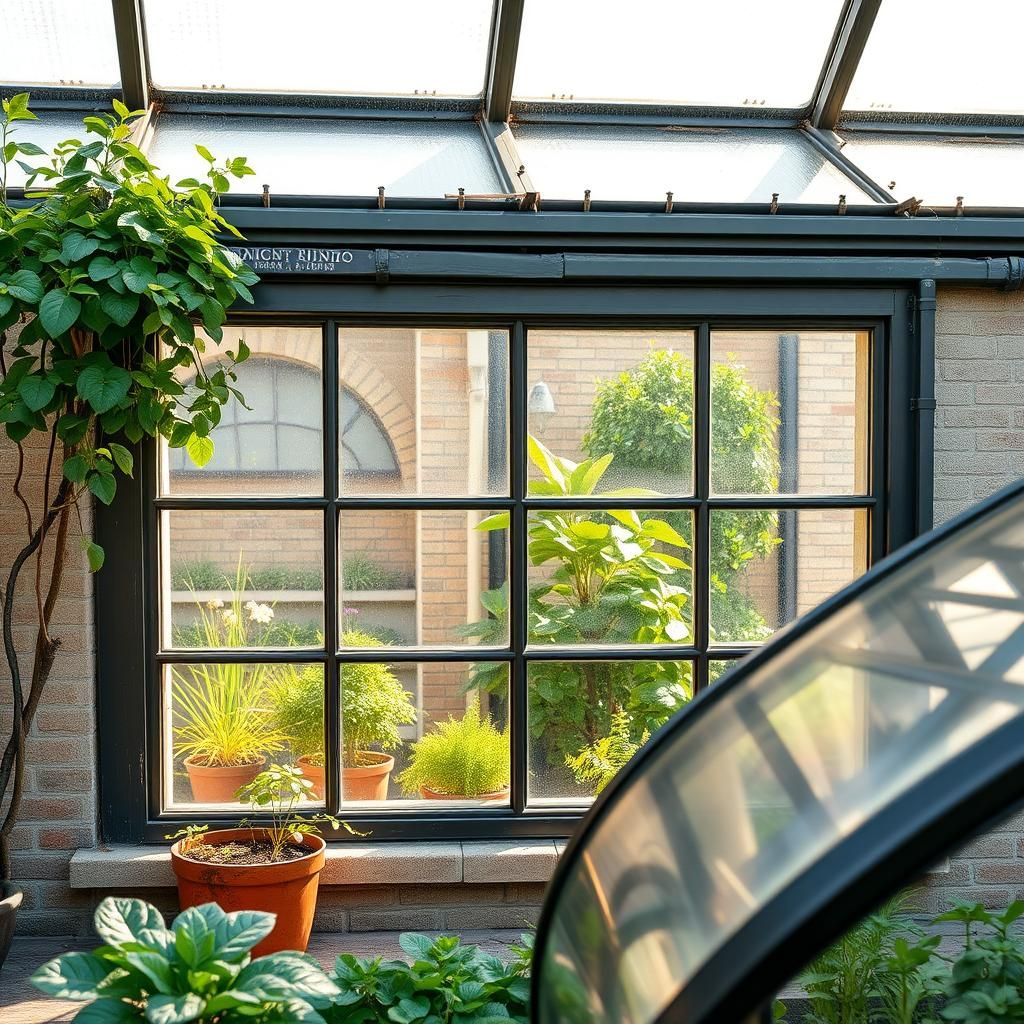
When it comes to building a greenhouse, the materials you choose can significantly impact its effectiveness. Many gardening enthusiasts wonder whether using regular windows is a viable option for their greenhouse projects. This article explores the pros and cons of utilizing standard windows for greenhouse construction. While they may provide some benefits, such as cost savings and accessibility, there are also drawbacks to consider, including insulation and structural integrity. Understanding these factors is crucial for anyone looking to optimize their greenhouse environment and ensure the health of their plants. Let’s delve into the advantages and disadvantages of this popular choice.
Can You Use Regular Windows for a Greenhouse?
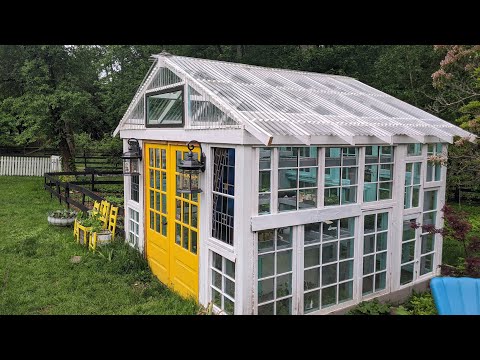
Using regular windows for a greenhouse is a feasible option, as they can provide adequate light, insulation, and some degree of protection for plants, depending on the type and condition of the windows. However, there are several factors to consider, including the material of the windows, their ability to retain heat, and potential leaks that can occur due to aging seals. Additionally, regular windows may not be designed to withstand the increased humidity levels typical in a greenhouse environment. Therefore, while regular windows can be repurposed for a greenhouse, proper modifications may be necessary to ensure they meet the specific requirements for effective plant growth.
Material Considerations
When choosing regular windows for a greenhouse, the material used in their construction plays a crucial role in their functionality. Common materials include glass, plexiglass, and polycarbonate, each offering different levels of light transmission, insulation, and durability. Glass windows, for instance, may provide excellent light transmission but can be heavy and breakable. On the other hand, polycarbonate is lighter and more durable but may offer less clarity. Understanding these material differences can help you select the best options for your greenhouse.
Heat Retention
Regular windows may vary significantly in their ability to retain heat, which is vital for a greenhouse environment. Double-glazed windows offer better insulation than single-pane windows, helping to maintain a stable temperature during colder months. If using single-pane glass, it may be necessary to incorporate additional insulating materials or heating systems to ensure that your plants thrive in cooler conditions. Thus, it is important to assess the thermal efficiency of the windows before installation.
Humidity Management
Greenhouses typically maintain higher humidity levels to promote plant growth, which can be problematic for regular windows that are not designed for such conditions. Older windows with worn-out seals may allow excessive moisture to infiltrate, leading to mold and mildew growth. Additionally, non-ventilated regular windows can become fogged, obstructing light and limiting photosynthesis. It is crucial to ensure that regular windows can cope with the high humidity levels of a greenhouse and facilitate proper ventilation.
Cost-Effectiveness
Using regular windows may be a more cost-effective solution compared to purchasing specialized greenhouse materials. Repurposing old windows can significantly reduce initial setup costs while providing a sustainable option for greenhouse construction. However, it is important to weigh the savings against the potential inefficiencies that may arise, such as higher heating costs or the need for more frequent maintenance. Evaluating all costs associated with using regular windows will ensure you make an informed decision.
Installation and Modification
When installing regular windows in a greenhouse, some modification may be required to enhance their efficiency and functionality. This could include sealing gaps to prevent drafts, securing them in place to withstand wind, or adding removable shades to control light intensity. Additionally, creating a structure that allows for easy access and maintenance will enhance the usability of your greenhouse. Proper installation and adaptation of regular windows will greatly impact the success of your greenhouse.
| Aspect | Regular Windows | Greenhouse-Specific Windows |
|---|---|---|
| Material | Glass, Plexiglass, Wood | Polycarbonate, Tempered Glass |
| Insulation | Variable, often less efficient | Higher, typically double or triple glazed |
| Humidity Resistance | Can degrade quickly | Designed to manage humidity |
| Cost | Generally lower | Higher investment for specialty materials |
| Maintenance | Requires regular upkeep | Reduced maintenance options |
Can you use normal glass in a greenhouse?
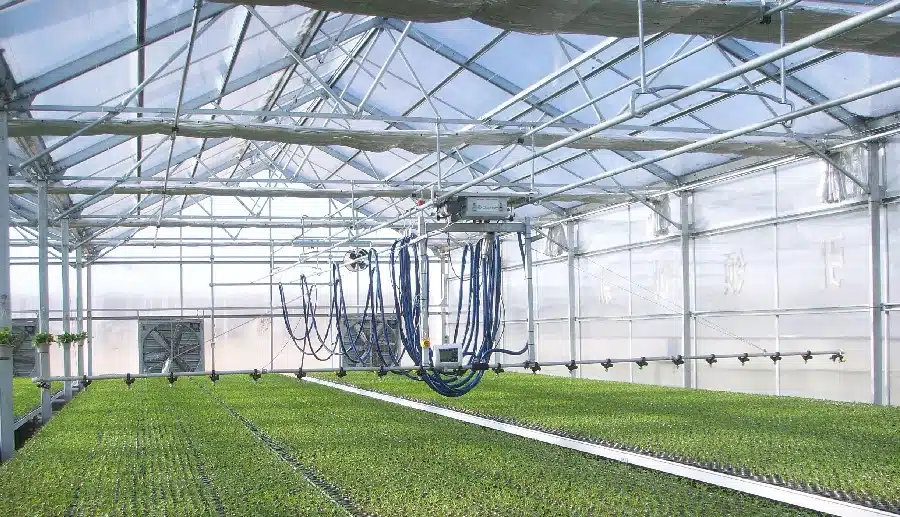
Using normal glass in a greenhouse is a common consideration for those looking to create a suitable environment for plant growth. While normal glass can be utilized, several factors need to be weighed carefully to ensure maximum efficiency and effectiveness in a greenhouse setting.
Advantages of Using Normal Glass
Normal glass has some distinct advantages when employed in a greenhouse. These include:
- Transparency: Normal glass provides excellent transparency, allowing ample sunlight to enter and nourish plants.
- Cost-effective: It is generally less expensive compared to specialized greenhouse materials, making it an accessible option for gardeners on a budget.
- Durability: Normal glass is quite durable, offering protection against environmental factors when designed properly.
Disadvantages of Using Normal Glass
Despite its advantages, normal glass also has some drawbacks that should be acknowledged:
- Weight: Normal glass can be heavy, which requires a robust structure to support it effectively.
- Insulation: It typically provides poor insulation compared to other materials, leading to potential temperature fluctuations.
- Fragility: Normal glass is prone to breakage, which can pose risks in high-wind areas or during storms.
Alternative Materials for Greenhouses
There are various alternative materials that offer better suitability than normal glass in certain conditions:
- Polycarbonate: This material is lightweight, durable, and provides better insulation than normal glass.
- Acrylic: It is transparent, resistant to impact, and has good thermal properties, making it a popular choice.
- Polyethylene Film: Often used for commercial greenhouses, it is lightweight and economical but may require frequent replacement.
Best Practices When Using Normal Glass
If one opts to use normal glass for a greenhouse, certain best practices can enhance its effectiveness:
See also:
- Proper Framing: Ensure that the greenhouse frame is sturdy enough to hold the weight of the glass.
- Sealing Joints: Properly seal joints to prevent moisture and air leaks, which can affect temperature and humidity inside the greenhouse.
- Regular Maintenance: Regularly check for cracks and repair them to avoid further damage and maintain structural integrity.
Regulations and Building Codes
Before constructing a greenhouse with normal glass, one should be mindful of local regulations and building codes:
- Building Permits: Check if building permits are required in your area for greenhouse construction.
- Safety Codes: Ensure compliance with safety standards concerning materials, especially if using large panels of glass.
- Zoning Laws: Be aware of local zoning laws that may dictate where a greenhouse can be placed on your property.
Are single pane windows ok for a greenhouse?
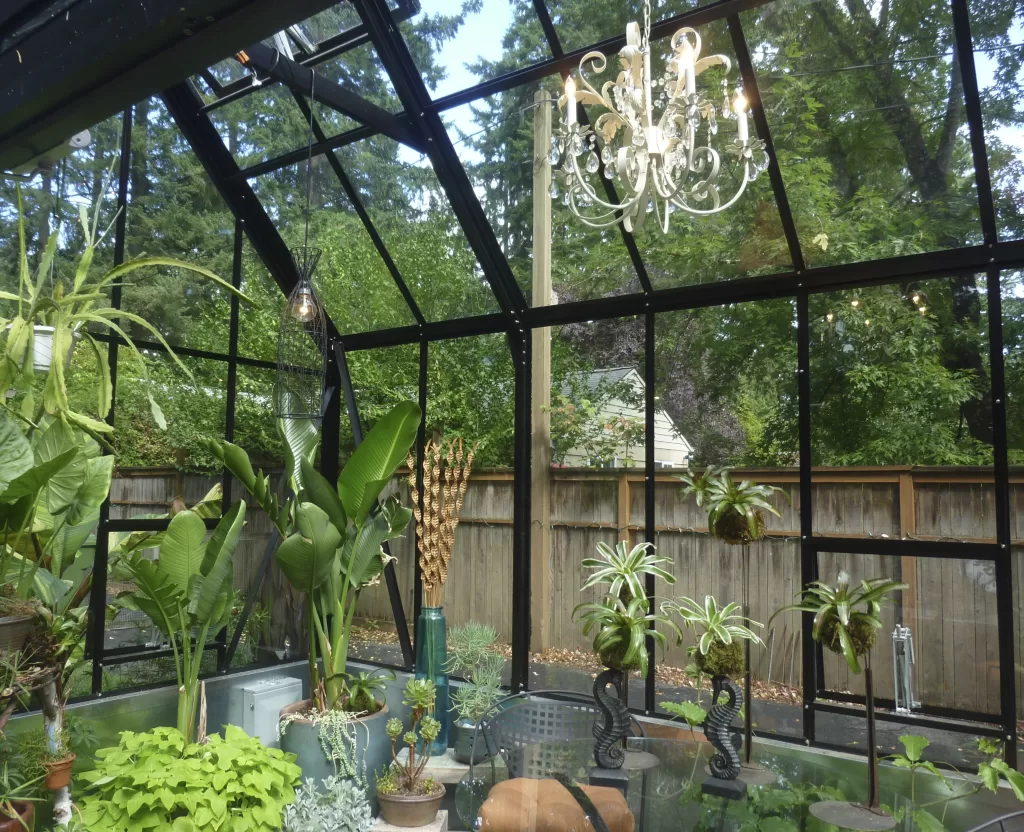
Single pane windows can be used in a greenhouse, but they come with certain limitations and considerations. While they are often less expensive and easier to find than double or triple-pane alternatives, their thermal performance is significantly lower. This can lead to increased energy costs and reduced temperature stability within the greenhouse. Here are some factors to consider when deciding if single pane windows are suitable for your greenhouse:
Thermal Insulation
The primary issue with single pane windows is their thermal insulation properties. Because they consist of only one layer of glass, they allow a significant amount of heat loss, especially during colder months.
- Heat Loss: Single pane windows do not provide an effective barrier against cold air, leading to increased heating requirements.
- Temperature Fluctuations: The lack of insulation can result in inconsistent temperatures, stressing plants sensitive to temperature changes.
- Energy Costs: The increased need for heating can lead to higher energy bills for those relying on artificial heat sources.
Light Transmission
Single pane windows allow a good amount of natural light to enter the greenhouse, which is beneficial for plant growth.
- Visible Light: They transmit more visible light than double or triple-glazed windows, supporting photosynthesis.
- UV Rays: Single panes can block some UV rays, but they still allow enough light to reach plants.
- Selective Filters: If light penetration is prioritized, single pane windows may be ideal for specific plant needs.
Cost Considerations
Single pane windows are usually the most affordable option when constructing or updating a greenhouse.
- Initial Costs: Cheaper upfront costs can be appealing for hobbyists and those on a budget.
- Availability: Often more readily available at local suppliers or recycling centers.
- Maintenance: Single panes generally require less maintenance than more complex window systems.
Durability and Longevity
When it comes to durability, single pane windows may not hold up as well as insulated alternatives.
- Glass Thickness: Thinner glass is more likely to break, especially in areas with frequent temperature changes.
- Weather Resistance: Single panes might not withstand harsh weather conditions as well as double or triple-glazed options.
- Longevity: Over time, energy inefficiencies may outweigh initial savings, leading to the need for eventual replacement.
Ventilation Options
Proper ventilation is crucial for maintaining an optimal environment in a greenhouse, and this can be managed even with single pane windows.
- Openable Windows: Incorporating operable single pane windows can allow for effective natural ventilation when temperatures rise.
- Placement: Strategic placement of windows can facilitate cross ventilation, improving airflow.
- Fan Systems: Pairing with fans can enhance air circulation, compensating for heat loss.
What is the best window for a greenhouse?
The best window for a greenhouse is one that maximizes light transmission while providing insulation and durability. The ideal window material combines thermal efficiency with ease of use, and the choice largely depends on the climate, type of plants being grown, and the design of the greenhouse itself.
Types of Greenhouse Windows
The choice of window types can significantly affect the greenhouse environment. Common types include:
- Single-pane glass: Traditional option, offers good clarity but poor insulation.
- Double-pane glass: Offers better insulation and is more energy-efficient than single-pane.
- Polycarbonate: Lightweight, provides excellent insulation and comes in multi-wall options for better efficiency.
- Acrylic: More durable than glass, offers good light transmission but can scratch easily.
- Fiberglass: Strong and durable, provides good insulation and is resistant to UV rays.
Light Transmission
Light transmission is crucial for plant growth. The amount of light that enters through windows can vary significantly based on the material used.
- Clear glass: Offers the best light transmission but lacks insulation.
- Tinted glass: Reduces light intensity, which can be beneficial in very bright conditions but may hinder growth in lower light.
- Polycarbonate: Filters out some UV rays while still allowing adequate light, making it a popular choice.
Energy Efficiency
An energy-efficient greenhouse window helps maintain optimal temperatures, reducing heating and cooling costs.
See also:
- Low-E coatings: Reflect infrared light while allowing visible light to pass, enhancing insulation.
- Multi-wall polycarbonate: Traps air within its walls, providing significant thermal resistance.
- Use of shading: Internal shading systems can improve energy efficiency by reducing heat buildup during hot months.
Ventilation Options
Proper ventilation is vital in a greenhouse to regulate temperature and humidity levels.
- Operable windows: Windows that can be opened manually or automatically promote airflow.
- Awning windows: These can be opened at the top, allowing air to enter while keeping rain out.
- Rooftop vents: Placed on the roof to help create a chimney effect for better ventilation.
Durability and Maintenance
The durability of greenhouse windows affects their lifespan and maintenance requirements.
- Glass: Fragile but can last long if handled with care; requires regular cleaning.
- Polycarbonate: Resistant to impact and UV rays, needing less frequent replacement.
- Acrylic: Lightweight and resistant to breakage but may require polishing to remove scratches.
What can you use instead of glass for a greenhouse?
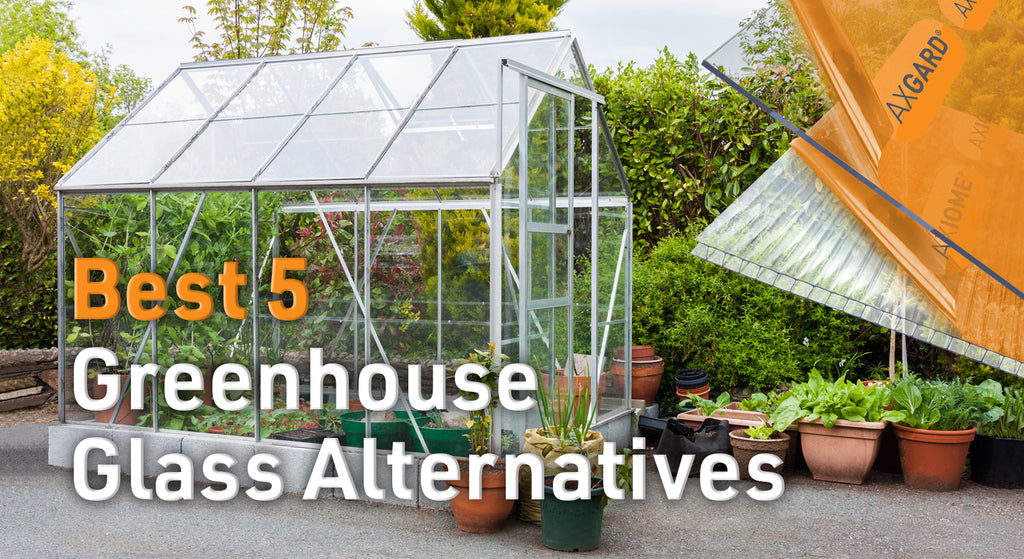
Using alternatives to glass for a greenhouse can be beneficial in terms of cost, weight, and durability. Here are some options:
Polycarbonate Panels
Polycarbonate panels are a popular alternative to glass in greenhouses due to their lightweight and durable nature. They provide excellent thermal insulation, helping to maintain consistent temperatures within the greenhouse. Additionally, they are impact-resistant, which makes them less prone to breakage.
- High energy efficiency due to insulation properties.
- UV-protection to prevent plant damage.
- Available in twin-wall and multi-wall configurations for better insulation.
Polyethylene Film
Polyethylene film is a cost-effective choice for greenhouse covering. It is lightweight and can be easily installed over a frame. While it may not last as long as glass or polycarbonate, it offers good light transmission and can be replaced easily when degraded.
- Flexibility in installation, allowing for various shapes.
- Can be double-layered for enhanced insulation.
- Comes in different thicknesses and UV-resistant options.
Shade Cloth
Shade cloth serves a dual purpose in greenhouses: it reduces incoming sunlight to prevent overheating and protects plants from excessive UV exposure. It can be particularly useful in warmer climates where plants may need protection from harsh sunlight.
- Different percentages of shade available (e.g., 30%, 50%, 70%).
- Provides airflow while reducing temperatures inside the greenhouse.
- Easy to install and replace as needed.
Glass Alternatives Made from Acrylic
Acrylic sheets are another viable alternative to traditional glass. They are lighter and shatter-resistant, making them a safer option for greenhouse construction. Acrylic also offers good light transmission, rivaling that of glass, while being easier to work with.
- Maintains clarity and transparency over time.
- Moldable and can be customized for various greenhouse shapes.
- Provides better insulation compared to standard glass.
Metal Sheeting
Metal sheeting can be used in conjunction with other materials to create a hybrid greenhouse design. While it reflects some sunlight, it can also provide structural integrity and durability, especially in areas prone to extreme weather conditions.
- Highly durable and resistant to the elements.
- Can be insulated for improved temperature control.
- Variety of finishes available that can enhance aesthetics.
Questions from Our Readers
Can you use regular windows for a greenhouse?
Yes, you can use regular windows for a greenhouse, but there are some important factors to consider. Using old or recycled windows can be a cost-effective option, but making sure they create an airtight and insulated structure is essential for keeping your plants warm and moist.
What are the benefits of using regular windows in a greenhouse?
Using regular windows can provide several benefits, such as affordability and sustainability since they can be sourced from recycled materials. They also offer good light transmission, allowing sunlight to reach your plants, though you must consider their heat retention capabilities in colder months.
Are there any drawbacks to using regular windows for a greenhouse?
One major drawback of using regular windows is that they may not provide adequate insulation, leading to fluctuations in temperature and potentially harming your plants. Additionally, older windows may be made of materials that are not designed for high humidity environments, which can lead to issues such as mold.
How should regular windows be installed in a greenhouse?
When installing regular windows in a greenhouse, it is important to ensure they are properly sealed to prevent drafts. Installing them at an angle can help improve light absorption and drainage, while using a sturdy framing system can enhance stability and support for the windows.
See also:
If you want to read more articles like Can You Use Regular Windows for a Greenhouse? Pros and Cons Explained, we recommend you check out our Greenhouse category.
Leave a Reply
Related Articles