Can You Use a Garbage Bag as a Planter Liner? Pros, Cons, and Tips for Gardening
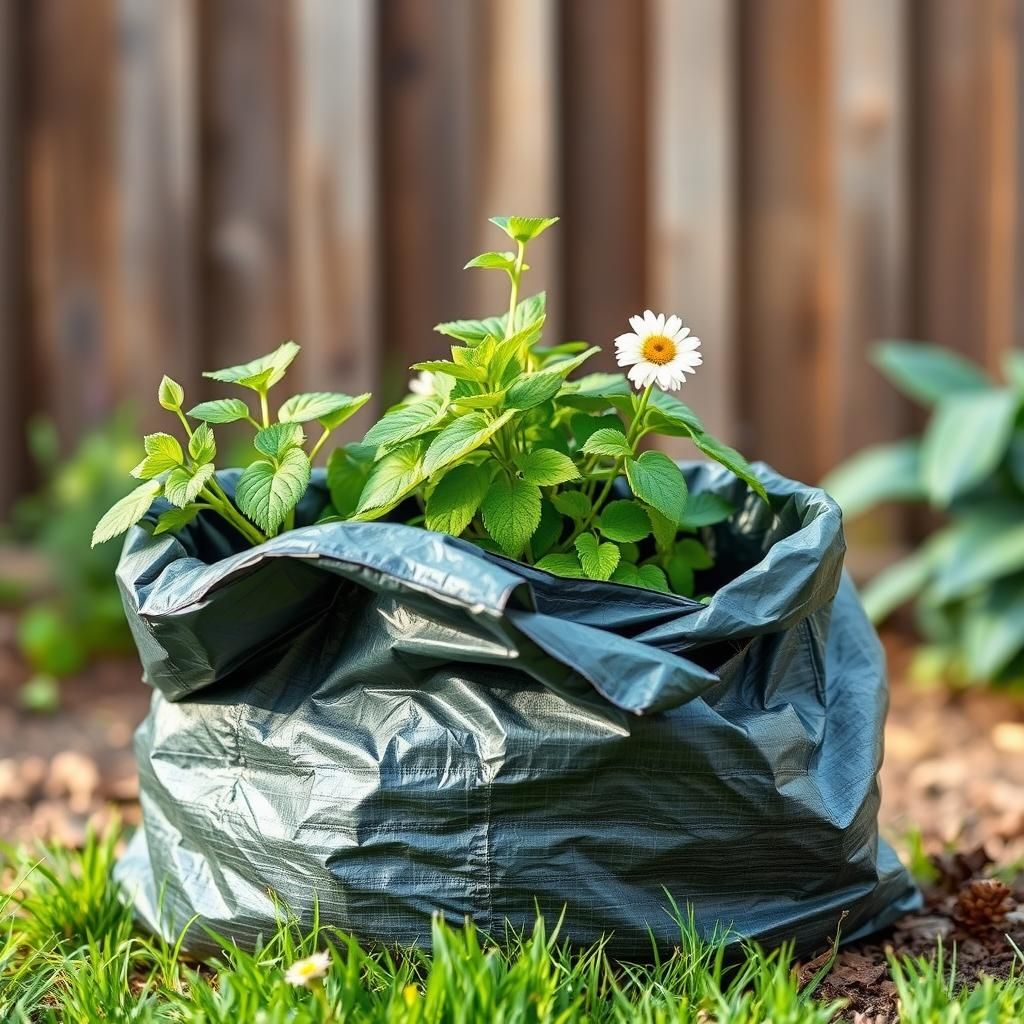
As gardening enthusiasts seek innovative and cost-effective solutions, the idea of using a garbage bag as a planter liner has gained attention. This unconventional method offers both potential benefits and drawbacks that every gardener should consider. In this article, we will explore the pros and cons of utilizing garbage bags in your gardening projects, examining their effectiveness in retaining moisture and preventing soil loss. Additionally, we will provide practical tips to maximize your gardening success while incorporating this unique liner. Whether you're an experienced gardener or a novice, this guide will help you make informed decisions for your green thumb endeavors.
Can You Use a Garbage Bag as a Planter Liner?
Using a garbage bag as a planter liner can be an effective solution, particularly for those who want a quick and inexpensive way to retain moisture and prevent soil loss in their pots or garden beds. When using a garbage bag, it's important to select one that is made of quality, thick material to ensure it can hold the weight of the soil and plants without tearing. Additionally, make small holes in the bottom for drainage to avoid water accumulation, which can lead to rot. Keep in mind that while a garbage bag can serve as a temporary fix or a budget-friendly option, it may not be biodegradable and can contribute to plastic pollution if used long-term.
Benefits of Using a Garbage Bag as a Planter Liner
One of the primary benefits of using a garbage bag as a planter liner is its cost-effectiveness; it is readily available and usually disposable. Furthermore, it acts as an effective barrier that keeps soil contained while allowing roots to penetrate if properly drained. This method can be particularly useful for beginner gardeners or those experimenting with container gardening, providing a simple way to achieve better moisture retention and easier handling of plant setups.
How to Prepare a Garbage Bag for Use as a Planter Liner
To prepare a garbage bag for use as a planter liner, first, select a bag that is large enough to fit your container or garden bed. Next, cut the bag to size, ensuring there are enough sides to line the container completely. It's essential to create small drainage holes in the bottom, allowing excess water to escape and preventing root rot. Once the bag is properly sized and punctured, you can fill it with potting soil and plant your chosen seeds or plants.
Potential Drawbacks of Using Garbage Bags in Gardening
While using a garbage bag in gardening can provide immediate benefits, there are potential drawbacks to consider. Most plastic bags are not biodegradable and can contribute to environmental pollution if they are disposed of improperly. Additionally, plastic can retain heat more than organic materials, potentially leading to overheating of roots in direct sunlight. This can stress plants and hinder their growth, so it's crucial to monitor temperature and moisture levels.
Alternatives to Garbage Bags for Planter Liners
For those looking for more sustainable options, several alternatives to garbage bags exist as planter liners. Materials like burlap, fabric pots, or biodegradable liners can offer similar benefits with a lower environmental footprint. These alternatives allow for better air circulation and drainage, which can promote healthier root systems. Additionally, using recycled materials, such as cardboard or newspaper layered a few times, can also work effectively while remaining eco-friendly.
Conclusion: Using Garbage Bags Responsibly in Your Garden
While garbage bags can be versatile tools in gardening, it is important to use them responsibly. Being aware of their environmental impact means considering more sustainable options in the long run. Always remember to dispose of any plastic waste properly and seek out eco-friendly alternatives when possible.
| Aspect | Garbage Bag | Alternative Liner |
|---|---|---|
| Cost | Low | Variable |
| Biodegradable | No | Yes |
| Drainage | Requires holes | Usually better |
| Root Temperature | Higher risk of overheating | Better airflow |
| Availability | Widely available | Variable |
What is the best thing to line a planter box with?

The best thing to line a planter box with can vary based on the type of plants, the climate, and personal preferences. However, a commonly recommended material is landscape fabric. This permeable material offers numerous benefits, including drainage and weed suppression, making it an excellent choice for maintaining healthy plant growth.
Benefits of Using Landscape Fabric
Landscape fabric is a versatile and effective choice for lining your planter box. Here are some benefits:
- Weed Suppression: It helps prevent weeds from growing up into your plants.
- Moisture Retention: It allows water to pass through while retaining soil moisture.
- Soil Health: It prevents soil erosion and keeps nutrients in the soil.
Other Suitable Materials
Besides landscape fabric, there are several other materials you can use to line a planter box. Some include:
- Cardboard: An inexpensive and biodegradable option that suppresses weeds.
- Plastic Liners: Provides excellent waterproofing but may cause drainage issues.
- Newspaper: An eco-friendly option that breaks down over time but should be layered well.
Considerations for Drainage
Proper drainage is crucial for healthy plants, and the lining material should support this. Here are points to consider:
- Permeability: Ensure the material allows water to drain freely.
- Height of the Liner: It should not be taller than the planter box to avoid water retention issues.
- Multiple Layers: Sometimes, using two layers of different materials can optimize drainage and weed control.
Environmental Impact
When choosing a lining material, it's important to consider the environmental impact:
- Biodegradable Options: Materials like cardboard and newspaper break down over time and enrich the soil.
- Recyclability: Opt for materials that can be recycled post-use to reduce waste.
- Pesticide-Free: Ensure that the material does not contain harmful chemicals that could leach into the soil.
Maintenance Tips for Lined Planter Boxes
To ensure the longevity and effectiveness of the lining in your planter box, consider these maintenance tips:
- Regular Inspections: Check for tears or degradation in the lining material regularly.
- Replace When Necessary: Change the lining if it starts to break down significantly to maintain optimal plant health.
- Drainage Holes: Ensure drainage holes are not blocked for optimal water flow.
What is the difference between a bin liner and a garbage bag?
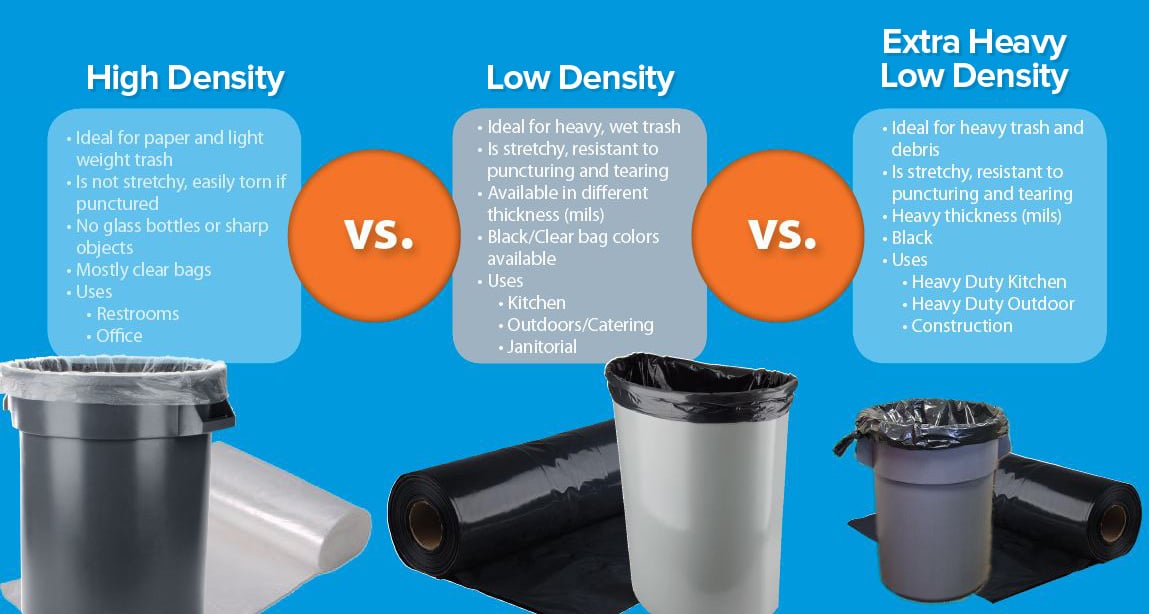
The main difference between a bin liner and a garbage bag revolves around their intended use and specific characteristics. Generally speaking, a bin liner is designed to fit inside a recycling or waste bin, providing a protective layer that can help contain waste and maintain hygiene. On the other hand, a garbage bag refers to a broader category of waste containment bags that are used for various types of refuse, typically for collection and disposal.
Purpose of Use
The purpose each bag serves often dictates its design and material composition.
- Bin Liners: Specifically engineered to fit snugly inside bins, these liners are designed to hold regular household waste while safeguarding the interior of the bin.
- Garbage Bags: These serve a broader purpose, suitable for transport, storage, or disposal of waste collected from various sources, such as chutes or bulk items.
- Specialization: Bin liners may be more targeted for specific types of recyclable materials, while garbage bags can cater to generalized waste collection.
Material Composition
The materials used in creating bin liners and garbage bags can vary significantly, impacting their durability and suitability.
- Bin Liners: Often made from thin plastic, they are designed to allow easy removal while providing required strength for everyday use.
- Garbage Bags: Typically sturdier, these bags may incorporate thicker plastic and even extra features like odor control or leak-proof lining.
- Recyclability: Bin liners may be less environmentally friendly due to their specific composition, while certain garbage bags are made from biodegradable materials.
Size and Fit
The size and fit of each type of bag is critical to their functionality.
- Bin Liners: Available in various sizes tailored to fit different bins, ensuring effective containment of waste without overflow.
- Garbage Bags: Offered in standardized sizes suitable for all manner of purposes, from small kitchen bins to larger lawn refuse collections.
- Custom Fit: Some users prefer bin liners for their tailored fit, while garbage bags offer versatility for irregular waste sizes.
Cost Efficiency
When considering the cost efficiency, both products present different advantages based on usage.
- Bin Liners: Generally priced lower due to their thin material, but they may require more frequent changes.
- Garbage Bags: While potentially more expensive, the durability and added features may lead to longer usage periods between changes.
- Bulk Purchases: Cost efficiency can increase when buying in bulk, particularly with garbage bags that accommodate larger accumulations of waste.
Environmental Concerns
The environmental impact of both bin liners and garbage bags can vary widely, affecting consumer choice.
- Bin Liners: Often criticized for contributing to plastic waste, although some are now available in recyclable or compostable options.
- Garbage Bags: Innovations in biodegradable materials have made some garbage bags more environmentally friendly, appealing to conscious consumers.
- Waste Management: Proper disposal and choice of material can influence environmental effects, urging users to think critically about their options.
What do you line the bottom of a planter with?

To line the bottom of a planter, it's essential to choose materials that promote drainage, prevent soil loss, and enhance the overall health of the plants. Proper lining can prevent water from accumulating at the base, reducing the risk of rot and promoting healthier root systems. Here are some commonly used materials:
- Landscape Fabric
- Pea Gravel
- Charcoal
- Old Newspaper
- Sponge or Foam
Landscape Fabric
Using landscape fabric at the bottom of your planter helps facilitate drainage while still retaining soil. This porous material allows water to pass through while keeping the soil contained. It prevents weeds from growing up into the planter and can also help in managing soil erosion.
- Allows for water drainage
- Prevents soil loss
- Discourages weed growth
Pea Gravel
Another effective option for lining the bottom of a planter is pea gravel. This small, rounded stone provides excellent drainage and helps create a layer that prevents soil from washing away. It's also aesthetically pleasing and can help with airflow around the roots.
- Enhances drainage
- Prevents soil erosion
- Improves root aeration
Charcoal
Adding a layer of charcoal can improve air circulation and absorb excess moisture. This not only aids in eliminating odors but also helps prevent mold growth, making it an excellent choice for planters with more sensitive plants or in humid environments.
- Reduces odors
- Absorbs excess moisture
- Prevents mold buildup
Old Newspaper
Using old newspaper as a liner is an eco-friendly option. It can block soil from escaping while allowing water to drain. As the newspaper decomposes over time, it contributes nutrients to the soil, supporting the plants' growth.
- Economical and eco-friendly
- Biodegradable
- Contributes nutrients as it decomposes
Sponge or Foam
For lightweight planters, a layer of sponge or foam can be beneficial. These materials not only help retain moisture but also provide cushioning for the roots. They can assist in keeping the soil damp without introducing excess water at the bottom.
- Retains moisture
- Cushions plant roots
- Lightweight and easy to work with
Questions from Our Readers
Can you use a garbage bag as a planter liner?
Yes, you can use a garbage bag as a planter liner. It provides a waterproof barrier that helps retain moisture, but make sure to poke some drainage holes to prevent waterlogging.
What type of garbage bag is best for use as a planter liner?
The best type of garbage bag to use as a planter liner is a thick plastic bag, as it is less likely to tear and provides better durability. Avoid thin bags that can easily puncture or break down over time.
Do I need to treat the garbage bag before using it as a planter liner?
No special treatment is required for the garbage bag, but it's a good practice to remove any printed ink or chemicals that may leach into the soil. Opt for a bag that is labeled as food-safe if you're growing edible plants.
Can using a garbage bag as a planter liner harm my plants?
Using a garbage bag may not harm your plants if the bag is used properly with adequate drainage. However, prolonged exposure to certain chemicals in low-quality bags could potentially affect plant health, so always choose a safe option.

If you want to read more articles like Can You Use a Garbage Bag as a Planter Liner? Pros, Cons, and Tips for Gardening, we recommend you check out our Planter category.
Leave a Reply
Related Articles