Can You Use 10-10-10 Fertilizer on All Plants? A Complete Guide to Nutrient Needs

Fertilizing plants is a critical aspect of gardening that can significantly influence growth and overall health. Among the various fertilizer options available, the 10-10-10 formulation stands out for its balanced ratio of nitrogen, phosphorus, and potassium. However, many gardeners wonder whether this universal solution is suitable for all types of plants. This article delves into the nutrient needs of various plant species and explores the advantages and disadvantages of using 10-10-10 fertilizer. Whether you’re tending to ornamental flowers, vegetable gardens, or indoor plants, understanding how to apply this fertilizer effectively can help you achieve thriving greenery in your space.
Can 10-10-10 Fertilizer Be Used on All Plants?
Using 10-10-10 fertilizer on all plants is generally not recommended due to the varying nutrient requirements of different species. While this type of fertilizer provides a balanced mix of nitrogen, phosphorus, and potassium, some plants may require more specific nutrient ratios or additional micronutrients for optimal growth. For example, flowering plants might benefit from a fertilizer with higher phosphorus content, while leafy greens may prefer higher nitrogen levels. Therefore, it's crucial to consider the specific needs of each plant type before applying 10-10-10 fertilizer to ensure healthy and vigorous growth.
What is 10-10-10 Fertilizer?
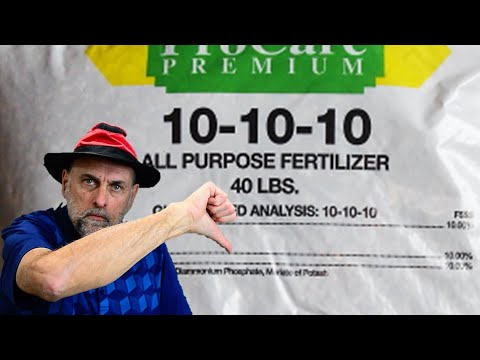
10-10-10 fertilizer is a balanced fertilizer that contains equal parts of the three essential nutrients: nitrogen (N), phosphorus (P), and potassium (K), with each element represented by the numbers 10-10-10. This means that each nutrient makes up 10% of the total weight of the fertilizer. Nitrogen is crucial for leaf growth, phosphorus helps in root development and flowering, and potassium supports overall plant health. As a result, this type of fertilizer is particularly popular among gardeners looking for a straightforward fertilization solution.
Which Plants Benefit from 10-10-10 Fertilizer?
While 10-10-10 fertilizer can be beneficial for many plants, it is especially useful for general garden crops, including vegetables and certain ornamental plants that thrive in a range of nutrient levels. Plants such as tomatoes, peppers, and marigolds often benefit from this balanced mix as it provides adequate nutrients for growth and productivity. However, it's important to monitor these plants for specific deficiencies that may require adjustments in fertilization strategies.
Are There Plants That Should Avoid 10-10-10 Fertilizer?
Certain plants may not respond well to 10-10-10 fertilizer due to their specialized nutrient needs. For instance, acid-loving plants like blueberries or azaleas typically do better with fertilizers that are lower in nitrogen and higher in phosphorus. Additionally, some perennials and succulents require different nutrients and may experience nutrient burn or stunted growth if given a balanced fertilizer without customization. Understanding the specific requirements of your plants is key to successful gardening.
How to Apply 10-10-10 Fertilizer?
Applying 10-10-10 fertilizer requires careful attention to the instructions on the product label, as over-fertilization can lead to damage. Generally, it can be applied either by broadcasting it evenly across the soil surface or by mixing it into the soil at planting time. For established plants, a light application during the growing season is typically recommended, ensuring that water is provided to aid in nutrient absorption. Monitoring plant health post-application is essential to make necessary adjustments.
What are the Alternatives to 10-10-10 Fertilizer?
If 10-10-10 fertilizer does not meet the specific needs of certain plants, there are many alternatives available. Specialized fertilizers, such as those formulated for flowering plants, vegetables, or fruits, often contain tailored ratios of nutrients to promote optimal growth. Organic options like compost, bone meal, or fish emulsion can also provide vital nutrients in a more sustainable manner. Additionally, soil testing can help determine nutrient deficiencies, allowing for a more targeted fertilization approach.
| Type of Plant | Recommended Fertilizer | Reason |
|---|---|---|
| Tomatoes | 10-10-10 | Balanced nutrient needs for healthy fruit production. |
| Blueberries | Low nitrogen fertilizer | Prefers acidic soils and lower nitrogen content. |
| Succulents | Low-nitrogen cactus fertilizer | Less nutrients needed, avoiding burn. |
| Azaleas | Acidic fertilizer | Thrives in lower pH and specific nutrient balance. |
| Leafy Greens | Higher nitrogen fertilizer | Requires more nitrogen for vigorous leaf growth. |
Can you fertilize all plants with 10-10-10?
:max_bytes(150000):strip_icc()/SPR-guide-to-fertilizing-strawberries-7488291-03-d74ed1910c3645ecb407411f03122774.jpg)
Fertilizing plants is essential for their growth and health, and 10-10-10 fertilizer is a popular choice among gardeners. This fertilizer contains equal proportions of nitrogen, phosphorus, and potassium (N-P-K), which are essential nutrients for plants. However, whether you can use it on all plants depends on various factors, including their specific nutritional needs and growth stages.
Understanding 10-10-10 Fertilizer
10-10-10 fertilizer is a balanced fertilizer, meaning it provides equal amounts of the three primary nutrients that plants need:
- Nitrogen (10%): Essential for leaf development and overall growth.
- Phosphorus (10%): Important for root development and flowering.
- Potassium (10%): Aids in disease resistance and overall plant vigor.
This balanced composition makes 10-10-10 versatile but also means it may not be suitable for all types of plants, especially those with specific nutrient requirements.
Plant Nutritional Needs
Different plants have varied nutritional requirements, influenced by factors like their growth stage and type. Some plants thrive on high nitrogen levels, while others require more phosphorus or potassium.
See also:
- Leafy Vegetables: Prefer higher nitrogen levels for robust growth.
- Flowering Plants: Benefit from more phosphorus to promote blooming.
- Fruit Plants: Often need higher potassium levels for fruit quality and yield.
Using 10-10-10 on plants with specific nutritional preferences may not yield optimal results.
When to Use 10-10-10 Fertilizer
The timing of fertilization is crucial for maximizing the benefits of 10-10-10. It can be applied during the growing season when plants are actively absorbing nutrients.
- Spring: Ideal for promoting new growth.
- Mid-Season: Can provide a boost for flowering and fruiting.
- Fall: Caution is advised as some plants may start to go dormant.
Applying it at the right time can enhance nutrient uptake and plant development.
Potential Risks of Over-Fertilization
Using 10-10-10 fertilizer on all plants can lead to over-fertilization, which can cause negative effects such as nutrient burn or excessive growth at the expense of flowering and fruiting.
- Leaf Scorching: Too much nitrogen can burn plant leaves.
- Root Damage: High salt concentrations can harm root systems.
- Poor Growth: Over-fertilization can lead to weak, leggy plants.
Understanding the recommended application rates and frequency is essential for healthy plant growth.
Alternative Fertilizers for Specific Plants
For plants with specialized needs, alternative fertilizers may be more effective than 10-10-10. These can provide the specific nutrients required without the risk of imbalances.
- High-Nitrogen Fertilizers: Better for leafy greens and grasses.
- Low-Phosphorus Fertilizers: Suitable for root vegetables or plants sensitive to phosphorus.
- Organic Options: Such as compost or manure, which release nutrients naturally.
Choosing the right fertilizer based on plant types can enhance growth and development.
When should you apply 10-10-10 fertilizer?
When it comes to applying 10-10-10 fertilizer, timing is crucial for achieving optimal results in your garden or lawn. This balanced fertilizer, which contains equal parts of nitrogen, phosphorus, and potassium, is versatile and can be used for a variety of plants, including flowers, fruits, vegetables, and lawns. Typically, the best times to apply this fertilizer are during the growing season and just before planting new crops or plants.
The general recommendation is to apply 10-10-10 fertilizer in early spring as plants begin to wake up from dormancy, and again in mid-summer to support consistent growth. Preparing the soil with this fertilizer before planting is critical for ensuring adequate nutrient availability for the young plants as they establish themselves.
Optimal Timing for Application
Applying 10-10-10 fertilizer at the right time is essential for maximizing nutrient uptake and promoting healthy plant growth. The recommended timings include:
- Early Spring: As temperatures begin to warm up and growth resumes.
- Mid-Summer: To support plants during their peak growth phase.
- Before Planting: To enhance soil fertility right before sowing seeds or transplanting.
Soil Test Considerations
Before applying 10-10-10 fertilizer, conducting a soil test is beneficial. A soil test will determine nutrient levels and the pH balance of your soil, allowing you to make informed decisions about fertilizer application. Key considerations include:
See also:
- Nutrient Deficiency: Identify specific nutrients needed by your plants.
- Soil pH: Ensure optimal pH levels for nutrient availability.
- Existing Fertility: Gauge the current fertility before adding more inputs.
Application Techniques
Proper application techniques help ensure that the nutrients from 10-10-10 fertilizer are effectively utilized by your plants. Consider these techniques:
- Broadcasting: Evenly spreading the fertilizer over the soil surface.
- Incorporation: Tilling the fertilizer into the top few inches of soil.
- Watering: Follow-up watering can help dissolve and distribute the nutrients.
Frequency of Application
Determining how often to apply 10-10-10 fertilizer depends on several factors, including the type of plants and their growth stages. Suggested frequencies are:
- Every 6-8 weeks: During the growing season for actively growing crops.
- Less frequently: For established perennial plants that require less intervention.
- Seasonal adjustments: Modify frequency based on observed plant health and soil fertility.
Effects on Different Plant Types
Different plants have varying needs, and the effects of 10-10-10 fertilizer can differ based on the type of vegetation. Key effects include:
- Vegetables: Improved yield and robust growth with balanced nutrients.
- Flowers: Enhanced blooming and vibrant colors when applied during flowering season.
- Turfgrass: Greener lawns and stronger root systems when applied in early spring and mid-summer.
Is 10-10-10 fertilizer ok for tomatoes?
10-10-10 fertilizer can be used for tomatoes, but understanding its composition and the specific needs of tomato plants is crucial for optimal growth. This fertilizer contains equal parts of nitrogen, phosphorus, and potassium, which is often represented as N-P-K values. While this balanced formula works for various plants, tomatoes have specific nutrient requirements at different stages of growth that can influence the effectiveness of this fertilizer.
Understanding 10-10-10 Fertilizer Composition
The composition of 10-10-10 fertilizer provides an equal ratio of macronutrients, making it a versatile choice for a range of plants. However, knowing the role of each nutrient can help in applying it correctly:
- Nitrogen (N): Promotes leaf growth and overall plant vigor.
- Phosphorus (P): Essential for root development and flower formation.
- Potassium (K): Helps with fruit quality and resistance to disease.
Tomato Nutrient Needs
Tomatoes particularly thrive when they have the right balance of macronutrients and micronutrients. While 10-10-10 can suffice in certain phases, understanding tomato growth stages is essential:
- During vegetative growth, tomatoes require higher nitrogen levels.
- During the flowering and fruiting stage, increased phosphorus is essential for fruit set.
- Overall, be mindful of the micronutrient needs such as calcium and magnesium.
Timing of Fertilizer Application
The timing of when to apply 10-10-10 fertilizer can significantly affect its effectiveness. Tomatoes should be fertilized at different growth stages:
- Start with a balanced fertilizer (like 10-10-10) at planting.
- Reapply during the growth phase before flowering.
- Cut back on nitrogen as plants transition to the fruiting phase and consider a fertilizer higher in potassium.
Potential Drawbacks of 10-10-10 Fertilizer
While 10-10-10 could work, there are potential drawbacks to its use on tomatoes that gardeners should be aware of:
- Excessive nitrogen may cause leafy growth at the expense of fruit.
- Imbalanced ratios may lead to nutrient deficiencies later on.
- Over-fertilization can result in salt buildup in the soil, harming root health.
Alternatives to 10-10-10 Fertilizer
If 10-10-10 does not seem suitable after considering the tomato’s specific needs, there are alternatives worth exploring:
- A high phosphorus fertilizer for the early flowering stage supports better fruit development.
- Use organic options like bone meal or compost to enhance soil fertility.
- Consider a slow-release, tomato-specific formulation for sustained nutrient availability.
Questions from Our Readers
Can 10-10-10 fertilizer be used on all types of plants?
10-10-10 fertilizer is a balanced fertilizer that contains equal parts of nitrogen, phosphorus, and potassium. However, it is not suitable for all plants. Some plants, especially those that require specific nutrient ratios or are sensitive to high nutrient levels, may suffer from over-fertilization. It's essential to research the specific needs of your plants before applying this type of fertilizer.
What plants benefit from using 10-10-10 fertilizer?
Many vegetable gardens and

How often should you apply 10-10-10 fertilizer?
The frequency of application for 10-10-10 fertilizer depends on the specific plants and their growth stage, but a general guideline is to apply it every 4 to 6 weeks during the growing season. It’s essential to follow the product's instructions and monitor your plants for any signs of nutrient deficiency or excess.
Is 10-10-10 fertilizer safe for container plants?
Yes, 10-10-10 fertilizer can be used for container plants, but caution is required. Container plants often have limited soil and nutrients, so it's crucial to use a diluted solution and monitor the plants closely to avoid nutrient burn, which can damage the roots and hinder plant growth.
If you want to read more articles like Can You Use 10-10-10 Fertilizer on All Plants? A Complete Guide to Nutrient Needs, we recommend you check out our Fertiliser category.
Leave a Reply
Related Articles