Can You Sprinkle Grass Seed on Top of Existing Grass? Tips for a Lush Lawn
Achieving a lush, green lawn is a goal for many homeowners, and one common question arises: can you simply sprinkle grass seed on top of existing grass? The answer is yes, but there are some essential tips and techniques to consider for successful overseeding. This method can revitalize thinning areas, improve lawn density, and enhance overall health without the need to start from scratch. In this article, we will explore the best practices for overseeding, including timing, seed selection, and maintenance tips to ensure that your lawn flourishes while minimizing challenges. Get ready to transform your yard into a vibrant oasis!
Can You Sprinkle Grass Seed on Top of Existing Grass?
Yes, you can sprinkle grass seed on top of existing grass, a practice often referred to as overseeding. This method helps to enhance the density of the existing lawn, fill in bare spots, and improve the overall health of the grass. However, for optimal results, it's important to prepare the soil properly, which may involve mowing the existing grass low, dethatching if necessary, and ensuring adequate seed-to-soil contact. Utilizing the right type of seed compatible with your current grass and appropriate for the climate will yield the best results. Additionally, regular watering and proper care post-seeding will encourage the new grass to sprout and thrive alongside the established grass.
Benefits of Overseeding
Overseeding provides several benefits for an existing lawn, including improved thickness, enhanced color, and increased resistance to weeds and diseases. It helps rejuvenate tired or thinning areas while also promoting a healthier ecosystem within the lawn. By introducing new seed genetics, overseeding can also adapt your lawn better to current environmental conditions, making it more resilient in the face of drought or heavy foot traffic.
When is the Best Time to Overseed?
The best time to overseed your lawn typically depends on the type of grass you have. For cool-season grasses, early spring or late summer are ideal periods, while for warm-season grasses, late spring is the most favorable time. Timing ensures that the seeds can establish roots without excessive competition from the existing grass and have adequate moisture and growth conditions to thrive.
Preparation Steps Before Overseeding
Before overseeding, proper preparation is crucial to achieving success. Start by mowing the existing lawn to a lower height to allow better seed-to-soil contact. Follow this by dethatching or aerating the soil if there is a thick layer of thatch that might hinder germination. Raking the surface lightly can also help create furrows for the new seeds, making it easier for them to settle into the soil.
Choosing the Right Grass Seed
Selecting the right grass seed is vital for successful overseeding. Consider factors such as your climate, the sunlight levels of your yard, and how much wear and tear your lawn experiences. Opt for seed varieties that are compatible with your existing grass type and aim for blends that include perennial ryegrass for quick establishment or fescue for shade tolerance, depending on your specific needs.
Post-Overseeding Lawn Care
After overseeding, proper lawn care is essential for the seeds to germinate and establish. Water the lawn lightly and frequently to keep the topsoil moist but avoid overwatering, which can wash the seeds away. Reduce foot traffic on the area until the new grass is well established, typically taking several weeks, and consider applying a starter fertilizer to provide the essential nutrients for young seedlings.
| Step | Description |
|---|---|
| Mow | Reduce grass height for better seed contact. |
| Dethatch | Remove excess thatch for seed penetration. |
| Aerate | Create holes to improve soil access to seeds. |
| Water | Keep the soil moist for germination. |
| Fertilize | Use starter fertilizer to promote growth. |
What happens if you put grass seed on top of grass?

If you put grass seed on top of existing grass, several outcomes can occur depending on various factors such as the type of grass, the condition of the existing lawn, and the methods used in the seeding process. Here's a detailed exploration of what might happen:
Potential for Successful Germination
When grass seed is spread over existing grass, there is a chance for successful germination and establishment of new grass. For this to occur, certain conditions must be met:
- The seed must be compatible with the existing grass type.
- There must be sufficient light, water, and soil contact for the seeds to sprout.
- They should be covered lightly with soil to protect from predation and improve moisture retention.
Competition for Resources
Newly germinated grass seeds may face competition from the existing grass for resources such as nutrients, water, and sunlight. This can lead to:
- Reduced growth rates for both the new and existing grass as they compete for limited resources.
- Increased stress on the existing grass, potentially leading to deterioration.
- Uneven grass coverage if some areas get more access to sunlight or water than others.
Impact on Soil Health
The introduction of new grass seeds can affect the health of the soil and ecosystem:
- Seeds can introduce beneficial or detrimental microbes into the soil.
- Over time, as new grass establishes, there may be an improvement in soil health if the species are compatible.
- If not managed well, the new grass can lead to thatch build-up, worsening soil conditions.
Effect on Aesthetics and Lawn Quality
The visual quality of the lawn may change when grass seed is applied on top of existing grass. This can yield different aesthetics:
See also:
- New grass may appear patchy if not evenly distributed or if germination is inconsistent.
- Incompatible grass types can lead to color differences, affecting overall appearance.
- Properly managed overseeding can enhance lawn density and improve visual appeal.
Long-term Maintenance Considerations
Applying grass seed can necessitate changes in long-term lawn maintenance practices. Key considerations include:
- Need for adjusted watering routines to support germination and growth.
- Potential shifts in fertilization schedules to meet the nutrient demands of both old and new grass.
- Increased monitoring for pests and diseases that may arise due to newly introduced grass strains.
Can you just sprinkle grass seed on an existing lawn?
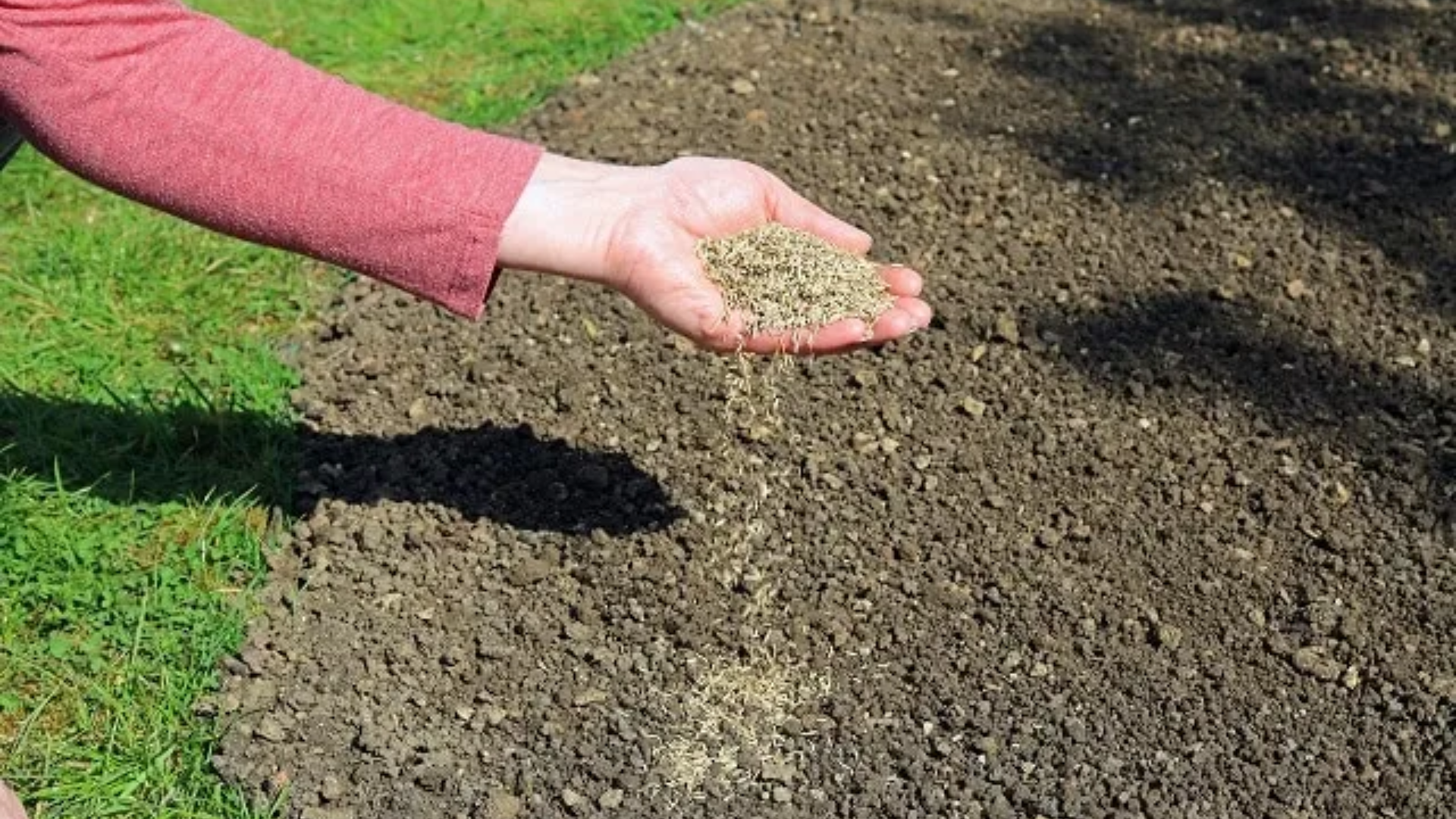
Yes, you can sprinkle grass seed on an existing lawn, a process often referred to as “overseeding.” This technique can help improve the overall health and appearance of your lawn by adding new grass varieties, filling in bare spots, and enhancing resistance to pests and diseases. However, there are several considerations to ensure successful germination and growth.
Understanding the Benefits of Overseeding
Overseeding your existing lawn can provide numerous benefits, such as:
- Improved Density: Overseeding helps thicken your lawn, making it more lush and green.
- Disease Resistance: By introducing different grass varieties, you can enhance the lawn's ability to withstand diseases.
- Filling Bare Spots: It can effectively cover up areas that have become bare or thinner over time.
Choosing the Right Grass Seed
Selecting the appropriate type of grass seed is crucial for a successful overseeding process. Consider the following factors:
- Climate Compatibility: Choose a grass variety that thrives in your local climate conditions.
- Sunlight Exposure: Select seeds that match the sunlight conditions of your lawn (full sun, partial shade, etc.).
- Growth Habit: Look for seeds that are compatible with the existing grass to ensure uniformity in texture and color.
Preparing Your Lawn for Overseeding
Proper preparation is key to achieving good seed-to-soil contact and ultimately, successful germination. Follow these steps:
- Mowing: Mow your existing grass slightly shorter than usual to allow for better seed penetration.
- Raking: Use a rake to loosen the top layer of soil, which helps the seeds make contact with the soil.
- Weed Control: Address any weeds beforehand; excessive weeds can compete with new seeds for nutrients.
Applying the Seed
When you're ready to apply the grass seed, keep these tips in mind:
- Even Distribution: Use a broadcast spreader to ensure an even application of the grass seed across the lawn.
- Recommended Rate: Apply the seed at the recommended rate specified on the seed packaging to avoid overcrowding or insufficient coverage.
- Topdressing: Consider applying a thin layer of compost or soil to improve seed-to-soil contact and provide nutrients.
Aftercare for Overseeded Lawns
The care given to an overseeded lawn is critical for the grass seeds to thrive:
- Watering: Maintain consistent moisture in the soil without overwatering, which can lead to runoff or seed displacement.
- Fertilization: Apply a starter fertilizer to provide the essential nutrients needed for seed germination.
- Avoiding Traffic: Minimize foot traffic on the overseeded areas until the new grass is well-established.
Can I just put grass seed over dead grass?

Yes, you can put grass seed over dead grass, but the success of this method largely depends on several factors including the condition of the existing grass, the type of grass seed used, and the preparation of the soil. Simply scattering grass seed over dead grass without preparing the area may not yield optimal results, as the dead material can hinder seed-to-soil contact, which is essential for germination. Here are some important steps and considerations for overseeding over dead grass.
Preparation of the Area
Proper preparation is crucial when overseeding over dead grass. This involves a few steps:
- Remove dead grass: Raking the dead grass can create a better seedbed.
- Moisten the soil: Water the area lightly before overseeding to promote seed germination.
- Test soil pH: Ensuring the soil has a neutral pH can help new grass establish more easily.
Choosing the Right Grass Seed
Selecting the appropriate type of grass seed is essential for successful overseeding:
- Type of grass: Choose a variety that matches your current lawn type.
- Climate compatibility: Ensure the seed is suited for your local climate.
- Seed quality: Use high-quality seed to increase the chances of healthy growth.
Timing of Overseeding
The timing of your overseeding efforts can significantly influence your results:
See also:
- Seasonal considerations: Fall is typically the best time to overseed cool-season grasses.
- Weather conditions: Keep an eye on the forecast; mild, moist conditions are ideal.
- Growth cycle: Consider the growth cycle of the grass you’re planting for optimal timing.
Proper Seeding Techniques
Using the right technique when seeding can enhance seed-to-soil contact:
- Broadcast the seeds: Use a spreader for even distribution.
- Lightly rake: After sowing, lightly rake the area to cover the seeds.
- Roll the soil: Consider using a roller to ensure good soil contact with the seeds.
Post-Seeding Care
After overseeding, maintaining proper care is crucial for growth:
- Watering: Keep the soil consistently moist but not soggy.
- Fertilization: Apply a starter fertilizer to provide essential nutrients.
- Avoid heavy foot traffic: Limit movement on the area until new grass establishes.
Do I need to remove old grass before seeding?

When considering whether to remove old grass before seeding, the decision largely depends on several factors including the condition of the existing grass, the type of new seeds you plan to use, and the ultimate goals for your lawn. Here are some detailed considerations:
Assessing the Condition of the Old Grass
Evaluating the condition of the existing grass is crucial before deciding to seed. If your old grass is healthy and only needs a few patches, overseeding could be a viable option. Conversely, if the grass is dead, excessively weedy, or suffering from disease, it is better to remove it before seeding.
- Healthy Grass: If it is in good shape, overseeding may be sufficient.
- Weed Infestation: High levels of weeds will hinder new grass growth and should be removed.
- Diseased Lawn: A compromised lawn often requires complete removal to prevent spreading issues to new seeds.
Types of Grass Seed
Different types of grass seed have varying requirements for germination. Some grass seeds can thrive well when sown over existing grass, while others may need a bare surface to establish strong roots.
- Turf-Type Fescue: This type can often be successfully overseeded without removing old grass.
- Bermudagrass: It typically requires a clean surface for optimal growth.
- Perennial Ryegrass: It can sometimes be overseeded but might benefit from soil exposure for better germination.
Soil Health Considerations
The health of your soil greatly affects the success of new seeds. If the old grass has led to compacted soil or poor drainage, it might be necessary to remove it to allow better soil aeration and penetration of nutrients for the new grass.
- Compaction: If the soil is compacted, you should consider tilling or removal for better air and water penetration.
- Nutrient Deficiency: The soil may need to be amended with fertilizers after old grass removal.
- pH Levels: Testing the soil pH can also indicate whether the old grass is affecting soil quality.
Timing for Seeding
The timing of seeding plays a critical role in the decision to remove old grass. Early spring or early fall are often the best times to seed your lawn, but if the existing grass is not suitable for your timing, removal might be necessary.
- Spring Seeding: Works well if old grass can be removed in late winter.
- Fall Seeding: It’s advantageous to remove old grass at the end of summer before new seeds are sown.
- Weather Conditions: Ensure conditions are appropriate for either overseeding or complete removal to optimize seed germination.
Long-Term Lawn Goals
Your long-term objectives for the lawn will also influence whether to remove the old grass. If you desire a perfect, lush lawn, starting with a clean slate often yields the best results.
- Uniform Appearance: Removing old grass can facilitate a more uniform lawn.
- Type of Grass Desired: You may have long-term intentions to convert to a different grass type, necessitating removal.
- Maintenance Practices: Consider how much time you are willing to invest in lawn care moving forward.
Questions from Our Readers
Can you sprinkle grass seed on top of existing grass?
Yes, you can sprinkle grass seed on top of existing grass, a method known as overseeding. It helps to improve lawn density and can introduce new grass varieties that are more resistant to pests and diseases. However, it's essential to ensure that the existing grass is healthy and that the seeds are compatible with it.
What is the best time to overseed existing grass?
The best time to overseed existing grass typically depends on the type of grass you have. For cool-season grasses, early spring or early fall are ideal, while warm-season grasses benefit from overseeding in late spring or early summer. Timing is crucial for ensuring optimal seed germination and growth.
How do you properly prepare the lawn before overseeding?
Before overseeding, it's vital to prepare the lawn adequately by mowing the existing grass shorter, removing debris, and aerating the soil. Aeration helps the seeds make contact with the soil and promotes better water and nutrient absorption, which is vital for successful germination.
Should you water after applying grass seed?
Yes, it is essential to water after applying grass seed to help the seeds begin germination. Initially, you should keep the soil consistently moist but not waterlogged, and gradual watering will promote strong root development and establish the new grass effectively.
See also:
If you want to read more articles like Can You Sprinkle Grass Seed on Top of Existing Grass? Tips for a Lush Lawn, we recommend you check out our Lawn category.
Leave a Reply
Related Articles