Can You Screw a Trellis to a Neighbour's Fence? A Complete Guide to Legal and Practical Considerations

When it comes to gardening and creating outdoor spaces, trellises can enhance both aesthetics and functionality. However, homeowners often face the dilemma of whether they can screw a trellis to a neighbor's fence. This article delves into the legal and practical considerations of attaching a trellis in such a manner, addressing property rights, local regulations, and potential neighborly disputes. Understanding these aspects is crucial for anyone looking to expand their gardening projects responsibly. Join us as we explore the necessary guidelines and tips to ensure your trellis installation remains harmonious and compliant with legal standards.
- Can You Screw a Trellis to a Neighbour's Fence?
- Can a neighbour attach trellis to my fence?
- Can I attach a trellis to my fence?
- Can someone drill into my fence?
- Can I put up a privacy screen on my side of the fence?
- Questions from Our Readers
- Can I screw a trellis to my neighbour's fence without permission?
- What should I do if my neighbour doesn't want me to attach a trellis to their fence?
- Are there any legal implications of attaching a trellis to a neighbour's fence?
- What are the best practices for installing a trellis near a neighbour's fence?
Can You Screw a Trellis to a Neighbour's Fence?
When considering whether you can screw a trellis to a neighbour's fence, it is essential to understand local property laws and ownership rights. Generally, you cannot make permanent alterations to someone else's property without their permission. This includes attaching a trellis, which could arguably become a part of the neighbour's fence. Before proceeding, it is advisable to consult local regulations or the homeowners' association (if applicable) to ensure compliance, and it is always best practice to discuss your plans with your neighbour to gain their consent.
Understanding Property Boundaries
Understanding property boundaries is crucial before making any alterations. Often, fences are constructed on or near the dividing line between two properties. It is important to confirm where these boundaries lie to prevent disputes. You may want to refer to your property deed or consult a land surveyor to establish your property line clearly.
Legal Implications of Altering a Neighbour's Fence
Altering a neighbour's fence without permission can lead to potential legal issues, including claims of trespass or property damage. In many jurisdictions, you are required to obtain consent before making any annexations or modifications to another party's structure. Not obtaining permission could result in legal actions that may be costly and prolong neighborly disputes.
The Importance of Communication with Neighbours
Open communication with your neighbours is vital when considering attaching a trellis to their fence. Approaching your neighbour with your proposal and discussing the benefits and your intentions can lead to a more amicable arrangement. Clear dialogue can help avoid misunderstandings, allowing both parties to express their concerns and expectations.
Alternatives to Attaching a Trellis
If obtaining permission is challenging, consider alternative options such as building a freestanding trellis on your side of the fence. This allows you to achieve your aesthetic and practical needs without infringing on your neighbour’s property rights. A freestanding structure can still serve as a support for climbing plants while keeping the peace with your neighbour.
Consulting Local Regulations
Before making any alterations, it is wise to consult local zoning regulations and codes that apply to property modifications. Many municipalities have specific rules regarding the height and appearance of fences and trellises. Understanding these local regulations can prevent future disputes and legal troubles related to property modifications.
| Consideration | Details |
|---|---|
| Property Rights | Understanding who owns the fence and the implications of altering it. |
| Legal Issues | Potential legal ramifications linked to unauthorized changes. |
| Communication | The significance of discussing plans with your neighbour beforehand. |
| Alternatives | Building a standalone structure instead of attaching to existing fences. |
| Local Regulations | Consulting local laws regarding property modifications. |
Can a neighbour attach trellis to my fence?
When considering whether a neighbour can attach a trellis to your fence, there are several important factors to take into account. Generally, property boundaries and ownership rights play a significant role in such decisions. It is essential to understand the legal implications and the potential for neighbourly disputes arising from such actions.
Understanding Property Boundaries
Determining where your property ends and your neighbour's property begins is crucial before any modifications are made to a fence.
- Check your property deeds: These documents often specify the exact boundaries of your property.
- Consult a professional surveyor if the boundaries are unclear, ensuring accurate information before taking any action.
- Consider any local zoning laws that may affect fencing and trellis installation.
Legal Implications
In many regions, laws regarding fences and trellises can differ widely. It is important to be aware of the legal framework surrounding such modifications.
- Many jurisdictions require permission from the fence owner before any modifications can be made.
- Local ordinances might dictate how high a trellis can be built or impose other restrictions on its installation.
- Consult with local authorities or a legal expert if there is a dispute regarding the rights to attach a trellis.
Communication with Your Neighbour
Maintaining a good relationship with your neighbour can often prevent misunderstandings and disputes regarding property modifications.
- Start by having an open discussion about their desire to attach a trellis to your fence.
- Listen to their reasons and express your concerns, focusing on the implications for both parties.
- Consider reaching a mutual agreement that may benefit both sides, such as sharing costs or agreeing on the installation process.
Potential Impact on Your Fence
It's important to consider how attaching a trellis will affect your fence structurally and aesthetically.
See also:
- Assess whether your fence can support the additional weight of a trellis and any plants that may grow on it.
- Consider how the appearance of the trellis may affect your view or the overall aesthetics of your property.
- Determine if attaching a trellis might lead to future maintenance issues for your fence due to moisture retention or increased plant growth.
Alternatives to Neighbourhood Attachments
If attaching a trellis directly to your fence is not feasible or agreeable, there are alternative solutions to consider.
- They could construct a free-standing trellis on their side of the fence, ensuring it does not encroach on your property.
- Discuss options for planting climbing plants that do not require a trellis or support structure.
- Explore designs that could create a visual barrier without needing to attach anything to your fence.
Can I attach a trellis to my fence?
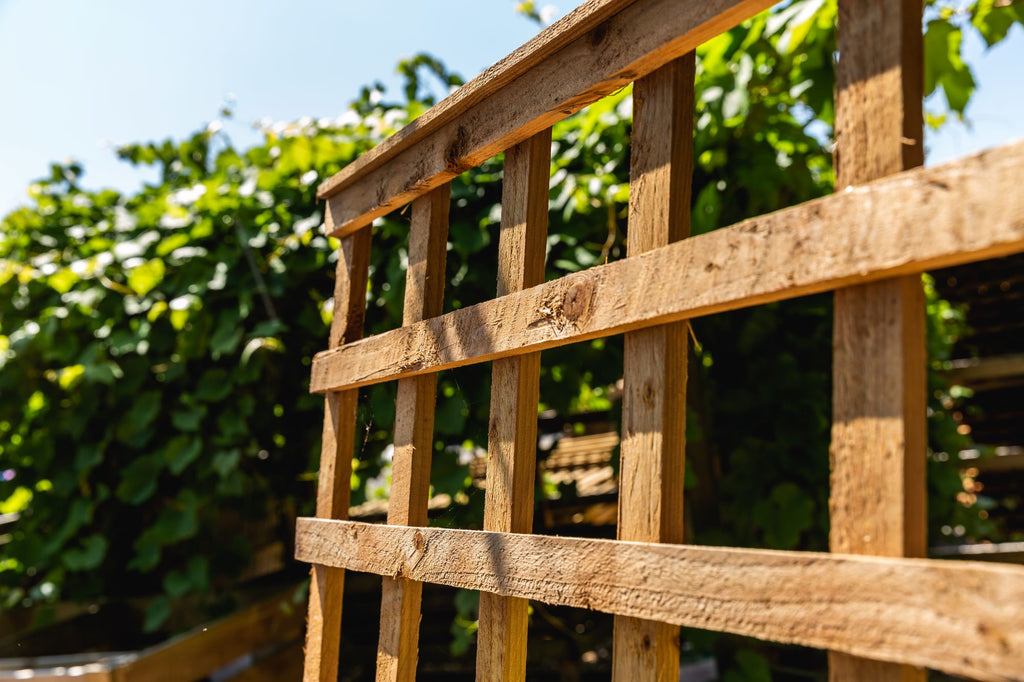
Yes, you can attach a trellis to your fence, but there are several factors to consider before doing so. A trellis can serve as a support structure for climbing plants, adding beauty and height to your garden. However, it is important to ensure that the attachment is done properly to avoid any potential issues with your fence or surrounding area.
Legal Considerations
Before attaching a trellis to your fence, it's essential to check local regulations and property laws. Some neighborhoods have specific guidelines regarding structures built on or attached to fences.
- Homeowners Associations (HOA): Many communities have rules that limit what can be attached to a fence.
- City Ordinances: Local laws may require permits for certain structures.
- Property Lines: Ensure that the trellis does not encroach upon your neighbor’s property.
Types of Trellis
There are various types of trellis designs and materials, which might influence your decision on how to attach it to your fence.
- Wooden Trellis: This can be easily attached with screws or brackets and offers a classic appearance.
- Metal Trellis: Often more durable, metal trellises require special hardware such as anchors or rivets for attachment.
- Plastic Trellis: Lightweight and easy to handle, they can be attached using zip ties or small screws.
Attachment Methods
There are several methods to securely attach a trellis to your fence to ensure durability and stability.
- Brackets: Metal brackets can provide a strong connection between the trellis and fence.
- Screws: Using wood or lag screws allows for a tight fastening that can withstand wind and weight.
- Zip Ties: Ideal for lightweight trellises, zip ties offer a quick and easy way to secure them.
Maintenance Considerations
Once a trellis is attached, consider the maintenance required for both the trellis and fence. Regular maintenance ensures that both structures remain secure and visually appealing.
- Inspect for Damage: Regularly check for any signs of wear or damage to both the trellis and fence.
- Paint or Stain: Maintain the wood elements to prolong their life and aesthetics.
- Weed Control: Keep the base clear of weeds that might interfere with the trellis structure.
Plant Selection
Choosing the right plants for your trellis can enhance the overall look and function of both the trellis and fence.
- Climbing Roses: These can add a stunning visual element and require sturdy support.
- Bean Plants: Great for vegetable gardens, they grow quickly and are relatively easy to manage.
- Honeysuckle or Ivy: These are perennial favorites for creating lush wall coverage.
Can someone drill into my fence?

Yes, someone can drill into your fence, but there are several factors to consider before proceeding. Drilling into a fence may involve issues related to property rights, local regulations, and potential damage to the fence itself. Understanding these aspects will help you determine the appropriateness and legality of drilling into a fence.
Understanding Property Rights
When considering whether someone can drill into your fence, it is essential to understand your property rights. Fences often represent a boundary between properties, and the rights regarding modifications can vary based on local laws and agreements between neighbors.
- Private property ownership gives you the right to make changes to your fence.
- Consult with your neighbor if you both share the fence to avoid disputes.
- Review any property deeds or rights of way that may affect your ability to drill.
Local Regulations and Permissions
Before drilling into a fence, it is crucial to check with local regulations. Many municipalities have specific guidelines regarding what can be done to fences, especially if the fence is on the property line or if it falls within certain zoning areas.
- Verify with local authorities if there are permit requirements for modification.
- Understand any community homeowners’ association (HOA) rules that may regulate changes.
- Research any historic preservation guidelines if your property is located in a historic district.
Potential Damage to the Fence
Drilling into a fence can cause physical damage, which may negatively impact its structural integrity and appearance. This is particularly important if the fence is made of wood, vinyl, or any other material that can be compromised.
See also:
- In drilling, be cautious of splitting or cracking the material.
- Consider the effect of water penetration through newly created holes, leading to rot or rust.
- Assess whether drilling will affect the warranty or longevity of the fence.
Neighbor Relations
If someone else wants to drill into a fence that you share, it is essential to maintain good neighbor relations. A respectful approach will help in ensuring that both parties are satisfied with the decision and process involved.
- Discuss the purpose of drilling to reach a mutual agreement.
- Seek to mitigate any concerns your neighbor has regarding the alteration.
- Document the agreement in case of future disputes over the changes made.
Alternatives to Drilling
In some scenarios, alternatives to drilling may be more appropriate and preserve the integrity of the fence. These methods can also be more beneficial for maintaining a good neighbor relationship.
- Use adhesive hooks or non-invasive mounting options to attach items.
- Consider free-standing structures or decorative elements that do not require attachment to the fence.
- Explore landscape options that can provide functionality or aesthetics without damage to the fence.
Can I put up a privacy screen on my side of the fence?

Yes, you can generally put up a privacy screen on your side of the fence, but there are a few considerations to keep in mind. The legality and regulations regarding privacy screens can vary depending on your local ordinances, homeowner association (HOA) rules, and the specific agreement with your neighbor. It's important to check these regulations to avoid disputes or potential removals.
Understanding Local Regulations
When considering a privacy screen, it's crucial to understand the local regulations governing fences and privacy structures. These guidelines may dictate the height, materials, and placement of the screen.
- Height Restrictions: Some areas have limits on how tall a privacy screen can be.
- Materials: Local laws may specify allowable materials for constructing screens.
- Permits: Certain modifications may require permits, which you should obtain before proceeding.
Homeowner Association Rules
If you live in a community governed by a homeowner association (HOA), you will need to review their rules. HOAs often have strict guidelines regarding aesthetics and property modifications.
- Architectural Approval: Many HOAs require you to submit plans for approval before installing a screen.
- Design Restrictions: There may be limitations based on style or color to maintain neighborhood uniformity.
- Maintenance Standards: HOAs usually require you to keep your privacy screen in good condition.
Neighbor Considerations
It's advisable to communicate with your neighbors before installing a privacy screen, as their opinion may be important, especially if they feel it affects their view or property.
- Open Communication: Discuss your intentions with your neighbors to avoid potential disputes.
- Mutual Agreements: Consider reaching an agreement that satisfies both parties.
- Respect Property Lines: Ensure your installation does not cross over into your neighbor’s property.
Choosing the Right Type of Screen
Depending on your needs, there are various types of privacy screens you can consider. These differ in aesthetics, function, and ease of installation.
- Fixed Screens: Permanent installations made of wood, vinyl, or metal that provide a solid barrier.
- Portable Screens: Options like folding or rolling privacy screens that can be moved as needed.
- Natural Solutions: Consider planting tall shrubs or trees that can eventually provide privacy.
Installation Tips
When ready to install a privacy screen, there are best practices to follow to ensure the process goes smoothly.
- Measure Carefully: Ensure proper measurements so the screen fits well along the fence line.
- Secure Fastening: Use appropriate materials to secure the screen, especially in windy areas.
- Follow Installation Guidelines: Adhere to any specific instructions to maximize durability and stability.
Questions from Our Readers
Can I screw a trellis to my neighbour's fence without permission?
No, it is not advisable to screw a trellis to a neighbour's fence without their permission. Doing so can lead to disputes and potential legal issues, as the fence is considered their property. Always seek agreement before making any alterations.
What should I do if my neighbour doesn't want me to attach a trellis to their fence?
If your neighbour is against you attaching a trellis, you should respect their wishes and look for other options. Consider installing the trellis on your side or explore alternative solutions that do not involve their property, fostering good neighbourly relations.
Are there any legal implications of attaching a trellis to a neighbour's fence?
What are the best practices for installing a trellis near a neighbour's fence?


If you want to read more articles like Can You Screw a Trellis to a Neighbour's Fence? A Complete Guide to Legal and Practical Considerations, we recommend you check out our Trellis category.
Leave a Reply
Related Articles