Can You Remove Grass Trees from Private Property? A Complete Guide to Legal and Practical Considerations

Grass trees, known for their distinctive appearance and ecological importance, can sometimes become a contentious issue for property owners. As these unique plants can be protected by various laws and regulations, it's essential to understand both the legal and practical considerations before deciding to remove them from private property. This comprehensive guide will explore the implications of grass tree removal, covering relevant legislation, ecological impacts, and the steps necessary to ensure compliance with local laws. Whether you're looking to clear space for landscaping or simply manage your property, understanding these factors is crucial for making informed decisions.
Can You Remove Grass Trees from Private Property?
Removing grass trees, also known as Xanthorrhoea, from private property varies depending on local regulations and environmental considerations. In many regions, these unique plants are protected due to their ecological significance, so homeowners may not have the right to remove them without prior approval or permits. Additionally, removal can negatively impact the habitat for local wildlife and disrupt the natural landscape. It is essential to check with local authorities or environmental agencies to understand the legal restrictions and guidelines before attempting to remove any grass trees.
Legal Considerations for Removal
Before undertaking the removal of grass trees, it is crucial to be aware of the legal implications that may apply. Many areas have specific laws protecting native vegetation, including grass trees, which are considered important to biodiversity. Homeowners should consult their local council or environmental conservation office to determine if permits are required for removal, as fines and penalties may be imposed for illegal removal.
Ecological Importance of Grass Trees
Grass trees play a vital role in the ecosystem as they provide habitat and food for various species of wildlife. They are vital for soil stabilization and contribute to the overall health of the environment. Their deep roots help prevent erosion, and they are often used in fire management practices. Understanding their ecological importance may influence a homeowner's decision regarding removal.
Alternatives to Removal
Instead of removing grass trees, property owners may consider alternatives such as relocation or pruning. If the trees pose a safety hazard or obstruct pathways, consulting with a professional arborist can provide solutions for their safe relocation. Pruning can also help manage their size while keeping the plants intact, thereby preserving their ecological benefits.
Cost Implications of Removal
The costs associated with removing grass trees can vary widely depending on the size and location of the trees, as well as any necessary permits or compliance with local regulations. Hiring a professional removal service may incur additional charges, and the potential fines for unauthorized removal can be substantial. It is essential for homeowners to budget for these expenses if they decide to proceed.
Community Perspectives on Grass Trees
Community attitudes towards grass trees can differ widely, often depending on a region's cultural and environmental values. In some communities, grass trees are seen as part of the heritage and are valued for their beauty and historical significance. Engaging with community groups or local conservation organizations can provide insights into the community's stance and the importance of grass trees in local culture.
| Aspect | Details |
|---|---|
| Legal Status | Varies by region; often protected under local laws. |
| Ecological Role | Supports wildlife, prevents erosion, and aids fire management. |
| Cost | Removal can be expensive; fines may apply for unauthorized actions. |
| Community Views | Varies; often regarded as important cultural and environmental assets. |
| Alternatives | Pruning or relocating instead of removal. |
Do you need permission to cut down trees in your yard?
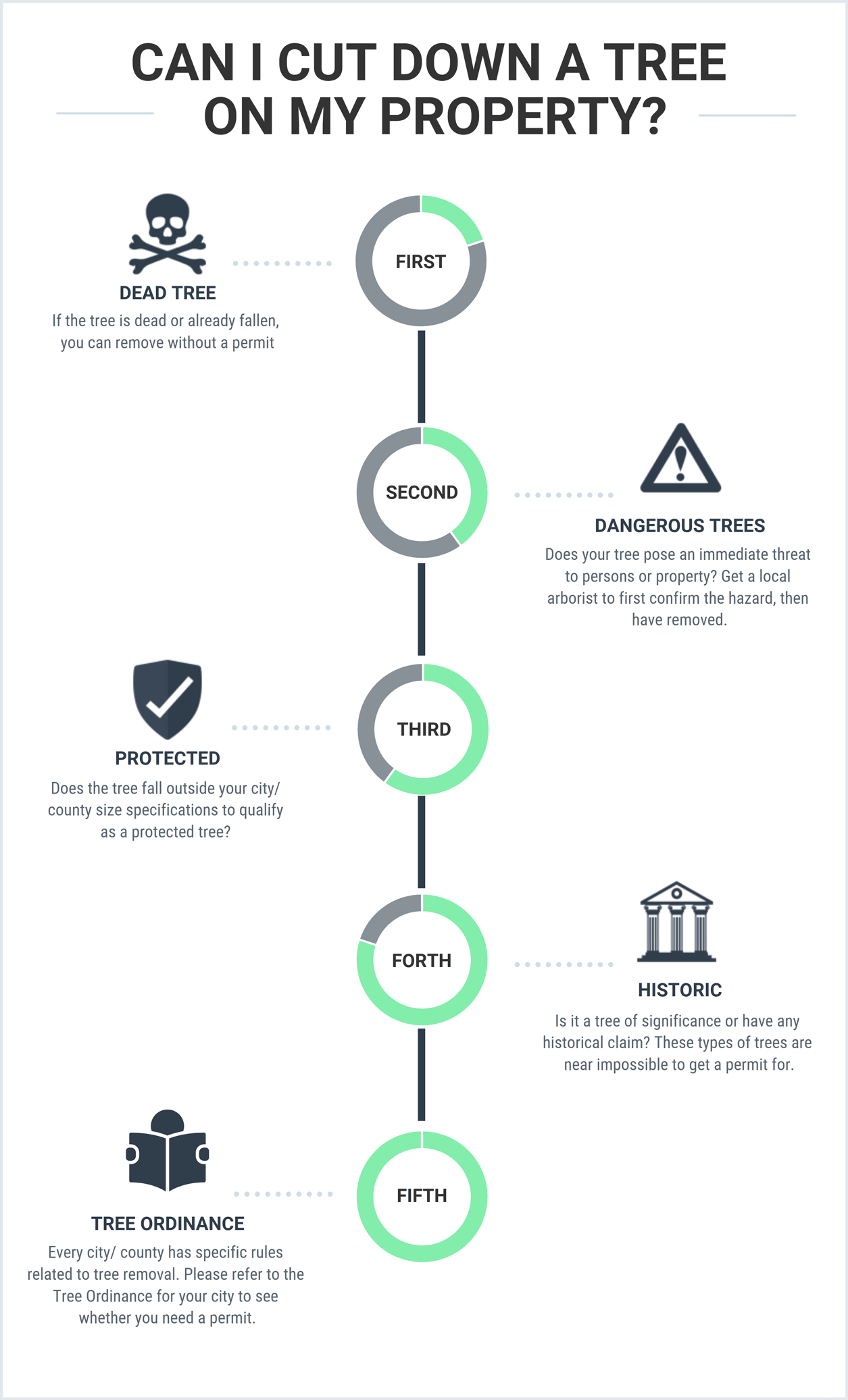
When considering whether you need permission to cut down trees in your yard, the answer largely depends on several factors. Firstly, local laws and regulations may dictate if you need a permit to remove a tree. Additionally, the type of tree and its location can influence whether permission is required. Here are some essential points to consider.
Understanding Local Regulations
Local governments often have specific regulations regarding tree removal to protect urban forestry. It's crucial to understand the laws in your area as they may vary significantly.
- Check with your local municipality or zoning office for any specific ordinances.
- Some areas have tree preservation ordinances that could affect your decision.
- Homeowners associations (HOAs) may also have their own rules regarding tree removal.
Types of Trees
The type of tree can play a significant role in determining the need for permission. Certain trees, particularly those that are protected or considered native species, may have additional restrictions.
- Protected trees often include large old-growth specimens or rare species.
- Check if the tree in question is on any endangered species list.
- Some types of trees may require specific procedures for removal due to legal protections.
Tree Location
The location of the tree can also affect whether you need permission. Trees located near property lines or in designated public areas may have additional restrictions.
- If the tree is close to a sidewalk or road, local laws may require you to obtain permission.
- Trees that are part of a buffer zone or green space may also need special considerations.
- Some municipalities regulate the removal of trees on historic properties.
Removing a tree without the necessary approval can lead to various consequences, which can include fines or the need to replace the tree.
See also:
- Fines for unauthorized removal can be significant and vary by location.
- You might be required to plant new trees as mitigation for removing existing ones.
- Unauthorized removal can lead to disputes with neighbors or legal issues.
Steps to Take Before Cutting Down a Tree
Before proceeding to cut down a tree, there are several steps you should undertake to ensure you are following the law, protecting your property, and maintaining good relations with the community.
- Consult with your local authorities about the regulations in your area.
- Consider having the tree assessed by a professional to determine its health and potential hazards.
- Document the reasons for removal, especially if the tree poses a risk or is unhealthy.
How much does it cost to have trees removed from your property?

The cost to have trees removed from your property can vary significantly based on several factors. On average, homeowners can expect to pay between $200 and $2,000 per tree, depending on the size, location, condition, and type of tree, along with additional factors such as accessibility and disposal requirements. Here are key elements that influence the costs associated with tree removal.
Factors Affecting Tree Removal Costs
Different factors can impact the overall price of tree removal. Understanding these can help you budget better for the service.
- Tree Size: Larger trees generally cost more to remove due to the complexity and risk involved.
- Tree Condition: Healthy trees may present fewer challenges compared to dead or diseased ones, which might require special handling.
- Location: Trees that are close to structures or power lines will require more careful removal and potentially higher costs.
Average Costs by Tree Size
Tree size plays a crucial role in determining the cost of removal. Here’s a general breakdown based on trunk diameter.
- Small Trees (up to 20 feet): Typically range from $200 to $500.
- Medium Trees (20 to 50 feet): Usually cost between $500 and $1,200.
- Large Trees (over 50 feet): Can range from $1,200 to $2,000 or more.
Additional Costs to Consider
Beyond the basic removal cost, there may be additional fees to consider that can affect the total expense.
- Stump Removal: This service can add $75 to $300 to your bill.
- Debris Disposal: Some companies charge for removal and cleanup of branches and leaves.
- Permits: In certain areas, you might need a permit for removal, which can add costs.
DIY vs. Hiring Professionals
Choosing between doing it yourself and hiring professionals can significantly affect costs and safety.
- DIY Costs: While it may save money upfront, the risks and equipment costs can make it more expensive.
- Professional Services: Although hiring experts can be pricier, they come with insurance and experience.
- Safety Concerns: Professionals are better equipped to handle dangerous trees, ensuring safety for both you and your property.
Seasonal Considerations
The time of year can also affect the cost of tree removal.
- Peak Season: Spring and summer often see higher costs due to demand.
- Off-Peak Seasons: Late fall or winter may be cheaper as tree care companies usually have less work.
- Weather Conditions: Inclement weather can delay removals and lead to increased costs.
Can I remove a tree from my yard?
Yes, you can remove a tree from your yard, but it involves several important considerations. The process might vary depending on the size and type of the tree, as well as local regulations and environmental factors. Here are some key points to consider before proceeding with the removal:
Understanding Local Regulations
It's crucial to check local laws and regulations regarding tree removal. Many municipalities have rules that protect certain species of trees or require permits for removal.
- Consult the local government: Look for any city or county regulations concerning tree removal.
- Identify protected species: Certain trees may be protected under local laws, making it illegal to remove them without a permit.
- Review homeowners association rules: If you live in a planned community, there may be additional restrictions regarding landscaping and tree removal.
Assessing the Tree’s Condition
Before deciding to remove a tree, it's essential to assess its health and stability. A tree in poor condition may pose risks, while a healthy tree may need preservation.
- Look for signs of disease: Check for unusual growths, dead branches, or discoloration.
- Evaluate stability: Determine if the tree has a risk of falling or if its roots are compromised.
- Consider the tree's contribution: Healthy trees often provide shade, beauty, and wildlife habitats.
Safety Considerations for Removal
Tree removal can be dangerous, so safety must be a priority. If you decide to proceed, be aware of potential hazards during the removal process.
See also:
- Use proper equipment: Ensure you have the necessary tools, such as chainsaws, safety gear (helmets, goggles), and ropes.
- Clear the area: Make sure the surrounding area is free of obstacles, and notify neighbors about the work being done.
- Consider hiring professionals: If the tree is large or poses significant risks, it's often best to hire experienced tree removal services.
Cost Factors in Tree Removal
The cost of removing a tree varies widely based on various factors, including the tree's size, location, and the complexity of the job.
- Size of the tree: Larger trees generally cost more to remove due to their height and the equipment needed.
- Accessibility: Trees located in difficult-to-reach areas may incur higher costs due to extra labor and equipment.
- Disposal fees: Consider costs associated with the disposal of the tree and any debris.
Post-Removal Considerations
After removing a tree, there are several factors to consider regarding what to do next with the space and the remaining roots.
- Filling the hole: Consider filling the hole left by the tree with soil to avoid hazards and unsightly gaps.
- Landscaping options: Think about replanting new trees, shrubs, or gardening to restore the aesthetic of your yard.
- Monitoring for regrowth: Keep an eye on any remaining roots or shoots that may need to be managed after removal.
Can landscapers remove small trees?
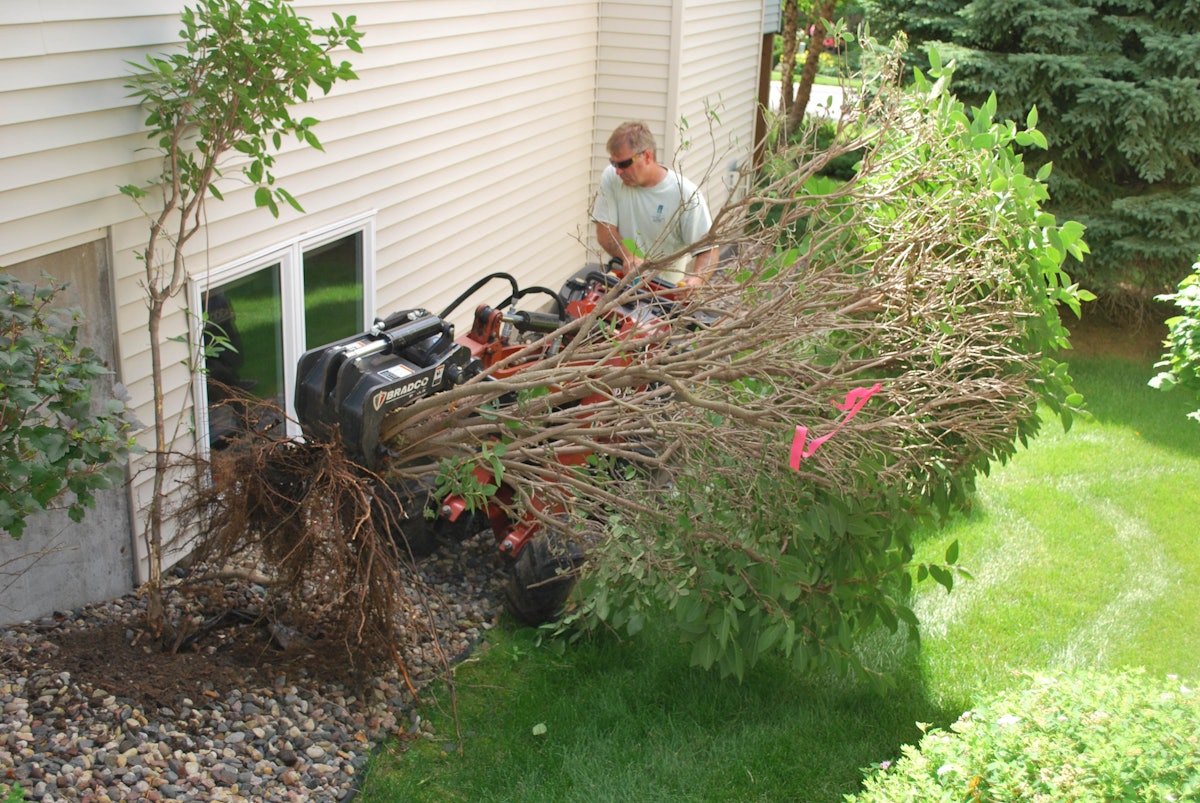
Yes, landscapers can indeed remove small trees. The process of removing small trees typically involves several steps and considerations that landscapers are well-prepared to handle. Here is a detailed explanation regarding the removal of small trees by landscapers, along with related subsections.
Reasons for Removing Small Trees
Removing small trees can be necessary for a variety of reasons, including:
- Health Issues: Trees that are diseased or infested with pests may need removal to prevent the spread to healthy plants.
- Aesthetic Preferences: Homeowners may wish to change their landscape design, requiring the removal of certain trees.
- Safety Concerns: Trees that pose a risk to structures or power lines may have to be removed to mitigate potential hazards.
Techniques Used by Landscapers
Landscapers employ a range of techniques to effectively remove small trees. These techniques can include:
- Manual Removal: For very small trees, landscapers may simply pull them out of the ground by hand or use basic tools.
- Cutting: Landscapers typically use chainsaws, handsaws, or loppers to cut the tree down at the base.
- Stump Removal: After cutting, they often remove the stump either by grinding or excavating to prevent regrowth.
Considerations During Removal
There are several important factors landscapers consider during the removal process, such as:
- Location: The positioning of the small trees relative to nearby structures and plants can influence the method of removal.
- Soil Type: The condition and type of soil can affect how easily a tree can be uprooted.
- Permits and Regulations: Some areas require permits for tree removal, which must be adhered to before starting the job.
Benefits of Professional Removal
Hiring professionals for small tree removal offers a range of advantages including:
- Expertise: Landscapers have the necessary knowledge and skills to remove trees safely and efficiently.
- Equipment: Professionals have access to specialized tools and machinery that facilitate a quicker and safer removal process.
- Waste Management: After removal, landscapers can often handle the disposal of the tree debris, making the process easier for homeowners.
Aftercare Following Removal
Post-removal care is essential for maintaining the landscape, which may involve:
- Soil Treatment: Enhancing the soil quality where the tree was removed to promote healthy growth of new plants.
- Replanting: Homeowners may want to plant new trees or shrubs in the area to fill the space after the removal.
- Monitoring: Keeping an eye on the surrounding area for any new growth from the stump or roots to manage effectively.
Questions from Our Readers
Can you remove grass trees from private property?
Yes, you can remove grass trees from private property, but it is important to check local regulations and laws first, as some areas may have protections for certain native species. Always consider consulting with a professional before proceeding.
Are there any permits required to remove grass trees?
In many regions, you may need to obtain permits to remove grass trees, especially if they are classified as protected species. It is advisable to contact your local environmental agency or council for specific requirements in your area.
What is the best method to remove grass trees?
The best method to remove grass trees involves using a combination of cutting and digging to ensure that the root system is fully extracted. Properly following guidelines can help prevent damage to surrounding vegetation and minimize environmental impact.
What should I do if I want to remove grass trees for landscaping?
If you want to remove grass trees for landscaping purposes, it is essential to consider alternative options that respect local ecology. Engaging a landscaping professional skilled in native flora can help you achieve your goals while preserving the local ecosystem.
See also:

If you want to read more articles like Can You Remove Grass Trees from Private Property? A Complete Guide to Legal and Practical Considerations, we recommend you check out our Landscaping category.
Leave a Reply
Related Articles