Can You Put Too Much Chicken Manure in Soil? Understanding the Risks and Benefits
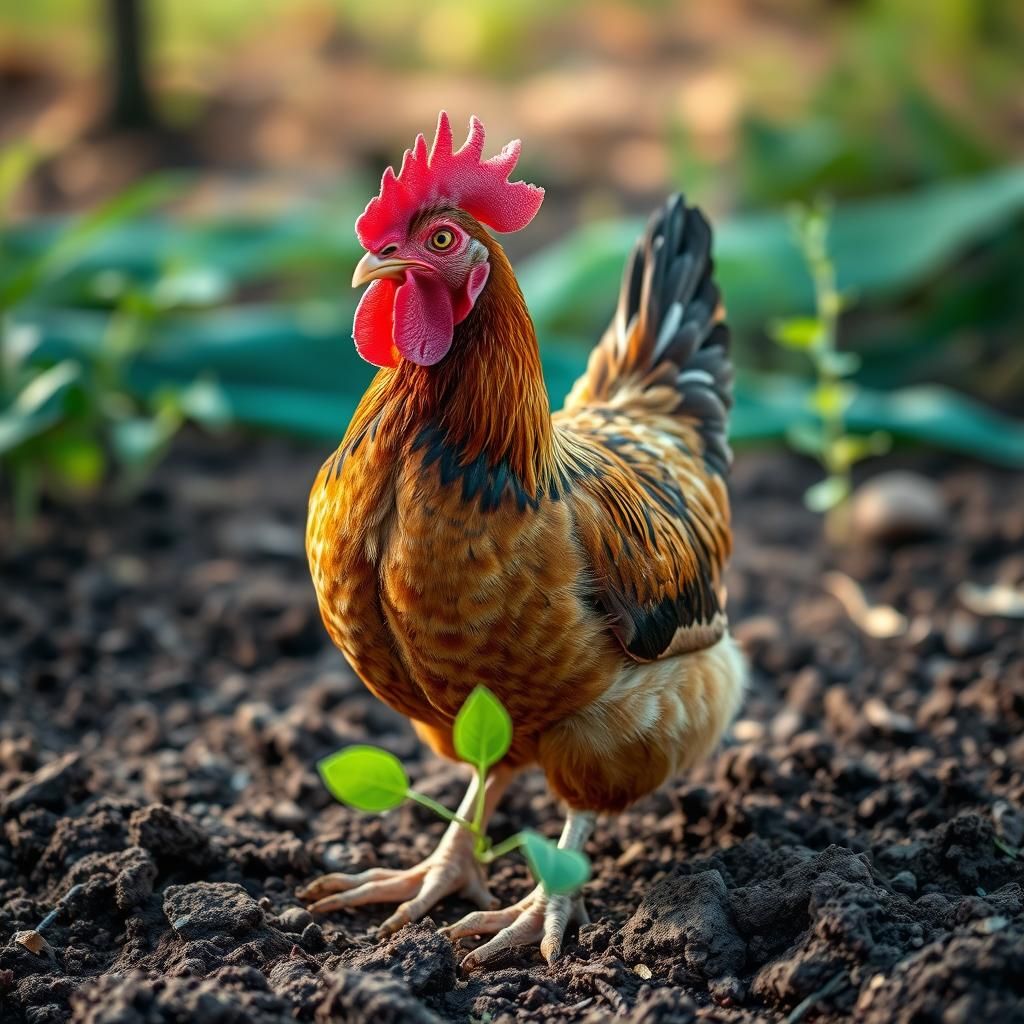
Chicken manure is a popular organic fertilizer known for its rich nutrient content, offering gardeners a natural way to enhance soil fertility. However, while it can significantly boost plant growth, the question arises: can you put too much chicken manure in soil? Understanding the balance between benefits and potential risks is crucial for any gardener looking to utilize this potent resource. This article will explore the advantages of using chicken manure, the potential hazards of over-application, and best practices for integrating it into your gardening routine, ensuring that your crops thrive without compromising soil health.
Can You Put Too Much Chicken Manure in Soil?
Using too much chicken manure in soil can indeed lead to several issues. While chicken manure is a highly effective fertilizer due to its rich nutrient content, applying it in excessive amounts may cause nutrient imbalances or toxicity levels that can harm plants. High concentrations of nitrogen, for instance, can burn the roots and foliage of plants, while an overload of phosphorus may lead to environmental issues such as algal blooms in nearby water bodies. It's essential to apply chicken manure judiciously, considering soil composition, the needs of specific plants, and following recommended guidelines for application rates to avoid these negative consequences.
Nutrient Composition of Chicken Manure
The nutrient composition of chicken manure is typically rich, containing significant amounts of nitrogen, phosphorus, and potassium (NPK), which are essential for plant growth. However, the levels can vary based on factors such as the age of the manure and the diet of the chickens. Understanding the NPK ratio is crucial as it helps in determining how much manure can be safely applied without exceeding the nutrient needs of the plants and avoiding nutrient leaching into the environment.
Signs of Overapplication
If too much chicken manure is applied, plants may exhibit several signs of overapplication including yellowing or browning of leaves, wilting, and stunted growth. Additionally, excessive application may lead to a build-up of salts in the soil, which can create an inhospitable environment for root development. Monitoring plant health and soil conditions is vital to ensure that the applied manure is within safe limits to prevent detrimental effects.
Environmental Impacts of Excess Manure
Excessive use of chicken manure can lead to environmental impacts such as nutrient runoff into waterways, causing eutrophication, which depletes oxygen levels and harms aquatic life. Moreover, high phosphorus levels can create imbalances in nearby ecosystems, affecting not just plant life but also Biodiversity. It is essential to manage and store chicken manure properly to minimize these risks and promote sustainable agriculture practices.
Safe Application Rates
To avoid overapplication of chicken manure, following safe application rates is vital. Generally, it's advised to apply around 20 to 30 pounds of well-composted chicken manure per 100 square feet of garden space. Soil testing can help determine the specific nutrient needs of the soil and the appropriate amount of manure to apply. Additionally, integrating crop rotation and cover crops can help balance nutrient levels naturally, reducing the dependency on heavy applications of manure.
Composting Chicken Manure
Composting chicken manure before applying it to the soil can significantly reduce the risks associated with heavy application. The composting process helps to stabilize nutrients and reduces pathogens, making the manure safer for plants and soil. Well-composted manure tends to have a more balanced nutrient ratio, minimizing the chances of nutrient burn. This practice not only enhances the benefits of fertilization but also promotes healthier soil microorganisms, contributing to overall soil health.
| Aspect | Impact |
|---|---|
| Nutrient Balance | Essential for healthy plant growth; too much can cause toxicity. |
| Soil Health | Excessive application can disrupt soil microbiomes. |
| Environmental Safety | Runoff can lead to eutrophication of water bodies. |
| Application Rates | Following guidelines is crucial to prevent overapplication. |
| Composting | Reduces risks and stabilizes nutrient content. |
What happens if I put too much chicken manure in my garden?

Putting too much chicken manure in your garden can have a variety of negative effects on both your soil health and plant growth. Chicken manure is rich in nutrients, particularly nitrogen, phosphorus, and potassium, which are essential for plant development. However, excess application can lead to nutrient imbalances and other issues.
Nutrient Burn
When too much chicken manure is applied, plants can suffer from nutrient burn, a condition caused by an excess of nitrogen. This can result in:
- Brown tips on leaves, indicating damage to the plant.
- A reduction in overall plant vigor, leading to stunted growth or death of the plants.
- Wilting, as the roots struggle to absorb water due to a high concentration of solubles.
Soil Acidification
Excessive chicken manure can lead to soil acidification, particularly if used repeatedly. This can affect:
- Microbial activity, disrupting the ecosystem of beneficial organisms in the soil.
- The availability of nutrients, as an acidic environment can lock up essential minerals like magnesium and calcium.
- Plant health, leading to poor growth or crop failure due to nutrient deficiencies.
Pathogen Risk
Applying too much chicken manure can increase the risk of pathogen contamination in the garden. Possible consequences include:
- The presence of harmful bacteria such as Salmonella or E. coli, which can affect both plants and humans.
- Compromised plant immune responses, making them more susceptible to diseases.
- Poor crop yields, as infected plants may not produce edible parts or may fail to grow entirely.
Odor Problems
Over-application of chicken manure can result in odor issues that may affect your gardening experience and neighborhood. These problems can include:
See also:
- Lingering ammonia smells, which can be unpleasant and even harmful in high concentrations.
- Attracting pests, including flies and rodents, due to the decomposing organic matter.
- Negative relationships with neighbors who may be affected by the smell.
Runoff and Leaching
When too much chicken manure is used, it can lead to runoff and leaching of nutrients into local water bodies. This poses risks such as:
- Eutrophication, where nutrient runoff leads to algal blooms that deplete oxygen and kill aquatic life.
- Contamination of drinking water supplies, making them unsafe for human consumption.
- Regulatory issues, as excess runoff could violate local environmental laws and result in penalties.
What are the disadvantages of chicken manure?

Chicken manure is a popular organic fertilizer due to its high nutrient content, but it also comes with several disadvantages that can impact its effectiveness and safety in agricultural practices. Below are some notable drawbacks associated with the use of chicken manure.
Environmental Concerns
The application of chicken manure can lead to significant environmental issues. One primary concern is nutrient runoff, which can result in water pollution. This excessive nutrient load, particularly nitrogen and phosphorus, can lead to algal blooms that deplete the oxygen in water bodies, harming aquatic life.
- Runoff risk: Manure can wash into nearby streams and rivers during heavy rain.
- Eutrophication: Excess nitrogen and phosphorus can cause rapid algae growth.
- Groundwater contamination: Leaching of contaminants can pollute drinking water sources.
Pathogen Transmission
Chicken manure is known to contain various pathogens, including bacteria and parasites that can pose health risks to humans and livestock. If not properly treated, this manure can spread diseases when applied to crops or pastures.
- Salmonella: A common bacteria found in chicken manure that can cause foodborne illness.
- Campylobacter: Another pathogen linked to poultry waste that can affect animal and human health.
- Parasites: Oocysts of parasites can survive in manure, contaminating soil and crops.
Nutrient Imbalance
While chicken manure is rich in nitrogen, it can also lead to nutrient imbalances in the soil. High nitrogen levels can cause poor plant growth and increased susceptibility to disease if not balanced with other nutrients.
- Excess nitrogen: Can lead to lush, weak growth in plants, making them more vulnerable.
- Deficiency in other nutrients: High nitrogen levels can overshadow the need for balanced fertilization.
- pH levels: Chicken manure can alter soil pH, affecting nutrient availability.
Odor Issues
The use of chicken manure can lead to significant odor problems, particularly if it is not managed properly. The strong and unpleasant smell can be a nuisance to nearby residents and may create conflicts surrounding agricultural practices.
- Amino acids and urea: Break down into ammonia, contributing to strong odors.
- Application timing: Inappropriate timing can exacerbate odor issues.
- Storage conditions: Poor storage can lead to increased odors before application.
Logistical Challenges
Utilizing chicken manure in agriculture presents various logistical challenges, particularly concerning its collection, storage, and application. These factors can complicate its effective use as a fertilizer.
- Collection: Gathering manure from poultry operations can be time-consuming and labor-intensive.
- Storage issues: Proper storage is necessary to minimize odor and nutrient losses, requiring space and management.
- Application methods: Requires appropriate technology and knowledge to apply manure effectively without causing harm.
How much chicken manure to add to soil?
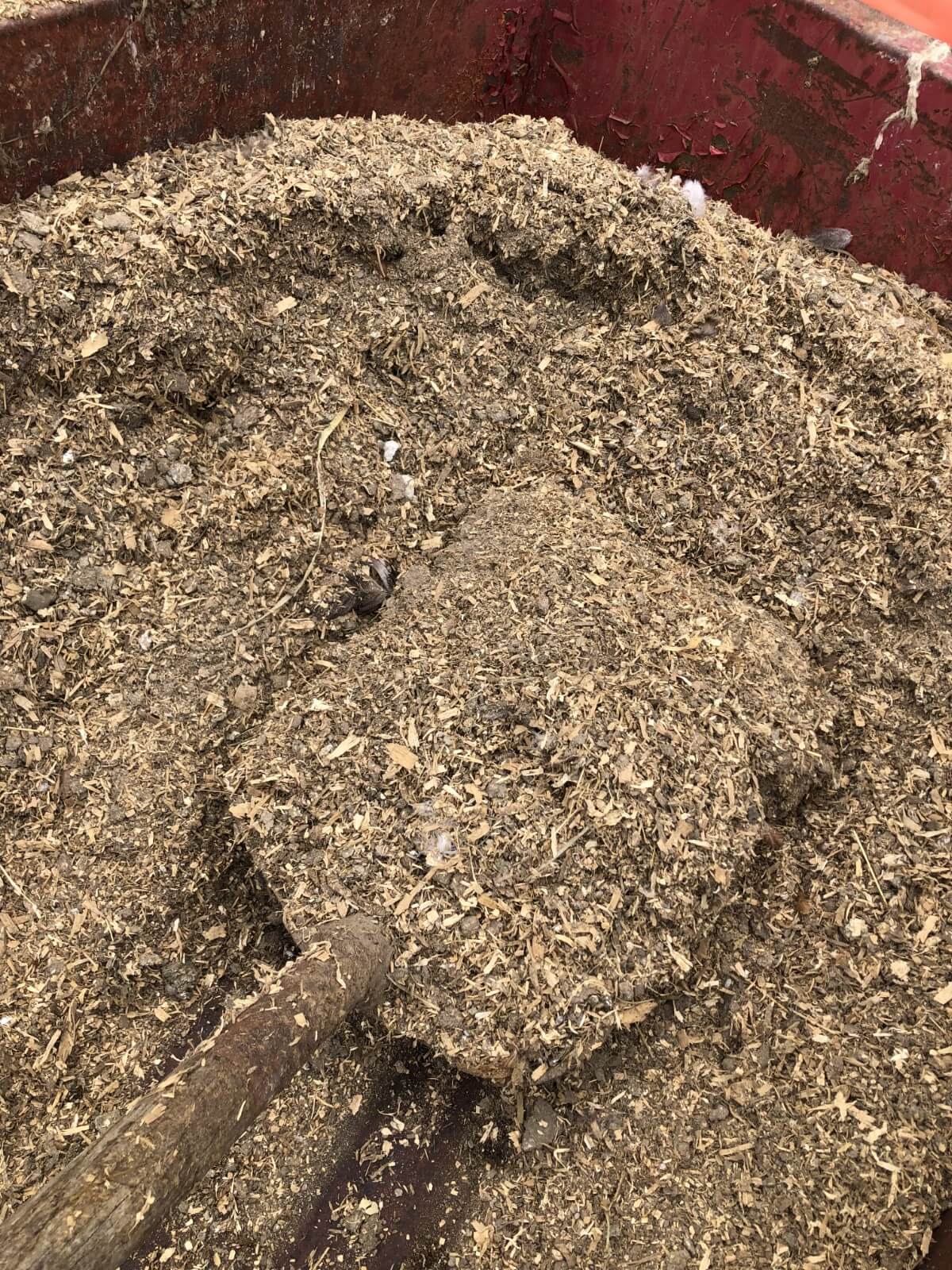
To determine how much chicken manure to add to soil, it’s essential to consider several factors including the soil type, the nutrient needs of the plants, and the age of the manure. Chicken manure is high in nitrogen, phosphorus, and potassium, making it an excellent organic fertilizer, but it can also be too strong if not used correctly. Here are some guidelines to help you decide on the appropriate amount:
1. Compost or Aged Manure: If using composted or aged chicken manure, the application rate can be higher than that of fresh manure. Typically, aged manure can be added at a rate of 1 to 2 tons per acre. This translates to approximately:
- 1 ton per 2,000 square feet.
- 2 tons per 4,000 square feet.
2. Fresh Manure Application: Fresh chicken manure can be too hot for most plants, leading to root burn or plant stress. Therefore, it is recommended to apply fresh manure at lower rates, such as:
- 1/2 to 1 ton per acre.
- Allow it to decompose for at least 6 months before applying to vegetable gardens.
3. Soil Testing: Before applying chicken manure, conducting a soil test is advisable to determine existing nutrient levels and pH. This will help tailor the amount of manure needed effectively. Consider:
See also:
- Testing for nitrogen, phosphorus, and potassium levels.
- Checking soil pH to ensure compatibility with plants.
4. Crop Nutrient Requirements: Different crops have varying nutrient requirements. For example, leafy greens may need more nitrogen, while root vegetables might require more potassium. Consider:
- Adjusting the amount of chicken manure based on crop needs.
- Consulting a planting guide for specific nutrient recommendations.
5. Application Timing: The timing of applying chicken manure significantly affects its effectiveness. Applying at the right time can maximize benefits. Consider:
- Adding chicken manure in early spring before planting.
- Incorporating it into the soil to reduce nutrient loss.
Will chicken manure burn roots?
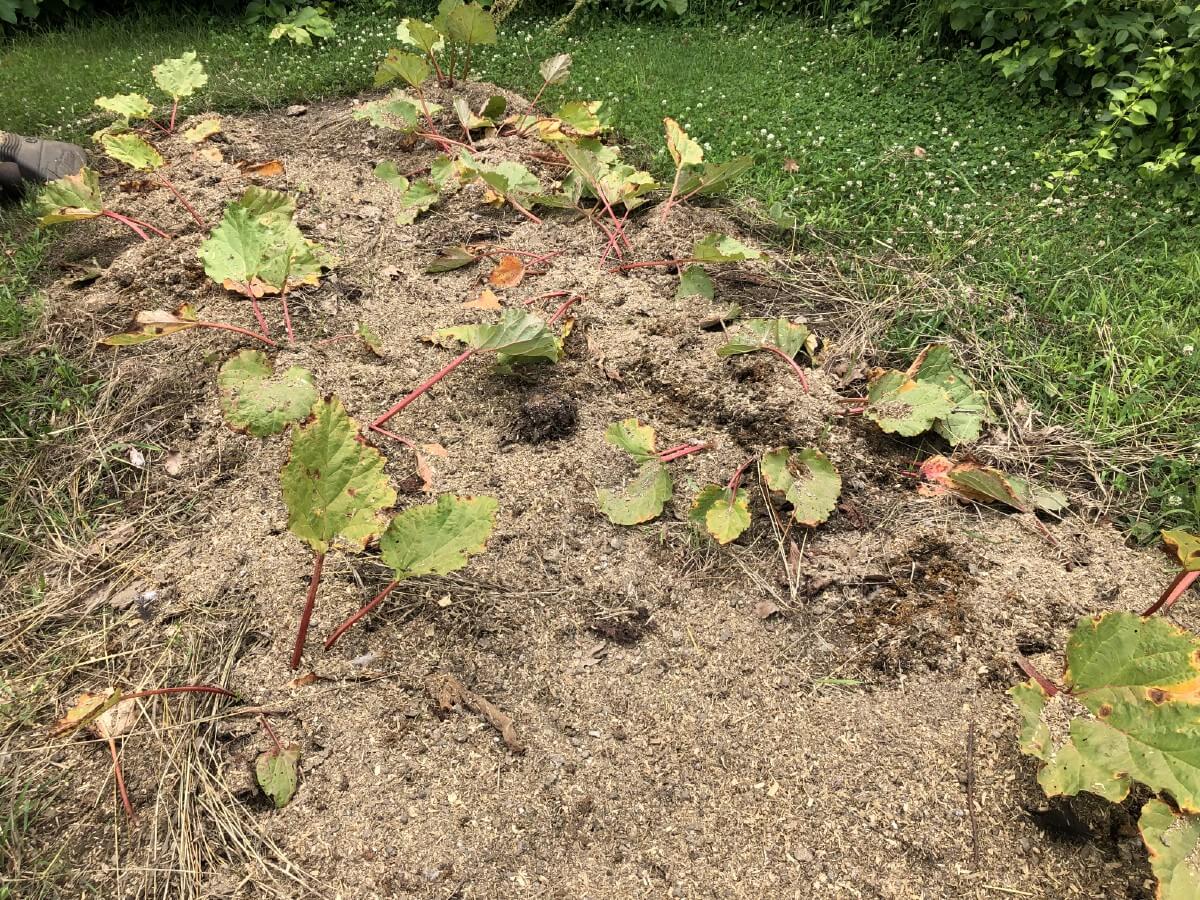
Chicken manure can potentially burn plant roots if it is not properly managed and used. Raw chicken manure is high in nitrogen and can create a toxic environment for plants when applied directly in large amounts. The high concentration of ammonia and other nutrients can lead to burning of the plant roots, causing damage or even death to the plants. To safeguard against this, it's essential to compost or age chicken manure before applying it to the soil.
Understanding Chicken Manure Composition
Chicken manure contains a variety of nutrients that are beneficial to plant growth, primarily nitrogen, phosphorus, and potassium (NPK). However, the high levels of nitrogen in fresh chicken manure can lead to nutrient burn. The exact composition can vary, but typically it includes:
- Nitrogen: Essential for plant growth, but too much can harm roots.
- Phosphorus: Important for root development but present in lower levels.
- Potassium: Helps with overall plant health, especially in fruits and flowers.
Effects of Excess Nitrogen
Excessive nitrogen from fresh chicken manure can lead to burned roots and stunted plant growth. When roots are exposed to high nitrogen levels, they can become overwhelmed and damaged, resulting in:
- Root Burn: Symptoms include blackened or scorched roots.
- Stunted Growth: Plants may not grow as expected, with reduced vigor.
- Reduced Yield: Affected plants often produce less fruit or flowers.
The Importance of Composting
Composting chicken manure effectively reduces its potency and mitigates the risk of burning plant roots. The composting process allows for:
- Nutrient Breakdown: Microbial activity breaks down excess nitrogen.
- Temperature Increase: Heat generated during composting can kill pathogens.
- Even Nutrient Distribution: Composting helps create a balanced nutrient mix for plants.
Application Guidelines for Chicken Manure
To prevent root burn, it is crucial to follow proper application methods when using chicken manure. Consider the following guidelines:
- Use Aged Manure: Apply manure that has been composted for at least 6 months.
- Limit Application Rates: Adhere to recommended rates based on plant needs.
- Incorporate into Soil: Mix manure with the soil to reduce direct contact with roots.
Signs of Root Burn from Chicken Manure
Recognizing the signs of root burn early can help mitigate further damage. Look for these symptoms:
- Wilting Leaves: Affected plants may appear droopy or lifeless.
- Leaf Edge Browning: The edges of leaves may turn brown and crispy.
- Overall Decline: Plant vigor decreases, leading to poor growth and yield.
Questions from Our Readers
Can you put too much chicken manure in soil?
Excessive application of chicken manure can lead to nutrient imbalances in the soil. When over-applied, it can result in elevated levels of nitrogen and phosphorus, which may harm plant growth and lead to environmental issues such as water pollution.
What are the signs of too much chicken manure?
Signs of excessive chicken manure include burned plants, characterized by yellow or browning leaf edges, as well as unusual weed growth due to the high nutrient content. Additionally, soil that retains moisture excessively might indicate an overload of organic matter.
How often should you apply chicken manure to your soil?
It is generally recommended to apply chicken manure no more than one to two tons per acre each year, depending on the soil's nutrient needs. Conducting a soil test can help determine the appropriate application rate and timing for optimal results.
Is it safe to use chicken manure in vegetable gardens?
Yes, chicken manure can be safe for vegetable gardens if it is used properly. However, it should be composted before application to reduce potential pathogens and to ensure a more balanced nutrient profile, making it safer for edible crops.
See also:

If you want to read more articles like Can You Put Too Much Chicken Manure in Soil? Understanding the Risks and Benefits, we recommend you check out our Fertilisers category.
Leave a Reply
Related Articles