Can You Put Plants Straight into a Planter? Essential Tips for Successful Planting
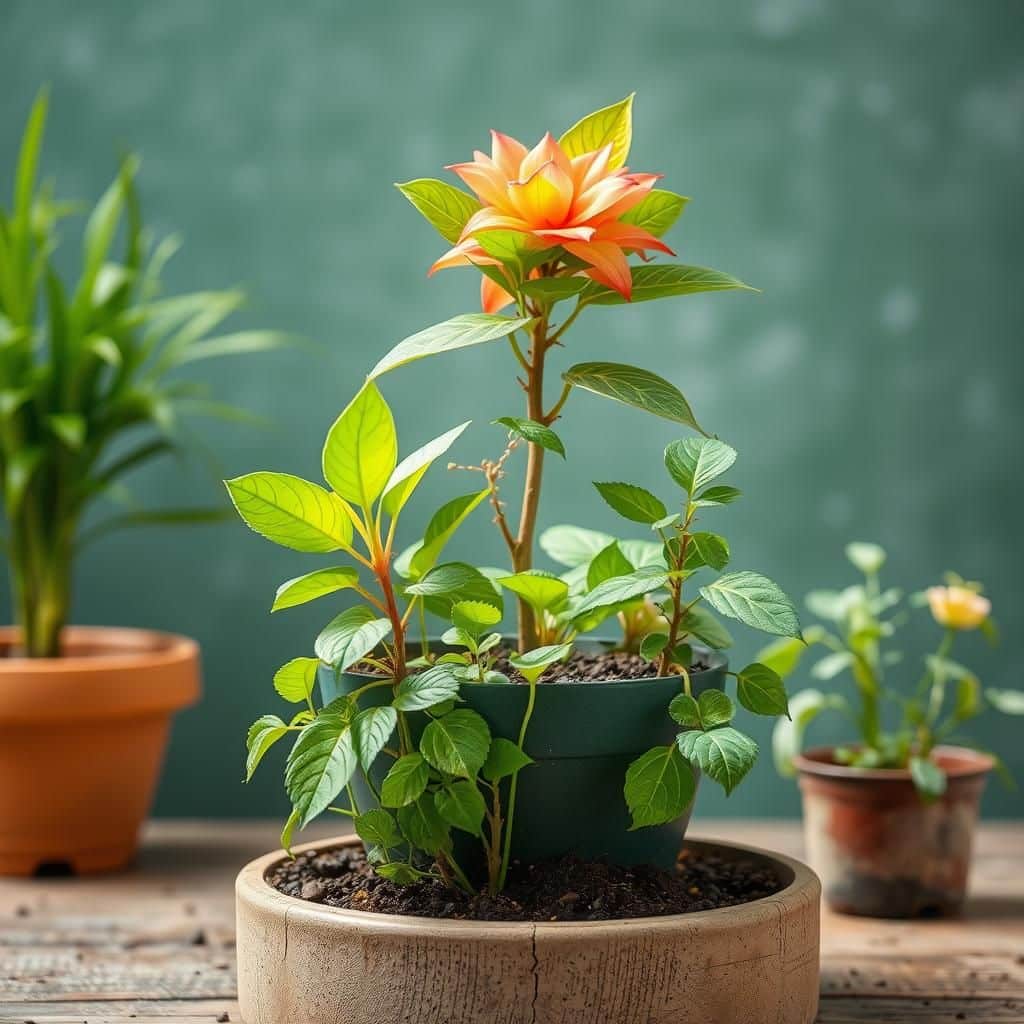
When it comes to growing plants, the right setup can make all the difference. One common question among gardening enthusiasts is whether it's feasible to put plants straight into a planter without any prior preparation. While it may seem like an easy option, there are essential tips to ensure successful planting that every gardener should know. Understanding the specifics of soil quality, drainage, and plant compatibility are crucial for creating a thriving environment. This article will explore practical advice for transitioning your plants into planters effectively, helping you nurture a vibrant garden whether indoors or outdoors.
Can You Put Plants Straight into a Planter?
Yes, you can put plants straight into a planter, but there are several factors to consider to ensure successful growth. It's essential to use an appropriate potting mix that provides adequate drainage and allows for root aeration. Additionally, assessing the size of the planter in relation to the plant is crucial, as too small a space may restrict growth, while too large a space may lead to overwatering issues. It's also recommended to check the sunlight requirements of the plants and position the planter accordingly to promote optimal growth.
Choosing the Right Planter Size
Selecting the appropriate planter size is critical for plant health. A planter that is too small can inhibit root growth and lead to a crowded environment, while a pot that is excessively large may retain too much moisture and cause root rot. As a general rule, ensure that the planter allows at least a couple of inches of space between the plant's root ball and the edges for air circulation and stable growth.
Using Quality Potting Mix
The choice of potting mix can significantly affect plant growth. A good quality mix should provide proper drainage, moisture retention, and essential nutrients. Avoid using regular garden soil, as it may compact in a planter, hindering aeration. Instead, opt for a mix specifically designed for container gardening, which usually contains components like peat moss, perlite, and compost for optimal results.
Watering Considerations
When placing plants directly into a planter, understanding the watering needs is vital. Newly potted plants often require more frequent watering to establish their roots, but overwatering can lead to serious issues such as root rot. Check the moisture level of the potting mix regularly and ensure that the planter has adequate drainage holes to allow excess water to escape, promoting healthy root systems.
Sunlight Requirements
Every plant has its sunlight preferences, which are crucial to consider when planting directly in a planter. Some plants thrive in full sun, while others prefer partial shade. Placing the planter in a location that aligns with the plant's sunlight needs can enhance growth and flowering. It's recommended to adjust the planter's position throughout the day to optimize sunlight exposure.
Transplanting Considerations
If you're considering putting young plants or seedlings directly into a planter, it's essential to minimize transplanting shock. This involves carefully handling the young plants, maintaining their original soil around the roots, and ensuring that the potting process is gentle. Additionally, making sure to space the plants correctly will help prevent competition for nutrients and light, yielding a healthier garden.
| Factor | Description |
|---|---|
| Planter Size | Choose a size that allows for root growth and prevents overcrowding. |
| Potting Mix | Use a quality mix designed for containers to ensure good drainage and nutrients. |
| Watering | Maintain balanced watering to prevent overwatering or drying out. |
| Sunlight | Position based on the specific light requirements of the plants. |
| Transplanting | Handle young plants carefully to minimize stress during transition. |
Can you put soil directly in a planter?

Yes, you can put soil directly in a planter, but there are some important considerations to keep in mind. Using the right type of soil and ensuring proper drainage are crucial for the health of your plants. Here’s a detailed guide to help you understand this process better.
Understanding Planters and Soil Types
When selecting soil for your planter, it’s essential to choose the right type. Different plants require different soil compositions for optimal growth.
See also:
- Potting Mix: This is a specially formulated blend of materials designed to provide aeration and drainage for container plants.
- Garden Soil: While it may seem convenient, garden soil is often too dense and can lead to drainage issues.
- Soil Amendments: Consider adding things like perlite or vermiculite to improve aeration and drainage.
Preparing the Planter
Before adding soil to your planter, it’s vital to prepare it properly to ensure the best results for your plants.
- Clean the Planter: Remove any old soil, residues, or roots to prevent diseases.
- Check Drainage Holes: Ensure there are adequate drainage holes to prevent waterlogging.
- Layering: If your planter is large, consider adding a layer of stones at the bottom for improved drainage.
Adding Soil to the Planter
When filling your planter with soil, follow a few key steps to ensure even distribution and optimal conditions for your plants.
- Fill Gradually: Start by adding soil in layers, ensuring even coverage throughout the planter.
- Leave Space: Make sure to leave some space at the top for watering and to prevent overflow.
- Compact Lightly: Gently press down on the soil to eliminate large air pockets without over compacting it.
Watering After Planting
After you put soil in the planter, proper watering is crucial for establishing your plants.
- Initial Watering: Water the planter thoroughly after filling it with soil to help settle it and eliminate air pockets.
- Observation: Check for excess water draining out of the bottom; this indicates good drainage.
- Moisture Level: Maintain consistent moisture levels, avoiding both overwatering and drought conditions.
Monitoring for Soil Health
Beyond just putting soil in the planter, maintaining soil health is vital for plant growth.
- pH Levels: Test the soil periodically to ensure it remains within the appropriate pH range for your plants.
- Nutrient Content: Regularly amend the soil with organic fertilizers or compost to replenish nutrients.
- Drainage Checks: Monitor drainage efficiency to promptly address any potential issues that may arise.
What is the best thing to put in the bottom of a planter?

When considering what to put in the bottom of a planter, it’s essential to look at various materials that can enhance drainage, aeration, and overall plant health. The best options typically include materials that prevent soil compaction while allowing excess water to escape. Here are some of the most effective choices:
Drainage Materials
Using drainage materials at the bottom of a planter is one of the best practices to ensure that excess water does not accumulate, which could lead to root rot. Some popular options include:
- Gravel: Small rocks or gravel can help facilitate water flow out of the planter while providing some aeration.
- Perlite: This lightweight volcanic glass improves drainage and aeration, making it ideal for potted plants.
- Clay pebbles: These are excellent for both drainage and preventing soil loss, offering a stable base for plant roots.
Natural Mulch
Incorporating a layer of natural mulch at the bottom can help retain moisture while still allowing for drainage. Some effective mulch options include:
- Bark chips: These can break down slowly over time, adding nutrients to the soil while regulating moisture levels.
- Sphagnum moss: This is useful for retaining moisture and can help in preventing soil erosion from the drainage holes.
- Straw: A biodegradable option that can help suppress weeds while allowing good airflow under the soil.
Screening Materials
Using screening materials can be beneficial in keeping the soil from falling out while still allowing water flow. Effective screening materials include:
- Landscape fabric: This breathable material allows water to pass through while preventing soil from escaping.
- Plastic mesh: A durable option that can be cut to size, allowing drainage while preventing soil loss.
- Old newspaper: This eco-friendly option can disintegrate over time, yet it's effective in keeping soil in place initially.
Weight-Bearing Materials
For larger planters, using weight-bearing materials can be advantageous, especially for stability. Consider:
See also:
- Stones: Larger stones or bricks can provide stability and help with drainage in big containers.
- Concrete pieces: Broken concrete block can provide a strong base while allowing water to flow freely.
- Sand: While it adds weight, sand can also improve drainage when mixed with soil.
Soil Alternatives
Finally, using specific soil alternatives can be effective for different plant types and needs. Options include:
- Compost: This can enhance nutrient availability while aiding in moisture retention and drainage.
- Wool pellets: Made from sheep wool, these can help in retaining water while providing some drainage properties.
- Biochar: This can improve soil structure and increase water retention while allowing proper airflow.
Can I plant in a planter without drainage?

Planting in a planter without drainage is possible, but it comes with significant challenges and risks. When a planter lacks drainage holes, excess water can accumulate in the bottom of the container, leading to several potential problems for the plants. Here are some factors to consider before proceeding with planting in a non-draining planter:
1. Soil Type: Choose a soil mix that retains moisture but also provides aeration. A well-draining potting mix is essential to minimize the risk of root rot. It's advisable to use a combination of soils, such as:
- Coconut coir - retains moisture while allowing air circulation.
- Pumice - enhances drainage and prevents compaction.
- Perlite - improves aeration and drainage in the soil mix.
2. Watering Frequency: Without drainage, you must be very careful with your watering routine. Overwatering can quickly become a problem. To manage this, consider the following tips:
- Water less frequently, allowing the soil to dry out between waterings.
- Check the moisture level by sticking your finger into the soil before adding more water.
- Use a moisture meter for more accurate readings of soil moisture levels.
3. Choosing the Right Plants: Some plants are more tolerant of wet conditions and may thrive better in non-draining planters. Consider the following plant types:
- Succulents - prefer drier conditions and can tolerate occasional overwatering.
- Maranta (Prayer Plant) - enjoys humidity and can adjust to slightly wetter soil.
- Ferns - some varieties thrive in consistently moist conditions but still require proper care.
4. Monitoring for Root Rot: The risk of root rot increases significantly in planters without drainage. To prevent this, keep an eye out for the following signs:
- Yellowing leaves - a common sign of overwatering and root health issues.
- Wilting - plants may wilt even if the soil is wet, indicating root damage.
- Unpleasant odors from the soil - a clear indicator of decay and rot.
5. Adding Alternative Drainage Solutions: If you want to plant in a non-draining planter, consider these innovative options to improve drainage:
- Place small stones or gravel at the bottom of the planter to create a drainage layer.
- Use a layer of activated charcoal to absorb excess moisture and prevent odors.
- Consider using self-watering planters, which can help manage moisture levels more effectively.
Questions from Our Readers
Can I put plants straight into a planter without any preparation?
Yes, you can put plants straight into a planter without any preparation, but it is often beneficial to ensure that the planter has proper drainage holes and is filled with suitable potting soil to support the plant's growth.
What types of plants can be put directly into a planter?
Most indoor and outdoor plants can be put directly into a planter, including flowers, herbs, and vegetables, as long as they are suited for the planter's size and environmental conditions.
See also:
Do I need to water the plant after putting it into a planter?
Yes, it is important to water the plant after placing it in a planter to help settle the soil and provide moisture to the roots, but be careful not to overwater, as this can lead to root rot.
Should I fertilize the plant after planting it in a planter?
It's generally a good idea to wait a few weeks before applying fertilizer after planting, as the plant needs time to adjust to its new environment; however, using a slow-release fertilizer during potting can be beneficial.
If you want to read more articles like Can You Put Plants Straight into a Planter? Essential Tips for Successful Planting, we recommend you check out our Planter category.
Leave a Reply
Related Articles