Can You Put Cow Manure Straight on the Garden? Benefits and Tips for Use
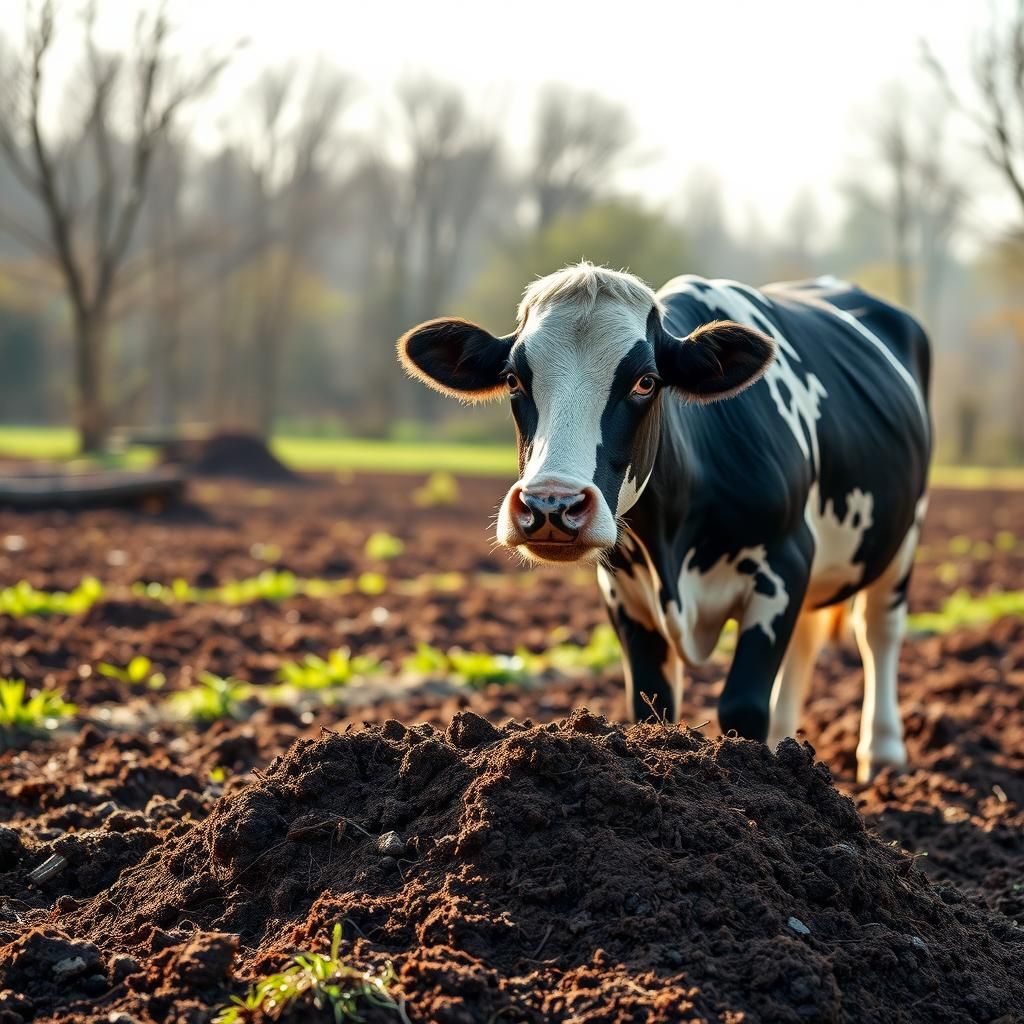
Cow manure is a natural and nutrient-rich fertilizer that can significantly enhance soil quality and plant growth in gardens. However, the question remains: can it be applied directly to the garden, or should it be composted first? This article explores the benefits of using cow manure as a soil amendment, including its high content of nitrogen, phosphorus, and potassium. Additionally, we will provide essential tips for safe application, ensuring that your garden thrives without the risk of burning plants or introducing pathogens. Discover how to effectively utilize cow manure to create a flourishing and sustainable garden environment.
Can You Put Cow Manure Straight on the Garden?
Using cow manure directly in the garden can be beneficial, but caution is necessary. Fresh cow manure can introduce pathogens and weed seeds, leading to potential health risks and garden issues. It is generally recommended to compost cow manure before application. Composting not only helps to reduce pathogens but also improves the nutrient profile and makes the manure more absorbable for plants. If applied fresh, it's essential to incorporate it into the soil and allow time for it to decompose naturally, usually a few months before planting, to avoid plant burning or contamination.
Benefits of Cow Manure in the Garden
Cow manure is an excellent source of nutrients for garden plants. It is rich in nitrogen, phosphorus, and potassium, essential for plant growth. These nutrients improve soil structure, enhance moisture retention, and promote overall soil health. The organic matter in cow manure increases microbial activity, which can help plants absorb nutrients more efficiently. Furthermore, its decomposition over time releases nutrients gradually, providing sustained nourishment to plants throughout their growth cycle.
Risks of Using Fresh Cow Manure
Applying fresh cow manure directly to the garden presents several risks, predominantly due to the possibility of introducing pathogens and weeds. Fresh manure can harbor bacteria like E. coli and Salmonella, which can contaminate food crops and pose health risks if ingested. Additionally, it may contain viable weed seeds that can germinate, leading to overcrowding and competition for resources. To mitigate these risks, it is better to compost cow manure before use to sanitizing it through heat generation in the composting process.
How to Properly Compost Cow Manure
To compost cow manure effectively, you should create a compost pile with a ratio of carbon-rich materials (like straw or dry leaves) to nitrogen-rich materials (such as cow manure). The ideal ratio is about 3:1. Ensure the pile is moist but not soggy, and turn it every few weeks to promote aeration and even decomposition. Composting usually takes about 3 to 6 months, during which time microorganisms will break down the manure into a dark, crumbly, and nutrient-rich product suitable for garden use.
When to Apply Cow Manure to Your Garden
The best time to apply composted cow manure to your garden is in the fall or spring before planting. If you apply it in the fall, it allows for better integration into the soil and prepares the bed for spring planting. In spring, applying well-composted manure should be done at least three weeks before sowing seeds or transplanting seedlings to allow the nutrients to become accessible while avoiding potential burning of young plants.
Difference Between Composted and Fresh Cow Manure
The primary difference between composted and fresh cow manure lies in its nutritional value and safety. Composted cow manure is dehydrated, has reduced odors, is safe for plants, and contains a balanced assortment of nutrients. Fresh cow manure, on the other hand, is moist, can be overly rich in nitrogen, and possesses a high chance of causing plant burn. It is also more likely to contain pathogens and weed seeds than composted manure. The choice between the two depends on your garden's needs and the specific risks you are willing to manage.
| Type of Manure | Nutrient Content | Pathogen Risk | Application Timing | Soil Impact |
|---|---|---|---|---|
| Fresh Cow Manure | High in Nitrogen | Higher | Immediately (with caution) | Can burn plants |
| Composted Cow Manure | Balanced Nutrients | Lower | Fall or Spring | Improves soil health |
How do I add cow manure to my garden?

To add cow manure to your garden effectively, you should follow a series of steps to ensure the best results for your plants. Cow manure is an excellent source of nutrients that can improve soil structure, fertility, and overall health. Here’s how you can incorporate cow manure into your garden:
1. Choose the Right Type of Cow Manure
When selecting cow manure for your garden, it is important to choose well-aged or composted manure. Fresh manure can contain high levels of ammonia and may introduce pathogens that can harm plants. Aged manure is safer and significantly reduces the risk of burning your plants due to excessive nitrogen.
- Look for well-composted manure, ideally aged for at least 6 months.
- Avoid using fresh cow manure unless it's properly composted.
- While purchasing, ensure it is sourced from healthy, organic farms to minimize chemical residues.
2. Prepare Your Garden Soil
Before adding cow manure, you must prepare your garden soil to optimize nutrient absorption. This involves testing your soil's pH and nutrient levels to determine how much manure is needed for your specific garden conditions.
- Test the soil pH to ensure it is within the suitable range for the plants you are growing.
- Clear the garden bed of weeds and debris to create a clean canvas.
- Loosen the soil with a shovel or tiller to help incorporate the manure thoroughly.
3. Apply Cow Manure Correctly
To effectively apply cow manure, it's crucial to know the right amount and method for your garden size and plant types. The application should be even to prevent nutrient concentration that can harm plants.
See also:
- Spread a layer of cow manure, typically 1 to 2 inches thick, over the soil surface.
- Use a rake to evenly distribute the manure throughout the area.
- Incorporate the manure into the top 6 to 8 inches of soil, ensuring it mixes well with the existing components.
4. Timing for Application
The timing of applying cow manure is essential for maximizing its benefits and ensuring your plants receive nutrients when they need them the most. Understanding the growing season can help you plan effectively.
- Apply cow manure in the fall, allowing it to break down over the winter for spring planting.
- Alternatively, you can apply it in early spring before planting to boost nutrient levels.
- Avoid applying during the peak growing season to prevent nutrient shock to your plants.
5. Monitor Plant Response
After adding cow manure to your garden, it's important to monitor your plants for any changes or responses to the added nutrients. This will help you gauge the health of your garden and make necessary adjustments.
- Observe the growth rate and overall health of your plants in the weeks following the application.
- Check for signs of nutrient burn, which can manifest as yellowing or browning of leaf edges.
- Adjust future applications based on the observed response, using less or more according to plant needs.
Can I put manure directly on my garden?

Manure can be a valuable resource for gardeners, but using it directly on your garden requires careful consideration. While it can provide essential nutrients to the soil, applying it without proper treatment may lead to several issues, such as pathogen contamination and nutrient runoff. Here are some important points to consider:
1. Type of Manure: Different types of manure, such as cow, horse, chicken, or sheep, have varying nutrient profiles and pathogen risks. For instance, chicken manure is high in nitrogen but may also have a higher pathogen load compared to composted cow manure.
2. Composting: It is generally recommended to compost manure before applying it to your garden. Composting helps to kill harmful pathogens and weed seeds while also balancing the nutrient levels. Well-composted manure can improve soil structure and moisture retention.
3. Application Timing: If you decide to use fresh manure, it is advisable to apply it during the off-season for growing crops. This allows the manure to decompose and reduce the risk of pathogens affecting your edible plants. Ideally, manure should be spread in the fall, giving it several months to break down before spring planting.
4. Nutrient Management: Understanding the nutrient content of the manure is crucial for proper application. Over-application can lead to nutrient runoff into waterways and negatively affect the balance of nutrients in the soil. Conducting a soil test can help determine how much manure is suitable for your specific garden needs.
5. Safety Precautions: Use personal protective equipment, such as gloves and a mask, when handling manure. This minimizes exposure to pathogens and prevents contamination. Additionally, wash any produce thoroughly before consumption to reduce the risk of contamination.
1. Understanding Different Types of Manure
Each type of manure has its unique characteristics and nutrient content.
- Cow manure: Lower in nitrogen but rich in organic matter.
- Chicken manure: Very high in nitrogen, often requiring dilution before use.
- Horse manure: Contains a good balance of nutrients; however, it may have more weed seeds.
2. The Importance of Composting Manure
Composting is an essential process that transforms raw manure into a safe and beneficial soil amendment.
- The heat generated during composting kills pathogens and weed seeds.
- It helps improve nutrient availability and soil structure.
- Composted manure tends to have a more balanced nutrient profile.
3. Best Practices for Manure Application Timing
Timing is critical when applying manure to minimize risks and maximize benefits.
See also:
- Apply during the fall to allow decomposition before planting.
- Avoid applying manure close to planting seasons for edible crops.
- Consider local climatic conditions that may influence decomposition rates.
4. Managing Nutrient Levels in Your Garden
Effective nutrient management is essential for a thriving garden.
- Conduct a soil test to determine existing nutrient levels.
- Calculate the appropriate amount of manure based on the test results.
- Monitor plant health and soil fertility regularly to make adjustments as needed.
5. Ensuring Safety When Using Manure
Safety practices are crucial when handling and applying manure to prevent health risks.
- Wear gloves, masks, and other protective gear to minimize exposure.
- Thoroughly wash all produce before eating or cooking.
- Keep children and pets away from areas where manure is applied until it is well-integrated into the soil.
Can you use cow manure right away?
Cow manure is often considered an excellent organic fertilizer due to its nutrient-rich composition. However, using it right away without proper treatment can lead to several issues. Here’s a detailed look into whether cow manure can be used immediately.
Understanding the Nutritional Content of Cow Manure
Cow manure is composed of various nutrients essential for plant growth, including nitrogen, phosphorus, and potassium. These nutrients can help improve soil structure and enhance plant health. However, the nutritional balance in raw manure is not ideal for all types of plants. Key points include:
- Nitrogen richness: Fresh cow manure is high in nitrogen, which can cause plants to burn if used directly.
- Phosphorus and potassium: These nutrients support root development and flowering but may be imbalanced in fresh manure.
- Microbial activity: The presence of beneficial microbes in manure can help break down the nutrients, but their activity may not be effective immediately.
The Risks of Using Fresh Cow Manure
Using fresh cow manure can lead to several risks for plants and soil health. It's crucial to consider the following potential downsides:
- Plant burn: The high nitrogen content can damage seedlings and delicate plants.
- Pathogen introduction: Fresh manure may contain harmful pathogens that can contaminate crops.
- Weed seeds: Fresh manure might carry seeds from weeds, promoting unwanted plant growth in your garden.
Composting Cow Manure
Composting is a common method to make cow manure safer for immediate use. The process allows for the breakdown of nutrients and reduces the risk of contamination. Benefits of composting include:
- Nutrient stabilization: Composting stabilizes the nutrients, making them more plant-available.
- Pathogen reduction: Heat generated during composting helps kill harmful bacteria and pathogens.
- Improved soil structure: Well-composted manure enhances soil aeration and moisture retention.
Using Aged Cow Manure
Aging cow manure, also known as curing, involves letting it sit for several months before use. This process enhances its safety and effectiveness. Consider these factors:
- Reduction of nitrogen levels: Aging reduces the risk of burning plants due to lower nitrogen concentrations.
- Enhanced nutrient availability: Nutrients become more accessible to plants through the aging process.
- Less offensive odor: Aged manure typically has a milder smell, making it more pleasant to handle.
Best Practices for Applying Cow Manure
If you decide to use cow manure, adopting best practices can optimize its benefits while minimizing risks. Key practices include:
- Use in moderation: Apply in small amounts to avoid overwhelming plant roots.
- Soil testing: Test soil nutrient levels to tailor the application of manure appropriately.
- Timing of application: Apply during off-season or during planting to help integrate it into the soil.
Questions from Our Readers
Can you put cow manure straight on the garden?
You should not apply cow manure directly to the garden without composting it first. Fresh manure can contain pathogens and weed seeds that may harm your plants. It's recommended to compost it for several months to reduce these risks and improve its nutrient content.
What are the benefits of using cow manure in the garden?
Using cow manure provides multiple benefits, including enhancing soil fertility and structure. It adds essential nutrients like nitrogen, phosphorus, and potassium, which aid in plant growth, and helps improve water retention in the soil, promoting a healthier garden environment.
How should cow manure be applied to the garden?
Cow manure should be applied in a well-aged or composted form to avoid any negative effects. You typically want to spread it evenly over the garden and gently mix it into the topsoil, ensuring that it is incorporated and not left on the surface, which can attract pests.
See also:
When is the best time to apply cow manure to the garden?
The ideal time to apply cow manure to the garden is during the fall or spring when soil life is more active. This allows ample time for nutrients to break down and become available for plants during the growing season, ultimately maximizing their effectiveness.

If you want to read more articles like Can You Put Cow Manure Straight on the Garden? Benefits and Tips for Use, we recommend you check out our Fertilised category.
Leave a Reply
Related Articles