Can You Put a Dynamic Lifter on All Plants? Understanding Its Uses and Limitations
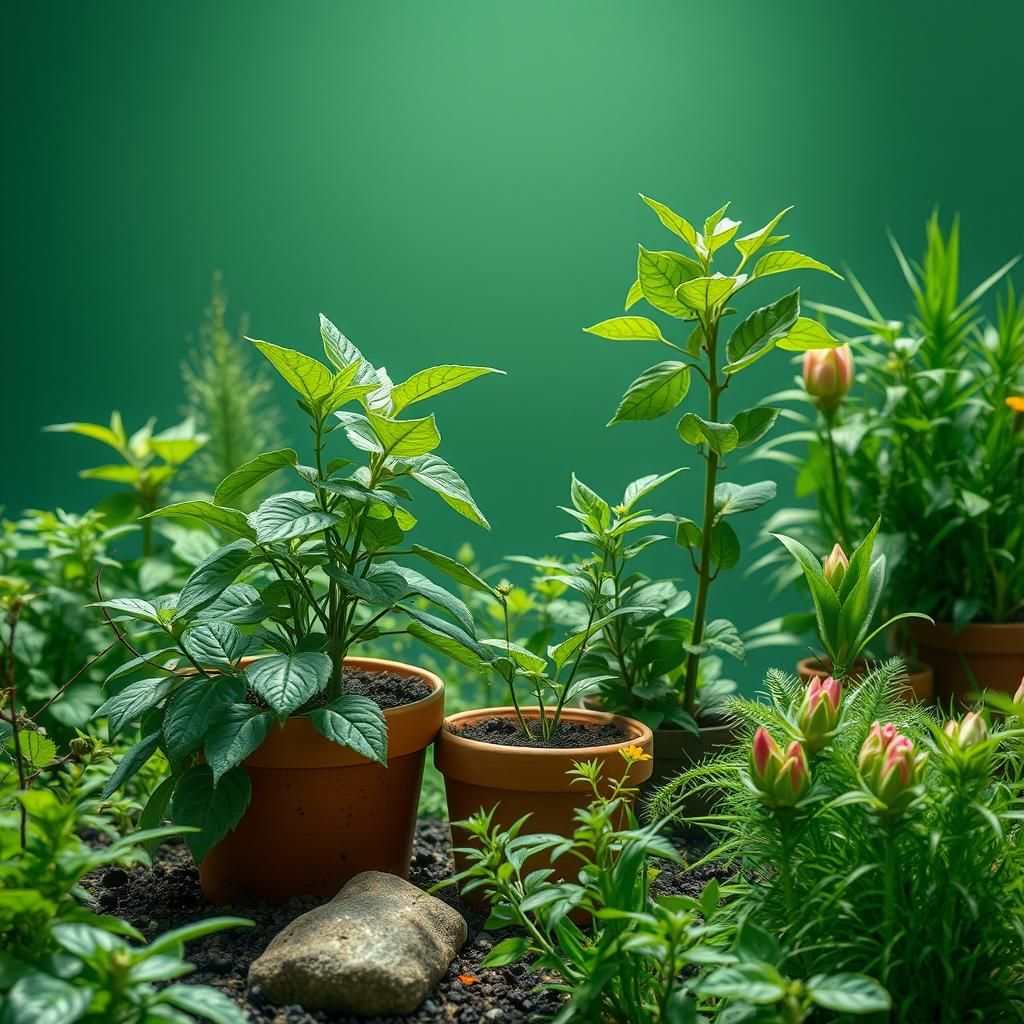
Dynamic Lifter is a popular organic fertilizer that many gardeners swear by for its rich nutrient content. However, its application isn't universally suitable for all plants. Understanding the uses and limitations of Dynamic Lifter is essential for anyone looking to enhance their garden's health effectively. In this article, we will explore the benefits of using Dynamic Lifter, the types of plants that thrive with its application, and those that may suffer from it. By shedding light on these aspects, gardeners can make informed decisions to promote optimal growth and prevent potential issues, ensuring a thriving garden ecosystem.
Can You Use Dynamic Lifter on All Plants?
Dynamic Lifter, an organic fertilizer made from various plant and animal materials, is beneficial for many types of plants; however, it is not universally suitable for all. While it provides essential nutrients such as nitrogen, phosphorus, and potassium, certain plants may be sensitive to its high nutrient content or aromatic nature. For example, seedlings and young plants may be at risk of nutrient burn if applied in excess. Additionally, some acid-loving plants, like azaleas or camellias, might not respond well to the alkaline properties of Dynamic Lifter. It's crucial to assess the needs of specific plants individually before applying this fertilizer to ensure optimal growth conditions.
What is Dynamic Lifter?
Dynamic Lifter is a natural fertilizer that typically consists of decomposed organic materials, including plant matter and animal waste. This nutrient-rich product helps to improve soil structure and health while providing essential nutrients to plants. It is well-recognized for its ability to enhance microbial activity in the soil, leading to better nutrient availability for plants and contributing to a more sustainable gardening approach.
Benefits of Using Dynamic Lifter
The primary benefits of using Dynamic Lifter include its ability to boost plant growth, improve soil fertility, and enhance overall plant health. It slowly releases nutrients, ensuring that plants receive a steady supply over time, which reduces the risk of nutrient leaching and runoff. Moreover, its organic composition helps to foster a healthier soil ecosystem by promoting beneficial bacteria and fungi that contribute to soil biodiversity.
Plants That Benefit Most from Dynamic Lifter
Dynamic Lifter is particularly beneficial for vegetables, fruits, and flowering plants due to their higher nutrient requirements. These plants often thrive when provided with a steady supply of organic matter, which helps them achieve better yield and healthier growth. Common garden staples such as tomatoes, cucumbers, and roses generally respond well to Dynamic Lifter, enhancing their overall quality and output.
Plants to Avoid When Using Dynamic Lifter
Although Dynamic Lifter is a versatile fertilizer, it is advisable to avoid using it on delicate plants such as seedlings or certain ornamental varieties. For instance, finer-leaved plants may be more susceptible to nutrient burn from the concentration of nitrogen present in the fertilizer. Additionally, plants that thrive in acidic soil conditions, such as blueberries and some ferns, may not benefit from the use of Dynamic Lifter as it can alter the soil pH beyond their tolerance levels.
Application Tips for Dynamic Lifter
When applying Dynamic Lifter, it's essential to follow the recommended guidelines to prevent over-fertilization which can harm plants. A general rule of thumb is to apply it in moderation, ideally in the early spring or late fall, to coincide with the plants' growing seasons. Mixing it into the top layer of soil around the plants rather than applying it directly can help to prevent nutrient burn and promote even nutrient distribution. Always ensure that the soil is moist before application to aid in nutrient absorption.
| Plant Type | Suitable | Not Suitable |
|---|---|---|
| Vegetables | ✅ | ❌ |
| Fruits | ✅ | ❌ |
| Flowering Plants | ✅ | ❌ |
| Seedlings | ❌ | ✅ |
| Acid-Loving Plants | ❌ | ✅ |
Can a dynamic lifter be used on all plants?

Using a dynamic lifter can significantly benefit plant growth, but it is important to note that it may not be suitable for all types of plants. Dynamic lifters are organic fertilizers made from decomposed animal manures, typically rich in nitrogen and other nutrients. However, the effectiveness and safety of using dynamic lifters can vary based on the specific requirements of different plants.
Understanding Dynamic Lifter
Dynamic lifter is a type of organic fertilizer that is derived from animal waste, making it a rich source of nutrients. It typically contains high levels of nitrogen, phosphorus, and potassium, which are essential for plant growth. The benefits of using dynamic lifter include:
- Improved Soil Structure: It enhances soil aeration and water retention.
- Nutrient Release: Nutrients are released slowly, providing a steady supply to plants.
- Microbial Activity: It promotes beneficial microbial life in the soil.
Suitable Plants for Dynamic Lifter
Dynamic lifter is particularly beneficial for plants that require high nutrient levels, especially during their growth phases. Many flowering plants, vegetables, and leafy greens respond positively to its application. Suitable plants include:
- Vegetables: Such as tomatoes, cucumbers, and lettuce.
- Flowering Plants: Such as roses, dahlias, and sunflowers.
- Fruit Trees: Typically, plants like apple and citrus trees also thrive with dynamic lifter.
Plants to Avoid Using Dynamic Lifter
While dynamic lifter can be beneficial for many plants, there are certain plants that may not respond well to its application. Over-fertilization can lead to problems, including nutrient burn. Plants to avoid include:
- Succulents: These prefer low-nutrient soil conditions.
- Ferns: Some ferns may suffer from nutrient overload.
- Acid-Loving Plants: Such as blueberries, which may react poorly to the nutrient balance of dynamic lifter.
Application Guidelines for Dynamic Lifter
To maximize the benefits of dynamic lifter, it’s important to follow proper application guidelines. This will ensure that plants receive the nutrients they need without causing harm. Key guidelines include:
See also:
- Dosage: Follow the specific instructions on the product label for recommended amounts.
- Timing: Apply during active growth periods for best results.
- Watering: After application, water the plants thoroughly to help nutrients penetrate the soil.
Potential Concerns with Dynamic Lifter
While dynamic lifter can be advantageous, there are potential concerns that gardeners should be aware of. These concerns primarily involve application and soil conditions. Considerations include:
- Over-Fertilization: Can lead to nutrient burn and damage plants.
- Pest Attraction: The smell can attract pests or unwanted animals.
- Soil pH: Changes in soil pH can affect nutrient availability.
What not to use dynamic lifter on?

Dynamic Lifter is a popular organic fertilizer derived from chicken manure and is widely used in gardening and agriculture. However, there are specific situations and types of plants where its use is not recommended. Below are detailed considerations regarding what not to use Dynamic Lifter on.
High Nitrogen Sensitive Plants
Using Dynamic Lifter on plants that are sensitive to high levels of nitrogen can lead to poor growth and other issues. Such plants typically thrive on lower nitrogen concentrations, and excess nitrogen can result in:
- Burned foliage: Leaves may develop brown edges or tips due to nitrogen burn.
- Stunted growth: Over-fertilization can inhibit healthy growth patterns.
- Weak root systems: Excess nitrogen can lead to lush foliage but may cause roots to weaken as they do not establish properly.
Acid-Loving Plants
Certain plants, such as blueberries, azaleas, and evergreens, prefer acidic soil conditions. Dynamic Lifter may alter the pH of the soil, making it less suitable for these species, which can lead to:
- Soil pH imbalance: It may raise the pH and lead to alkaline conditions.
- Nutritional deficiencies: Acid-loving plants may struggle to absorb key nutrients in higher pH conditions.
- Poor fruiting and flowering: These plants may not produce as expected if the soil conditions are not appropriate.
Seedlings and Young Plants
For seedlings and very young plants, applying Dynamic Lifter can be too strong, overwhelming the delicate roots. Issues that can arise include:
- Fertilizer burn: Newly sprouted plants are more susceptible to damage from concentrated fertilizers.
- Impaired growth: Excess nutrients can harm initial development and lead to weak plants.
- Root stress: Young roots may struggle to cope with high nutrient levels, causing stunted growth.
Established Perennials
While established perennials can benefit from organic fertilizers, an over-application of Dynamic Lifter can lead to problems such as:
- Excessive foliage growth: Over-fertilization can result in lush leaves but diminishes flowering potential.
- Increased susceptibility to pests and diseases: Plants may become overly lush and attract more pests.
- Soil health deterioration: Too much nitrogen can upset the microbial balance in the soil.
Plants in Waterlogged Soil
Using Dynamic Lifter in areas with waterlogged conditions is not advisable, as it can exacerbate issues related to poor drainage. This situation leads to:
- Microbial activity disruption: Saturated soils may hinder beneficial microbial processes.
- Root rot: Excess nutrients in waterlogged conditions can contribute to the decay of roots.
- Nutrient runoff: Nutrients may wash away from areas that cannot absorb them effectively.
What fertilizer can be used on all plants?
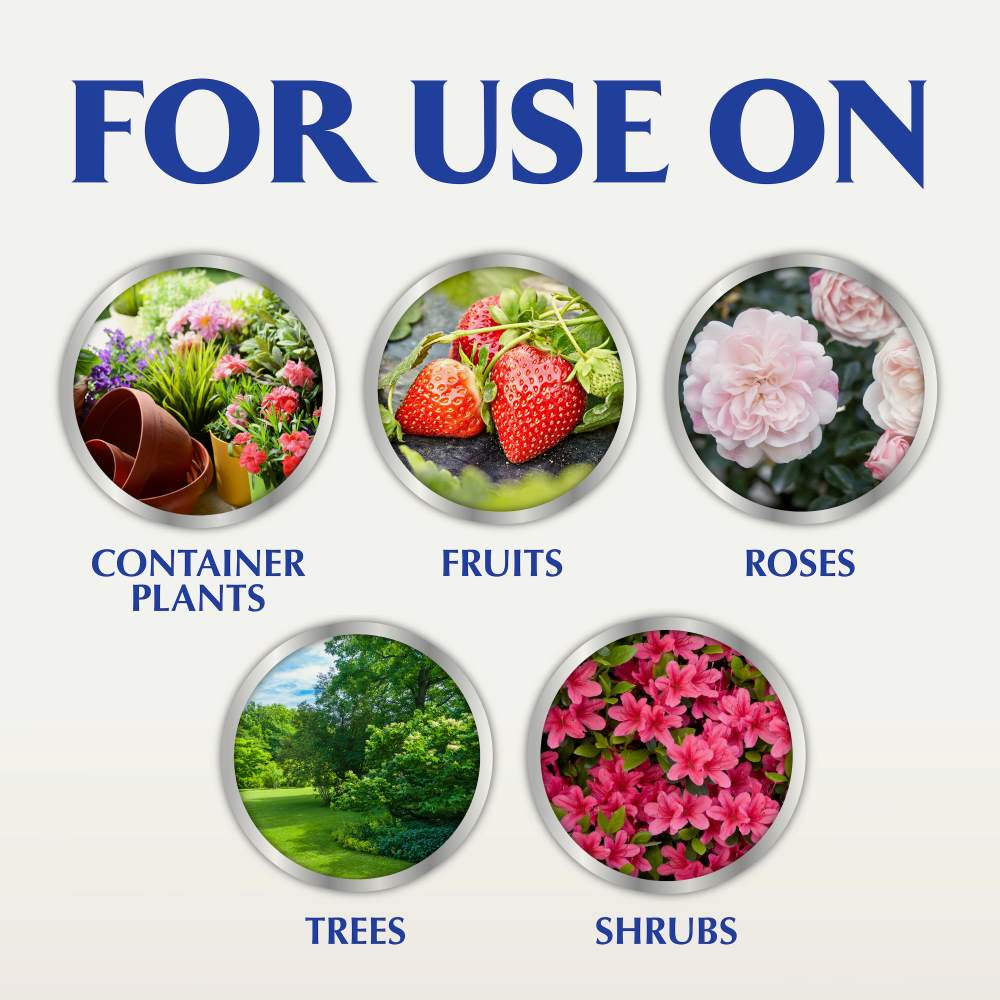
:max_bytes(150000):strip_icc()/SPR-guide-to-fertilizing-strawberries-7488291-03-d74ed1910c3645ecb407411f03122774.jpg)
When it comes to choosing a fertilizer that can be used on all plants, a balanced, all-purpose fertilizer is often the best option. These types of fertilizers typically contain equal ratios of the three primary nutrients: nitrogen (N), phosphorus (P), and potassium (K), often referred to as N-P-K ratios. A well-balanced fertilizer can provide essential nutrients that promote healthy plant growth, flowering, and fruiting. A common N-P-K ratio for all-purpose fertilizers is 10-10-10 or 20-20-20, suitable for a wide variety of plants.
Types of All-Purpose Fertilizers
All-purpose fertilizers can come in various forms, each with specific benefits. The types include:
- Granular Fertilizers: These are solid fertilizers that can be spread on the soil. They release nutrients slowly, which helps prevent burn and provides a gradual supply of nutrients.
- Liquid Fertilizers: These fertilizers can be mixed with water and applied directly to the soil or as a foliar spray. They provide immediate nutrients to the plants.
- Organic Fertilizers: Derived from natural sources, organic fertilizers improve soil health and provide a slow-release of nutrients. Examples include compost, manure, and bone meal.
Benefits of Using All-Purpose Fertilizers
Using an all-purpose fertilizer offers numerous advantages for gardeners and plant enthusiasts. The benefits include:
- Convenience: An all-purpose fertilizer simplifies the fertilization process, as it can be applied to multiple types of plants without need for adjustment.
- Balanced Nutrition: These fertilizers provide a well-rounded nutrient profile, supporting healthy plant development.
- Cost-Effectiveness: Purchasing a single type of fertilizer that suits a variety of plants can be more economical than buying specific fertilizers for different plants.
How to Apply All-Purpose Fertilizers
Applying all-purpose fertilizer correctly enhances its effectiveness and benefits your plants. Here are some important steps to follow:
See also:
- Read the Instructions: Always follow the manufacturer’s instructions for dosage and frequency to avoid over-fertilization.
- Soil Preparation: Prepare the soil by loosening it and ensuring it is aerated, which aids nutrient absorption.
- Timing: Apply fertilizer during the growing season when plants are actively taking nutrients from the soil.
Signs of Nutrient Deficiency
Understanding the signs of nutrient deficiency can help determine if all-purpose fertilizer is needed. Key symptoms include:
- Yellowing Leaves: This can indicate a lack of nitrogen, which is essential for leaf growth.
- Poor Flowering or Fruiting: Lack of phosphorus can result in minimal flower and fruit production.
- Weak Stems: Insufficient potassium may lead to weak stems that cannot support the plant.
Considerations for Different Plant Types
While all-purpose fertilizers are versatile, some plants may have specific needs that should be considered:
- Acid-Loving Plants: Plants like azaleas and blueberries may require fertilizers with lower pH levels.
- Succulents and Cacti: These plants generally require less fertilizer, so a diluted version of an all-purpose fertilizer may be preferred.
- Vegetable Gardens: Frequent monitoring and adjustments may be necessary to ensure adequate nutrition for high-yielding crops.
What plants should not get fish fertilizer?
Fish fertilizer can be beneficial for many plants due to its nutrient content, but there are specific plants that should not be exposed to it. Here is a detailed exploration of the plants that should avoid fish fertilizer and the reasons why.
Avoiding Fish Fertilizer for Certain Vegetables
Certain vegetables do not respond well to the high nutrient levels found in fish fertilizer. These plants can become overly dependent on the nitrogen and may produce excess foliage at the expense of fruit and root development.
- Leafy Greens: Plants like spinach and lettuce can suffer from nitrogen overload, leading to lush foliage but poor leaf quality.
- Root Vegetables: Carrots and beets may grow excessively large tops while neglecting root development, making them misshapen.
- Cruciferous Vegetables: Cabbage and broccoli may also become stunted or develop pests due to rapid leaf growth encouraged by high nitrogen levels.
Flowering Plants That Can Be Harmed
Many flowering plants do not thrive when given fish fertilizer due to their specific nutrient needs. Over-fertilization can lead to problems such as poor blooming or susceptibility to diseases.
- Budding Flowers: Plants like orchids prefer low nitrogen formulas, as excess nitrogen can inhibit flowering.
- Succulents: These plants can easily suffer from root rot when applied fish fertilizer, which retains moisture.
- Lilies: High nitrogen levels can encourage foliage over flower development, leading to less vibrant blooms.
Herbs That Do Not Benefit from Fish Fertilizer
Herbs are often sensitive to nutrient levels and can develop undesirable flavors and growth patterns when exposed to fish fertilizer.
- Basil: Too much nitrogen can result in a bland taste and excessive leaf growth at the expense of aromatics.
- Mint: Can become aggressive in growth with excess nutrients, leading to a loss of flavor intensity.
- Chives: Similar to basil, they may focus on leafy growth and miss the ideal flavor characteristics.
Indoor Plants Sensitive to Fish Fertilizer
Certain indoor plants are particularly sensitive to rich fertilizers, including fish products. Using these fertilizers can lead to substantial toxicity and health issues.
- Peace Lily: High-nutrient environments can lead to root burn and yellowing leaves.
- Spider Plant: Over-fertilization can produce leggy growth with fewer leaves and a weakened structure.
- Fern Varieties: Many ferns prefer low nutrient levels and can suffer from drooping and browning edges with too much fertilizer.
Plants with Specific Nutritional Requirements
Some plants require a delicate balance of nutrients, and providing fish fertilizer can disrupt their growth cycles and overall health, resulting in suboptimal development.
- Blueberries: Prefer acidic conditions and may suffer from poor nutrient absorption when exposed to fish fertilizer.
- Rhododendrons: Similar needs as blueberries; excess nutrients can lead to weak root systems.
- Lavender: Thrives in low-nutrient soils; applying fish fertilizer compromises its aromatic oils and overall vigor.
Questions from Our Readers
Can you use Dynamic Lifter on all types of plants?
No, Dynamic Lifter is not suitable for all plant types. While it is beneficial for many fruits, vegetables, and flowering plants due to its organic nutrients, it may not be ideal for some sensitive species. It's important to check the specific needs of your plants before application.
How often should I apply Dynamic Lifter to my plants?
The frequency of application depends on the type of plants and their growth stage, but generally, it's recommended to use Dynamic Lifter every 4 to 6 weeks during the growing season. Always follow the package instructions and monitor your plants for signs of nutrient deficiency.
Is Dynamic Lifter safe for edible plants?
Yes, Dynamic Lifter is made from organic materials and is safe for edible plants when used according to instructions. It enriches the soil with natural nutrients, promoting healthy growth without harmful chemicals.
Can Dynamic Lifter harm my plants if over-applied?
Yes, over-application of Dynamic Lifter can lead to nutrient burn, which may harm your plants. To avoid this, always adhere to the recommended application rates and guidelines provided on the product label.
See also:

If you want to read more articles like Can You Put a Dynamic Lifter on All Plants? Understanding Its Uses and Limitations, we recommend you check out our Fertilisers category.
Leave a Reply
Related Articles