Can You Lay Instant Turf Over an Existing Lawn? Essential Tips and Considerations

Laying instant turf over an existing lawn can be a tempting solution for homeowners looking to achieve a lush, green yard quickly. However, there are several crucial factors to consider before embarking on this project. From assessing the health of your current lawn to preparing the surface for optimal turf installation, understanding the nuances of this process is essential. This article will guide you through the key tips and considerations to ensure successful integration of instant turf with minimal complications, helping you transform your outdoor space efficiently and effectively.
Can You Lay Instant Turf Over an Existing Lawn?
Yes, you can lay instant turf over an existing lawn, but it requires careful preparation to ensure successful establishment. Begin by assessing the quality of the existing grass; if it is in poor condition, it may be beneficial to remove it entirely. If the existing lawn is healthy, mow it short and ensure the surface is level and free of debris. Additionally, aerating the soil can help the new turf’s roots penetrate better. Applying a layer of topsoil or compost over the existing grass can improve soil quality and provide nutrients to the new turf. Regular watering is essential after laying the instant turf to help it establish roots in the underlying soil.
Preparation of Existing Lawn
Proper preparation of the existing lawn is crucial before laying instant turf. Start by mowing the grass as short as possible and removing any noticeable weeds or debris. Test the soil to check its pH and nutrient levels, which can influence the growth of the new turf. Consider aerating the lawn to reduce compaction, allowing better air and moisture penetration. If there are significant imperfections in the lawn's surface, such as bumps or low spots, leveling these areas can ensure the instant turf lays evenly.
Choosing the Right Instant Turf
Selecting the appropriate type of instant turf is essential for compatibility with the existing lawn and the local climate. Opt for a grass variety that thrives in the specific conditions of your area, whether it’s full sun, shade, or a combination. Research whether the instant turf matches your lawn’s soil type and moisture needs. Different grasses have varying rates of growth and resilience, so understanding these traits can help in making the right choice to ensure a healthy lawn.
Watering After Installation
Post-installation watering is a vital step to promote root establishment for the newly laid instant turf. Begin by watering the new turf immediately after installation to saturate the soil beneath. For the first few weeks, maintain a consistent watering schedule, ensuring the new turf stays moist but not waterlogged. A general guideline is to water daily for the first week, then gradually reduce frequency while increasing the amount of water per session. Monitoring soil moisture is essential during this critical establishment period.
Maintenance Tips for New Turf
Once the instant turf is laid, ongoing maintenance is key to its health and longevity. Avoid heavy foot traffic for the first few weeks to allow the roots to settle. Regular mowing should commence once the grass reaches about 3 inches in height, and blades should be cut no more than one-third of the height at each mowing. Fertilizing the turf with an appropriate starter fertilizer can also support growth. Watch for pests and diseases, and address any issues promptly to keep the lawn thriving.
Cost Considerations
Considering the cost of laying instant turf over an existing lawn is important for planning. Prices can vary based on the type of turf selected, labor costs if hiring professionals, and any additional materials required such as soil amendments. Removing the existing lawn may incur extra costs, but doing so might lead to a more successful establishment of the new turf. It is advisable to get multiple quotes from turf suppliers and landscaping services to ensure a competitive price that fits within your budget.
| Aspect | Details |
|---|---|
| Preparation | Mow, aerate, and level the existing lawn. |
| Type of Turf | Select a grass variety compatible with your area. |
| Watering | Water immediately and maintain consistent moisture. |
| Maintenance | Regular mowing and fertilization for health. |
| Costs | Consider turf prices, labor, and potential lawn removal. |
Can I just lay new turf over old grass?
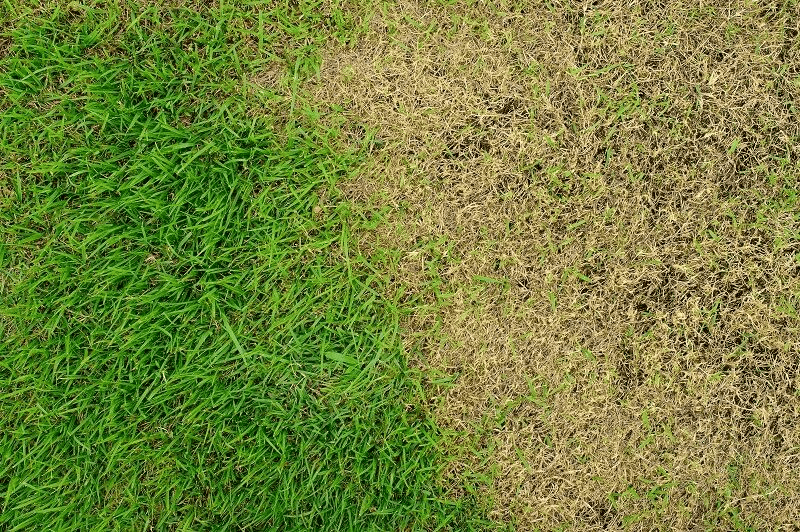
Laying new turf over old grass is a common question for homeowners looking to rejuvenate their lawns without the extensive work of removing the existing grass. While it is possible to lay new turf over existing grass, there are important factors to consider to ensure success.
One of the primary concerns is the health of the underlying grass. If the existing grass is healthy, it can serve as a base for the new turf; however, if it is diseased or infested with pests, it may cause problems for the new sod.
Additionally, the structure of the old grass can affect the installation. For successful sod integration, it’s crucial to prepare the surface adequately to ensure that the new turf adheres properly and establishes roots.
Ultimately, if you decide to proceed with laying new turf over old grass, be aware that it requires careful planning and preparation.
Preparation of the Existing Lawn
Preparing the existing lawn before laying new turf is crucial for a successful outcome. Here are some steps to consider:
See also:
- Mow the Grass: Cut the existing grass as low as possible without scalping it to reduce competition.
- Remove Debris: Clear any leaves, sticks, or other debris to provide a clean surface for the new sod.
- Test Soil Quality: Assess soil pH and nutrients to determine if amendments are needed for optimal grass growth.
Choosing Quality Turf
Selecting high-quality turf is essential for success when laying it over an existing lawn. Here are some points to keep in mind:
- Type of Grass: Choose a turf type that is compatible with the climate and the existing grass type.
- Source: Purchase sod from a reputable supplier to ensure that you receive healthy, disease-free turf.
- Thickness: Look for turf that has a healthy thickness and intact root system to promote quicker establishment.
Watering and Maintenance
Proper watering and maintenance practices are vital after laying new sod over old grass. Consider the following:
- Initial Watering: Water the new sod thoroughly after installation to help it establish roots and remain hydrated.
- Regular Irrigation: Continue to water regularly but avoid overwatering, as this can cause issues with the underlying grass.
- Fertilization: Fertilize the new sod as recommended, typically a few weeks after installation to promote growth.
Potential Issues with Layering
There are potential problems associated with laying turf over old grass that can hinder successful establishment. Be aware of the following:
- Increased Competition: The old grass can compete for nutrients, light, and water with the new sod.
- Pest and Disease Transfer: Any pests or diseases present in the old grass can potentially transfer to the new turf.
- Root Establishment: Newly laid turf may struggle to develop deep roots if the underlying grass remains densely packed.
Long-term Viability
Considering the long-term viability of laying new turf over old grass is crucial for successful lawn maintenance. Look into the following aspects:
- Monitoring Growth: Regularly monitor the new turf for signs of stress or decline.
- Periodic Aeration: Aerate the lawn after a year to improve soil health and promote better root establishment.
- Consider Complete Renovation: If issues persist, reassess the option of completely removing old grass for optimal results.
Can I put artificial turf on top of grass?
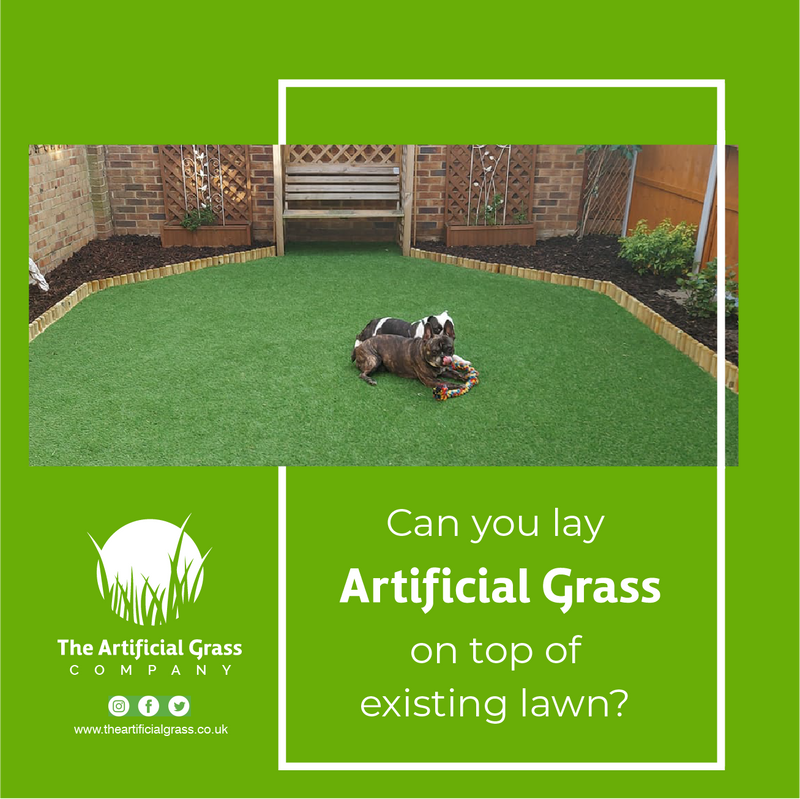
Yes, you can put artificial turf on top of grass, but there are several factors to consider to ensure optimal results and longevity of the installation. Installing artificial turf directly on top of natural grass can lead to numerous challenges, including drainage issues, uneven surfaces, and potential damage to both the turf and underlying grass. Below are detailed considerations to keep in mind when thinking about this installation.
Importance of Proper Preparation
Before laying artificial turf, it is crucial to properly prepare the area. This preparation includes:
- Clearing Debris: Remove any stones, twigs, or other materials from the grass surface.
- Mowing the Grass: Cut the natural grass as low as possible to minimize the height difference.
- Weed Control: Use an appropriate herbicide to eliminate any existing weeds that may interfere with turf installation.
Proper preparation ensures that the artificial turf adheres well and maintains an even surface.
Drainage Considerations
One of the major concerns when installing artificial turf over grass is drainage. Issues can arise such as:
- Water Accumulation: Grass can retain moisture, causing drainage problems beneath the turf.
- Potential Mold Growth: Standing water can lead to mold and mildew buildup, compromising the turf's integrity.
- Surface Instability: Poor drainage can create uneven surfaces, making the field less safe for use.
It's essential to ensure adequate drainage to avoid these issues, possibly requiring additional measures.
Layer Thickness and Stability
Installing artificial turf over grass changes the thickness of the surface, affecting stability. Consider the following:
- Increased Height: Artificial turf adds elevation, which may lead to tripping hazards or drainage issues.
- Surface Smoothness: Any irregularities in the grass may lead to an uneven artificial surface.
- Weight Distribution: The natural grass needs to be capable of supporting the weight of the turf without deformation.
Evaluating the stability of the underlying grass is crucial for a successful installation.
Environmental Impact
Consider the environmental implications of laying turf over grass:
See also:
- Soil Health: Covering natural grass can affect soil quality and health due to lack of sunlight and airflow.
- Native Plant Life: There could be an impact on the existing ecosystem, including neighboring plant life.
- Heat Retention: Artificial turf can absorb heat, which may affect the local environment.
Understanding these environmental effects is important for making an informed decision.
Maintenance Requirements
When installing artificial turf over grass, maintenance practices will differ:
- Regular Inspections: Check for any signs of wear, mold, or degradation beneath the turf.
- Cleaning: Maintain cleanliness to prevent buildup of debris and moisture.
- Weed Management: Even with turf, weeds may still grow from beneath; proactive management is required.
Understanding and implementing proper maintenance will prolong the life of the artificial turf.
How to prepare an old lawn for new turf?

To prepare an old lawn for new turf, follow a systematic approach to ensure a healthy and vibrant lawn. Here's a detailed guide on how to get your old lawn ready for fresh sod.
Assess the Condition of the Existing Lawn
Before proceeding with removing the old grass, it's essential to assess its condition. Look for signs of pest infestations, diseases, or other issues that may affect the new turf. This evaluation will guide your preparation process.
- Identify pests: Check for grubs or other insects that may harm existing grass roots.
- Look for diseases: Inspect for brown patches or discoloration that may indicate fungal infections.
- Evaluate soil health: Consider conducting a soil test to measure nutrient levels and pH balance.
Remove Existing Grass
Once you’ve assessed the old lawn, the next step is to remove it effectively. This can be done manually or with machinery, depending on the extent of the area.
- Use a sod cutter: This machine can efficiently remove strips of grass and roots.
- Hand removal: For smaller areas, you can use a spade or shovel to dig up the old turf.
- Dispose properly: Avoid composting contaminated grass; consider disposing of it appropriately to prevent pest issues.
Prepare the Soil
After removing the old grass, prepare the soil for the new turf. This step is crucial for establishing a healthy lawn.
- Till the soil: Use a rototiller to break up compact soil and improve aeration.
- Add organic matter: Incorporate compost or well-rotted manure to enhance soil fertility.
- Level the surface: Rake the area to create a smooth and even surface, eliminating any low spots.
Treat the Soil
Before laying down new turf, it is important to treat the soil, ensuring it provides the best environment for growth.
- Fertilize: Apply a starter fertilizer to promote root development in the new turf.
- Adjust pH: If necessary, add lime to raise pH or sulfur to lower it based on your soil test results.
- Water properly: Ensure the soil is moist but not saturated, as new turf thrives in well-hydrated soil.
Lay the New Turf
Finally, it’s time to lay the new turf. Proper installation is critical for achieving a lush lawn.
- Choose quality sod: Select healthy, disease-free sod from a reputable supplier.
- Stagger seams: Lay sod pieces in a brick-like pattern to enhance stability and prevent gaps.
- Water immediately: After laying the sod, water it thoroughly to help establish roots quickly.
Questions from Our Readers
Can you lay instant turf over an existing lawn?
Yes, you can lay instant turf over an existing lawn as long as the current turf is healthy and not too thick. It is essential to mow the existing grass short, and ensure that there are no weeds or diseases present to provide the best foundation for the new turf.
What preparation is needed before laying instant turf?
Before laying instant turf, it is important to prepare the existing lawn by mowing it closely, removing any debris, and possibly aerating the soil. Additionally, applying a light layer of topsoil can help improve drainage and promote new growth.
Will the new turf establish well over the old grass?
The ability of new turf to establish over old grass depends on the health of the existing lawn and how well it is prepared. If the old grass is well-maintained and manageable, the new turf has a good chance of rooting properly, but it may take a bit longer for full establishment.
See also:
What care is required after laying instant turf?
After laying instant turf, it is crucial to maintain proper moisture levels, especially during the first few weeks. Regular watering and avoiding foot traffic will help the new turf establish strong roots in the underlying soil. Additionally, monitoring for any signs of pests or diseases is important for long-term health.

If you want to read more articles like Can You Lay Instant Turf Over an Existing Lawn? Essential Tips and Considerations, we recommend you check out our Turf category.
Leave a Reply
Related Articles