Can You Keep a Common Garden Skink as a Pet? Everything You Need to Know
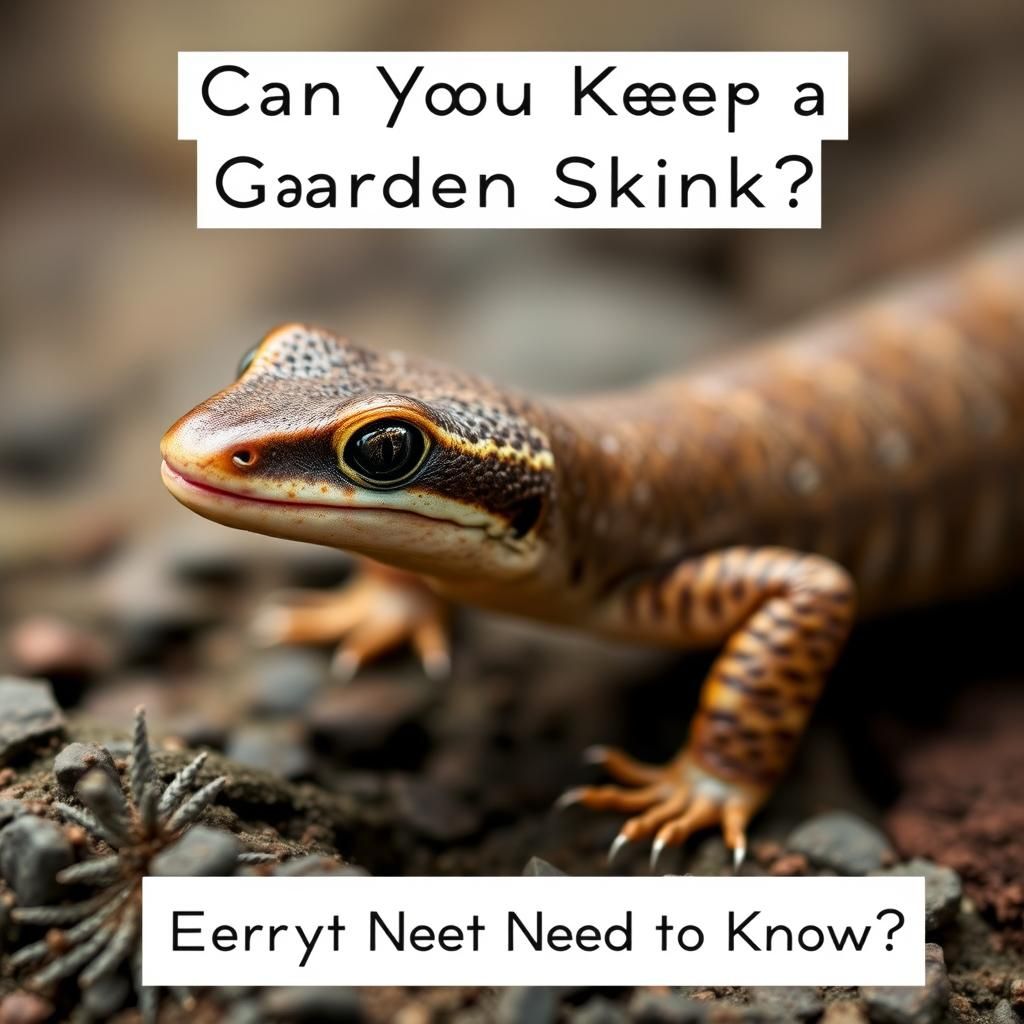
The common garden skink, a small and agile lizard, has piqued the interest of many potential pet owners due to its vibrant appearance and relatively simple care requirements. However, before deciding to bring one into your home, it's crucial to understand their specific needs and characteristics. From habitat setup to dietary preferences, this comprehensive guide will explore everything you need to know about keeping a common garden skink as a pet. Whether you’re a seasoned reptile enthusiast or a first-time pet owner, understanding these fascinating creatures will help ensure their well-being and enhance your experience as a pet keeper.
Is it Viable to Keep a Common Garden Skink as a Pet?
Keeping a common garden skink as a pet can be a rewarding experience for those interested in reptiles. These small, typically 4 to 10 inches long, lizards are generally known for their docile nature and vibrant colors, which can make them an attractive addition to a reptile collection. However, it is essential to understand their specific care requirements, including habitat, diet, and social needs, before committing to bringing one into your home. Furthermore, potential pet owners should ensure that they acquire their skinks from reputable sources to avoid contributing to wildlife trafficking and to promote responsible pet ownership.
Ideal Habitat for Common Garden Skinks
The ideal habitat for a common garden skink should mimic their natural environment, which includes a warm, humid climate and plenty of hiding spots. A terrarium of at least 10 gallons is recommended, providing ample space for them to explore. They thrive in temperatures between 75°F and 85°F, with a basking spot reaching up to 95°F. Incorporating elements like rocky hides, live plants, and a substrate of coconut fiber can help replicate their habitat, allowing them to burrow and feel secure.
Dietary Needs of Common Garden Skinks
Common garden skinks are insectivores primarily, meaning their diet should consist mainly of insects such as crickets, mealworms, and roaches. Supplementation with calcium and multivitamin powders is essential to ensure their health, especially when they are hatchlings, as they require more nutrients for growth. Providing a dish of fresh water is also critical for hydration, and it's advisable to gut-load the insects before feeding to increase their nutritional value.
Common garden skinks are generally solitary creatures, often preferring to be alone rather than in groups. While they can be kept individually without issue, they may occasionally tolerate another skink in the same habitat if they are introduced properly. Understanding their temperament is crucial; they can become stressed if handled too frequently or improperly, so it’s essential to allow them a stress-free environment. Gentle handling and patience can help them become more accustomed to their owners over time.
See also:
Health Considerations for Pet Skinks
Regular health checks are vital for pet skinks to prevent and manage conditions such as metabolic bone disease, which is often linked to inadequate UVB lighting and improper diet. Signs of illness may include lethargy, lack of appetite, and abnormal behavior. Keeping their habitat clean and ensuring appropriate temperature gradients are also crucial for their overall well-being. If any health issues arise, consulting a veterinarian experienced with reptiles is strongly advised.
Legal and Ethical Considerations of Keeping Skinks
Potential pet owners should be aware of the legal and ethical implications surrounding the capture and ownership of common garden skinks. In many regions, it is illegal to capture wild skinks for personal use due to conservation laws aimed at protecting native species. Additionally, acquiring skinks from reputable breeders is crucial to ensure that you are not contributing to the decline of wild populations. Researching local laws and regulations is essential before making a decision to keep them as pets.
| Aspect | Details |
|---|---|
| Habitat Size | At least 10 gallons |
| Temperature Range | 75°F to 85°F |
| Diet | Insects (crickets, mealworms) |
| Social Behavior | Generally solitary |
| Health Check | Regular monitoring needed |
Understanding the Habitat Requirements for Common Garden Skinks
Common Garden Skinks, or Lampropholis guichenoti, thrive in a range of environments, but to keep them as pets, it's crucial to mimic their natural habitat effectively. They usually prefer environments that offer plenty of hiding spots, such as rocks, logs, and dense vegetation, as well as areas to bask in sunlight. An optimal tank setup should include both warm and cooler zones, with temperatures ranging between 75°F and 85°F. Additionally, maintaining a humidity level of around 40-60% is essential for their health, as they can become dehydrated in overly dry environments. Providing a proper substrate, like coconut fiber or peat moss, will assist with moisture retention and allow for natural burrowing behaviors.
Diet and Feeding Habits
The diet of a Common Garden Skink consists primarily of insects, such as crickets, mealworms, and various other invertebrates. They are carnivorous and require a balanced diet to thrive in captivity. It's important to dust their food with vitamins and calcium supplements to prevent nutritional deficiencies. Feeding should typically occur every two to three days, ensuring that any uneaten food is removed to maintain a clean environment. Additionally, offering occasional fruit or vegetable treats can provide necessary fiber and added nutrients.
Handling and Interaction
While Common Garden Skinks can display a degree of tameness, they are generally not known for being overly affectionate. It's important to handle them gently and with care, as they may become stressed or drop their tails when frightened. Spending time with them in a quiet and calm setting can help them become more accustomed to your presence. Short handling sessions are recommended to avoid causing them stress, allowing your skink to feel safe in their environment. Establishing trust takes time, so patience is key.
See also:
Health Issues to Monitor
Keeping an eye on the health and well-being of your skink is paramount. Common health issues that may arise include respiratory infections, due to poor humidity or temperature regulation, and parasite infestations. Signs of illness may include lethargy, lack of appetite, or abnormal behavior. Regular check-ups with a reptile veterinarian can help ensure that your skink remains in good health. Providing a clean, well-maintained habitat is essential for preventing numerous health issues and ensuring longevity.
Choosing the Right Enclosure
The enclosure for a Common Garden Skink should be spacious enough to allow for exploration and activity. A terrarium of at least 20 gallons is suitable for one skink, incorporating hiding spots and climbing branches. The tank should have a secure lid to prevent escapes, as skinks are curious and agile. It's also necessary to include a water dish that is shallow enough to prevent drowning but sufficient for hydration. Adding plants or other decorations can simulate a more natural environment and enrich their habitat.
Breeding Considerations
Breeding Common Garden Skinks in captivity requires careful consideration and preparation. They typically breed in the spring and summer months, with females laying eggs in hidden areas. To successfully breed them, it's important to provide the right environmental cues, such as temperature fluctuations and increased humidity. Once the eggs are laid, they require a specific incubation period and conditions to ensure successful hatching. Prospective breeders should be prepared to care for both the hatchlings and the establishment of their habitat as they grow.
Questions from Our Readers
Can you keep a common garden skink as a pet?
Yes, you can keep a common garden skink as a pet, but it's important to ensure you provide the right habitat and care for them. These lizards can be interactive and are generally low-maintenance, making them suitable for enthusiasts looking for an exotic pet.
What do common garden skinks eat?
Common garden skinks are primarily insectivores, meaning their diet mainly consists of insects like crickets, mealworms, and small beetles. It is essential to provide a balanced diet with the right nutrients to keep them healthy and thriving in captivity.
See also:
How big do common garden skinks get?
Common garden skinks typically reach a length of about 10 to 20 centimeters (4 to 8 inches) when fully grown. Their small size makes them manageable pets, but it's crucial to accommodate their space needs adequately in any enclosure.
What kind of habitat do common garden skinks need?
To thrive, common garden skinks need a well-maintained enclosure with plenty of hiding spots, such as rocks, plants, and substrate that retains moisture. Proper temperature and humidity levels are also crucial for their well-being and overall health.

If you want to read more articles like Can You Keep a Common Garden Skink as a Pet? Everything You Need to Know, we recommend you check out our Ninguna de las categorías propuestas es adecuada para el artículo mencionado. category.
Leave a Reply
Related Articles