Can You Just Throw Vegetable Scraps in the Garden? Exploring the Best Practices for Sustainable Gardening
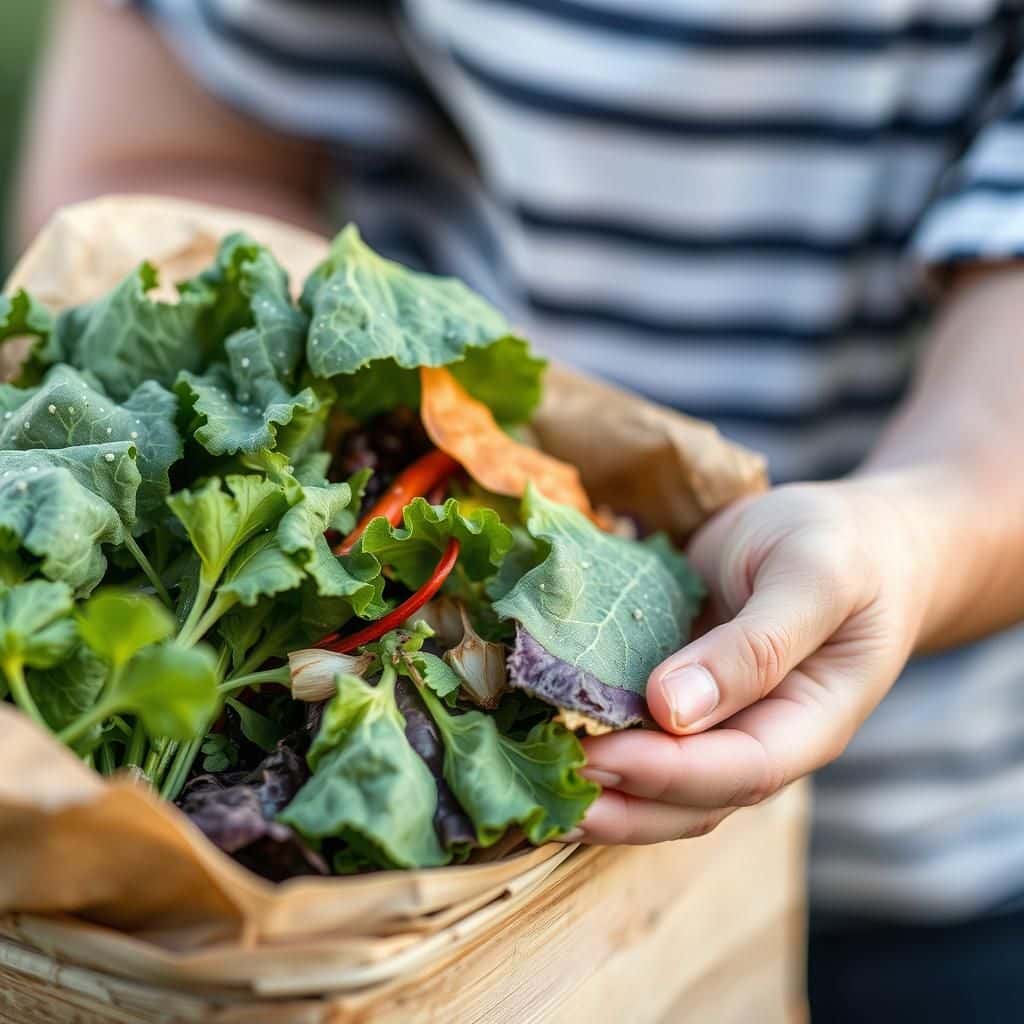
Sustainable gardening practices are gaining traction as more people seek eco-friendly ways to nourish their gardens. One common question among gardeners is whether vegetable scraps can be thrown directly into the garden. While this practice may seem beneficial at first glance, understanding the best methods for incorporating food waste is crucial for promoting soil health and reducing pests. This article will explore the dos and don'ts of using vegetable scraps in your garden, highlighting the benefits and potential drawbacks. By following best practices, gardeners can effectively contribute to a more sustainable ecosystem while enhancing their plant growth.
Can You Just Throw Vegetable Scraps in the Garden?
While it might seem convenient to simply throw vegetable scraps directly into your garden, it's essential to consider how this practice can impact both your garden and the local ecosystem. Directly tossing scraps may attract pests and rodents, lead to unwanted odors, and result in uneven nutrient distribution. Instead, it is often more beneficial to compost these scraps first. Composting helps break down the scraps into nutrient-rich organic matter, which can improve soil structure and provide essential nutrients to your plants when properly added to the garden.
Benefits of Composting Vegetable Scraps
Composting vegetable scraps offers numerous benefits, including the creation of rich fertilizer for your garden, which can enhance soil fertility and promote healthier plant growth. By composting, you also reduce waste that would otherwise end up in landfills, contributing to a more sustainable environment. Additionally, composting improves soil structure, helping retain moisture and allowing for better aeration, which can significantly boost plant health.
Risks of Throwing Scraps Directly
If you throw vegetable scraps directly into your garden, you may encounter several risks such as attracting pests like rats, mice, and various insects. This can disrupt the natural balance of your garden ecosystem and lead to diseases or infestations. Moreover, decomposing scraps may emit foul odors, making your garden less pleasant. If not properly managed, the scraps can also become a breeding ground for pathogens that might affect your plants.
What Vegetable Scraps to Use
Not all vegetable scraps are suitable for direct use in the garden. For example, scraps from diseased plants or those that have been treated with pesticides can harm your garden. Common safe vegetable scraps include peels, stems, and leaves from healthy, unwaxed produce. A good rule of thumb is to ensure that any scraps you add contribute positively to soil health rather than detracting from it through toxicity or disease.
Composting Techniques for Vegetable Scraps
Effective composting techniques involve balancing green materials, like vegetable scraps, with brown materials, such as dried leaves or cardboard. This balance ensures that the compost breaks down efficiently and prevents issues like odor or slow decomposition. It’s also vital to aerate your compost pile by turning it regularly, which allows for good airflow and speeds up the composting process. Maintaining moisture is crucial as well, as too dry or too wet conditions can hinder decomposition.
How to Incorporate Compost into the Garden
Once you have successfully composted your vegetable scraps, incorporating the compost into your garden can significantly benefit your plants. Spread a layer of finished compost around the base of your plants or mix it into the top few inches of your garden soil. This not only provides a slow-release source of nutrients but also improves soil structure and water retention. Be sure to avoid piling compost directly against plant stems, as this can promote rot.
| Vegetable Scraps | Suitable for Compost | Not Suitable for Compost |
|---|---|---|
| Carrot peels | Yes | No |
| Potato skins | Yes | No |
| Lettuce leaves | Yes | No |
| Onion skins | Yes | No |
| Scraps from diseased plants | No | Yes |
What vegetables should you not compost?
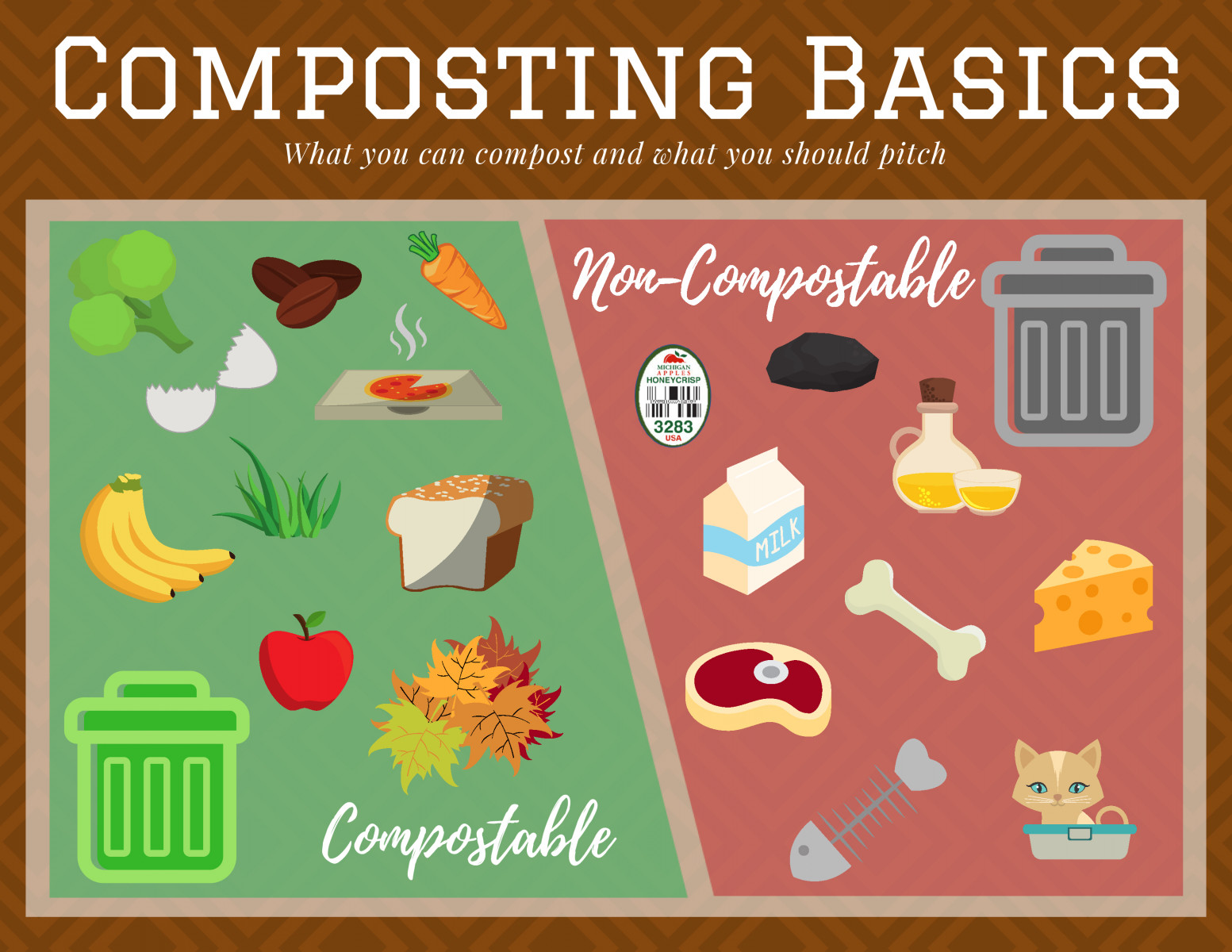
When considering what vegetables to compost, it's crucial to be aware that not all vegetables are suitable for composting. Certain types can attract pests, contribute to unpleasant odors, or disrupt the composting process. Here are some vegetables that should generally be avoided in your compost bin.
1. Vegetables with High Water Content
Vegetables that have a high water content, such as cucumbers, zucchini, and lettuce, can cause several issues when composted. They tend to create an environment that is too wet, leading to anaerobic conditions. This can result in a slimy texture and foul odors.
See also:
- Cucumbers - Their high moisture can lead to excess water in the compost.
- Lettuce - Quickly decays, contributing to odor and wetness.
- Zucchini - Can become mushy and difficult to manage within the compost.
2. Cooked Vegetables
Cooked vegetables should be avoided in composting because they can include oils, fats, or seasonings that inhibit the composting process. Furthermore, these ingredients can attract pests like rodents and insects, leading to further complications.
- Pasta - Often prepared with oils that can disrupt microbial activity.
- Rice - Can become a breeding ground for pests.
- Potatoes - Contains oils when cooked, which can interfere with composting.
3. Onions and Garlic
Both onions and garlic can release strong odors during decomposition, which may attract unwanted pests. Their high sulfur content can also inhibit the growth of beneficial microorganisms necessary for a balanced compost.
- Onions - Can produce a pungent smell that deters beneficial insects.
- Garlic - Similar to onions, it can affect the composting environment.
- Shallots - Also possesses strong odors that can be problematic.
4. Brassicas
Vegetables belonging to the Brassica family, such as cabbage, broccoli, and cauliflower, may attract pests like cabbage moths and aphids. These insects can thrive on decaying Brassica materials in your compost, leading to infestations.
- Cabbage - Often brings in unwanted pests during the composting process.
- Broccoli - Can be a host for insect larvae.
- Kale - Also belongs to the Brassica family and can attract similar pests.
5. Potato Peels
While making compost, it's advisable to limit the addition of potato peels. This is because they can harbor diseases such as late blight, which can survive in the compost and potentially affect future crops.
- Raw Potato Peels - Can carry pathogens that may not decompose properly.
- Sprouted Peels - The sprouts can propagate diseases in the compost.
- Green Potatoes - Can contain solanine, a toxic compound harmful to plants.
Can you compost straight into the garden?

Yes, you can compost straight into the garden, a practice often referred to as in-garden composting. This method integrates organic waste directly into the soil, enriching it and promoting healthy plant growth. This approach allows for efficient decomposition as microorganisms and soil life break down the materials on-site. It's an excellent way to recycle kitchen scraps, yard waste, and other organic materials, effectively turning them into nutrient-rich humus over time.
Benefits of Composting Directly in the Garden
Composting directly in the garden has numerous advantages that enhance soil health and plant vitality. The process is straightforward and allows for immediate nutrient availability to plants. Key benefits include:
- Improved Soil Structure: Incorporating compost enhances aeration and water retention in the soil.
- Nutrient-Rich Amendments: Compost provides essential nutrients required for plant growth.
- Reduction of Waste: Composting kitchen and garden scraps reduces the volume of waste sent to landfills.
Methods for Composting in the Garden
There are various methods to compost directly in the garden, each with its unique advantages. These methods include:
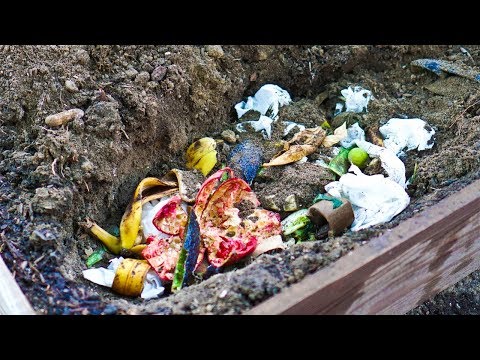
- Trench Composting: Digging a trench and layering organic materials creates an oxygen-rich environment for decomposition.
- Sheet Composting: Spreading organic matter directly on the soil's surface allows for gradual decomposition and nutrient absorption.
- Pit Composting: Burying compostable materials in a pit helps them decompose slowly, enriching the surrounding soil.
What Can Be Compacted?
When composting in the garden, it's essential to know what materials are suitable for the process. Here’s a list of materials you can compost:
- Kitchen Scraps: Fruits, vegetables, coffee grounds, and eggshells are excellent additions.
- Yard Waste: Grass clippings, leaves, and small branches provide carbon sources for the compost.
- Paper Products: Cardboard and newspaper (non-glossy) can help balance carbon and nitrogen ratios.
Maintaining Your In-Garden Compost
To ensure effective composting in the garden, maintenance is crucial. Consider the following practices:
See also:
- Layering Materials: Alternate between green materials (nitrogen-rich) and brown materials (carbon-rich) for optimal composting.
- Moisture Control: Keep the compost damp, similar to a wrung-out sponge, but not overly wet.
- Aeration: Occasionally turning the compost helps incorporate oxygen, speeding up the breakdown process.
Potential Drawbacks of In-Garden Composting
While composting in your garden can be beneficial, some drawbacks can arise. Be aware of these potential issues:
- Pests: Attracting unwanted insects and rodents if not managed properly.
- Odors: Improper balance of materials can lead to unpleasant smells.
- While Decomposition Takes Time: Some materials will take longer to break down, which may delay nutrient availability for plants.
Can you put vegetable peelings in garden waste?
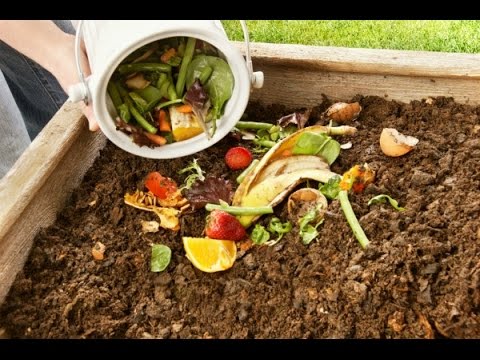
Yes, you can put vegetable peelings in garden waste. Vegetable peelings are considered organic waste, which is suitable for composting and can significantly contribute to the health of your garden. When added to garden waste, these peelings break down and improve soil quality, replenish nutrients, and support the overall ecosystem of your garden. Here are some important aspects to consider about using vegetable peelings in garden waste.
Benefits of Adding Vegetable Peelings to Garden Waste
Adding vegetable peelings to garden waste offers several benefits that can enhance the health of your garden:
- Nutrient-Rich Compost: Vegetable peelings are rich in nutrients, including nitrogen, phosphorus, and potassium, which are essential for plants.
- Soil Enrichment: As they decompose, these peelings improve soil structure, promote aeration, and enhance moisture retention in the soil.
- Waste Reduction: Disposing of vegetable peelings in garden waste reduces the amount of waste sent to landfills, promoting sustainability.
Types of Vegetable Peelings Suitable for Garden Waste
Not all vegetable peelings are created equal, and some are more beneficial than others. Here are the types that are generally suitable:
- Carrot and Potato Peelings: These are highly compostable and provide good nutrients to the soil.
- Fruit and Vegetable Scraps: Leftover parts from cucumbers, apples, and citrus fruits are excellent additions.
- Onion and Garlic Skins: Though they take longer to decompose, they are also beneficial and can deter some pests.
How to Properly Dispose of Vegetable Peelings
To maximize the benefits of vegetable peelings in your garden waste, consider the following disposal methods:
- Chop Them Up: Smaller pieces decompose faster, making it easier for microbial action to occur.
- Mix with Other Green Waste: Combine with grass clippings or leaves to ensure a good balance of green and brown materials.
- Aerate Regularly: Turn the compost heap to introduce oxygen, which helps the decomposition process.
Potential Issues with Vegetable Peelings in Garden Waste
There are some potential issues to keep in mind when adding vegetable peelings to your garden waste:
- Attracting Pests: Certain peelings may attract pests if not composted properly; cover them with other materials.
- Odor Problems: If not managed well, decomposing vegetable matter can produce unpleasant odors.
- Risk of Disease: Always ensure that peelings are from healthy vegetables to prevent introducing pathogens into the compost.
Composting vs. Garden Waste Disposal
Understanding the differences between composting and simply disposing of into garden waste is crucial:
- Composting: This controlled process allows for faster decomposition and nutrient-rich compost production.
- Landfill Disposal: When not composted, vegetable peelings may contribute to methane emissions in landfills.
- Effective Use of Space: Composting allows you to utilize kitchen scraps efficiently, turning waste into resourceful compost.
Questions from Our Readers
Can I throw vegetable scraps directly into my garden?
Yes, you can throw vegetable scraps directly into your garden, but it is important to consider how you do it. Simply burying the scraps can help them decompose faster, enriching the soil with nutrients. However, avoid adding plant material that is diseased or has gone to seed, as this could harm your garden.
What types of vegetable scraps are safe to use in the garden?
Safe vegetable scraps for your garden include peels, cores, and trimmings from fruits and vegetables. These scraps can enhance soil fertility when broken down, providing beneficial nutrients. It's best to avoid processed scraps, such as those from cooked vegetables, as they may attract pests.
See also:
Will vegetable scraps attract pests in my garden?
Yes, vegetable scraps can attract pests if not managed properly. To minimize this risk, it's advisable to bury the scraps deep in the soil or cover them with soil after tossing them in the garden. This reduces the likelihood of attracting unwanted insects or animals that might dig them up.
How long does it take for vegetable scraps to decompose in the garden?
The decomposition time for vegetable scraps can vary, typically ranging from a few weeks to several months, depending on factors such as climate, moisture, and soil microorganisms. Incorporating the scraps into the soil can speed up this process, allowing nutrients to become available to plants more quickly.
If you want to read more articles like Can You Just Throw Vegetable Scraps in the Garden? Exploring the Best Practices for Sustainable Gardening, we recommend you check out our Compost category.
Leave a Reply
Related Articles