Discover the Benefits: Can You Grow Plants in a Greenhouse All Year Long?

Greenhouses offer a unique solution for cultivating plants throughout the year, providing a controlled environment that enhances growth and productivity. This article explores the myriad benefits of using greenhouses, highlighting how they enable gardeners to extend their growing seasons, protect plants from harsh weather, and cultivate a diverse array of crops regardless of external climate conditions. Whether you're a hobbyist or a professional gardener, understanding the potential of greenhouses can transform your planting strategies and yield. Dive into the world of year-round gardening and discover how this versatile structure can revolutionize your approach to growing plants.
Can You Grow Plants in a Greenhouse All Year Long?
Yes, you can grow plants in a greenhouse all year long, as greenhouses provide a controlled environment that can help maintain optimal conditions for plant growth regardless of external weather conditions. By managing factors such as temperature, humidity, light, and ventilation, greenhouse owners can create ideal conditions for various types of plants during any season. This enables the cultivation of crops, flowers, and other plants that might otherwise struggle to thrive in the local climate, allowing for extended growing seasons and increased yields.
Benefits of Year-Round Greenhouse Gardening
One of the primary benefits of year-round greenhouse gardening is the ability to start growing plants earlier in the spring and extend the growing season deep into the fall or even winter. This allows for a wider variety of crops to be cultivated throughout the year. Additionally, the greenhouse protects plants from extreme weather conditions, reducing the risk of pests and diseases and promoting healthier growth. Gardeners can also fine-tune the climate to suit specific plant needs, resulting in better overall productivity.
Common Plants Grown Year-Round in Greenhouses
Many plants can be successfully grown year-round in greenhouses, including herbs, vegetables, and ornamental plants. Common choices include lettuce, spinach, tomatoes, and peppers, as well as herbs like basil and cilantro. Additionally, flowers such as pansies and geraniums can also thrive in controlled greenhouse conditions. The choice of plants often depends on the climate inside the greenhouse and how effectively it can simulate the ideal growth conditions for specific species.
Temperature Control in a Greenhouse
Temperature control is crucial for year-round growing in a greenhouse. Using heating systems, such as electric heaters or propane furnaces, can maintain the optimal temperature during colder months. Conversely, ventilation systems, such as fans and vent openings, help reduce temperatures during heat waves. The ability to regulate temperature effectively allows for a stable environment that supports healthy plant growth throughout the year, regardless of the external climate.
Managing Light and Humidity Levels
Properly managing light and humidity levels is essential for successful year-round plant growth in a greenhouse. Supplemental lighting can be utilized during shorter winter days to ensure plants receive enough light for photosynthesis. Humidity control can be achieved through dehumidifiers and proper ventilation to prevent mold and mildew. Maintaining the right balance of light and moisture was essential in maximizing plant health and productivity.
Seasonal Crop Rotation in Greenhouses
Implementing seasonal crop rotation can be beneficial for maximizing yield and maintaining soil health in a greenhouse environment. By alternating different plant families, gardeners can minimize pest and disease buildup while ensuring that the soil remains nutrient-rich. This practice supports the growth of diverse crops throughout the year and can help gardeners make the most of their greenhouse investment.
| Aspect | Details |
|---|---|
| Temperature Control | Use heating systems in winter, ventilation during summer |
| Lighting | Supplemental lighting for short winter days |
| Humidity Management | Dehumidifiers and ventilation to prevent mold |
| Crop Rotation | Alternate crops to maintain soil health and reduce pests |
| Common Plants | Lettuce, herbs, tomatoes, and season-appropriate flowers |
Can you leave plants in a greenhouse all winter?
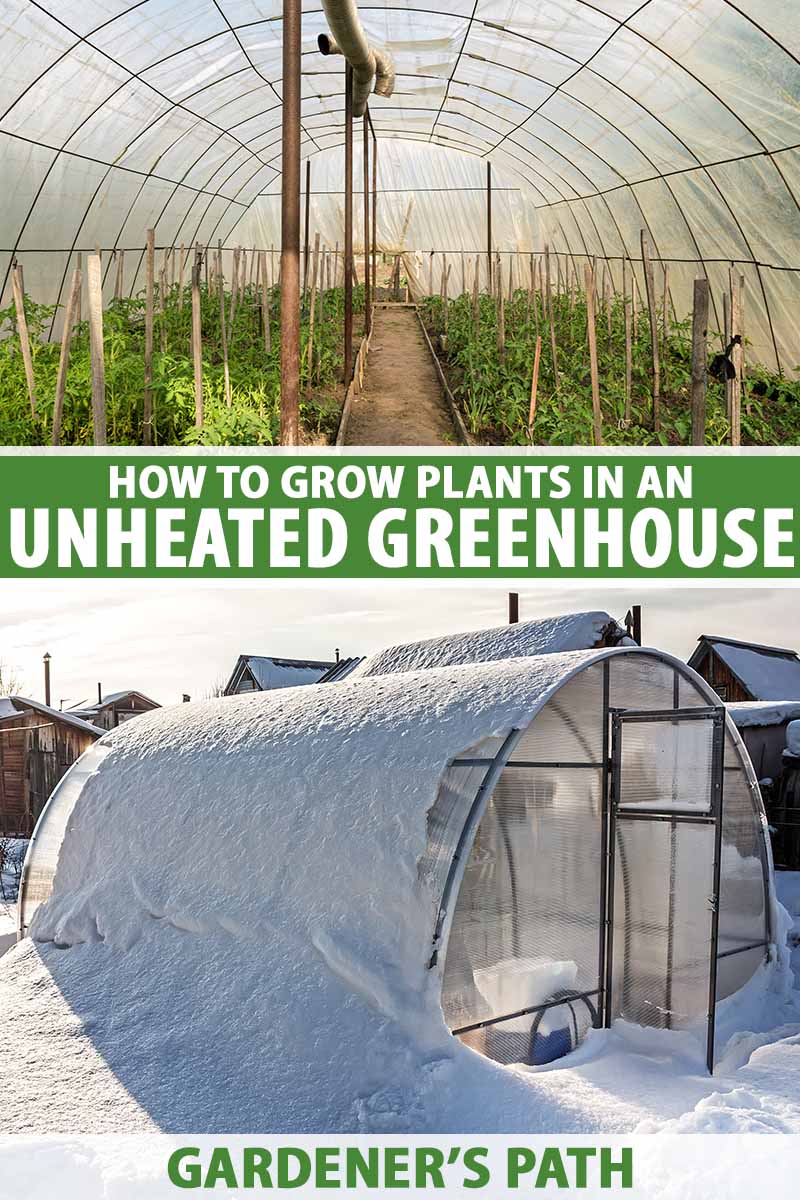

Yes, you can leave plants in a greenhouse all winter, but several factors need to be considered to ensure their health and survival. A greenhouse can provide a more controlled environment compared to the outdoors, moderating temperature and protecting plants from harsh winter conditions. However, the success of overwintering plants in a greenhouse depends on the type of plants, the greenhouse conditions, and proper care during the winter months.
Understanding Plant Hardiness
Different plants have varying hardiness levels, which dictate whether they can survive winter in a greenhouse. Understanding the specific needs of the plants you are growing is crucial.
- Hardy plants: Typically, these plants can survive colder temperatures and are more resilient to frost.
- Half-hardy plants: These plants can survive light frosts but may need additional protection or time to acclimatize.
- Tender plants: These require frost-free conditions and should generally be moved indoors or provided with sufficient heat.
Temperature Control in a Greenhouse
Managing the temperature within your greenhouse is essential, especially during winter months.
- Heating systems: Consider using heaters or thermal mass options like water barrels to stabilize temperature fluctuations.
- Insulation: Ensure your greenhouse is well-insulated to retain heat. Use bubble wrap or thermal curtains if necessary.
- Ventilation: Even in winter, it’s important to ensure proper airflow to avoid mold and pests while keeping plants warm.
Watering Needs in Winter
Plants in a greenhouse require careful management of watering during winter months.
- Reduced watering: Most plants will require less water in winter due to lower light levels and cooler temperatures.
- Check soil moisture: Always check the soil moisture level to avoid over or under-watering.
- Humidity control: Monitor humidity levels as they may drop significantly, and consider using a humidifier if needed.
Light Considerations
Light availability significantly affects plant growth during winter, even in a greenhouse.
- Natural light: Shorter days mean less natural light; position plants to maximize exposure to sunlight.
- Supplemental lighting: Consider using grow lights to provide additional light for plants that require more than what is available.
- Rotate plants: Regularly rotate plants to ensure even light distribution among them.
Pest and Disease Management
Even in a greenhouse, plants can be susceptible to pests and diseases during winter months.
- Regular inspections: Frequently check plants for signs of pests or disease to catch any issues early.
- Sanitation: Maintain cleanliness within the greenhouse environment to reduce the risk of pathogens.
- Organic pest control: Use organic methods or beneficial insects to manage pest populations safely.
How can I heat my greenhouse for free in winter?
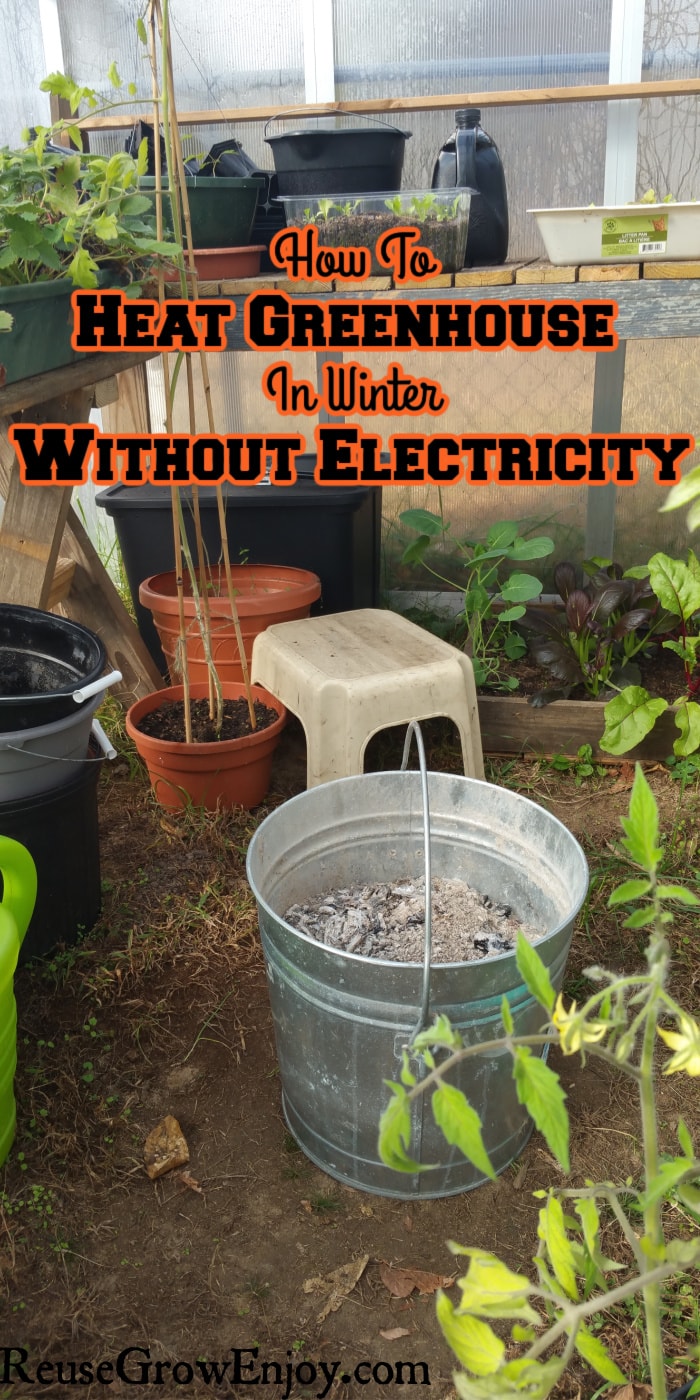
Utilize Thermal Mass
To effectively heat your greenhouse for free, consider implementing thermal mass. This method involves storing heat during the day and releasing it during the cooler nights. Use materials like water barrels, bricks, or concrete to absorb heat from sunlight.
See also:
- Water Barrels: Position dark-colored water barrels near sunlight to absorb heat during the day.
- Stone or Brick Walls: Incorporate stone or brick into your greenhouse's structure to provide thermal mass.
- Insulated Floors: Use materials like sand or gravel that can absorb and retain heat to create an insulated flooring system.
Implement Passive Solar Design
Incorporating passive solar design techniques can significantly enhance your greenhouse's ability to harness natural heat. Positioning your greenhouse to maximize sunlight exposure can help maintain a warmer environment.
- Orientation: Ensure your greenhouse is oriented to capture maximum sun, typically with a south-facing facade.
- Glazing Materials: Choose high-quality glazing such as polycarbonate or greenhouse film that allows ample sunlight in.
- Overhangs: Utilize overhangs to reduce excessive heat during the summer while allowing sunlight in during winter.
Use Composting as a Heat Source
Composting generates heat through the decomposition process, which can be harnessed to warm your greenhouse. Utilizing compost effectively can lower the overall heating costs.
- Active Compost Piles: Keep an actively managed compost pile nearby that can release heat as it decomposes.
- Compost Bins: Install compost bins within or adjacent to the greenhouse to utilize the heat produced.
- Temperature Monitoring: Regularly monitor the temperature of your compost to ensure optimal heating is achieved.
Introduce Plants with Heat-Retaining Properties
Certain plants have the capability to retain heat, creating a warmer environment around them. Utilizing these can enhance the warmth within your greenhouse naturally.
- Choose Deciduous Plants: Include deciduous plants that lose their leaves in winter, allowing sunlight to reach other plants.
- Use Succulents: Incorporate succulents which can store moisture and help in maintaining a moderate temperature.
- Strategic Spacing: Space plants wisely to ensure optimal airflow and sunlight penetration throughout the greenhouse.
Optimize Ventilation and Insulation
Proper ventilation and insulation are critical to maintaining a balance between heat retention and air circulation. This can greatly influence the overall temperature of your greenhouse.
- Seal Gaps: Ensure all openings, including doorways, are sealed to prevent drafts while allowing for natural air circulation.
- Use Thermal Curtains: Install thermal curtains that can trap heat during the night and insulate the greenhouse.
- Passive Ventilation: Incorporate roof vents or side vents to facilitate passive ventilation without losing heat rapidly.
Questions from Our Readers
Can you grow plants in a greenhouse all year long?
Yes, you can grow plants in a greenhouse all year long. A greenhouse provides a controlled environment that can protect plants from harsh weather conditions and extend growing seasons, allowing for year-round cultivation. By utilizing heating systems and proper ventilation, you can create ideal growing conditions regardless of the outside climate.
What types of plants can be grown year-round in a greenhouse?
In a greenhouse, you can grow a variety of plants year-round, including vegetables, herbs, and flowers. Common choices are leafy greens like spinach and lettuce, culinary herbs like basil, and even fruits like tomatoes and peppers. Choosing the right plants depends on the temperature and light conditions you can maintain inside the greenhouse.
Do I need to provide additional heating in winter?
Yes, providing additional heating in winter is often necessary to maintain optimal temperatures for plant growth in a greenhouse. During colder months, temperatures can drop significantly, so heaters or heat mats may be required to ensure that sensitive plants do not suffer from cold stress or frost damage.
How do I regulate humidity in a greenhouse?
Regulating humidity in a greenhouse is crucial for plant health and can be achieved through several methods. You can use ventilation to allow fresh air in and reduce humidity levels, while humidifiers can add moisture when needed. Monitoring humidity levels with a hygrometer will help you maintain the ideal environment for your plants.
See also:

If you want to read more articles like Discover the Benefits: Can You Grow Plants in a Greenhouse All Year Long?, we recommend you check out our Greenhouse category.
Leave a Reply
Related Articles