Can You Cut a Tree Fern in Half and Replant? A Complete Guide to Successful Propagation
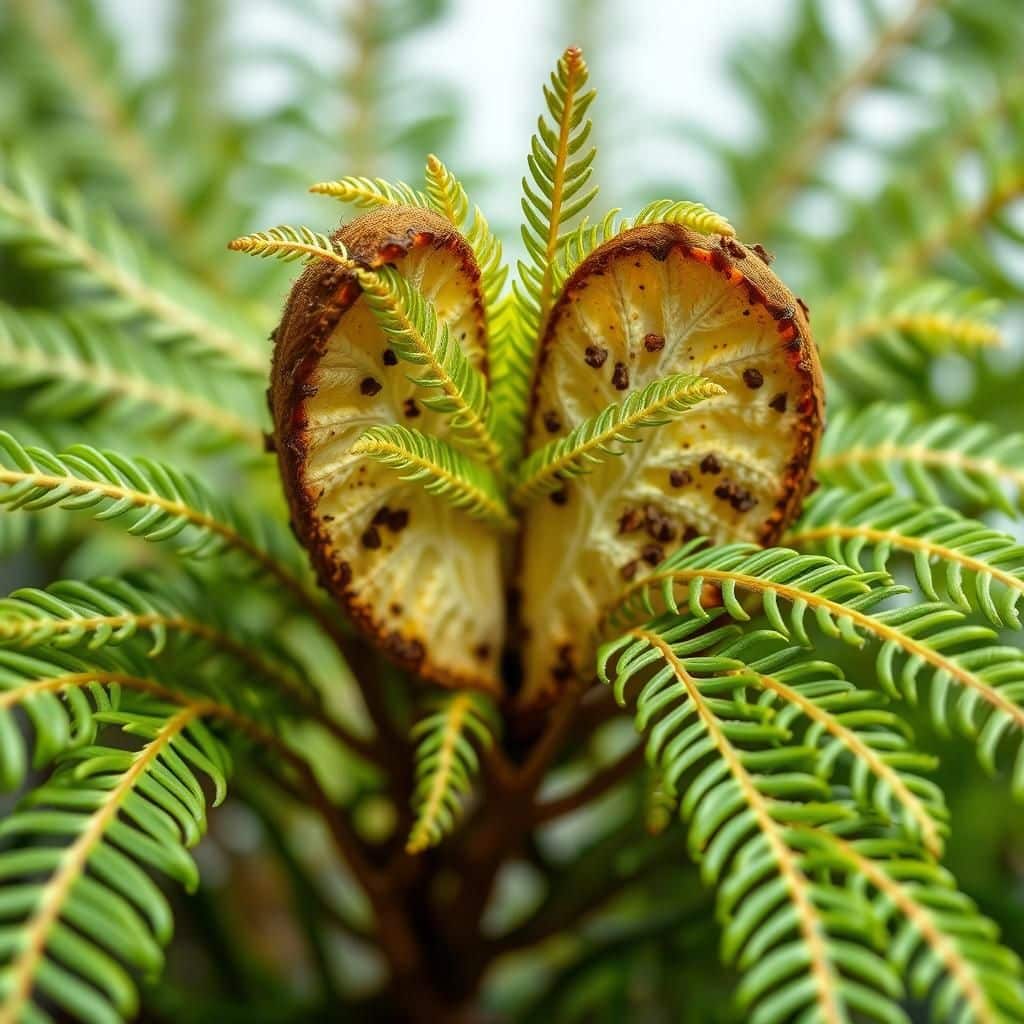
Tree ferns are unique and stunning plants that can add a tropical flair to any garden. Many gardeners wonder if it's possible to propagate these beautiful specimens by cutting them in half and replanting the sections. This article provides a complete guide to this intriguing method of propagation, exploring the best practices and considerations for successfully cutting and replanting tree ferns. From understanding the plant's anatomy to ensuring optimal growing conditions post-propagation, we will cover everything you need to know to experiment with this technique. Join us as we delve into the world of tree fern propagation and discover the secrets to thriving plants.
Can You Cut a Tree Fern in Half and Replant?
Cutting a tree fern in half is generally not recommended, as these plants do not respond well to severe pruning. Tree ferns have a unique structure and growth habit; they consist of a trunk-like stem topped with a rosette of fronds. When cut in half, the plant may struggle to heal and maintain its health, often leading to decay or even death. Instead of cutting, it's better to propagate tree ferns through methods such as division of offsets or spores, ensuring the plant remains thriving and healthy.
Understanding Tree Fern Structure
Tree ferns are unique in their anatomy, comprising a trunk made of a dense mass of fibers instead of wood, which provides flexibility and support. This trunk allows them to grow tall and establish a prominent presence in the landscape. Above this trunk, a crown of fronds emerges, which are critical for photosynthesis. Understanding this structure helps in recognizing why cutting a tree fern in half may disrupt its ability to survive.
Growth and Maintenance of Tree Ferns
Tree ferns thrive in humid environments with filtered light, flourishing in well-draining soil. Regular maintenance involves providing ample moisture and avoiding drought. They should not be subjected to extreme weather conditions, which can stress the plant. As these ferns grow, their fronds can become large, requiring careful management to avoid any physical damage during pruning routines.
Propagation Techniques for Tree Ferns
Instead of cutting a tree fern in half, successful propagation can be achieved through division of the offsets, which are small plants that grow at the base of the main trunk. Another method is collecting spores from the fronds. Both of these techniques ensure that the new plant maintains genetic integrity and health, allowing for growth that resembles the parent plant.
Potential Risks of Cutting Tree Ferns
Cutting a tree fern can lead to various risks, including disease exposure and structural instability. Without the ability to heal from such a traumatic cut, the plant becomes vulnerable to pests and environmental stressors. These factors can stunt growth or lead to eventual decay. Therefore, it is crucial to weigh these risks before making any cuts.
Alternatives to Cutting a Tree Fern
For gardeners looking to manage the size or shape of their tree fern, alternatives include selective pruning of fronds or using supports to reshape branches. Additionally, creating an ideal growth environment helps to manage the overall proximity and health of the plant. These methods promote healthy growth without resorting to potentially harmful cutting techniques.
| Aspect | Description |
|---|---|
| Plant Structure | Tree ferns have a trunk made of fibrous material supporting a crown of fronds. |
| Growth Conditions | They thrive in humid conditions with filtered light. |
| Propagation | Best achieved through offsets or spores, rather than cutting. |
| Risks of Cutting | May lead to decay, disease, or structural instability. |
| Alternatives | Selective pruning and creating optimal conditions for growth. |
Can tree ferns be cut and replanted?
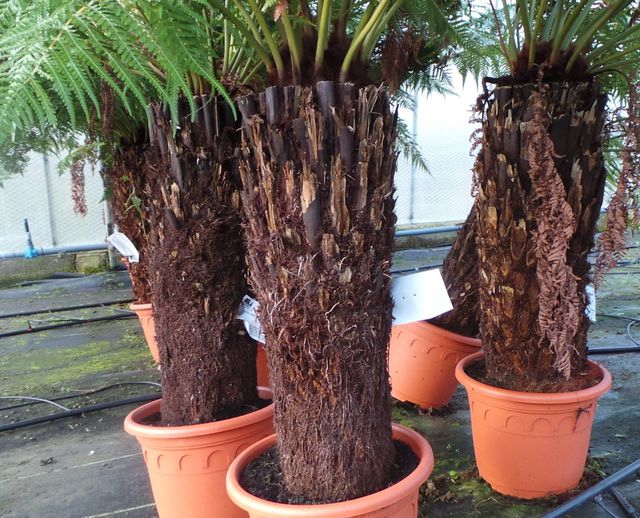
Tree ferns, belonging primarily to the families Cyatheaceae and Dicksoniaceae, can indeed be cut and replanted, although this process requires careful consideration and technique. Unlike many common garden plants, tree ferns do not possess a conventional root system; instead, they rely on a specialized structure known as a rhizome. This rhizome is critical for their survival and growth, making the replanting process somewhat unique.
When cutting and replanting tree ferns, one should aim for a process that preserves the integrity of the rhizome while also ensuring the health of the plant. It's advisable to carry out the cutting during the plant's active growing period, which is often in spring or early summer, to facilitate successful reestablishment and growth.
Understanding Tree Fern Structure
Tree ferns have a unique structure that distinguishes them from other ferns. They have a trunk that can reach several meters in height, supporting a crown of large, feathery fronds. The base of the trunk is formed by tightly packed leaf bases that emit slowly growing horizontal stems known as rhizomes.
See also:
- The trunk is primarily composed of fibrous tissue.
- The fronds can grow up to several meters long, creating a lush appearance.
- Rhizomes are essential for anchoring the plant and nutrient absorption.
Optimal Timing for Cutting and Replanting
Timing is crucial when it comes to cutting and replanting tree ferns. The ideal time is during the active growth period, typically in the spring or early summer. Cutting during this period allows the plant to recover quickly and adapt to its new environment.
- Spring offers ideal conditions for recovery due to warmer temperatures.
- Early summer supports robust growth, facilitating establishment.
- Avoid cutting during dormancy in winter to reduce stress on the plant.
Cutting Techniques for Tree Ferns
When it comes to cutting tree ferns, using the proper technique can significantly influence their success rate. The cut should be made above the rhizome, taking care not to damage it, and at an angle to minimize water pooling, which can lead to rotting.
- Use sharp, sterile tools to prevent disease transmission.
- Make a clean cut to reduce trauma to the plant.
- Leave a portion of the trunk intact to promote faster recovery.
Preparing the New Planting Site
Before replanting, it’s critical to prepare a suitable environment for the tree fern. The new site should provide adequate shade, moisture, and well-drained soil to facilitate the plant's growth.
- Choose a location that mimics the fern's natural habitat, ideally moist and shaded.
- Ensure the soil is rich in organic material to provide essential nutrients.
- Utilize mulch to retain moisture and suppress weed growth around the fern.
Aftercare Following Replanting
After replanting, tree ferns require specific aftercare to thrive. This includes regular monitoring for moisture, protection from extreme weather, and periodic fertilization to encourage growth.
- Maintain consistent moisture levels without letting the soil become waterlogged.
- Shield the plant from harsh sunlight to prevent leaf scorch.
- Apply a balanced fertilizer every few months to promote healthy development.
Will a fern grow back if you cut it down?
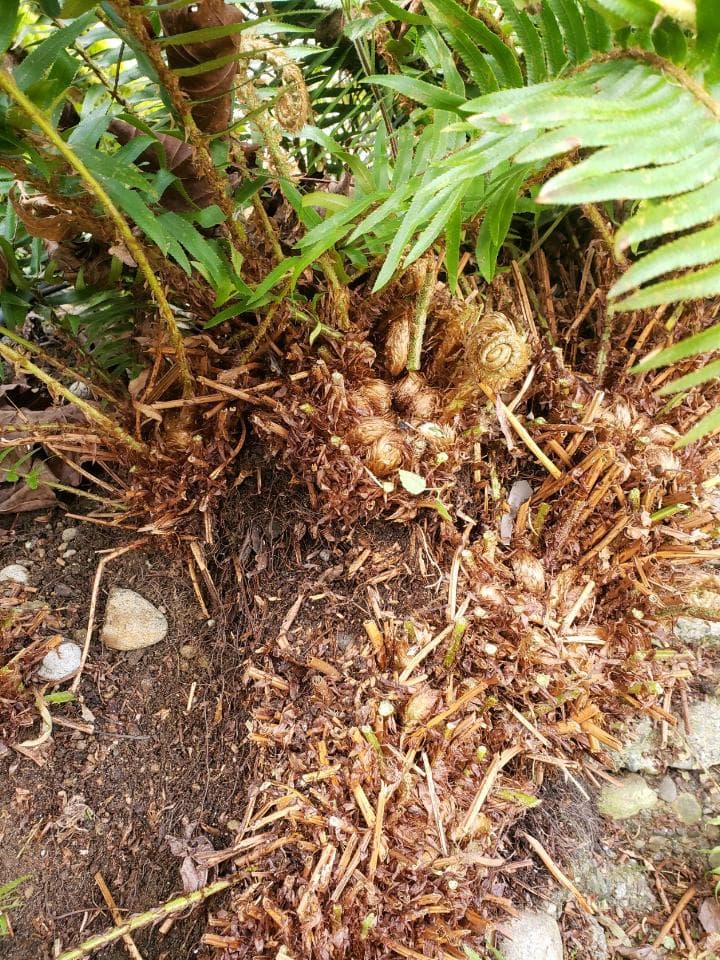
Yes, ferns can indeed grow back if you cut them down, provided that the roots remain healthy and intact. Ferns possess a unique regenerative ability due to their growth structure. Most ferns grow from a central cluster of leaves, known as a crown, which remains close to the ground. If you prune the fronds (the leafy parts) but do not disturb the root system or the crown, the fern can bounce back and produce new fronds in due time. This regrowth depends on various factors such as the species of fern, environmental conditions, and maintenance practices.
Understanding Fern Growth
Ferns are vascular plants that reproduce via spores rather than seeds. Understanding how they grow is crucial to knowing their recovery potential after being cut down.
- Rhizomes: Most ferns have underground stems, known as rhizomes, that help in storing nutrients and energy.
- Fronds: The leafy parts of ferns, which can be removed without harming the plant as long as the rhizome is intact.
- Photosynthesis: Fronds play a vital role in photosynthesis, which is essential for the plant’s recovery and growth.
Proper Pruning Techniques
When cutting down ferns, proper techniques can make a significant difference in their ability to regrow.
- Timing: Prune during the growing season when the plant is actively producing new growth.
- Tools: Use sharp and clean tools to avoid damaging the plant and to reduce the risk of disease.
- Extent: Avoid cutting more than one-third of the fronds at once; this allows the fern to maintain enough foliage for photosynthesis.
Factors Influencing Recovery
Numerous factors affect a fern's ability to recover after being cut down, each playing a pivotal role in the plant's health.
- Species: Some fern species are more resilient and quicker to regrow than others.
- Climate: Favorable conditions such as adequate moisture, temperature, and sunlight promote faster recovery.
- Soil Quality: Healthy, nutrient-rich soil supports rapid growth and regrowth of the fern.
Environmental Conditions for Growth
Environmental factors play a critical role in the regrowth of ferns after they have been cut down.
- Moisture: Consistent moisture is essential for fern health; too little or too much can impair growth.
- Light: While ferns thrive in indirect light, adequate sunlight will support their recovery after pruning.
- Temperature: Ferns prefer moderate temperatures, as extreme cold or heat can hinder growth.
Care After Cutting
To encourage healthy regrowth after cutting, specific care practices should be followed.
See also:
- Watering: Keep the soil consistently moist, but ensure good drainage to prevent root rot.
- Fertilizing: A balanced fertilizer can provide the necessary nutrients to support new growth.
- Pest Control: Monitor for pests that can damage new growth, taking action as necessary to protect the fern.
Can you split a tree fern?

Yes, you can split a tree fern, but it requires careful consideration and proper technique. Tree ferns, which belong to the family Cyatheaceae, are unique plants that can grow quite large, often reaching heights of up to 20 feet or more. Splitting them involves dividing the main trunk or the rhizome to create new plants. However, this process is not always straightforward and comes with its own set of challenges.
Understanding Tree Fern Anatomy
Tree ferns have a very different structure compared to standard ferns. Their anatomy includes a central trunk that supports a crown of fronds.
- Trunk: The main support of the tree, which can be woody or herbaceous depending on the species.
- Roots: Typically, tree ferns develop shallow roots that spread out rather than going deep into the ground.
- Fronds: The leaves of the tree fern, which grow from the crown and can vary significantly in size and shape.
When is the Best Time to Split a Tree Fern?
The timing of splitting a tree fern is crucial for successful propagation.
- Spring: The ideal time to split a tree fern is during the spring as the plant enters a period of active growth.
- Post-Frost: Ensure that all danger of frost has passed to minimize stress on the plant.
- Good Weather Conditions: A cloudy day is preferable to limit direct sun exposure on the freshly divided plants.
Techniques for Splitting Tree Ferns
There are specific techniques that can be employed when splitting tree ferns successfully.
- Tools: Use clean, sharp tools such as pruning saws or knives to make clean cuts.
- Identify Growth Points: Look for natural divisions or growth points where the fern can be split.
- Cutting Method: Make a cut through the trunk or the rhizome to separate the plant while ensuring that each section has some roots.
Aftercare for Split Tree Ferns
After splitting the tree fern, the care provided can significantly impact its survival and growth.
- Watering: Deeply water the newly split ferns to encourage root establishment.
- Shade: Provide shade to the divided ferns to reduce stress and prevent sunburn.
- Fertilization: Wait for a few weeks before applying any fertilizers; use a diluted liquid fertilizer to support recovery.
Potential Challenges When Splitting Tree Ferns
While splitting a tree fern can be rewarding, there are challenges to anticipate.
- Shock: Dividing the plant can cause transplant shock, which may temporarily slow down growth.
- Diseases: Improper cuts or care can lead to infections or rot in the newly divided plants.
- Growth Rate: Newly split ferns may take time to establish before they start to grow vigorously again.
Questions from Our Readers
Can you cut a tree fern in half?
Yes, you can cut a tree fern in half, but it is not always advisable. Tree ferns have a unique structure and cutting them may lead to stress or even death of the plant if not done correctly.
How should you care for a tree fern after cutting?
After cutting a tree fern, it is crucial to provide proper care. This includes keeping the plant in a humid environment, ensuring it’s well-watered, and protecting it from direct sunlight to help it recover from the shock.
Can you successfully replant a cut tree fern?
Yes, a cut tree fern can be successfully replanted if you take the right steps. Ensure that the cut end is treated to prevent disease and that the new soil is rich and well-draining for optimal growth.
What are the risks of cutting and replanting a tree fern?
The risks include potential shock to the plant, which can cause stunted growth or even death. Additionally, if the process is not done carefully, there is a chance of infection or rot at the cut site, leading to further issues.
See also:

If you want to read more articles like Can You Cut a Tree Fern in Half and Replant? A Complete Guide to Successful Propagation, we recommend you check out our Landscaping category.
Leave a Reply
Related Articles