Can Plants Get Too Much Sun in a Greenhouse? Understanding Light Limitations for Optimal Growth
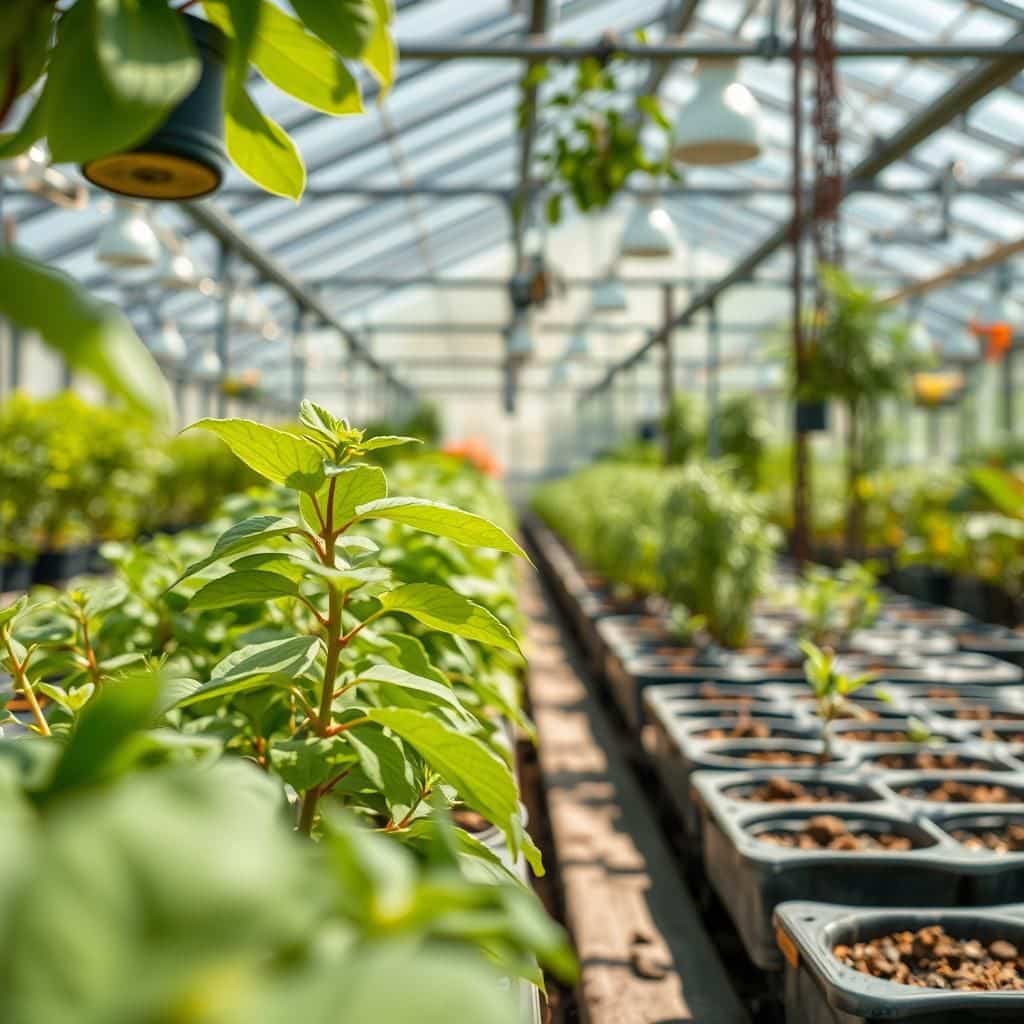
In a greenhouse, where conditions are meticulously controlled, the role of sunlight cannot be overstated. However, many plant enthusiasts grapple with the question: Can plants receive too much sun? While sunlight is essential for photosynthesis and overall plant health, excessive light can lead to stress, overheating, and even damage. Understanding the balance between adequate light exposure and the potential for light-related issues is crucial for optimal growth. This article explores the limitations of light in a greenhouse setting and offers insights into how to manage sunlight levels to promote healthy, thriving plants.
Can Plants Get Too Much Sun in a Greenhouse?
Plants can indeed get too much sun in a greenhouse environment, particularly if the greenhouse is not adequately ventilated or if the sunlight is exceptionally intense. In a greenhouse, the temperature can rise quickly, and without proper shading or cooling systems, plants may suffer from sunburn, leading to leaf scorch and stunted growth. It's essential for greenhouse operators to monitor both the intensity and duration of sunlight their plants receive, adjusting shading materials or watering practices as necessary to ensure that their plants remain healthy and thriving.
Signs of Sunburn in Plants
One of the most recognizable signs of sunburn in plants includes discolored leaves that appear bleached or crispy at the edges. This damage often occurs when plants are suddenly exposed to intense sunlight, causing cellular breakdown. In some cases, the affected leaves may become dry and brittle, leading to a decrease in overall plant vigor. Monitoring the changes in leaf color and texture can help greenhouse growers identify sunburn promptly and take action to mitigate further damage.
Temperature Control in Greenhouses
Managing temperature is crucial in a greenhouse, as high levels of sunlight can lead to excessive heat. A well-ventilated greenhouse allows for proper air circulation, helping to maintain optimal growing conditions. Growers can utilize shading cloths, fans, and even misting systems to regulate the internal temperature. By ensuring that the greenhouse does not overheat, the harmful effects of too much sunlight can be minimized, safeguarding plant health.
Choosing the Right Plants for Greenhouse Conditions
Certain plants are better suited for greenhouse environments than others, especially when it comes to their sunlight needs. Choosing species that are tolerant of direct sunlight can reduce the risk of sunburn and stress. Shade-preferring plants, such as ferns and certain types of orchids, may struggle in environments with excessive light. Thus, understanding the specific light requirements of the plants being cultivated is critical in preventing damage from too much sun exposure.
Techniques for Managing Sun Exposure
Growers can implement various techniques to manage sun exposure and protect plants from potential damage. These may include the installation of shade cloths, the strategic placement of pots to avoid direct sunlight, and the use of reflective materials to diffuse excessive light. Moreover, regular monitoring of plant health can help detect any adverse effects from sun exposure early, allowing for timely corrective actions to be taken.
Watering Practices to Counteract Sun Damage
Proper watering practices play a vital role in helping plants cope with high light levels. Insufficient water can exacerbate the effects of excessive sunlight, leading to more severe sunburn and stress. By ensuring that plants receive adequate moisture through regular irrigation or soil monitoring, growers can enhance their plants' resilience to the scorching sun. Maintaining a balance between watering frequency and environmental conditions is key.
| Aspect | Description |
|---|---|
| Sunburn | Damage to leaves caused by excessive direct sunlight. |
| Temperature Control | Management of heat and air circulation within the greenhouse. |
| Plant Selection | Choosing plants based on their light tolerance and needs. |
| Shading Techniques | Implementing physical barriers to reduce sunlight intensity. |
| Water Management | Adjusting watering schedules to support plant health under sun exposure. |
How to tell if a plant is getting too much sunlight?

When determining if a plant is receiving too much sunlight, there are several indicators to consider. Overexposure to sunlight can lead to various symptoms, which may vary from plant to plant. Here are the key signs to watch for:
Leaf Discoloration
Leaf discoloration is one of the most common signs that a plant is experiencing too much sunlight. The leaves may turn yellow, brown, or even appear bleached.
- Yellowing Leaves: Leaves may start to yellow, especially if they are older or lower down on the plant.
- Brown Tips: The tips of the leaves may turn brown and crispy, indicating that the plant is getting scorched.
- Bleaching: Some plants, particularly those with vibrant colors, can become washed out or bleached in direct sunlight.
Wilting or Drooping
Wilting or drooping can also be a sign of excessive sunlight exposure. Plants may lose their turgor pressure due to stress from too much light.
- Extreme Heat: If the sun is too intense, the moisture in the soil may evaporate quickly, leading to wilting.
- Insufficient Water: Overexposure can impede water uptake, making the plant unable to retain moisture.
- Failure to Rebound: After watering, a plant that is still drooping might be suffering from light stress.
Leaf Curling
Leaf curling is another indication that a plant may be receiving excessive sunlight. This phenomenon occurs as a protective mechanism.
- Upward Curling: Leaves may curl upward to reduce surface area and minimize sunlight exposure.
- Downward Curling: Some plants exhibit downward curling as a defense against harsh conditions.
- Pale Color: Curling leaves may also become lighter in color, indicating stress.
Stunted Growth
Stunted growth can occur when a plant is subjected to too much sunlight. In this scenario, the plant may become weak and fail to thrive.
See also:
- Short Stems: The stems may appear shorter and less robust than expected for that species.
- Reduced Leaf Size: New leaves may be smaller and thinner than usual.
- Overall Decline: The plant may stop producing new growth altogether, leading to a weaker structure.
Falling Leaves
If a plant is shedding leaves at an unusual rate, it could be a sign of too much sunlight exposure.
- Drop of Lower Leaves: The plant may start dropping leaves from the bottom as it struggles to cope with sun exposure.
- Deficient Nutrients: Often, leaf drop can also coincide with nutrient deficiencies brought on by stress.
- Timing: If leaf drop occurs mainly during peak sunlight hours, it’s a clear warning sign.
Can a greenhouse get too hot for plants?

Yes, a greenhouse can indeed get too hot for plants. While greenhouses are designed to create a controlled environment that promotes plant growth, they can sometimes trap excessive heat, particularly during sunny days or in warmer climates. This excessive heat can cause a range of problems for plants, including wilting, sunburn, and even death, if conditions are not managed properly.
Signs of Heat Stress in Plants
Plants can exhibit various signs of heat stress that indicate they are suffering from excessively high temperatures. These signs can include:
- Wilting: Leaves may droop even when soil moisture is adequate.
- Leaf scorch: Edges or tips of leaves turn brown and dry out.
- Stunted growth: Slowed or halted growth due to stress.
Temperature Thresholds for Different Plants
Different types of plants thrive at different temperature ranges. Understanding these ranges is crucial to maintaining a healthy greenhouse. The general thresholds are:
- Cool-season plants: Typically prefer temperatures between 60°F and 70°F (15°C to 21°C).
- Warm-season plants: Generally thrive with temperatures ranging from 70°F to 85°F (21°C to 29°C).
- Heat-sensitive plants: Some may struggle when temperatures exceed 80°F (27°C).
Methods to Regulate Temperature in a Greenhouse
Managing the temperature within a greenhouse is crucial for plant health. Here are several effective ways to regulate heat:
- Ventilation: Adequate airflow helps remove hot air and brings in cooler air.
- Shade cloths: Providing shading can significantly reduce temperatures during peak sun hours.
- Fans: Installing circulation fans can distribute air evenly and lower temperatures.
Impact of Overheating on Plant Health
When plants are exposed to excessive heat for prolonged periods, it can severely impact their overall health and productivity. The effects include:
- Reduced photosynthesis: High temperatures can interfere with the photosynthesis process, leading to lower yields.
- Pest and disease susceptibility: Stressed plants become more vulnerable to pests and diseases.
- Root damage: High temperatures can also harm root systems, leading to nutrient uptake issues.
Long-term Effects of Heat on Greenhouse Ecosystems
Sustained high temperatures can have lasting effects on the entire greenhouse ecosystem. Important considerations include:
- Soil quality: Overheating can lead to soil degradation and nutrient depletion.
- Biodiversity loss: The imbalance in temperature can affect beneficial organisms and their populations.
- Water usage: Increased evaporation rates can lead to water scarcity, stressing the ecosystem.
How many hours of sunlight should a greenhouse get?
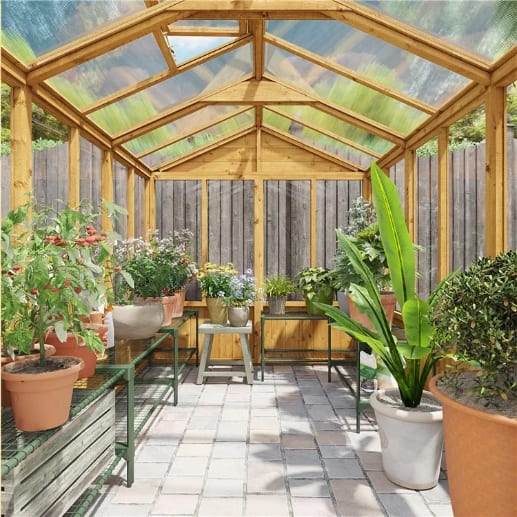
To determine how many hours of sunlight a greenhouse should receive, it's crucial to consider the types of plants being grown, the climate of the location, and the time of year. Generally, most greenhouse plants thrive with at least 6 to 8 hours of direct sunlight daily. However, some plants may require more or less depending on their specific light needs.
Importance of Sunlight in Greenhouses
Sunlight plays a vital role in the growth and health of plants within a greenhouse. It supports the photosynthesis process, allowing plants to convert light energy into chemical energy.
- Energy Production: Plants need sunlight to produce energy through photosynthesis.
- Growth Rates: Adequate sunlight contributes to faster growth rates, leading to healthier plants.
- Quality of Produce: More sunlight can improve the flavor and nutritional value of crops.
Variations by Plant Type
Different plants have varying light requirements. Some thrive in bright environments, while others prefer shades or less direct light.
- Lettuce and Spinach: These leafy greens often adapt well to lower light levels, needing around 4 to 6 hours of sunlight.
- Tomatoes and Peppers: These fruiting plants typically require at least 8 hours of sunlight for optimal growth.
- Ornamental Plants: Many decorative plants do well in full sun, requiring about 6 to 10 hours depending on the variety.
Climate Considerations
The geographic location significantly influences how much sunlight a greenhouse receives. Different climates may require adjustments in the greenhouse design or shading strategies.
See also:
- Sunny Climates: Greenhouses in sunny areas may need shading during peak summer to prevent overheating.
- Cloudy Regions: In less sunny areas, greenhouses might benefit from maximum light collection during available hours.
- Temperature Regulation: In hot climates, ensuring proper ventilation becomes essential to managing heat alongside sunlight.
Seasonal Changes
The amount of sunlight changes with the seasons, affecting greenhouse management practices throughout the year.
- Spring and Summer: These seasons typically provide the most sunlight, ideal for growing a wide range of crops.
- Fall: As daylight decreases, supplemental lighting might be necessary to sustain plant growth.
- Winter: Limited sunlight hours require careful planning, with many growers opting to use grow lights to meet the plants' needs.
Maximizing Sunlight Exposure
To optimize solar gain in a greenhouse, several strategies can be employed to ensure plants receive adequate sunlight.
- Orientation: Positioning the greenhouse to face south can capture the most sunlight throughout the day.
- Materials: Utilizing clear or translucent materials enhances light penetration while providing insulation.
- Pruning and Maintenance: Regular trimming of plants helps minimize shading and allows for better light distribution.
Can you leave plants in a greenhouse all summer?
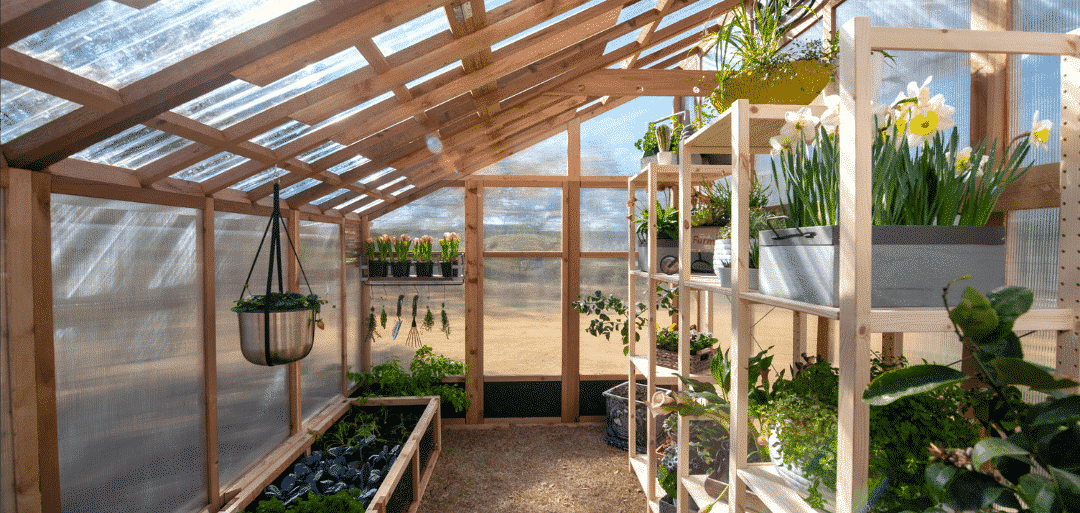
Yes, you can leave plants in a greenhouse all summer, but there are several factors to consider to ensure their health and vitality throughout the season. A greenhouse can create an ideal microclimate for many plants, providing controlled conditions that can protect them from pests and harsh weather. However, proper management is essential to avoid overheating or inadequate watering.
Temperature Control
Maintaining the right temperature is crucial for the health of plants in a greenhouse during the summer months. High temperatures can stress plants and lead to wilting or even death.
- Ventilation: Ensure proper airflow by using vents, fans, or opening doors to reduce humidity and lower temperatures.
- Shade Management: Consider using shading materials or screens to protect plants from intense sunlight.
- Heat Regulation: Employ thermal mass solutions, like water barrels, to help moderate temperature fluctuations.
Watering Needs
Plants in a greenhouse may have different watering needs compared to those grown outdoors. Higher temperatures and humidity require more careful watering practices.
- Soil Moisture Monitoring: Regularly check the soil moisture levels to prevent over or under-watering.
- Irrigation Systems: Consider installing drip irrigation or using soaker hoses to provide consistent moisture.
- Early Morning Watering: Watering in the early morning helps reduce evaporation and stress on plants.
Pest and Disease Management
A greenhouse can harbor pests and diseases, especially during the summer when conditions are favorable for rapid growth.
- Regular Inspections: Frequently check plants for signs of pests or diseases to catch any issues early.
- Biological Control: Introduce beneficial insects like ladybugs to naturally manage pests.
- Sanitation Practices: Clean up plant debris and use sterilized tools to reduce potential disease spread.
Plant Selection
Choosing the right plants for greenhouse growth in the summer can significantly affect their success. Some plants thrive in warm conditions, while others may struggle.
- Tropical Plants: Many tropical plants, such as orchids and anthuriums, thrive in warm greenhouse conditions.
- Heat-Resistant Varieties: Select varieties known for their resilience to heat, such as certain tomatoes and peppers.
- Succession Planting: Plan for rotation and succession planting to maximize space and production throughout summer.
Humidity Management
Humidity levels in a greenhouse can fluctuate, particularly during summer, impacting plant growth.
- Humidity Control: Use a hygrometer to monitor humidity levels and ensure they remain within optimal ranges for your plants.
- Dehumidifying Techniques: Introduce fans or dehumidifiers to combat excess humidity, which can promote mold growth.
- Water Features: Adding water features can help maintain humidity levels for certain plants that prefer moist conditions.
Questions from Our Readers
Can plants become stressed from excessive sunlight in a greenhouse?
Plants can indeed experience stress due to excessive sunlight in a greenhouse setting. When the light intensity is too high, it can lead to leaf burn, wilting, and even stunted growth. Therefore, it's crucial to monitor the amount of sunlight and ensure that plants receive the appropriate level of light for their specific needs.
What are the signs that plants are getting too much sun in a greenhouse?
Signs that plants are receiving too much sun include yellowing leaves, leaf scorch, and dropped leaves. Additionally, you may notice that the plants seem stretched or leggy, as they will grow taller in search of less intense light. Paying attention to these symptoms can help you prevent damage to your plants.
How can I protect my plants from too much sunlight in a greenhouse?
To protect your plants from excessive sunlight, consider using shade cloths or curtains to reduce light intensity during the hottest parts of the day. You can also position plants that require less light in shadier areas of the greenhouse and rotate them as needed to ensure even exposure. Keeping an eye on humidity levels can also help mitigate the effects of high light conditions.
Are certain plants more susceptible to sun damage in a greenhouse?
Yes, some plants are more susceptible to sun damage than others. For example, tender or shade-loving plants, such as ferns or certain orchids, can easily suffer from too much sun exposure. It's important to research the specific light requirements of each plant species to ensure they thrive in your greenhouse environment.
See also:

If you want to read more articles like Can Plants Get Too Much Sun in a Greenhouse? Understanding Light Limitations for Optimal Growth, we recommend you check out our Greenhouse category.
Leave a Reply
Related Articles