Can I Use Plastic Sheeting for a Greenhouse? A Comprehensive Guide to Effective Greenhouse Coverage
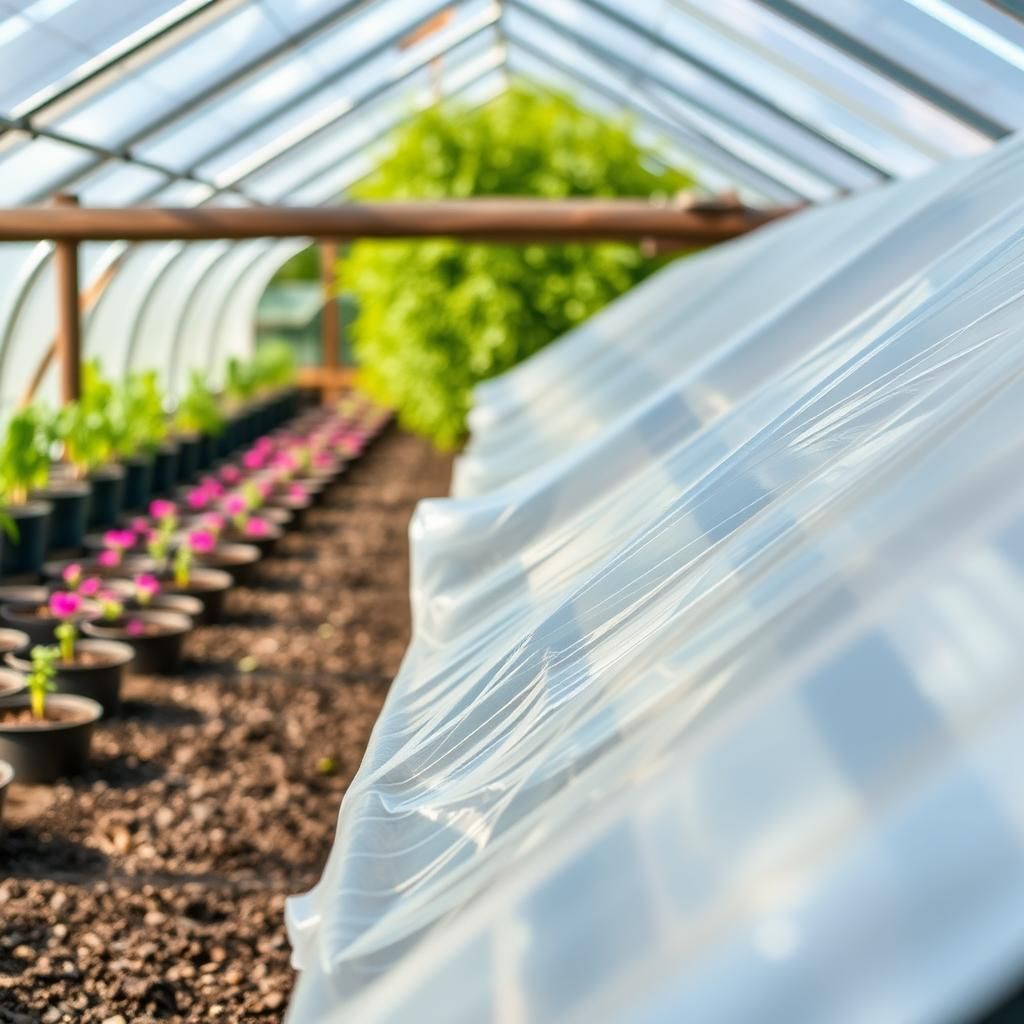
When it comes to creating a thriving greenhouse environment, choosing the right covering material is crucial. One popular option that often raises questions among gardeners is plastic sheeting. While it can provide an effective barrier against the elements, understanding its properties, benefits, and potential drawbacks is essential for success. This comprehensive guide will explore whether plastic sheeting is suitable for your greenhouse project, outlining the best practices for installation, maintenance, and longevity. Discover how to harness the benefits of plastic sheeting while ensuring your plants receive optimal light, warmth, and protection for a bountiful growing season.
Can Plastic Sheeting Be Used for Greenhouses?
Yes, plastic sheeting can be used effectively for greenhouses due to its lightweight nature, cost-effectiveness, and excellent light transmission properties. Polyethylene sheeting, specifically, is a popular choice among gardeners because it provides a good balance of durability and affordability. With proper installation and maintenance, it can create a suitable microclimate for plants, helping to optimize growth and extending the growing season. However, it is important to select the right type of plastic sheeting that offers UV protection to prevent degradation and ensure longevity in the greenhouse environment.
Types of Plastic Sheeting Available
There are various types of plastic sheeting available for greenhouse construction, including polyethylene, polycarbonate, and polyvinyl chloride (PVC). Polyethylene is the most commonly used due to its flexibility and ease of installation. Polycarbonate sheets are more durable and provide better insulation but come at a higher cost. PVC is less common but can be used for temporary structures. Each type varies in terms of light transmission, insulation properties, and longevity, making it essential for gardeners to choose the right material based on their specific needs and budget.
Benefits of Using Plastic Sheeting
Using plastic sheeting for greenhouses offers numerous benefits, such as enhanced light transmission, which is crucial for plant photosynthesis. Additionally, plastic is relatively inexpensive compared to glass, making it a budget-friendly option for hobby gardeners and commercial growers alike. It is also lightweight, which simplifies the construction process and reduces labor costs. Moreover, plastic sheeting can be easily replaced when damaged, ensuring ongoing efficiency in the greenhouse environment.
Considerations for Installation
When installing plastic sheeting for a greenhouse, it is important to ensure a proper fit to minimize air leaks and maximize efficiency in temperature control. Proper framing and securing techniques will help to prevent wind or weather damage. Additionally, it is advisable to use UV-resistant sheeting that can withstand the sun's rays without degrading. Regular maintenance, such as checking for tears or wear, will also contribute to the longevity and effectiveness of the greenhouse structure.
See also:
Comparison of Plastic Sheeting to Other Materials
When comparing plastic sheeting to other materials like glass or polycarbonate, plastic stands out for its cost-effectiveness and ease of installation. Glass provides superior insulation and aesthetic appeal but is much heavier and more costly, making it less practical for many gardeners. Polycarbonate, while durable, can also be more expensive than plastic sheeting and may not provide the same flexibility. Each material has its pros and cons, so understanding the specific needs of the greenhouse operation is crucial for making an informed decision.
Environmental Impact and Disposal
The environmental impact of using plastic sheeting in greenhouses should not be overlooked. Although it is a versatile and practical option, the disposal of plastic can contribute to pollution if not handled properly. It is important to consider recyclable or biodegradable alternatives if available, and gardeners should establish a plan for disposing of or recycling used plastic sheeting. Awareness of the environmental effects will help promote sustainable gardening practices while still benefiting from the advantages that plastic sheeting offers in greenhouse management.
| Type of Material | Cost | Durability | Light Transmission | Insulation |
|---|---|---|---|---|
| Polyethylene | Low | Moderate | High | Low |
| Polycarbonate | High | High | Moderate | High |
| Glass | Very High | Very High | High | Very High |
| PVC | Moderate | Low | Low | Low |
Understanding the Benefits of Plastic Sheeting in Greenhouse Construction
Using plastic sheeting for greenhouse construction offers significant advantages, including cost-effectiveness and light transmission. Plastic materials, such as polyethylene, are lightweight yet durable, allowing for easy installation and maintenance. Their ability to diffuse sunlight effectively aids plant growth by providing an ideal environment for various crops. Furthermore, using plastic sheeting enables greater energy efficiency, reducing heating costs during colder months. However, it is essential to consider factors such as UV stability and weather resistance to ensure long-term usability of the greenhouse.
Types of Plastic Sheeting Suitable for Greenhouses
There are several types of plastic sheeting that are commonly used in greenhouse construction. The most popular options include polyethylene, polycarbonate, and polypropylene. Polyethylene is particularly favored due to its affordability and ease of installation, making it a common choice for hobbyists and commercial growers alike. On the other hand, polycarbonate panels offer superior insulation properties and could be more durable, though at a higher cost. Each material presents distinct advantages, so choosing the right type depends on the specific goals and budget of the grower.
Installation Techniques for Plastic Sheeting
Proper installation techniques are crucial for maximizing the effectiveness of plastic sheeting in a greenhouse. To begin, ensure that the frame of the greenhouse is sturdy and well-constructed, as the sheeting will need to withstand various weather conditions. The sheeting should be secured tightly to prevent air leaks and reduce the risk of damage from wind or snow loads. Using appropriate fasteners and ensuring overlaps are sealed effectively can further enhance the greenhouse’s performance, helping maintain a stable environment for plant growth.
See also:
Maintaining Your Plastic Greenhouse Covering
Regular maintenance is vital to the longevity of a plastic greenhouse covering. This includes checking for tears, bubbles, or discoloration in the plastic sheeting, which can affect its insulating properties and light transmission. Cleaning the sheeting periodically with a gentle soap solution can help prevent the build-up of dirt and algae, allowing maximum light to penetrate. Additionally, seasonal inspections should be conducted to assess the structural integrity and ensure that the covering remains securely attached throughout changing weather conditions.
Environmental Impact of Using Plastic in Greenhouses
While plastic sheeting is a popular choice for greenhouses, it is essential to consider its environmental impact. Many plastics can contribute to pollution if not disposed of properly. As a result, consumers are encouraged to explore eco-friendly alternatives such as recyclable materials or biodegradable plastics. Additionally, using UV-stabilized plastics potentially reduces the frequency of replacement, thus minimizing waste. Implementing sustainable practices in greenhouse construction and maintenance can help balance agricultural productivity with environmental responsibility.
Cost Considerations for Using Plastic Sheeting
When deciding to use plastic sheeting in greenhouse construction, it's vital to consider the overall cost implications. While the initial expenses for plastic materials can be lower compared to glass or metal options, the durability and lifespan of the sheeting play a significant role in long-term investment returns. It's essential to factor in installation costs, maintenance, and potential replacement frequency due to exposure to weather elements. Conducting a thorough cost-benefit analysis will aid growers in making informed decisions that align with their financial goals.
Questions from Our Readers
Can I use plastic sheeting for a greenhouse?
Yes, you can use plastic sheeting for a greenhouse. It is a popular choice due to its affordability, lightweight nature, and ability to allow sunlight to enter while providing insulation. However, you should ensure that the sheeting is UV-resistant to prolong its lifespan.
What type of plastic sheeting is best for greenhouses?
The best type of plastic sheeting for greenhouses is typically made from polyethylene, which is both durable and effective at providing insulation. Look for options that are specifically designed for greenhouse use, as they tend to have better UV resistance and longevity.
See also:
How long does plastic sheeting last on a greenhouse?
The lifespan of plastic sheeting on a greenhouse can vary, but UV-resistant options usually last between 4 to 10 years, depending on the environmental conditions. Proper installation and maintenance can significantly extend its durability.
Can I replace my greenhouse plastic with plastic sheeting?
Yes, you can replace your greenhouse cover with plastic sheeting. Just be sure to remove the old material carefully and clean the frame before applying the new sheeting to ensure a proper seal and optimize light transmission.

If you want to read more articles like Can I Use Plastic Sheeting for a Greenhouse? A Comprehensive Guide to Effective Greenhouse Coverage, we recommend you check out our Greenhouse category.
Leave a Reply
Related Articles