Can I Put Horse Manure Straight on the Garden? Tips and Benefits for Your Plants

Using horse manure in the garden can be a beneficial practice for improving soil health and plant growth. However, many gardeners wonder if it can be applied directly to their plants without any processing. This article provides insights into the advantages of using fresh horse manure, such as its nutrient content and potential for enhancing soil structure. Additionally, we will discuss essential tips for safely incorporating it into your garden to avoid potential risks. Whether you are an experienced gardener or a novice, understanding the right ways to utilize horse manure can lead to a thriving garden ecosystem.
Can I Put Horse Manure Straight on the Garden?
Using horse manure directly in the garden may seem like an easy way to add nutrients to the soil, but it is generally not advisable without proper treatment. Fresh horse manure can contain high levels of nitrogen, which can burn plants if applied directly. Additionally, it may carry pathogens and weed seeds that can negatively affect your garden. It is recommended to compost the manure for several months to allow it to decompose and reduce the risks, transforming it into a more stable, nutrient-rich fertilizer that will benefit your garden without causing harm.
Benefits of Using Horse Manure
Horse manure offers several benefits when properly applied to the garden. It is rich in essential nutrients such as nitrogen, phosphorus, and potassium, which are vital for plant growth. Furthermore, it helps improve soil structure and enhances its ability to retain moisture, creating a more conducive environment for plants. When composted, the beneficial organisms found in the manure can also promote soil health and fertility, leading to increased crop yields and healthier plants.
Risks of Applying Fresh Horse Manure
Applying fresh horse manure directly to the garden poses significant risks, mainly due to its high nitrogen content. This can lead to plant burn, which is characterized by browning and wilting of plant leaves. In addition to plant damage, fresh manure can introduce pathogens and pests, as it often contains seeds from weeds and disease-causing organisms. This could ultimately harm existing plants and disrupt the ecosystem of your garden.
Composting Horse Manure
Composting horse manure is a vital process that transforms it into a safer, nutrient-rich amendment for gardens. During composting, the manure undergoes decomposition, which helps kill harmful pathogens and weed seeds while balancing nutrient ratios. The composting process usually lasts a few months and requires turning the pile regularly to provide adequate aeration. Once fully composted, it can be safely mixed into garden soil, allowing plants to thrive without the risks associated with fresh manure.
How to Apply Manure to the Garden Safely
To apply horse manure safely to your garden, ensure it has been properly composted for at least six months. After composting, you should apply the manure in a thin layer, typically not exceeding one inch on top of the soil to avoid nutrient overload. It is best to mix the composted manure into the top few inches of soil to enhance its effectiveness while promoting a good balance of nutrients. Be sure to check for any remaining seeds or bad odors, indicating that the manure hasn't fully decomposed.
Alternatives to Horse Manure
If you are concerned about using horse manure, numerous alternatives can provide similar benefits to your garden. Options include chicken manure, which is rich in nitrogen and ideal for vegetable gardens, or composted kitchen scraps, which can enrich the soil with a variety of nutrients. Additionally, using commercial organic fertilizers can ensure a balanced nutrient profile tailored to your specific plants. These alternatives can enhance soil fertility without the potential downsides of fresh horse manure.
| Type of Manure | Nutrient Content | Application Method |
|---|---|---|
| Horse Manure | Moderate in Nitrogen | Compost before use |
| Chicken Manure | High in Nitrogen | Compost or dilute |
| Cow Manure | Low to Moderate | Can be used fresh |
| Composted Kitchen Scraps | Varies | Mix into soil directly |
| Commercial Organic Fertilizer | Balanced | Follow package instructions |
When should you not use horse manure?

When considering the use of horse manure as fertilizer, there are specific circumstances where it is not advisable. Understanding these situations helps in maintaining garden health, ensuring proper soil management, and avoiding potential issues with plants. Here are some conditions when you should refrain from using horse manure:
1. When Manure is Fresh
Using fresh horse manure can lead to several problems, including nutrient burn and the introduction of pathogens into your soil. It can also discourage plant growth.
- Stunted growth: Fresh manure can be too high in nitrogen.
- Soil imbalance: It can lead to an unhealthy nutrient balance.
- Pathogen risk: It may carry harmful microorganisms.
2. During Planting Season
Adding horse manure right before or during the planting season may hinder seed germination and seedling establishment due to the heat generated during decomposition.
- Heat generation: Fresh manure can raise soil temperatures.
- Seedling stress: High nutrient levels can harm young plants.
- Delayed germination: Compounds in manure can interfere with seed sprouting.
3. In Sandy or Very Dry Soils
In sandy soils, horse manure can flush away too quickly due to poor water retention, reducing its effectiveness as a fertilizer.
- Leaching: Nutrients can leach out before plants can absorb them.
- Dehydration: Manure may not hold moisture effectively.
- Soil erosion: Manure can wash away, leading to nutrient loss.
4. When Growing Certain Plants
Some plants, such as acid-loving plants, may not respond well to horse manure due to its alkaline nature.
See also:
- pH levels: Horse manure can raise soil pH.
- Nutrient sensitivity: Some plants are sensitive to excess nitrogen.
- Compatibility: It may not suit the specific needs of certain crops.
5. When Manure is Contaminated
Using horse manure that comes from horses treated with medications or chemicals can introduce unwanted substances into the soil and plants.
- Chemical residues: Residues from medications can harm beneficial soil organisms.
- Food safety: Contaminants can transfer to edible plants.
- Pest attraction: Manure may attract pests if contaminated.
Can horse manure go straight on the garden?

Horse manure can be a great addition to a garden, but using it directly without any preparation is not always advisable. Fresh horse manure can be too strong for plants and may harbor pathogens, weed seeds, and an imbalance of nitrogen that can hinder plant growth. Therefore, it is usually recommended to compost horse manure before applying it to the garden. Composting not only reduces the risks associated with using raw manure but also enriches it with beneficial microorganisms that improve soil health.
Understanding Horse Manure Composition
Horse manure is made up of digested forage, primarily grasses and hay. This composition means that the nutrient content can vary significantly depending on the horse's diet.
- Nutrient Levels: Horse manure typically contains moderate levels of nitrogen, phosphorus, and potassium, which are essential for plant growth.
- Carbon to Nitrogen Ratio: The C:N ratio is crucial in composting; horse manure has a relatively favorable ratio, allowing it to break down effectively when mixed with carbon-rich materials.
- Moisture Content: Fresh manure has a high moisture content, which can influence the rate of decomposition during the composting process.
Risks of Using Fresh Horse Manure
Applying fresh horse manure directly to a garden can pose several risks. The primary concerns include its high nitrogen content and the potential for contamination.
- Burning Plants: The high nitrogen levels in fresh manure can burn plants, leading to wilting or death.
- Pathogens: Fresh manure can harbor harmful bacteria such as E. coli and Salmonella, which can pose health risks.
- Weed Seeds: Incorporating fresh manure into the garden can introduce weed seeds that can compete with your desired plants.
Benefits of Composting Horse Manure
Composting horse manure transforms it into a safer, more effective soil amendment for gardens. The benefits of composting are numerous.
- Pathogen Reduction: The composting process heats the manure, which helps to kill harmful pathogens.
- Nutrient Stability: Composting stabilizes nutrients, making them more readily available for plants and less likely to leach away.
- Improved Soil Structure: Compost enhances soil structure, improving aeration and water retention in garden soils.
How to Properly Compost Horse Manure
Successfully composting horse manure involves specific steps that ensure it decomposes efficiently and becomes a nutrient-rich amendment.
- Gather Materials: Collect equal parts of horse manure and high-carbon materials like straw or dried leaves to balance the C:N ratio.
- Monitor Temperature: Regularly check the temperature of your compost pile; it should reach at least 130°F to ensure proper decomposition.
- Turn the Pile: Aerate the compost pile every few weeks by turning it, which helps to maintain temperature and speed up decomposition.
When to Apply Compost Made from Horse Manure
Timing is crucial when applying composted horse manure to maximize its benefits for the garden.
- Fall Preparation: Applying compost in the fall allows it to integrate into the soil over winter, enhancing nutrient availability for spring planting.
- Post-Planting Boost: Top-dressing plants with compost in early spring can give them a nutrient boost right as they begin to grow.
- Prior to Sowing Seeds: Ensure that the compost has fully matured before applying it before sowing seeds to prevent any risk of burning.
What vegetables don't like horse manure?
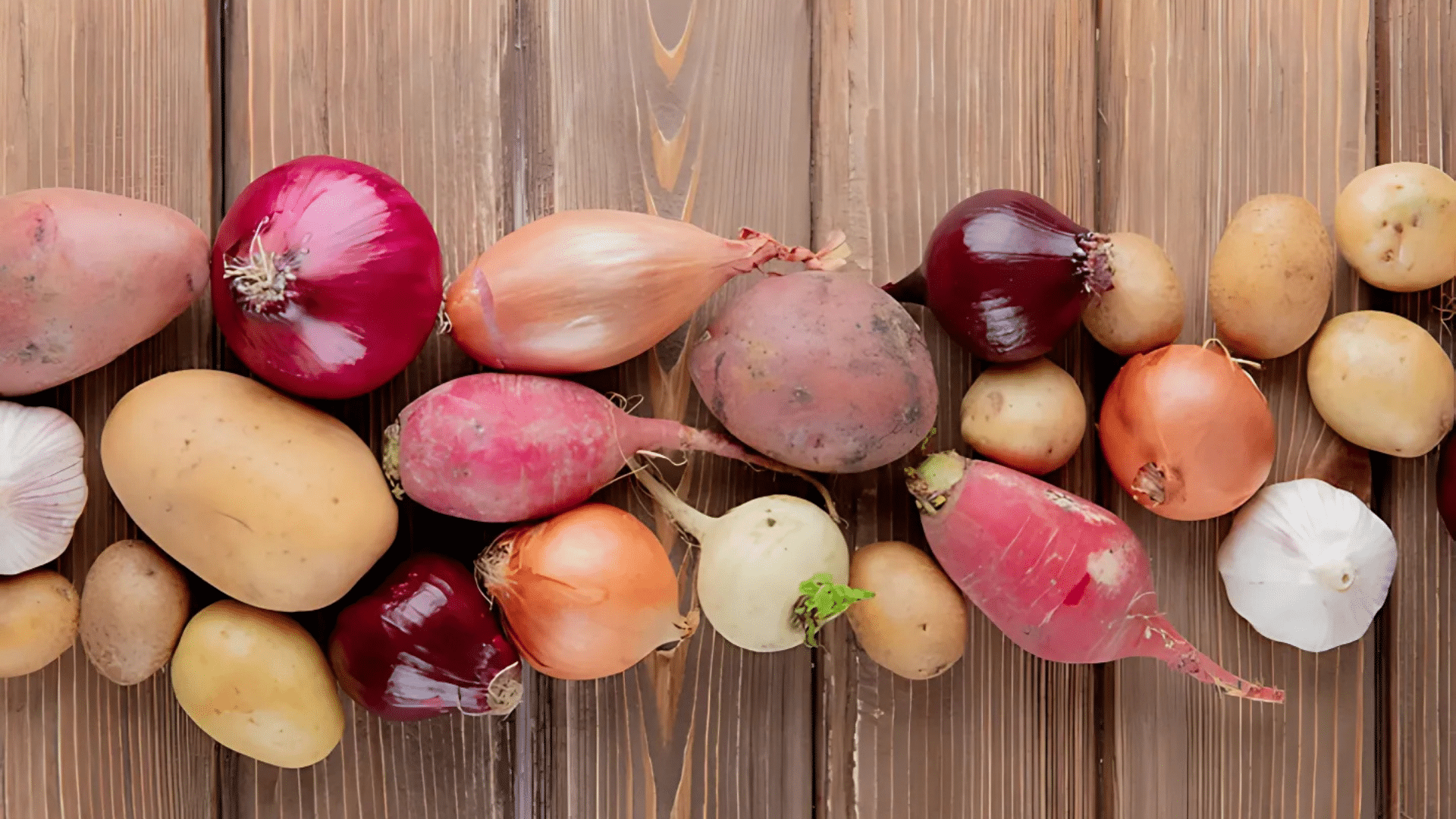
Horse manure is a popular organic fertilizer used in gardens, but some vegetables are sensitive to its application. Here are vegetables that generally do not thrive when fertilized with horse manure:
1. Potatoes
Potatoes are particularly sensitive to high nitrogen levels, which can result from using fresh horse manure. The excess nitrogen promotes foliage growth at the expense of tuber development, causing smaller yields.
- Potato plants may develop excessive greenery.
- Fungal diseases can become more prevalent due to excess moisture retention in the soil.
- Using horse manure can lead to uneven growth and poor-quality potatoes.
2. Onions
Onions are known to prefer well-drained soils and can struggle when horse manure is applied. The manure's high moisture retention can lead to bulb rot, harming the overall onion crop.
- Onions may develop pests and diseases if soils remain too moist.
- Excessive nitrogen can encourage leafy growth rather than bulb formation.
- Using horse manure can result in bland-flavored onions, which are less desirable for culinary uses.
3. Garlic
Similar to onions, garlic does not fare well with horse manure due to its moisture-absorbing qualities and the potential for high nitrogen levels. This can cause garlic cloves to rot or not reach their full size.
See also:
- Garlic plants can experience fungal issues if over-watered.
- High nitrogen levels make garlic more likely to bolt prematurely.
- Inappropriate fertilization results in smaller, less flavorful cloves.
4. Carrots
Carrots, being root vegetables, benefit from loose, sandy soil rather than manure that can lead to compacted soil or excessive moisture. The application of horse manure can impede the growth and development of the taproot.
- Compacted soil can lead to deformed carrots that are less marketable.
- High levels of nitrogen can result in bushy tops with minimal root growth.
- Using horse manure can exacerbate the risk of root diseases.
5. Beets
Beets similarly do not respond well to horse manure due to their preference for less nitrogen and good soil drainage. Overuse can lead to top growth rather than root development.
- Beets may become overly leafy and not form proper roots.
- Excess moisture can promote disease, affecting yield.
- Garnering large, healthy beets requires attention to proper soil conditions without horse manure.
Can you put horse manure on top of soil?
Yes, you can put horse manure on top of soil, but there are several important factors to consider. Horse manure is a valuable organic material that can enhance soil quality and promote plant growth. However, it should be properly composted before application to ensure it is safe and effective.
Benefits of Using Horse Manure
Horse manure provides numerous benefits when used as a soil amendment, including:
- Nutrient-Rich: Horse manure contains essential nutrients like nitrogen, phosphorus, and potassium that are crucial for plant growth.
- Improves Soil Structure: It helps improve the texture of the soil, enhancing aeration, drainage, and moisture retention.
- Encourages Soil Microorganisms: The organic matter in horse manure can promote the growth of beneficial microbes that improve soil health.
Composting Horse Manure
Before applying horse manure directly to your garden or soil, it's recommended to compost it. Composting offers several advantages:
- Reduces Pathogens: Composting helps kill harmful pathogens and parasites found in fresh manure.
- Balances Nutrients: The composting process breaks down nutrients into a more balanced form, making them readily available to plants.
- Minimizes Odor: Properly composted manure has a much lower odor compared to fresh manure, making it more pleasant to use.
Application Methods for Horse Manure
When applying horse manure to your soil, there are several methods to consider for optimal results:
- Top Dressing: Spreading a thin layer of composted horse manure over the soil surface can help enrich existing beds.
- Soil Incorporation: Mixing horse manure into the top few inches of soil can enhance nutrient availability and improve soil structure.
- Mulching: Using horse manure as mulch can conserve moisture and suppress weeds while gradually enriching the soil as it decomposes.
Timing for Applying Horse Manure
The timing of horse manure application is critical for ensuring its effectiveness:
- Fall Application: Applying manure in the fall allows it to break down over winter, improving soil health by spring.
- Spring Application: Early spring application can provide fresh nutrients just as plants are beginning their growing season.
- Avoiding Application Before Rain: To prevent nutrient runoff, avoid applying manure just before heavy rainfalls.
Precautions When Using Horse Manure
While horse manure can be beneficial, there are some precautions you should take:
- Monitor Use of Medications: Ensure that horses have not been treated with medications that could affect soil health or plant growth.
- Avoid Over-application: Excessive application can lead to nutrient runoff and environmental pollution.
- Test Soil Nutrients: Conduct soil tests to determine nutrient levels and needs before applying manure.
Questions from Our Readers
Can I put horse manure straight on the garden?
Yes, you can use horse manure in your garden, but it's important to remember that raw horse manure can contain pathogens and seeds that may harm your plants. It is generally recommended to compost the manure first for at least six months to ensure that any harmful microorganisms are killed and the nutrients are reduced to a more usable form for your plants.
How should I prepare horse manure before using it in my garden?
To prepare horse manure for your garden, you should ideally compost it with carbon-rich materials, such as straw or wood chips, to accelerate the breakdown process. This not only helps in reducing odors but also balances the nitrogen levels in the manure, making it a more beneficial amendment for your garden soil when fully decomposed.
What nutrients does horse manure provide to plants?
Horse manure is rich in nitrogen, phosphorus, and potassium, which are essential nutrients for plant growth. In addition to these primary nutrients, it also contains micronutrients that can enhance the overall health of your garden, making it a valuable addition when adequately composted and applied.
How often should I apply horse manure to my garden?
It's advisable to apply horse manure to your garden once or twice a year, ideally in the spring or fall. Incorporating it into the soil during these times will provide plants with essential nutrients during their active growing seasons while preventing potential nutrient overload that may harm plants if applied too frequently.
See also:

If you want to read more articles like Can I Put Horse Manure Straight on the Garden? Tips and Benefits for Your Plants, we recommend you check out our Fertilisers category.
Leave a Reply
Related Articles