Can I Plant Vegetable Seeds Directly in the Ground? A Comprehensive Guide to Direct Sowing

When it comes to growing your own vegetables, one of the most common questions gardeners face is whether they can plant seeds directly in the ground. Direct sowing is a straightforward method that offers numerous benefits, including cost-effectiveness and a more natural growing environment. However, it’s essential to understand the right techniques, suitable crops, and timing to ensure successful germination and robust plant growth. This comprehensive guide will explore the various aspects of direct sowing, helping you to make informed decisions and cultivate a thriving vegetable garden right from your backyard. Discover how to harness the power of nature with effective direct sowing strategies.
Can I Plant Vegetable Seeds Directly in the Ground?
Yes, you can plant vegetable seeds directly in the ground, a practice known as direct seeding. This method is often preferred for many types of vegetables because it is cost-effective and can result in stronger plants that are better adapted to your local soil and climate conditions. Before planting, it is essential to ensure that the soil is warmed to the appropriate temperature for the specific seeds you are using, and that it is well-prepared—free of weeds and rich in nutrients. Certain vegetable seeds, like carrots, beans, and lettuce, thrive when sown directly in the soil, allowing roots to establish themselves without the stress of transplanting.
Benefits of Direct Seeding
One of the primary benefits of direct seeding is the reduction in transplant shock that can occur when seedlings are moved from trays or pots into the ground. This direct approach promotes a more natural growth environment, enabling plants to develop roots that are adapted to the local soil conditions. Additionally, direct seeding can be less labor-intensive and save you time, as you won't need to start seeds indoors and later transfer them outside.
Best Vegetables for Direct Seeding
Certain vegetables are particularly well-suited for direct seeding, including beans, peas, corn, and radishes. These crops typically grow quickly and develop well when sown directly into the soil. For example, beans germinate rapidly and can thrive even in less-than-ideal soil conditions. Understanding which varieties grow best in your region and when to plant them ensures a successful harvest.
Soil Preparation for Direct Seeding
Preparing the soil adequately is crucial before directly planting seeds. This involves tilling the soil to break it up, removing any weeds, and incorporating organic matter such as compost to improve nutrient availability. Testing the soil pH can also be beneficial, as different vegetables prefer different pH levels. Well-prepared soil ensures good drainage, aeration, and an optimized environment for seed germination.
Timing for Direct Seeding
Timing is a vital factor in the success of direct seeding. It is critical to plant seeds at the right moment, which typically relates to the last frost date in your area for cool-weather crops and the soil temperature for warm-weather crops. Some seeds may be sown as soon as the ground can be worked in spring, while others should wait until the threat of frost has passed to ensure optimal germination conditions.
Common Mistakes in Direct Seeding
Common mistakes during the direct seeding process can include planting seeds too deeply or too closely together. Each type of vegetable has specific guidelines on depth and spacing, which, if not followed, can lead to poor growth or competition for nutrients. Additionally, failing to keep the soil consistently moist until seeds germinate can significantly affect the success rate of your planting efforts.
| Vegetable | Ideal Soil Temperature | Spacing | Days to Germinate |
|---|---|---|---|
| Beans | 70-90°F | 1-2 inches apart | 7-14 days |
| Carrots | 55-75°F | 2-4 inches apart | 14-21 days |
| Radishes | 50-65°F | 1-2 inches apart | 5-10 days |
| Peas | 45-75°F | 2 inches apart | 7-14 days |
| Corn | 60-95°F | 12 inches apart | 7-12 days |
Can you plant vegetable seeds directly into the ground?
:max_bytes(150000):strip_icc()/how-to-direct-sow-garden-seeds-2539874-hero-32074607f4f94af9a5260980f98280c6.jpg)
Yes, you can plant vegetable seeds directly into the ground, a method often referred to as direct sowing. This practice has several advantages, particularly for certain types of vegetables that thrive when sown directly in the soil. However, there are also some considerations to keep in mind to ensure successful germination and growth.
Advantages of Direct Sowing
Direct sowing offers numerous benefits that can make it an attractive gardening option:
- Cost-effective: Sowing seeds directly eliminates the need for pots, seed-starting mix, and other supplies associated with indoor seed germination.
- Less transplant shock: Directly sown seeds develop roots in their final growing location, reducing the stress plants may experience when transplanted from pots.
- Naturally adapted growth: Seeds sown outdoors can adapt better to local soil conditions and climates, leading to stronger and healthier plants.
Ideal Conditions for Direct Sowing
To ensure successful direct sowing, certain conditions must be favorable:
- Soil temperature: Most vegetable seeds germinate best at specific soil temperatures, generally between 60°F to 75°F (15°C to 24°C).
- Soil preparation: The soil should be well-prepared, loose, and free of debris. Work in organic matter to enhance fertility and drainage.
- Moisture level: Maintain consistent moisture in the soil without overwatering, which can lead to rot and other issues.
Vegetables Best Suited for Direct Sowing
Certain vegetables thrive best when planted directly into the ground:
- Carrots: These root vegetables germinate well in cooler soils and can be directly sown into well-prepared beds.
- Beans: Beans grow quickly and prefer to be sown directly due to their sensitivity to transplant shock.
- Radishes: Fast-growing and tolerant of various soil conditions, radishes are ideal for direct planting.
Common Challenges with Direct Sowing
While direct sowing can be beneficial, gardeners may encounter several challenges:
See also:
- Pests: Seedlings may attract pests such as birds or insects that can damage or eat young plants before they establish.
- Weather extremes: Heavy rains or cold temperatures can hinder seed germination or wash seeds away from their planting sites.
- Competition: Weeds can compete with young seedlings for nutrients, water, and light, necessitating careful garden management.
Best Practices for Direct Sowing
To enhance the success of direct sowing, consider the following best practices:
- Timing: Pay attention to the last frost date in your area to avoid planting too early in the season.
- Spacing: Follow seed packet instructions for spacing to allow adequate room for growth, reducing competition among plants.
- Mulching: Applying a light layer of mulch can help retain moisture, reduce weeds, and regulate soil temperature.
Can you just scatter vegetable seeds?

Yes, you can just scatter vegetable seeds, a technique commonly referred to as broadcasting. This method involves spreading seeds across the soil surface without planting them in furrows or patches. However, while it is a simple and often effective way to sow seeds, there are important factors to consider for successful germination and plant growth.
Benefits of Scattering Vegetable Seeds
Scattering vegetable seeds can provide several advantages for gardeners and farmers alike. Here are some notable benefits:
- Ease of Use: Broadcasting seeds is straightforward and requires minimal equipment or preparation.
- Time Efficiency: This method saves time as it doesn’t involve detailed planting techniques.
- Uniform Distribution: When done correctly, it can lead to a more even spread of seeds, resulting in a uniform crop.
Challenges of Broadcasting Seeds
Despite its benefits, scattering seeds does come with challenges that must be managed:
- Seed Density: Overlapping seeds can lead to overcrowding and competition for resources.
- Soil Quality: Poor soil conditions can affect germination rates of scattered seeds.
- Wildlife: Birds and other animals may eat seeds before they have a chance to germinate.
Best Practices for Scattering Seeds
To enhance the success of broadcasting seeds, consider following these best practices:
- Seed Selection: Choose seeds that are well-suited for broadcasting, such as those that require light for germination.
- Soil Preparation: Ensure the soil is adequately prepared, aerated, and free from weeds before scattering.
- Timing: Plant seeds at the right time of year for optimal growth conditions.
Post-Sowing Care
Once seeds are scattered, proper care is essential to ensure healthy growth:
- Watering: Gently water the area to help the seeds settle into the soil without washing them away.
- Mulching: Applying mulch can help retain moisture and reduce weed growth.
- Monitoring: Keep an eye on the garden for emerging seedlings and address any pest issues promptly.
Alternatives to Scattering Seeds
While scattering seeds is an effective method, there are alternatives worth considering:
- Row Planting: Planting seeds in rows allows for easier maintenance and reduces competition.
- Transplanting: Starting seeds indoors and transplanting them outdoors can provide a head start on the growing season.
- Drill Sowing: This technique involves using a drill to plant seeds at a specific depth and spacing.
Can you plant vegetables straight into the ground?
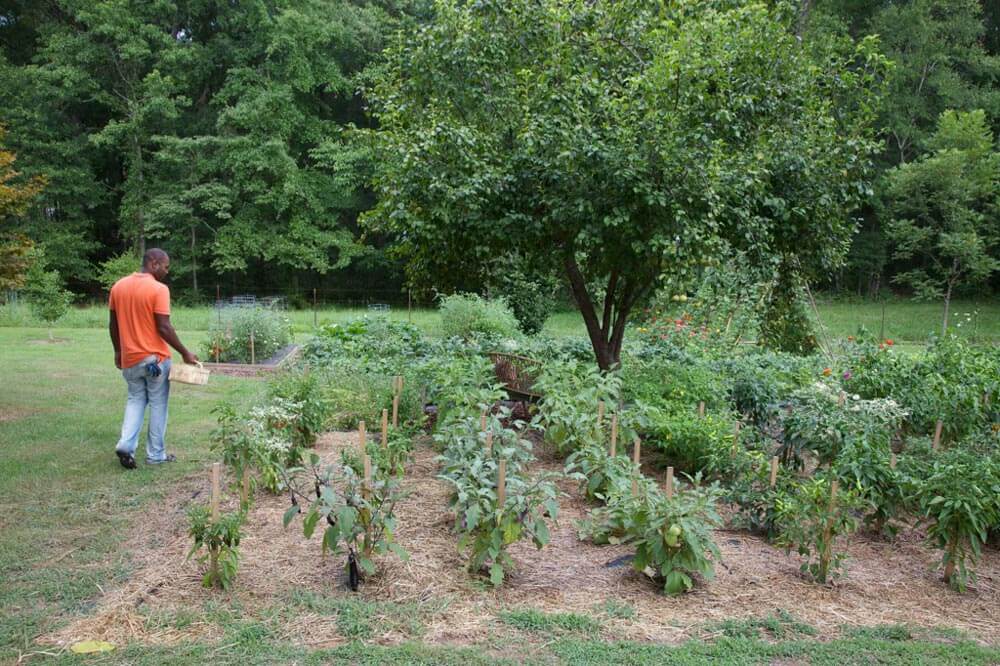
Yes, you can plant vegetables straight into the ground, but there are several factors to consider to ensure the success of your garden. Planting directly in the soil is a common practice in gardening that can lead to healthy and robust vegetable growth when done correctly. Here are the key points to keep in mind:
Soil Preparation
To plant directly in the ground, proper soil preparation is essential. This involves a few steps to create an optimal growing environment:
- Testing the soil pH and nutrient levels to understand what amendments are needed.
- Amending the soil with organic matter like compost to improve its structure and fertility.
- Turning the soil to aerate it and break up any hard clumps, promoting good drainage and root growth.
Choosing the Right Location
Selecting the right location for planting vegetables is crucial. Here are some factors to consider:
- Identify areas of your garden that receive at least 6-8 hours of sunlight daily.
- Avoid areas prone to standing water, as this can lead to root rot.
- Consider proximity to water sources to facilitate easy watering.
Timing and Seasonality
Timing plays an important role in successfully planting vegetables. Various vegetables have specific growing seasons:
See also:
- Cool-season crops such as lettuce and peas can be planted early in the spring or fall.
- Warm-season vegetables like tomatoes and peppers should be planted after the last frost date in spring.
- Use local gardening resources or extension services to find the best planting times for your region.
Planting Technique
The technique of planting is vital for ensuring good growth rates. Here’s how to plant efficiently:
- Create rows or mounds depending on the type of vegetables you are planting.
- Follow recommended planting depths and spacing for each type of vegetable to reduce competition for resources.
- Water the newly planted seeds or seedlings thoroughly after planting to settle the soil around the roots.
Maintenance After Planting
After planting directly in the ground, ongoing maintenance is necessary for your vegetable garden:
- Regularly check soil moisture levels and water accordingly, especially during dry spells.
- Apply mulch to retain soil moisture and suppress weeds.
- Fertilize according to the specific needs of the vegetable plants based on the soil test results.
Can I put seeds straight into soil?
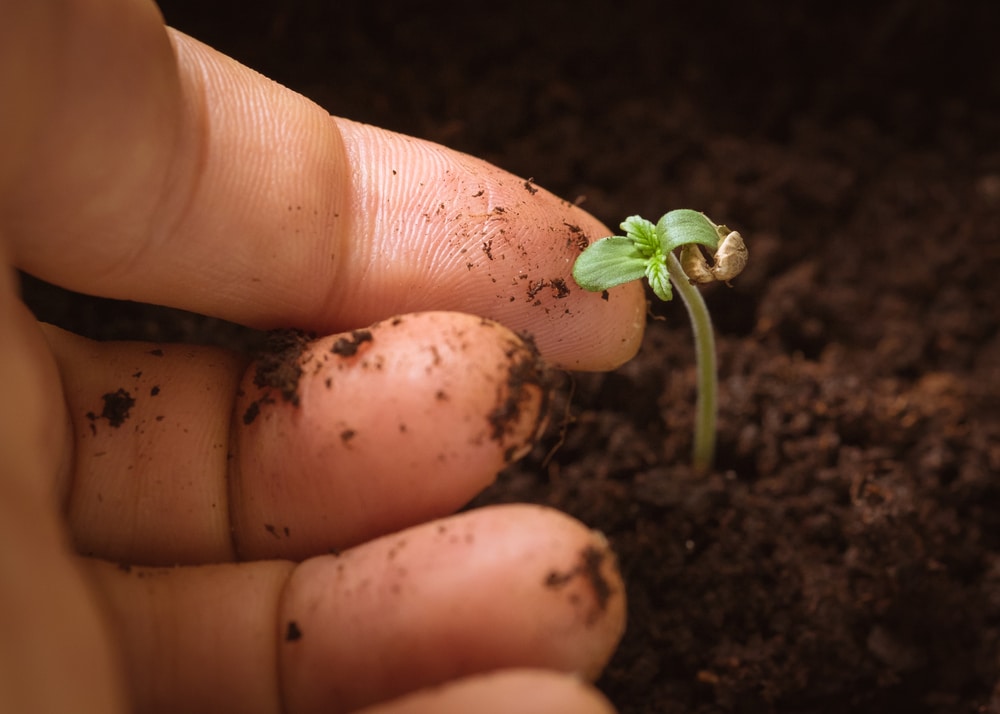
Yes, you can put seeds straight into soil, a practice known as direct sowing. This method is quite common for many types of plants, particularly those that are well-suited to your local climate and soil conditions. Direct sowing allows seeds to germinate and grow in their permanent location, minimizing transplant shock and maintaining a healthier growth environment. However, successful direct sowing depends on several factors, including the type of seeds, the timing, and the preparation of the soil.
Understanding Seed Types
Different seeds have unique requirements for germination and growth. Some seeds, such as peas or beans, thrive when sown directly into the soil because they do not like to have their roots disturbed. On the other hand, delicate seeds like tomatoes or peppers are often better started indoors where they can be nurtured before being transplanted. It’s crucial to know your seeds:
- Determine the Seed's Hardiness: Ensure you sow seeds that are suitable for your climate.
- Consider Growth Habits: Indeterminate varieties usually do well directly in the soil.
- Research Sowing Depth: Some seeds require specific planting depths for optimal growth.
Soil Preparation
Before planting seeds directly into the soil, proper preparation is essential. The soil should be well-aerated and enriched with nutrients to support the initial growth of the seedlings. Testing your soil’s pH and organic matter can also help in creating the best environment for germination.
- Till the Soil: Loosening the soil allows for better root penetration.
- Add Organic Matter: Incorporating compost can improve soil fertility.
- Check Soil Moisture: Soil should be moist but not waterlogged before planting.
Timing for Sowing
Timing is crucial when putting seeds straight into the soil. Each type of seed has an optimal planting window based on factors such as temperature and seasonal conditions. Generally, it's best to plant seeds after the last frost date in your area to ensure they have the best chance to thrive.
- Frost Dates: Consult local gardening resources for average last frost dates.
- Seasonality: Understand which plants thrive in spring versus fall.
- Temperature Requirements: Check seed packets for optimal soil temperature.
Watering After Sowing
After sowing seeds directly into the soil, appropriate watering practices are essential to encourage germination. Too much or too little water can affect seed emergence and growth.
- Initial Watering: Gently water the area after sowing to settle the seeds into the soil.
- Maintaining Moisture: Keep the soil consistently moist until seedlings emerge.
- Avoid Overwatering: Ensure good drainage to prevent seed rot and fungal diseases.
Pest and Weed Management
Direct sowing can expose seeds to pests and weeds, which can compete for nutrients and light. Implementing effective management strategies will help protect your seeds and ensure a healthy plant development.
- Mulching: Use organic mulch to suppress weeds and maintain soil moisture.
- Regular Monitoring: Check your seedbeds frequently for signs of pests or weeds.
- Natural Repellents: Use companion planting or natural deterrents to protect seedlings.
Questions from Our Readers
Can I plant vegetable seeds directly in the ground?
Yes, you can plant vegetable seeds directly in the ground, and this method is often preferred for many types of vegetables. Direct sowing is best done when the soil temperature is appropriate for the specific seeds you are planting, ensuring better germination rates.
What vegetables can I directly sow into the ground?
You can directly sow many vegetables including carrots, radishes, beans, and peas. These crops thrive when sown directly, allowing their roots to develop naturally in their desired growing environment.
When is the best time to plant seeds directly in the ground?
The best time to plant seeds directly in the ground is typically in spring, after the last frost date for your area. This timing allows for optimum growth conditions, as the soil will be warm enough to facilitate seed germination.
How deep should I plant vegetable seeds in the ground?
The depth at which to plant vegetable seeds can vary, but a general rule of thumb is to plant them at a depth of about two to three times the size of the seed. Always refer to the specific instructions for each type of vegetable for the best results.
See also:

If you want to read more articles like Can I Plant Vegetable Seeds Directly in the Ground? A Comprehensive Guide to Direct Sowing, we recommend you check out our Seeds category.
Leave a Reply
Related Articles