Can I Lay Artificial Grass Straight onto Soil? Essential Tips and Considerations
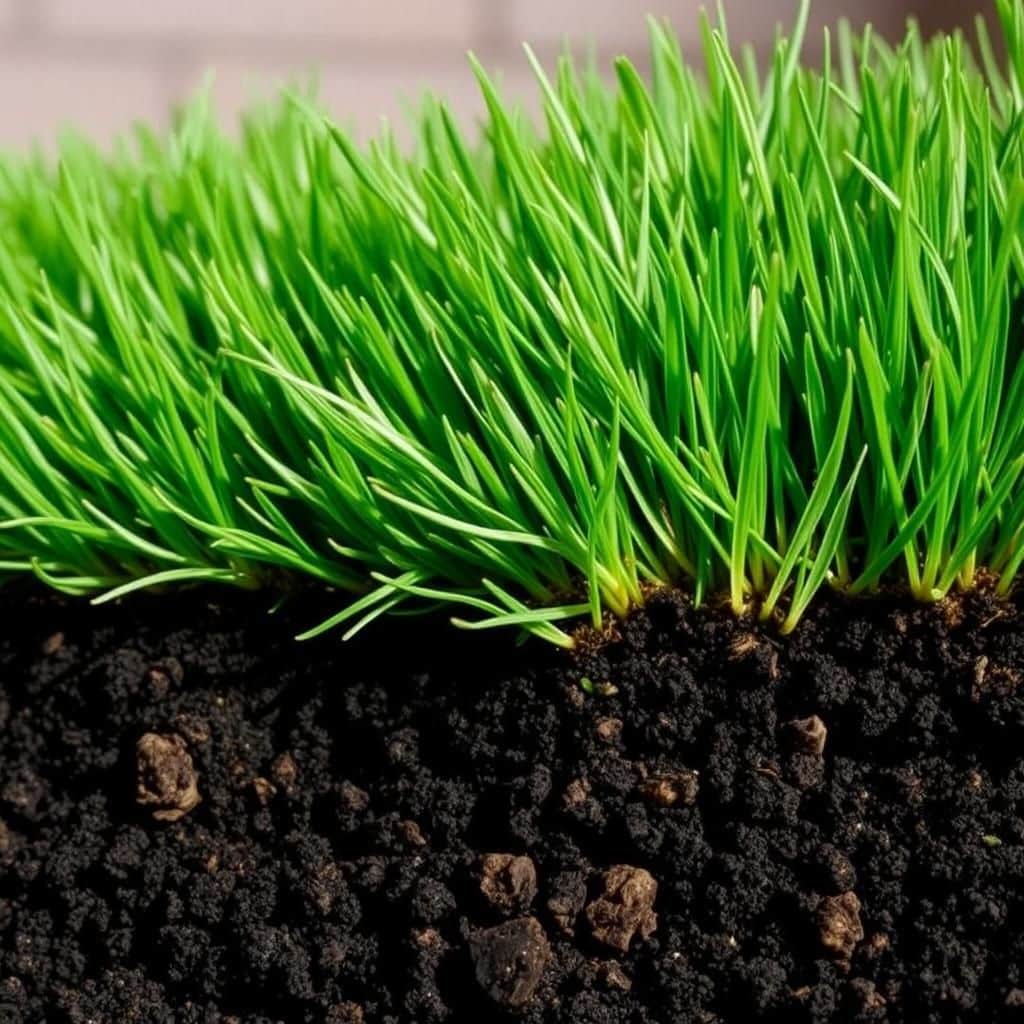
Artificial grass offers a low-maintenance, aesthetically pleasing alternative to natural lawns. However, many homeowners wonder if they can lay artificial grass directly onto soil. While it may seem like a straightforward solution, there are essential tips and considerations to keep in mind to ensure the longevity and appearance of your synthetic turf. Factors such as drainage, soil stability, and installation techniques play a crucial role in the success of your project. In this article, we will explore the pros and cons of laying artificial grass on soil and provide practical advice to help you make an informed decision.
Can I Lay Artificial Grass Straight Onto Soil?
Yes, you can lay artificial grass straight onto soil, but it is not recommended without proper preparation. The soil must be adequately compacted and levelled to prevent any unevenness or sinking of the turf over time. Additionally, laying artificial grass directly on soil can lead to drainage issues, promoting the growth of weeds and premature deterioration of the grass. It is advisable to use a base layer, such as crushed rock or sand, which ensures a stable surface, aids in proper drainage, and extends the durability of the artificial turf.
Benefits of Laying Artificial Grass on Soil
One of the main benefits of laying artificial grass on soil is the natural look it can provide, seamlessly blending into your outdoor space. Another advantage is the ease of installation; you can save on costly base materials if the soil is deemed suitable. When the soil is well-prepared, it can also provide good drainage for rainwater, preventing the turf from becoming saturated and extending its lifespan.
Potential Issues When Laying Directly on Soil
While the process can be straightforward, there are potential issues, such as poor drainage, which can lead to pooling water. This may encourage the growth of moss and weeds, undermining the integrity of the turf. Soil conditions can vary widely, and unsettled or loose soil can cause the grass to shift, resulting in uneven surfaces and an unprofessional appearance. Additionally, the turf may become too hot in direct sunlight without a proper base layer to provide insulation.
Preparation Needed for Laying Artificial Grass on Soil
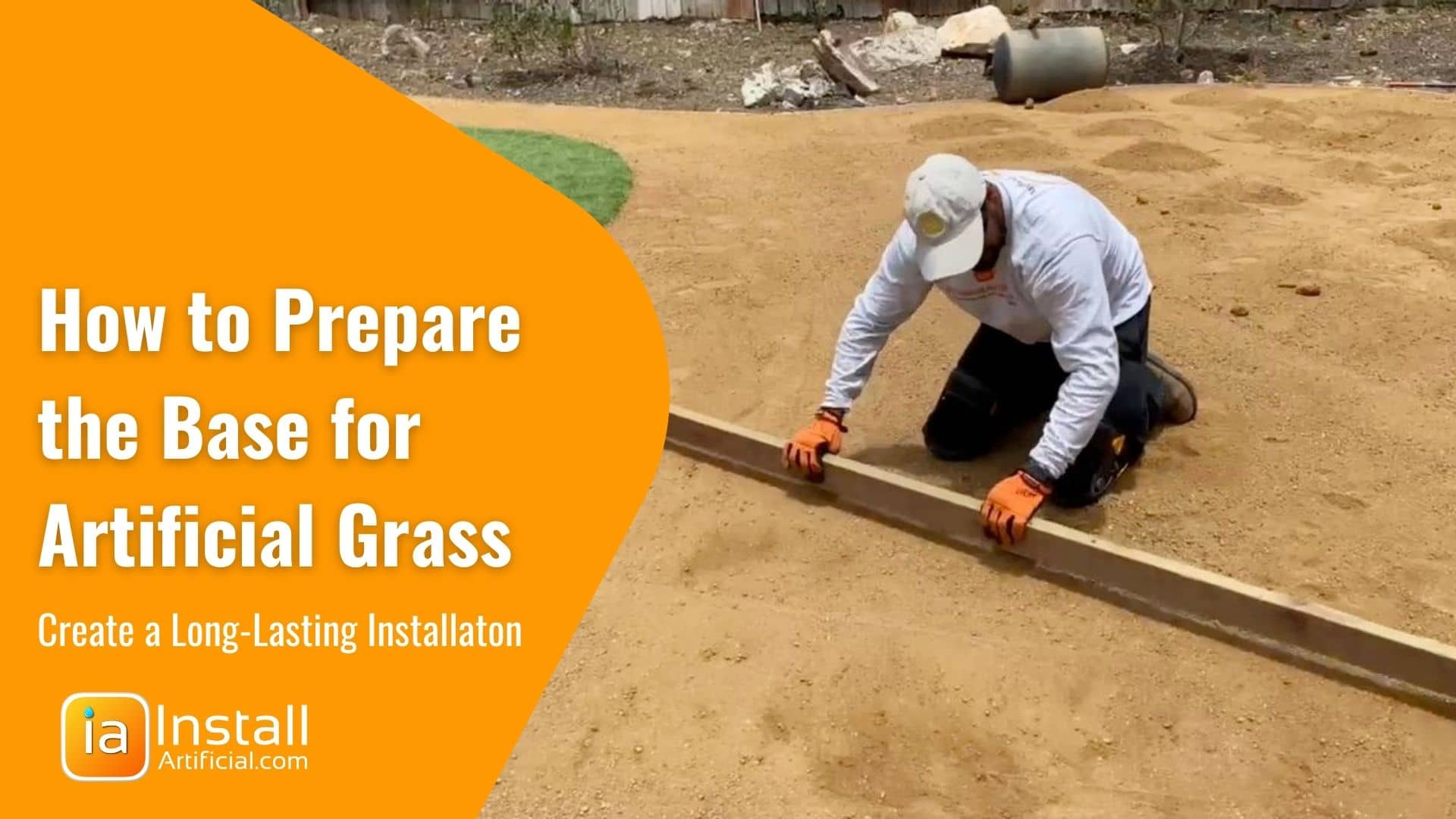
Before laying artificial grass directly on soil, one must ensure that the ground is well-prepared. This involves clearing any debris, rocks, and vegetation to create a clean surface. The soil should be compacted to provide stability and then leveled to create a flat area. It may be beneficial to add a geotextile fabric over the soil to reduce weed growth and improve drainage, especially if you live in an area prone to heavy rainfall.
Maintenance of Artificial Grass on Soil
Maintaining artificial grass laid on soil requires regular inspections for any signs of wear and tear. Without a proper base, the turf is more susceptible to shifting and damage. Periodic brushing is needed to ensure the blades stand upright and prevent matting. Additionally, it’s crucial to monitor the drainage system to avoid any clogging that can cause water to accumulate, potentially leading to rot or mildew growth beneath the grass.
Comparison of Laying Artificial Grass on Various Surfaces
Here is a comparison table outlining the differences between laying artificial grass on soil and other surfaces:
| Surface Type | Stability | Drainage | Weed Control | Installation Difficulty |
|---|---|---|---|---|
| Soil | Moderate | Variable | Low | Easy |
| Crushed Rock | High | Excellent | Moderate | Moderate |
| Concrete | Very High | Excellent | High | Hard |
| Sand | Moderate | Good | High | Moderate |
What happens if you just lay artificial grass on soil?

If you just lay artificial grass on soil without proper preparation, several issues can arise. The key problems include uneven surfaces, moisture retention, and potential damage to the artificial grass itself. Here is a detailed breakdown of what happens when you do this.
Improper Drainage
When artificial grass is laid directly on soil, drainage issues can occur. Soil is prone to compaction, which can inhibit water from draining properly. This leads to puddling and potential mold growth.
- Water accumulation can weaken the base of the grass.
- Excess moisture may create a breeding ground for pests.
- Puddles may form, leading to uneven surfaces that affect usability.
Weed Growth
Laying artificial grass directly on soil without any barrier can result in weed growth underneath. Weeds can push through the artificial fibers, compromising the look and maintenance of the grass.
- Weeds can make the area visually unappealing.
- They can create a maintenance issue requiring additional effort to remove.
- Unwanted vegetation may attract pests, disrupting the artificial environment.
Uneven Surface
Without proper ground preparation, the surface of the artificial grass may be uneven. This unevenness can lead to discomfort and instability when walking or playing on it.
- Uneven surfaces can lead to tripping hazards.
- It may affect the installation of additional features, like furniture or playground equipment.
- It can cause wear and tear on the grass over time, leading to early deterioration.
Soil Compaction
Directly laying artificial grass on earth can lead to soil compaction, where the soil becomes dense and hard. This issue affects drainage and the overall health of the grass surface.
See also:
- Difficulties in water drainage can result in pooling water.
- Compacted soil can hinder root growth and reduce the durability of the grass.
- It may require ongoing maintenance to rectify soil density and improve drainage.
Shortened Lifespan of Artificial Grass
When artificial grass is improperly installed, its lifespan may be significantly reduced. Unaddressed issues can impair the materials used in the grass, leading to early failure.
- Excessive moisture can cause the backing material to break down.
- Weed growth and uneven surfaces can lead to premature wear and damage.
- Overall aesthetics may diminish faster, requiring replacement sooner than expected.
What should you put down before laying artificial grass?

When laying artificial grass, it is essential to prepare the ground adequately to ensure the longevity and appearance of the grass. Below are the crucial steps and materials that should be put down before laying artificial grass:
Site Preparation
Before laying artificial grass, thorough site preparation is necessary. This involves:
- Clearing the area of any existing turf, weeds, or debris.
- Using a shovel or a turf cutter to remove old grass and roots.
- Ensuring the surface is level and free from any sharp objects or stones.
Base Layer Material
A suitable base layer material is vital for drainage and support. The recommended materials include:
- Crushed stone or gravel: This allows for better drainage and prevents water pooling.
- Decomposed granite: This option provides solid support while still allowing water to pass through.
- A mixture of sand and soil: This can also be used but needs to be compacted well to ensure stability.
Weed Barrier Fabric
Installing a weed barrier fabric is another important step. This fabric prevents weeds from growing through the artificial grass, ensuring a clean appearance. Consider the following:
- Choose a permeable landscape fabric that allows water to drain through.
- Lay the fabric across the prepared area, overlapping edges by at least 12 inches.
- Secure the fabric with landscape staples to keep it in place during installation.
Edging Material
Using edging material helps define the area for the artificial grass and prevents it from shifting. Common edging materials include:
- Wooden landscape timbers: They provide a natural look and are easy to install.
- Metal or plastic edging: These offer durable options that resist rust and decay.
- Bricks or pavers: They create a more decorative border but may require more effort to install properly.
Drainage System
In some cases, a proper drainage system may be necessary to facilitate water flow and prevent pooling. To achieve effective drainage:
- Install perforated drainage pipes beneath the base layer, sloped away from structures.
- Create a slight slope in the prepared ground to assist with runoff.
- Ensure that the perimeter of the area allows for water to flow away from the artificial grass.
Can you put artificial turf right on top of dirt?

To answer the question, yes, you can put artificial turf directly on top of dirt, but there are several factors to consider to ensure the best results. Laying artificial turf on dirt without proper preparation can lead to uneven surfaces, drainage issues, and premature wear and tear on the turf.
Preparation of the Dirt Surface
Before installing artificial turf over dirt, it's crucial to prepare the surface correctly. This involves several steps to ensure the ground is even and suitable for turf installation.
- Remove Debris: Clear the area of any rocks, roots, or other debris that may cause unevenness.
- Level the Ground: Use a rake to level the soil, filling any low spots and ensuring that the surface is as flat as possible.
- Compact the Soil: Compact the soil using a compactor or roller to create a firm base that will reduce settling over time.
Drainage Considerations
A proper drainage system is essential when installing artificial turf over dirt. Without adequate drainage, water can pool on the surface, leading to mold and damage.
- Assess Drainage: Check the area for natural drainage patterns and make adjustments if necessary.
- Install Drainage Solutions: Consider adding drainage pipes or gravel beds underneath the turf to facilitate water flow.
- Use Permeable Base Materials: If the turf is being placed on hard-packed dirt or clay, it's beneficial to create a permeable base layer to promote better drainage.
Choosing the Right Turf
The type of artificial turf selected can significantly impact the installation over dirt. Choosing turf that is designed for specific conditions is vital.
See also:
- Thicker Pile Height: A thicker pile height can provide better cushioning and hide minor dips in the dirt beneath.
- Durability Ratings: Check durability ratings based on expected foot traffic to choose turf that will withstand use.
- UV Resistance: Opt for turf with UV protection to prevent fading and deterioration from sun exposure.
Installation Techniques
Once the surface is prepared and the right turf is chosen, the installation techniques play a critical role in the outcome.
- Seaming the Turf: Properly seam the edges of the turf using adhesive or tape to avoid gaps that may reveal dirt underneath.
- Use Infill: Depending on the turf selected, applying an infill material can enhance stability and comfort.
- Secure the Turf: Use stakes or adhesives to secure the edges of the turf to prevent lifting or movement over time.
Maintenance After Installation
Post-installation maintenance is crucial for longevity when turf is installed over dirt. Routine care can help maintain appearance and performance.
- Regular Cleaning: Remove leaves, debris, and any organic matter that can accumulate on the turf surface.
- Check for Damage: Regularly inspect the seams and edges for signs of wear or loosening that need addressing.
- Periodic Brush-up: Brush the turf fibers to maintain upright position and appearance, promoting a more natural look.
Do you need underlay for artificial grass on soil?
When installing artificial grass on soil, using an underlay can be beneficial but is not strictly necessary. The need for underlay primarily depends on the specific conditions of the installation area and the intended use of the artificial grass.
Benefits of Using Underlay for Artificial Grass
Using an underlay can enhance the performance and longevity of artificial grass in several ways:
- Improved Drainage: An underlay can help facilitate water drainage, preventing pooling and boosting the grass's overall health.
- Shock Absorption: It provides cushioning, making the surface softer and safer, ideal for high-traffic areas and play spaces.
- Thermal Insulation: An underlay can help in temperature regulation, keeping the artificial grass cooler in hot weather and warmer in cold.
Types of Underlay Suitable for Artificial Grass
Several types of underlay materials can be utilized when installing artificial grass:
- Foam Underlay: This type offers excellent shock absorption and is lightweight, making it easy to install.
- Rubber Underlay: Rubber materials provide durability and are ideal for areas with heavy foot traffic. They are also resistant to water.
- Weed Membrane Underlay: This option prevents weeds from penetrating the grass above, ensuring a clean and maintained appearance.
Considerations When Installing Without Underlay
While underlay can provide several advantages, some homeowners choose to install artificial grass directly on soil. Here are some considerations for that approach:
- Cost-Effectiveness: Skipping underlay can reduce overall installation costs, making it a budget-friendly choice.
- Simplicity of Installation: Direct installation can be easier and quicker, especially for smaller projects.
- Soil Conditions: If the soil is well-drained and firm, underlay may not be necessary as natural drainage may suffice.
Maintenance Implications of Using Underlay
Opting for an underlay can affect how you maintain your artificial grass:
- Ease of Cleaning: Underlays may make cleaning easier, as they prevent dirt penetration into the grass fibers.
- Longevity: The right underlay can extend the lifespan of the grass, reducing the frequency of required maintenance.
- Preventing Damage: A proper underlay can help protect the grass from damage due to soil movement or settling.
Alternatives to Using Underlay
If you decide against using an underlay, there are alternatives that can still provide benefits:
- Compact Soil Preparation: Properly compacting the soil can create a solid base for the artificial grass.
- Using Gravel Layer: A layer of gravel can enhance drainage and stability without the need for an underlay.
- Choosing Quality Artificial Grass: High-quality grass is designed to perform well even without underlay, offering a good balance of durability and comfort.
Questions from Our Readers
Can I lay artificial grass straight onto soil?
Yes, you can lay artificial grass straight onto soil, but it is important to prepare the ground properly first. Ensure that the area is level, well-drained, and free from weeds or debris. A stable base will enhance the durability and appearance of your artificial grass, so consider adding a weed barrier and a layer of crushed stone for better drainage.
What preparation is needed before installing artificial grass?
Before installation, you should clear the area of any existing vegetation, rocks, and debris. It is also advisable to compact the soil and apply a layer of sand to create a smooth, even surface. This preparation is crucial for preventing bumpy or uneven surfaces in the finished lawn.
Will artificial grass drain water effectively when laid on soil?
Artificial grass can drain water effectively if the soil beneath is well-drained. However, without proper preparation, such as adding a drainage layer or gravel underneath, water may accumulate, leading to mold or damage to the turf over time.
How long does artificial grass last when installed on soil?
When properly installed on a well-prepared surface, artificial grass can last anywhere from 10 to 25 years. Factors like UV resistance, weather conditions, and maintenance practices also play a significant role in determining the lifespan of the grass.
See also:
If you want to read more articles like Can I Lay Artificial Grass Straight onto Soil? Essential Tips and Considerations, we recommend you check out our Turf category.
Leave a Reply
Related Articles