Can I Just Drain My Sprinkler System for Winter? Essential Tips for Winterization

As winter approaches, many homeowners question whether they can simply drain their sprinkler systems to prepare for the colder months. While draining is an essential part of winterizing your irrigation system, it’s not the only step needed to ensure its longevity and performance. Proper winterization is crucial to prevent damage from freezing temperatures, which can lead to costly repairs in the spring. In this article, we will explore the essential tips for effectively winterizing your sprinkler system, ensuring it remains in optimal condition and ready to provide lush greenery come warmer weather.
Can I Just Drain My Sprinkler System for Winter?
Draining your sprinkler system for winter is a crucial step in maintaining its longevity and functionality. While it may seem sufficient to simply drain the water from the pipes, this method does not fully protect your system from damage caused by freezing temperatures. To ensure that your sprinkler system remains in optimal condition, it is recommended to use an air-blowing method to remove all residual water from the lines, or utilize a professional winterization service. This comprehensive approach guarantees that water does not freeze and expand within the pipes, which can lead to cracks or other significant issues when spring arrives.
Why Is Winterization Important?
Proper winterization of your sprinkler system is essential because water left in the pipes can freeze, causing irreparable damage. When water freezes, it expands and can crack pipes and fittings, leading to costly repairs in the spring. Additionally, winterizing helps prevent mold and algae buildup in the system, keeping it clean and efficient for when you need it again.
Methods of Winterizing a Sprinkler System
There are primarily two methods to winterize a sprinkler system: manual draining and blow-out. Manual draining involves shutting off the water supply and opening all drain valves to let the water escape. However, this method may not fully eliminate trapped water. The blow-out method, on the other hand, uses compressed air to force water out of the pipes, ensuring a thorough removal of moisture. For best results, hiring a professional can ensure the blow-out method is executed correctly.
When Should You Winterize Your Sprinkler System?
The best time to winterize your sprinkler system is before the first hard freeze, usually in late fall. Timing can vary depending on your local climate, but a general rule of thumb is to prepare your system when nighttime temperatures consistently drop below 32°F (0°C). This proactive approach helps prevent any unexpected freezing that could damage the system.
Can I DIY the Winterization Process?
While some homeowners may attempt to DIY the winterization of their sprinkler system, it is critical to understand the risks. Without the proper tools and knowledge, like using compressed air, you might not ensure all water is expelled from the system. If you decide to do it yourself, make sure to follow a reliable guide and check your local frost dates to avoid any potential mishaps that could damage your system.
What Are the Signs of a Poorly Winterized System?
A poorly winterized sprinkler system may exhibit several signs when spring arrives. If you notice cracks or leaks in the pipes or hear unusual sounds when you turn the system back on, these can be indicators of damage. Additionally, if the system does not function properly or there is inadequate water pressure, this may suggest that freezing has occurred, leading to possible structural issues within your system.
| Step | Description |
|---|---|
| 1 | Shut off the water supply to the system. |
| 2 | Open all drain valves to allow water to escape. |
| 3 | Consider using compressed air to remove any remaining moisture. |
| 4 | Check for any visible leaks or damage. |
| 5 | Store any removable parts in a dry space. |
How do I drain my sprinkler system for winter?
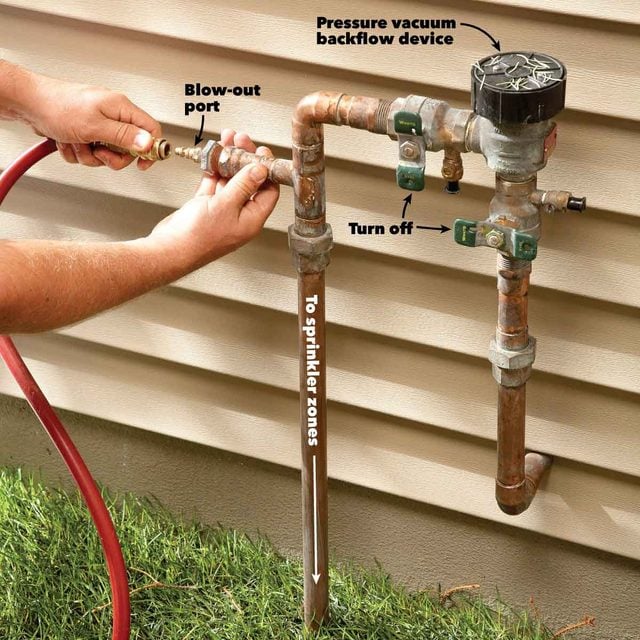
To properly drain your sprinkler system for the winter season, follow these steps to ensure that your pipes and components do not freeze and cause damage.
1. Turn Off the Water Supply
Before you begin draining your system, you need to shut off the main water supply to your sprinkler system. Typically, this can be done at the main shutoff valve or at the backflow preventer.

Step 1: Turn off the Water Supply
- Locate the main water shutoff valve for your sprinkler system.
- Turn the valve clockwise until it is fully closed.
- If applicable, also check the backflow preventer and turn that valve off.
2. Empty the System
With the water supply turned off, you'll need to empty the sprinkler lines to prevent freezing. This can be done manually or with an air compressor.
Step 2: Drain the System
- Open the manual drain valves located at the lowest points of the system.
- If your system has automatic drains, make sure they are functioning properly to allow water to drain.
- For an air compressor method, connect the compressor to the system and blow out the remaining water.
3. Remove and Store Sprinkler Heads
To protect your sprinkler heads from damage due to freezing temperatures, consider removing them for the winter.
Step 3: Remove Sprinkler Heads
- Unscrew the sprinkler heads carefully by turning them counter-clockwise.
- Clean any dirt or debris from the heads before storing.
- Store the heads in a safe, dry place until spring.
4. Winterize Backflow Preventer
The backflow preventer is a crucial component that should be winterized to prevent damage.
Step 4: Winterize Backflow Preventer
- Open the test cocks on the preventer to let any water drain out.
- Ensure all valves are in the closed position after draining.
- If your backflow preventer has a valve, turn it off and leave it open to allow for ventilation.
5. Add Antifreeze (if necessary)
In some cases, adding antifreeze to specific areas of the system may be necessary to further prevent freezing.
Step 5: Add Antifreeze (if necessary)
- Use non-toxic antifreeze designed for irrigation systems.
- Follow the manufacturer’s instructions for the correct mixture and application.
- Add it to the system after draining to protect against potential freezing.
Can I drain my own sprinkler system?

Yes, you can drain your own sprinkler system. Draining your sprinkler system is an important maintenance task that helps prevent damage during colder months, especially if you live in an area that experiences freezing temperatures. By following the proper procedures, you can effectively drain your system without causing harm to the components.
Steps to Drain Your Sprinkler System
To successfully drain your sprinkler system, you need to follow a few simple steps. Here’s how to do it:
- Turn Off the Water Supply: Locate the main valve for your sprinkler system and turn it off to stop any water flow.
- Shut Off the Timer: Disable any automatic timers that control the system to ensure it doesn't trigger while you're draining it.
- Drain the Backflow Preventer: If you have a backflow preventer, make sure to drain it according to the manufacturer's instructions to prevent any damage.
Manual vs. Automatic Drainage
You can drain your sprinkler system either manually or with the help of an air compressor for automatic drainage. Each method has its advantages:
- Manual Drainage: This method is simple and requires no special equipment. However, it may not remove all the water from the system.
- Automatic Drainage: Using an air compressor helps ensure all water is expelled from the system, reducing the risk of freezing damage.
- Choose Based on Climate: If you live in an area with harsh winters, the automatic method may be more effective in protecting your system.
Tools Required for Draining
To drain your sprinkler system, you will need a few basic tools. Here are the essentials:
- Wrench: To turn off the main water supply or to open any necessary valves.
- Air Compressor: For blowing out the lines if you opt for the automatic drainage method.
- Hose: It can be helpful for directing water away from the area you are draining.
Common Mistakes to Avoid
When draining your sprinkler system, there are common mistakes that you should avoid:
See also:
- Not Draining Enough: Failing to expel all water can lead to frozen pipes and system damage.
- Ignoring Components: Forgetting to drain backflow preventers or pumps can result in costly repairs.
- Draining at the Wrong Time: Ideally, drain your system before the first frost hits, typically in early fall.
Signs You Need Professional Help
While draining your system is often a DIY task, certain signs may indicate you should seek professional assistance:
- Complicated Systems: If your sprinkler system has many complex components, consider hiring a professional.
- Visible Damage: If you notice any visible damage or leaks, it's best to contact a professional to avoid further issues.
- Inexperience: If you’re unsure about the process, it’s better to consult an expert to prevent costly mistakes.
Do I need to do anything to my sprinkler system for winter?

To prepare your sprinkler system for winter, it is crucial to take several key steps. If you leave your system exposed to freezing temperatures without proper protection, you run the risk of damaging pipes, valves, and other components, which can lead to costly repairs. Here are the necessary actions you should consider:
1. Drain the Sprinkler System
It is essential to drain your sprinkler system to prevent any remaining water from freezing and causing damage. There are two primary methods for draining your sprinkler system:
- Manual Drain: Open the drain valves at the lowest point of each zone to allow water to escape.
- Automatic Drain: If your sprinkler system is equipped with automatic drain valves, they should open at a certain pressure, expelling the water from the system automatically.
2. Insulate Exposed Pipes
Protecting your exposed pipes is vital to keeping your sprinkler system intact during cold weather. Uninsulated pipes can crack or burst when water within them freezes. To safeguard these components:
- Wrap insulation tape around exposed pipes.
- Use foam pipe insulation sleeves for additional protection.
- Apply heat tape to areas that are particularly susceptible to freezing.
3. Winterize Backflow Preventers
The backflow preventer is a critical part of the irrigation system that requires special attention. This device prevents contaminated water from flowing back into the main water supply. To winterize it:
- Shut off the water supply to the backflow preventer.
- Drain any remaining water by removing the test cocks and allowing water to flow out.
- Consider covering the backflow device with an insulated cover for additional protection against freezing temperatures.
4. Blow Out the Sprinkler System
One of the most effective methods for winterizing a sprinkler system is to use compressed air to blow out the remaining water. This process involves:
- Connecting an air compressor to the blow-out port.
- Blowing air through each zone of the sprinkler system until water has completely exited.
- Ensure not to exceed the recommended pressure to avoid damaging the sprinkler heads or pipes.
5. Check and Store Sprinkler Components
Reviewing and storing your sprinkler components properly is crucial for their longevity. It’s advisable to:
- Remove any sprinkler heads and store them indoors.
- Inspect all components for damage, replacing any that are broken.
- Store hoses and other accessories in a dry, sheltered space to prevent wear and tear from freezing conditions.
Questions from Our Readers
Can I just drain my sprinkler system for winter?
Yes, draining your sprinkler system is a crucial step in winterizing it; however, it's essential to ensure that all water is properly removed to prevent damage. If any water remains, it can freeze and crack the pipes, leading to costly repairs.
What happens if I don't drain my sprinkler system for winter?
If you don't drain your sprinkler system, water trapped in pipes or valves can freeze and cause serious damage. This can result in broken pipes, ruptured fittings, and ultimately, a system that will require extensive repairs come spring.
See also:
Is draining my sprinkler system enough for winterizing?
While draining your sprinkler system is necessary, it's often not sufficient on its own. You should consider using compressed air to blow out any remaining water and also ensure all valves are properly closed and insulated from cold weather.
When should I drain my sprinkler system for winter?
You should plan to drain your sprinkler system before the first hard freeze of the season, typically in the fall. Monitoring the weather forecasts helps ensure that you winterize your system at the right time to avoid any potential damage.
If you want to read more articles like Can I Just Drain My Sprinkler System for Winter? Essential Tips for Winterization, we recommend you check out our Irrigation category.
Leave a Reply
Related Articles