Can Cucumbers and Tomatoes Be Planted Together? The Ultimate Guide to Companion Planting

Companion planting is a gardening technique that involves pairing plants together to enhance growth, deter pests, and optimize space. Among the many plant combinations, the question arises: can cucumbers and tomatoes be planted together? This ultimate guide delves into the compatibility of these two popular vegetables, exploring their biological needs and growth habits. Understanding their relationship can lead to more bountiful harvests and healthier plants. We will examine the benefits, potential challenges, and best practices for successfully growing cucumbers and tomatoes in tandem, providing you with the knowledge to cultivate a thriving garden.
Can Cucumbers and Tomatoes Be Planted Together?
Planting cucumbers and tomatoes together can be beneficial for both plants if done correctly. These plants have similar growing conditions and require adequate sunlight, moisture, and nutrient-rich soil. However, it is important to consider their size and growth habits; tomatoes tend to grow tall and can provide shade for the lower-growing cucumbers, which can be advantageous in preventing sunburn on their leaves. Additionally, ensuring proper spacing and air circulation is crucial to avoid diseases that often affect both crops.
Benefits of Companion Planting
Companion planting, such as growing cucumbers alongside tomatoes, can offer several advantages. The two plants can help each other with pest control, as the aromas from tomatoes may deter pests that typically feed on cucumbers. Furthermore, when planted together, they can create a more diverse ecosystem in the garden, attracting beneficial insects that can aid in pollination and natural pest management.
Germination and Growth Preferences
Both cucumbers and tomatoes thrive in warm conditions, preferring temperatures between 70°F and 85°F (21°C to 29°C). They both enjoy well-drained, fertile soil rich in organic matter. To optimize their growth, it’s recommended to plant cucumbers a few weeks after the tomatoes, as cucumbers generally have a quicker germination and will not compete as drastically for resources at the early stages.
Pest and Disease Management
While planting cucumbers and tomatoes together has its benefits, gardeners must also be vigilant about potential diseases such as blight and powdery mildew, which can affect both crops. Proper spacing between plants helps reduce the risk of diseases spreading. Additionally, implementing crop rotation practices can further minimize the impact of soil-borne pathogens that both crops may share.
Space Requirements
Cucumbers and tomatoes have different space requirements that must be taken into account when planting them together. Tomatoes typically require stakes or cages for vertical growth, allowing cucumbers to sprawl on the ground or climb up structures, thus conserving space. A recommended distance of at least 18-24 inches apart should be maintained to ensure each plant receives adequate airflow and nutrients.
Harvesting Considerations
Harvesting is an important aspect to consider when growing both cucumbers and tomatoes together. Tomatoes generally take longer to ripen, whereas cucumbers can be harvested in a shorter time frame. Knowing the peak harvesting periods allows for better planning and ensures that both crops can be harvested without stressing the plants or overcrowding the garden space.
| Plant Type | Optimal Conditions | Harvest Time |
|---|---|---|
| Cucumbers | Warm, well-drained soil | 50-70 days |
| Tomatoes | Warm, nutrient-rich soil | 60-100 days |
How close can I plant cucumbers to tomatoes?

When considering the planting distance between cucumbers and tomatoes, it is important to ensure that both plants can thrive without competing excessively for nutrients, space, and sunlight. Generally, cucumbers can be planted 2 to 3 feet away from tomatoes. This distance allows sufficient airflow and minimizes the likelihood of disease transmission, while still permitting a productive garden layout.
Understanding Plant Spacing
The concept of proper plant spacing is crucial in gardening for several reasons, particularly when working with companion plants like cucumbers and tomatoes. Here are some key considerations:
- Resource Allocation: Both cucumbers and tomatoes require significant water and nutrients.
- Light Access: Adequate spacing ensures that both plants can maximize their access to sunlight.
- Disease Management: Proper distance reduces the risk of diseases that can spread from one plant to another.
Companion Planting Benefits
Planting cucumbers alongside tomatoes can be beneficial if done correctly. Here are some advantages:
- Pest Repellent: Cucumbers can deter certain pests that affect tomatoes.
- Efficient Use of Space: These plants can complement each other in the garden layout.
- Enhanced Growth: Their growth patterns may support each other, leading to improved yields.
Soil and Nutrient Considerations
Both plants thrive in nutrient-rich soil, and improper proximity can lead to soil depletion. Here’s what to consider:
- Nutrient Requirements: Understand the specific nutrient needs of both plants.
- Soil Quality: Ensure the soil is well-aerated and not overly saturated.
- Fertilization: Use appropriate fertilizers to support healthy growth in both.
Watering Techniques
Watering methods can significantly impact the health of cucumbers and tomatoes. Consider these strategies:
See also:
- Consistent Moisture: Both plants require consistent moisture but are sensitive to overwatering.
- Drip Irrigation: This technique can minimize competition for water between the two.
- Mulching: Mulch helps retain soil moisture and can reduce weeds that compete for water.
Signs of Stress in Plants
Recognizing signs of stress in cucumbers and tomatoes can help gardeners make adjustments. Key indicators include:
- Wilting Leaves: Both plant types may exhibit wilting when too close together.
- Yellowing Leaves: This could signify nutrient competition or lack of sunlight.
- Pest Infestations: Clumping can facilitate pest activity; monitor for any infestations.
What should you not plant near cucumbers?
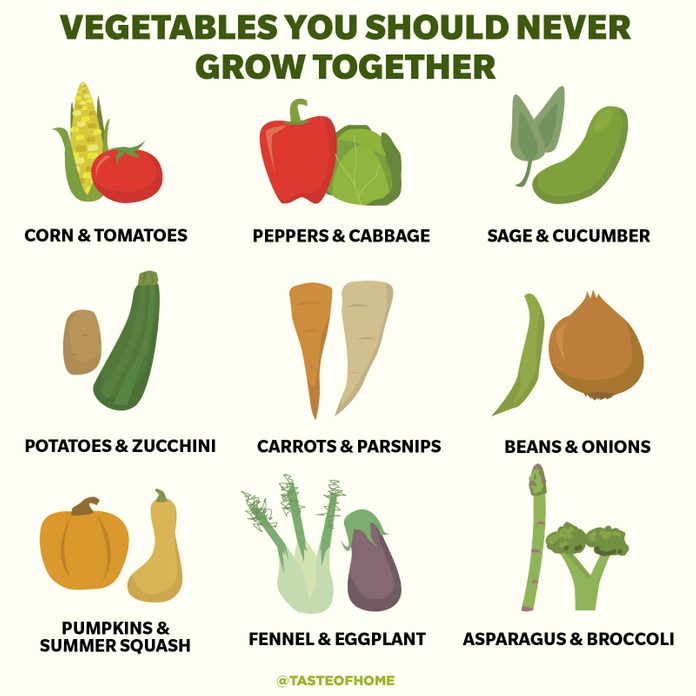
Cucumbers are a popular vegetable in home gardens, but they can be sensitive to certain companion plants. To ensure healthy growth and maximize yield, it's important to know what should not be planted near cucumbers.
Nightshades and Cucumbers
Nightshade plants, including tomatoes, peppers, and potatoes, should not be planted near cucumbers. These plants share similar pests and diseases, which can lead to increased risk for both crops.
- Both nightshades and cucumbers are susceptible to blight, a fungal disease that can spread quickly in close proximity.
- In addition, the two families share pest issues, particularly aphids, which can weaken the cucumber plants.
- Maintaining distance can reduce competition for nutrients and water, leading to healthier cucumbers.
Strawberries and Cucumbers
Planting strawberries near cucumbers is not advisable due to their conflicting watering needs. Cucumbers thrive in consistently moist soil, while strawberries prefer drier conditions.
- Inadequate water balance can lead to root rot in cucumbers or drought stress in strawberries.
- Additionally, both plants can attract similar pests, increasing the likelihood of infestation.
- To maximize yields, it's best to keep these fruits separate to ensure each receives optimal care.
Squash and Cucumbers
Cucumbers and squash, including zucchini, should not be planted together because they are both prone to the same diseases and pests, particularly powdery mildew.
- Planting them in close quarters can facilitate the spread of fungal infections from one plant to another.
- They require similar nutrient profiles, leading to increased competition for resources.
- Keeping these plants apart can enhance airflow around them, reducing the risk of diseases.
Melons and Cucumbers
Both melons and cucumbers belong to the same family, cucurbitaceae, which makes them more vulnerable to similar diseases such as cucumber mosaic virus.
- Planting them close together can exacerbate the spread of viral and fungal infections.
- Due to similar growth patterns, they may compete for light and space, hindering productivity.
- Separating these crops can lead to healthier plants and better overall yield.
Sweet Corn and Cucumbers
Although sweet corn is a staple in many gardens, it should be planted away from cucumbers. Corn can attract pests, like the corn earworm, which may also affect cucumbers.
- The presence of corn can lead to an increase in pest populations affecting nearby crops.
- Additionally, the height of corn can create shaded areas, impacting cucumber growth as they prefer full sun.
- Keeping cucumbers away from corn can help ensure both crops thrive in their respective environments.
What should not be planted next to tomatoes?
:max_bytes(150000):strip_icc()/Spruce_Companion_Plants_For_Tomatoes-b09296ce123143cbba06924494fffa98-8757a09df8a1461ea24f0e5e8013a58f.png)
When planting tomatoes, it's essential to be cautious about which other plants you place nearby, as some can negatively affect their growth and health. Here are some plants that should not be planted next to tomatoes:
Companion Planting Basics
Companion planting is the practice of growing different plants close together for mutual benefits. However, not all plants benefit tomatoes; in fact, some can lead to reduced yields and increased susceptibility to pests and diseases. Understanding the relationships between various plants is crucial for ensuring a thriving garden.
- Understanding competition for resources: Plants compete for sunlight, nutrients, and water.
- Presence of pests and diseases: Some plants attract pests that specifically target tomatoes.
- Soil compatibility: Different plants have various soil nutrient requirements.
Plants That Attract Pests
Certain plants can attract pests that are harmful to tomatoes, leading to infestations that can devastate your crop. For example, the presence of certain flowers and herbs can draw aphids and whiteflies, which may spread disease among your tomatoes.
- Marigolds: While often recommended for pest control, they can sometimes attract specific insects detrimental to tomatoes.
- Potatoes: Both tomatoes and potatoes are susceptible to the same pests, like the Colorado potato beetle.
- Eggplants: They can lure pests that also affect tomatoes, worsening the problem.
Disease Transmission Risks
Some plants share similar diseases with tomatoes, increasing the risk of spreading these issues within your garden. Diseases such as blight can be more prevalent when related plants are grown nearby, multiplying the chances of infection.
See also:
- Pepper plants: They may share diseases like bacterial wilt with tomatoes.
- Huckleberries: Part of the same family, they can transmit diseases to tomatoes.
- Other members of the nightshade family: They can host viruses affecting tomatoes.
Root Competition
When planting tomatoes, it's vital to consider any potential root competition from neighboring plants. Some plants have aggressive root systems that can outcompete tomatoes for essential nutrients and water, leading to stunted growth and poor fruit production.
- Carrots: They can compete for nutrients and moisture during critical growth stages.
- Parsley: Its roots may interfere with the tomato's root development.
- Sweet potatoes: Their sprawling root system can suffocate tomato roots.
Flavor and Aroma Influences
Tomatoes can be sensitive to the flavors and aromas produced by certain plants nearby. Some herbs and flowers can negatively influence the taste of tomatoes or inhibit their growth.
- Fennel: Known to inhibit tomato growth and affect flavor quality.
- Rosemary: Strong scents can alter the growth patterns of tomatoes.
- Basil: While it can be beneficial in some ways, it might not pair well in all cases, affecting taste.
Why should cucumbers and tomatoes not be planted together?
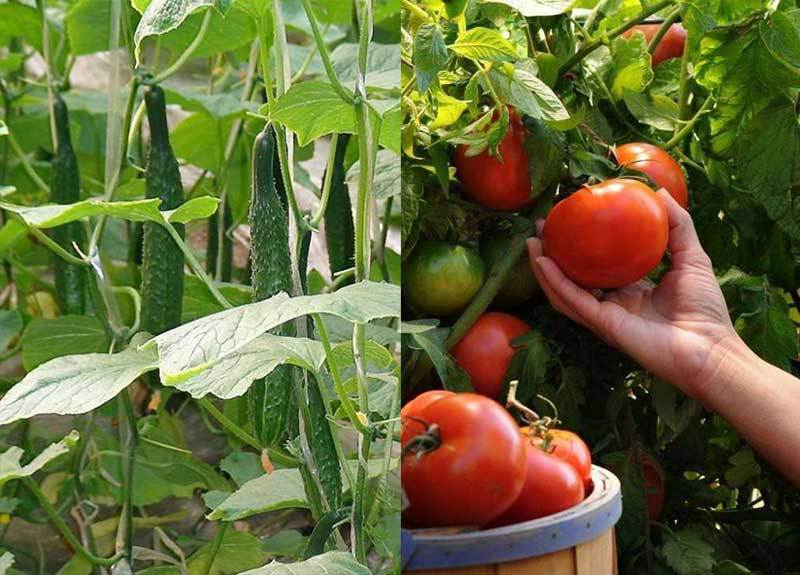
Cucumbers and tomatoes are popular garden plants, but they should not be planted together due to several biological and environmental factors that can hinder their growth and productivity. Here are some detailed reasons why these two plants are not compatible neighbors in the garden.
Differences in Nutrient Requirements
Cucumbers and tomatoes have distinct nutrient needs, which can lead to competition and nutrient deficiency if grown together.
- Cucumbers are heavy feeders that require a lot of nitrogen, potassium, and phosphorus for optimal growth.
- Tomatoes also demand significant nutrients but have a unique requirement for calcium to avoid blossom end rot.
- Planting them together can create an imbalance in nutrient intake, leading to poor growth in one or both plants.
Pest Attraction
When grown in close proximity, cucumbers and tomatoes can attract similar pests, which can lead to increased infestation.
- Cucumbers are susceptible to cucumber beetles, while tomatoes can attract aphids.
- Having both plants nearby may create a favorable environment for pests to proliferate.
- This can result in a higher incidence of pest-related diseases that affect both crops.
Disease Susceptibility
Both plants are vulnerable to certain diseases that can be exacerbated by mutual proximity.
- Fungal diseases, such as powdery mildew, thrive when humidity levels are elevated due to dense plant arrangements.
- Tomatoes are prone to blight, which can spread more quickly if planted near cucumbers.
- Isolation of these plants can reduce the likelihood of disease transmission.
Growth Habit Conflicts
Cucumbers and tomatoes often grow in ways that can impede each other’s development.
- Cucumbers tend to sprawl on the ground, while tomatoes typically require vertical support.
- The sprawling nature of cucumbers can overshadow and stunt the growth of tomato plants.
- This conflict can lead to a less productive garden overall.
Watering Needs
Differences in water requirements can also complicate their coexistence in the garden.
- Cucumbers prefer consistently moist soil, while tomatoes benefit from drying out slightly between waterings.
- Watering both plants simultaneously can lead to overwatering for tomatoes or underwatering for cucumbers.
- This discrepancy can lead to compromised yield and increased stress on both plants.
Questions from Our Readers
Can cucumbers and tomatoes be planted together?
Yes, cucumbers and tomatoes can be planted together, but they have different growing habits and requirements. It's important to provide ample space and monitor their nutrient needs to ensure both plants thrive without competing for resources.
What are the benefits of planting cucumbers and tomatoes together?
Planting cucumbers and tomatoes together can improve biodiversity in the garden, lead to pest management by attracting beneficial insects, and utilize space efficiently. The two crops can compliment each other by providing shade and support, aiding in overall garden health.
Are there any drawbacks to planting cucumbers with tomatoes?
One of the main drawbacks is the potential for competition for nutrients and water, as both plants can be heavy feeders. Additionally, if not managed properly, one plant could shade the other excessively, limiting its growth and yield.
How should I care for cucumbers and tomatoes when planted together?
When growing cucumbers and tomatoes together, ensure you provide adequate water, regular fertilization, and enough sunlight for both plants. Keep an eye on their health and address any pest or disease issues promptly to maintain their vigor and productivity.
See also:

If you want to read more articles like Can Cucumbers and Tomatoes Be Planted Together? The Ultimate Guide to Companion Planting, we recommend you check out our Seeds category.
Leave a Reply
Related Articles