Can a Phalaenopsis Orchid Be Planted Outside? Essential Tips for Outdoor Care
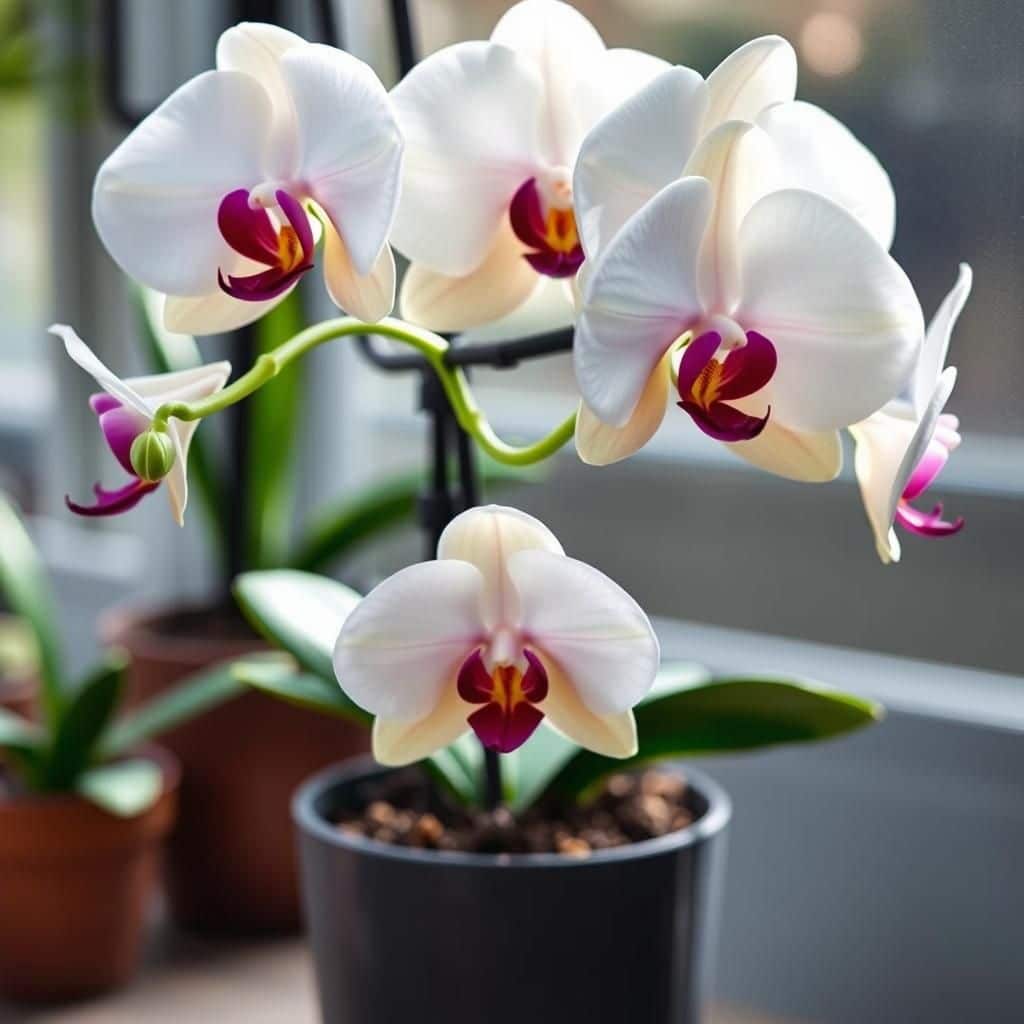
Phalaenopsis orchids, often referred to as moth orchids, are cherished for their stunning blooms and ease of care. However, many enthusiasts wonder if they can thrive outdoors. This article explores the specifics of planting Phalaenopsis orchids outside, considering their environmental needs and potential challenges. With the right conditions, these exotic plants can flourish beyond the confines of indoor spaces. We'll provide essential tips for outdoor care, including optimal temperatures, light exposure, and protection against pests. Whether you’re seeking to enhance your garden or simply curious about their outdoor potential, this guide will help you make informed decisions for your orchids.
Can a Phalaenopsis Orchid Be Planted Outside?
Phalaenopsis orchids, commonly known as moth orchids, are typically grown as indoor plants due to their specific environmental needs. While it is possible to plant them outside in certain climates, several factors must be considered to ensure their survival and health. Phalaenopsis orchids require warm temperatures, high humidity, and indirect sunlight, which can be difficult to replicate in many outdoor settings. In regions that experience frost or extreme temperature fluctuations, it is advisable to keep these orchids indoors or bring them inside during cold weather. Additionally, proper drainage is crucial, as excessive moisture can lead to root rot. Therefore, if you decide to experiment with planting your Phalaenopsis orchid outside, make sure to provide a suitable microclimate and monitor their needs closely.
Ideal Climate Conditions
The ideal climate for growing Phalaenopsis orchids outdoors includes temperatures ranging from 70°F to 85°F (21°C to 29°C) during the day and no lower than 60°F (15°C) at night. These orchids thrive in warm, humid environments; therefore, regions with high humidity and consistent warmth are ideal. If you live in a place that experiences frequent changes in temperature or cold winters, keeping your Phalaenopsis orchid indoors is the best option to prevent cold stress and potential damage.
Sunlight Requirements
Phalaenopsis orchids prefer indirect sunlight as too much direct sun can scorch their leaves. When planting outdoors, choose a shaded area or a spot that receives filtered light throughout the day. A location under a tree canopy or near a pergola where the sunlight can be diffused is perfect for these delicate flowers. This helps mimic their natural habitat, ensuring that they receive just the right amount of light needed for flowering without damaging the plant.
Watering and Drainage
Proper watering practices are essential when considering outdoor planting for Phalaenopsis orchids. These plants require a well-draining growing medium to prevent water accumulation, which can lead to root rot. Make sure the pot has drainage holes and avoid letting the orchid sit in standing water. It's best to water them early in the morning, allowing the foliage to dry by evening, which also helps prevent fungal diseases. Adjust your watering schedule based on weather conditions, increasing frequency during hot, dry spells.
Potential Pests and Diseases
When grown outside, Phalaenopsis orchids may be more susceptible to various pests such as aphids, mealybugs, and spider mites. Regularly inspecting your plants for signs of infestation is important for early detection and treatment. Additionally, outdoor conditions can sometimes lead to an increased chance of fungal and bacterial diseases due to humidity and moisture. Implementing good housekeeping practices, such as clearing away debris and avoiding overcrowding, can help mitigate these risks.
Seasonal Considerations
Before planting a Phalaenopsis orchid outdoors, it's crucial to consider the season. Late spring or early summer is the best time to transition them outside when the risk of frost has passed. As temperatures begin to drop in the fall, it is essential to bring them back inside to protect them from chilly weather. During the growing season, monitor the orchid's health and adjust its placement as needed, depending on temperature changes and sunlight availability.
| Factor | Details |
|---|---|
| Temperature | 70°F to 85°F (21°C to 29°C) |
| Sunlight | Indirect light, shaded areas preferred |
| Watering | Well-draining medium, avoid standing water |
| Pests | Aphids, mealybugs, spider mites |
| Season | Plant out in late spring, bring in before frost |
Understanding the Climate Requirements for Phalaenopsis Orchids Outdoors
Phalaenopsis orchids, commonly known as moth orchids, thrive in warm, humid environments ideal for outdoor planting. Before deciding to place these exquisite plants outside, it is essential to assess your local climate. They prefer temperatures between 65°F and 85°F (18°C to 29°C) and do not tolerate frost or severe temperature fluctuations. Thus, it is crucial to choose a sheltered spot that offers adequate shade from the harsh afternoon sun and protection from chilling winds. Ensuring consistent moisture without waterlogging is key, as excessive water can lead to root rot. Additionally, maintaining humidity levels around 50-70% is vital for their health and blooming.
Choosing the Right Location for Outdoor Phalaenopsis
When selecting a location for your Phalaenopsis orchids, prioritize indirect sunlight. A spot with filtered light, such as under a tree canopy or near a screened porch, will help protect your orchids from excessive heat. Avoid south-facing areas during the summer months as the intense afternoon sun can scorch the leaves. Opt for locations that offer a comfortable temperature range and protection from strong winds, which can desiccate the plant.
Soil and Potting Considerations for Outdoor Growth
For optimal growth, use a well-draining orchid mix when planting Phalaenopsis outdoors. A combination of bark, sphagnum moss, and perlite will promote proper airflow and drainage, preventing root rot. Ensure that the pot you choose has adequate drainage holes and elevate it slightly above the ground to avoid water accumulation. Avoid using traditional garden soil, as it tends to retain too much moisture and does not provide the necessary aeration for orchid roots.
Watering Techniques for Phalaenopsis Orchids Outdoors
Outdoor Phalaenopsis need careful watering to mimic their natural habitat. Water the orchids thoroughly, allowing the water to drain fully from the pot. It's generally recommended to wait until the top inch of the potting mix dries out before watering again, which may vary relying on the weather conditions. During hot months, you might need to water more frequently, while rain might reduce your watering schedule. Always check the moisture level before applying water to avoid saturating the roots.
Fertilizing Best Practices for Outdoor Orchids
Fertilizing your Phalaenopsis orchids while outdoors requires a solid understanding of their nutritional needs. Using a balanced, water-soluble fertilizer specifically designed for orchids will ensure they receive essential macro and micro-nutrients. A common practice is to fertilize every two weeks during the growing season (spring and summer) and reduce frequency during dormancy (fall and winter). This approach supports healthy growth and vibrant blooming.
Pest Management for Outdoor Phalaenopsis Orchids
Maintaining the health of your outdoor Phalaenopsis orchids involves regular pest inspections. Common pests like aphids, mealybugs, and spider mites can threaten the plant's health. Utilize insecticidal soap or neem oil as an organic pest control method if infestations occur. Additionally, encourage beneficial insects such as ladybugs and lacewings, which help manage pest populations naturally. Regular checks will ensure that your orchids stay healthy and vibrant in their outdoor environment.
Questions from Our Readers
Can a Phalaenopsis orchid be planted outside?
Phalaenopsis orchids, commonly known as moth orchids, are typically suited for indoor cultivation due to their needs for consistent temperature and humidity. While they can be placed outside during warm months, it's crucial to ensure they are in a shaded area to protect them from direct sunlight and extreme temperatures.
What temperature is suitable for planting Phalaenopsis orchids outside?
When considering outdoor planting, Phalaenopsis orchids thrive best in temperatures ranging from 65°F to 85°F (18°C to 29°C). It's important to bring them indoors if the temperature drops below 60°F (15°C) or exceeds 90°F (32°C), as they can suffer from stress and damage in unsuitable conditions.
How do I care for Phalaenopsis orchids when they are outside?
While outside, these orchids require regular watering, but ensure that the pot has good drainage to prevent root rot. Additionally, maintaining appropriate humidity levels, either by misting them or placing a humidity tray nearby, can help them thrive during their time outdoors.
Can Phalaenopsis orchids survive outdoor pests?
Yes, when planted outside, Phalaenopsis orchids can be vulnerable to pests such as aphids and spider mites. Regular monitoring and applying natural pest control methods can protect your orchids from infestations while ensuring they remain healthy and vibrant.

If you want to read more articles like Can a Phalaenopsis Orchid Be Planted Outside? Essential Tips for Outdoor Care, we recommend you check out our Planter category.
Leave a Reply
Related Articles