The Ultimate Guide to the Best Time to Transplant Frangipani in Perth for Thriving Growth
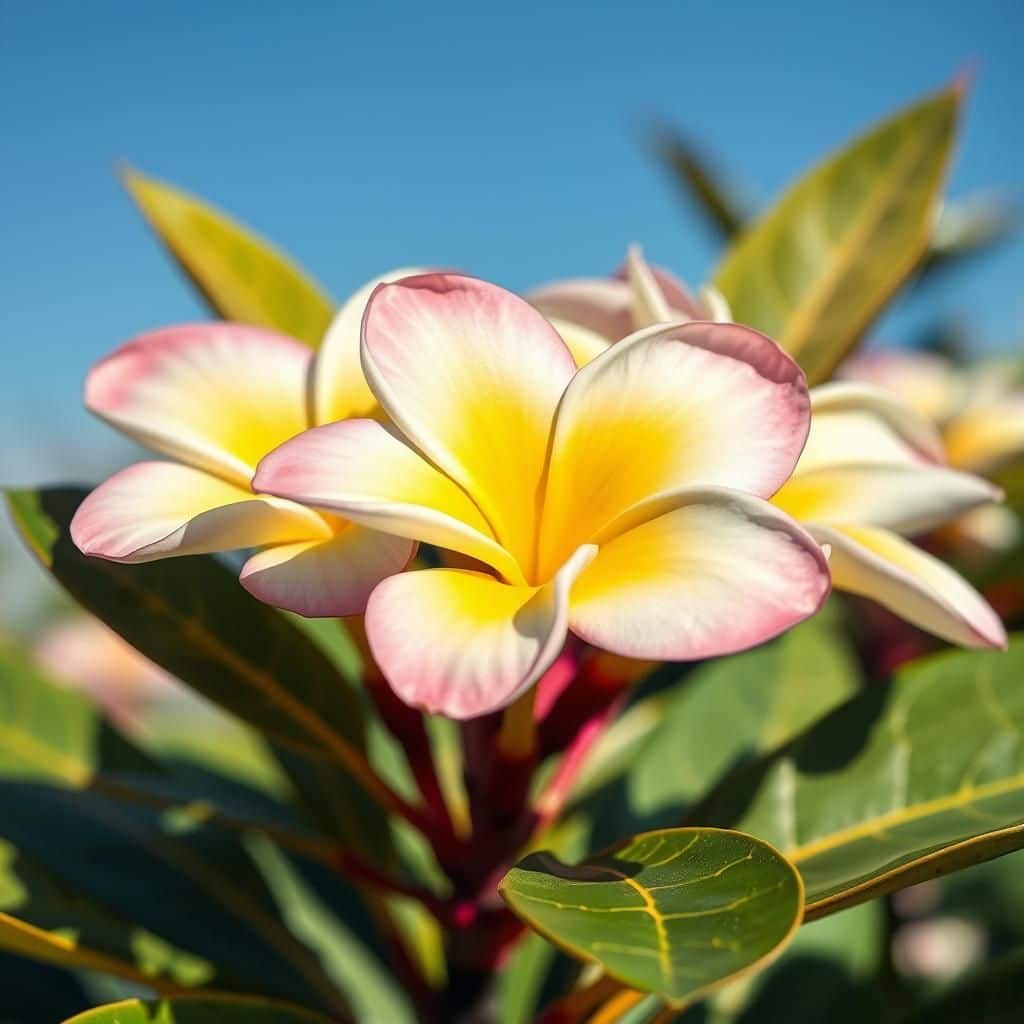
Transplanting frangipani is a crucial step in ensuring these stunning tropical plants thrive in the diverse climate of Perth. With their vibrant flowers and distinctive fragrance, frangipanis are a favorite among gardeners. However, timing is everything when it comes to transplanting these delicate trees. In this ultimate guide, we will explore the optimal conditions, seasonal insights, and expert tips necessary for successful transplantation. By understanding the best time to move frangipani, you can enhance their growth and health, allowing you to enjoy their beauty for years to come. Get ready to cultivate your perfect frangipani garden in Perth!
Best Time to Transplant Frangipani in Perth
Transplanting frangipani in Perth is best done during the late spring to early summer months, specifically from October to December. This period coincides with the plant's natural growing season, allowing the root system to establish itself more effectively in the new location. During these months, temperatures are warm and consistent, providing optimal conditions for the frangipani to recover from the stress of transplantation. Moreover, planting during this period ensures that the plant can take advantage of the forthcoming summer rains, which are crucial for its establishment and growth.
Understanding Frangipani Growth Patterns
Frangipani plants exhibit a distinct growth pattern, often becoming dormant during the cooler months of winter. This dormancy is characterized by a reduction in leaf production and slower growth rates. By transiting the plant during late spring, gardeners allow the frangipani to awaken from dormancy when the weather becomes warm, promoting a vigorous growth phase right after transplantation. This is crucial for the establishment of the plant, ensuring that it has the energy and resources it needs to adapt to its new environment.
Soil Requirements for Transplantation
The soil chosen for transplanting frangipani should be well-draining and rich in organic matter. A sandy loam or even a potting mix designed for tropical plants can provide the ideal environment. The roots of frangipani are susceptible to root rot, especially in poorly drained soils, so ensuring that the new planting site has good drainage is critical. This helps maintain moisture without suffocating the roots, allowing for optimal growth.
Watering Needs After Transplanting
After transplanting, the frangipani requires careful monitoring of its watering needs. It is essential to keep the soil slightly moist but not waterlogged for the first few weeks as the plant adjusts to its new location. Over-watering can lead to root rot, while under-watering can stress the plant. A systematic approach to watering is advisable, gradually increasing the interval between watering sessions as the frangipani establishes itself.
See also:
Sunlight Requirements for Healthy Growth
Frangipani thrives in full sunlight, needing at least 6 to 8 hours of direct sunlight each day for healthy growth. When transplanting, it is important to choose a location that does not have dense shade, as this can impede the plant's ability to flower and grow vigorously. Ensuring that the frangipani receives adequate sunlight can promote flowering and enhance its overall health.
Fertilization Strategies Post-Transplant
After transplanting, it is beneficial to start a fertilization routine to promote robust growth. Using a balanced, slow-release fertilizer can provide the necessary nutrients for the frangipani to recover and thrive in its new location. It is advisable to apply fertilizer about a month after transplantation, as this allows the plant an initial adjustment period without the added stress of nutrient uptake.
| Time of Year | Ideal Conditions | Notes |
|---|---|---|
| October - December | Warm temperatures, low chance of frost | Best for transplanting frangipani |
| January - March | Growing season | Monitor water and sunlight |
| April - September | Cooler temperatures, dormancy | Not ideal for transplanting |
Factors to Consider for Successful Frangipani Transplantation in Perth
Transplanting Frangipani in Perth requires careful consideration of several environmental and seasonal factors to ensure its successful growth. The best time to transplant this tropical beauty is during the late spring or early summer, as this allows the plant to establish its roots during warmer weather. The temperature should ideally be above 20°C, and the soil must be well-draining to prevent root rot. Additionally, it's crucial to assess local weather patterns and the overall health of the plant before proceeding with the transplant, as stress from environmental changes can hinder its growth.
Identifying the Right Season for Transplanting
The timing of the transplant plays a critical role in the success of the Frangipani. Ideally, the best season for transplantation is during the warmer months, specifically late spring to early summer, when the plant is actively growing. During these months, the soil temperature is favorable, and the risk of frost is minimal, allowing the Frangipani to recover more quickly from the shock of being moved. By transplanting during this time, gardeners can benefit from longer days and increased sunlight, promoting healthy leaf and flower development.
Soil Preparation for Healthy Growth
Proper soil preparation is essential for the successful transplantation of Frangipani. They thrive in well-draining, sandy soils enriched with organic matter. Prior to transplanting, it's recommended to amend the soil with compost or well-rotted manure to enhance its nutrient content and improve drainage capabilities. This preparation helps stimulate root growth and aids in moisture retention without causing waterlogging, which can be detrimental to the plant. Ensuring the right soil composition will set a strong foundation for the Frangipani’s future growth.
See also:
Watering Practices After Transplantation
Watering is a fundamental aspect of caring for transplanted Frangipani. Following the transplant, it is essential to provide consistent moisture without overwatering, as this can lead to root rot. A good practice is to thoroughly water the plant immediately after transplanting and then allowing the top layer of soil to dry out before the next watering. This helps establish deep root systems while avoiding excess moisture around the roots. Additionally, during particularly warm spells, a light misting can help the plant acclimate to its new environment.
Post-Transplant Care and Maintenance
After transplanting, providing the right care and maintenance is key to ensuring the Frangipani thrives in its new location. This includes regular mulching to help retain soil moisture and regulate temperature, promoting a stable environment for root development. Additionally, it is vital to monitor for pests and diseases, as newly transplanted plants can be more susceptible to stress-related issues. Fertilizing with a balanced, slow-release fertilizer in the following growing season can further support growth and enhance blooming.
Signs of Stress After Transplanting
Observing the Frangipani for signs of stress post-transplantation can help in taking timely action. Leaf dropping, wilting, or unusual discoloration can indicate that the plant is struggling to adapt to its new environment. These symptoms may arise due to insufficient watering, poor soil conditions, or temperature fluctuations. Monitoring these signs closely allows gardeners to make necessary adjustments in care practices, such as improving soil conditions or modifying watering schedules to help the plant recover and flourish in its new home.
Questions from Our Readers
What is the best time to transplant frangipani in Perth?
The best time to transplant frangipani in Perth is during the spring months, particularly from September to November. During this period, the climate is milder, and the plants are waking from dormancy, which encourages strong root development and reduces transplant shock.
How should I prepare frangipani for transplanting?
To prepare frangipani for transplanting, it is important to prune any excess growth and remove any dead or woody branches. Additionally, ensure the roots are healthy and provide enough soil to minimize the shock during the transition, making it easier for the plant to establish itself in its new location.
See also:
What conditions should I provide after transplanting frangipani?
After transplanting frangipani, it's crucial to provide adequate sunlight, as they thrive in warm, sunny conditions. Additionally, keep the soil moist but not waterlogged, and consider applying a balanced fertilizer to help the plant recover and encourage new growth.
Is there any risk of transplanting frangipani too late?
Yes, transplanting frangipani too late in the season, particularly after late spring, can expose the plant to stress from heat and dryness. This can lead to poor establishment and increased risk of disease, so it's essential to follow the recommended timing to ensure the health and success of the plant.

If you want to read more articles like The Ultimate Guide to the Best Time to Transplant Frangipani in Perth for Thriving Growth, we recommend you check out our Landscaping category.
Leave a Reply
Related Articles