The Ultimate Guide: Best Time to Plant Citrus Trees in Adelaide for Optimal Growth
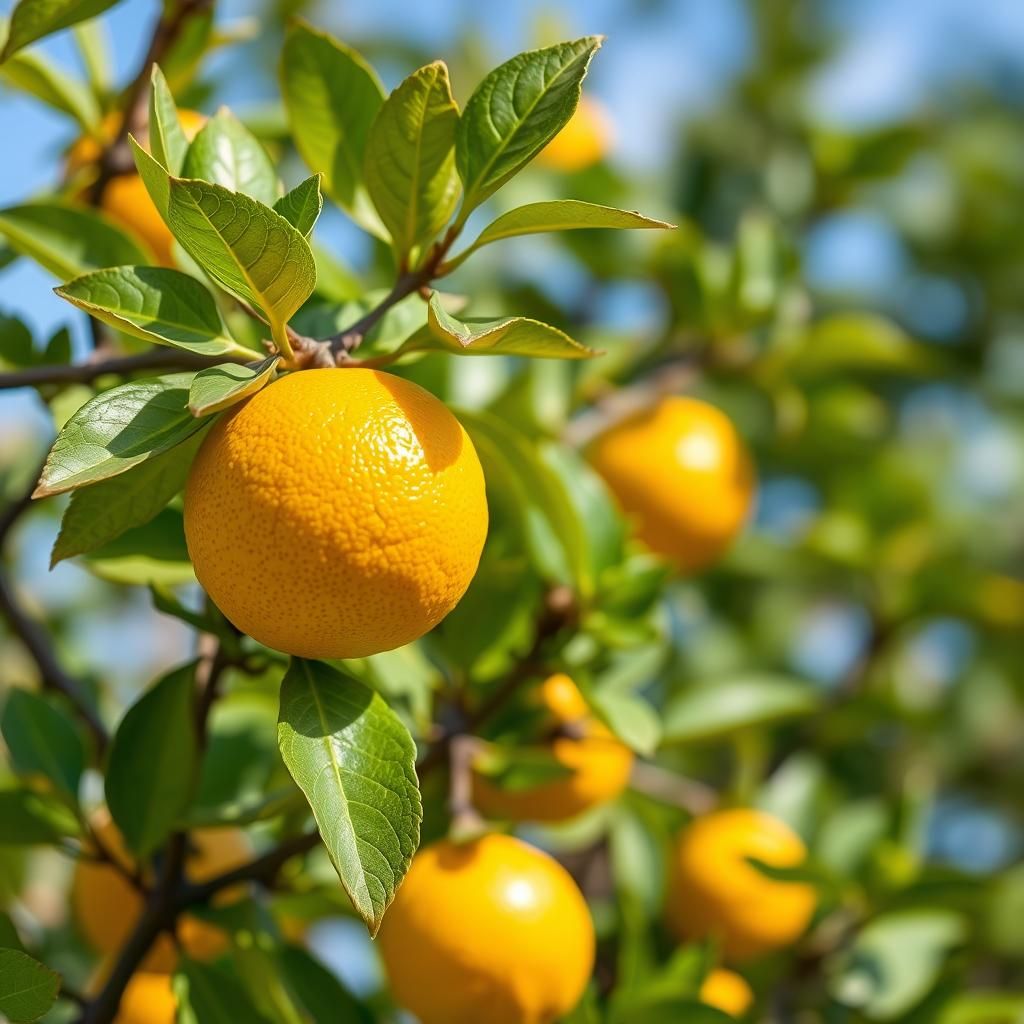
Growing citrus trees can be a rewarding endeavor, particularly in a climate like Adelaide's, which offers unique conditions for optimal growth. Knowing the best time to plant these vibrant trees is crucial for ensuring a fruitful harvest. In this ultimate guide, we will explore the ideal planting times for various citrus species, taking into account local climate patterns, soil conditions, and seasonal variations. Whether you're a seasoned gardener or a beginner looking to enhance your garden, this comprehensive resource will equip you with the knowledge needed to successfully cultivate your own citrus trees in Adelaide.
Best Time to Plant Citrus Trees in Adelaide
The best time to plant citrus trees in Adelaide is during the late winter to early spring, specifically from August to October. This period aligns with the end of the cold season, allowing young trees to establish their roots before the warmer months arrive. Planting during this time ensures that citrus trees receive adequate water and nutrients as the temperature begins to rise, promoting healthy growth and fruit production later in the year. It is also essential to consider the type of citrus tree being planted, as some varieties may have specific planting requirements that can affect their overall success in Adelaide’s climate.
Understanding Adelaide's Climate
Adelaide has a Mediterranean climate, characterized by hot, dry summers and mild, wet winters, which significantly influences the best planting time for citrus trees. Ideal conditions for planting citrus occur when the threat of frost has passed, allowing the trees to adapt gradually to the warmer temperatures. Given that citrus trees prefer full sun and well-drained soil, understanding local climate patterns plays a crucial role in ensuring successful growth.
Soil Preparation for Citrus Trees
Before planting citrus trees, proper soil preparation is essential. The soil should be rich in organic matter and well-drained to prevent root rot. It's advisable to test the pH level, aiming for a range between 6 and 7, as this promotes optimal nutrient uptake. Adding compost or well-rotted manure before planting can significantly enhance soil structure and fertility, providing a strong foundation for the young trees.
Watering and Maintenance After Planting
After planting, establishing a consistent watering regimen is crucial for the young citrus trees. They need regular watering, especially in the first few months as their roots take hold. However, it is important to avoid overwatering, as citrus trees are susceptible to root rot. A good rule of thumb is to water deeply once a week, reducing this frequency as the trees mature. Additionally, mulching around the base of the tree can help retain moisture and suppress weeds.
Choosing the Right Varieties
Selecting the right varieties of citrus trees is vital for success in Adelaide. Popular choices include lemon, orange, and mandarin trees, as they thrive well in the local climate. Each variety has its own growth habits and fruiting schedules, so it’s beneficial to choose those that suit your preferences and garden space. Consulting local nurseries can provide insights into which citrus varieties are most suited to Adelaide's conditions.
Signs of Successful Citrus Growth
After planting, monitoring the growth of citrus trees is essential to ensure their health and productivity. Signs of successful growth include new leaf development, healthy green foliage, and robust growth in height and width. Flowering typically occurs in early spring, followed by fruit development. It is crucial to keep an eye on the trees for signs of pests or diseases, as early intervention can prevent significant damage.
| Stage | Time Frame | Key Actions |
|---|---|---|
| Planting | August - October | Prepare soil, select varieties, plant |
| Initial Establishment | 0 - 3 months | Water regularly, monitor temperature |
| Growth Phase | 4 - 12 months | Prune if necessary, fertilize |
| Fruit Development | Spring | Ensure consistent care, watch for pests |
What month do you plant citrus trees?

Citrus trees are typically planted in the spring months, which can vary depending on the climate and region. The general recommendation is to plant in March or April, as these months provide ideal conditions for root establishment before the heat of summer. However, in warmer climates, fall planting (around October) can also be beneficial, allowing trees to establish roots before the growing season.
Factors Affecting Planting Time
Planting time for citrus trees can depend on several factors:
- Climate: Warmer climates may allow for earlier planting, whereas cooler climates may necessitate a later schedule.
- Soil Temperature: Soil should be warm enough (ideally 65°F or above) to promote root growth.
- Frost Risks: Avoid planting before the last frost date to prevent damage to young plants.
Soil Preparation Before Planting
Proper soil preparation is essential for successful citrus tree planting:
- Soil Testing: Test for pH levels and nutrient content to ensure optimal growing conditions.
- Soil Amendments: Use organic matter and nutrients to enhance soil quality.
- Drainage: Ensure proper drainage, as citrus trees do not thrive in waterlogged conditions.
Choosing the Right Citrus Variety
Selecting the right variety of citrus is crucial for successful growth:
- Local Adaptation: Choose varieties that are well-suited to your local climate.
- Pest Resistance: Some varieties may be more resistant to local pests and diseases.
- Fruit Preferences: Consider the type of citrus you enjoy, such as oranges, lemons, or limes.
Planting Techniques for Citrus Trees
Using proper planting techniques can aid in the successful growth of citrus trees:
- Digging the Hole: Make the hole twice as wide as the root ball and about the same depth.
- Positioning: Place the tree in the hole so that the root flare is level with the soil surface.
- Watering: Water thoroughly after planting to settle the soil around the roots.
Post-Planting Care
Care after planting is vital for tree establishment:
- Irrigation: Keep the soil consistently moist but not soggy during the first few years.
- Fertilization: Apply a balanced fertilizer to support healthy growth.
- Mulching: Use mulch to conserve moisture and suppress weeds around the base of the tree.
What do Epsom salts do for citrus trees?


Epsom salts, chemically known as magnesium sulfate, serve several beneficial purposes for citrus trees, which are essential for healthy growth and fruit production. Here are some significant roles that Epsom salts play:
1. Magnesium Source: Citrus trees require magnesium for chlorophyll production, which is vital for photosynthesis. Magnesium deficiency can lead to yellowing of leaves and poor tree health.
2. Improved Nutrient Absorption: Epsom salts enhance the uptake of other essential nutrients, such as nitrogen and phosphorus. This improved nutrient absorption results in a more vigorous tree and better fruit yield.
3. Increased Fruit Production: Adequate magnesium levels help increase the quantity and quality of fruit produced by citrus trees. Magnesium contributes to flower formation, which directly impacts fruit development.
4. Soil pH Management: Epsom salts can help maintain appropriate soil pH levels, making it easier for trees to access other essential nutrients. Balanced soil pH is crucial for the overall health of citrus trees.
5. Pest and Disease Resistance: A healthy citrus tree fortified with Epsom salts may exhibit greater resistance to pests and diseases. This resilience can lead to a reduction in the need for chemical treatments.
Benefits of Magnesium for Citrus Trees
Magnesium is an essential element for the growth of citrus trees. Here are some advantages it brings:
- Chlorophyll Production: Magnesium is a core component of chlorophyll, helping in the conversion of sunlight into energy.
- Photosynthesis Efficiency: Adequate magnesium levels enhance the efficiency of photosynthesis, leading to improved growth rates.
- Leaf Health: Magnesium supports overall leaf health, preventing common ailments like leaf curl and drop.
Application Techniques for Epsom Salts
Proper application of Epsom salts is crucial for maximizing their benefits. Consider the following methods:
- Soil Application: Sprinkle Epsom salts in the soil around the base of the tree for root absorption.
- Dissolving in Water: Mix Epsom salts in water and apply as a foliar spray for immediate uptake.
- Timing: Apply during the growing season, particularly before flowering and fruiting periods for optimal results.
Signs of Magnesium Deficiency in Citrus Trees
Identifying magnesium deficiency is key to maintaining tree health. Look for:
- Yellowing Leaves: Leaves may turn yellow between the veins, indicating a lack of magnesium.
- Leaf Curling: Deficient trees may exhibit curling or distortion in the new growth.
- Poor Fruit Development: Stunted or misshapen fruits can also be a sign of magnesium deficiency.
Impact on Fruit Quality
Epsom salts significantly influence the quality of fruit produced by citrus trees. The effects include:
- Flavor Enhancement: Proper magnesium levels can improve the sugar content and overall flavor profile of citrus fruits.
- Texture Improvement: Well-nourished trees often yield fruits with better texture and firmness.
- Nutritional Value: Increased magnesium levels contribute to higher nutritional content in fruits, making them healthier for consumption.
Environmental Considerations
Using Epsom salts should be done with environmental health in mind. Important points include:
- Soil Health: Regular application can improve soil structure and enhance microbial activity.
- Water Conservation: Healthier trees require less water, thus promoting better water conservation practices.
- Minimized Chemical Use: Utilizing Epsom salts can reduce dependency on synthetic fertilizers, promoting more sustainable gardening.
When to plant fruit trees in Adelaide?

In Adelaide, the best time to plant fruit trees generally coincides with the winter months, specifically from June to August. This period allows trees to establish their roots before the arrival of spring when they begin to leaf out and produce fruit. Planting during these colder months can lead to better growth and fewer stresses for the tree as it acclimatizes to its new environment.
Understanding the Climate of Adelaide
Adelaide is characterized by a Mediterranean climate, with hot, dry summers and mild, wetter winters. This climate can significantly affect the timing of planting fruit trees. When selecting the right time to plant, consider the following factors:
- Temperature Variability: Night temperatures in winter can drop, aiding dormancy for fruit trees.
- Rainfall Patterns: Winter rains can help with initial root establishment.
- Heat Tolerance: Trees that have been planted in winter are generally better prepared for hot summers.
Choosing the Right Varieties for Adelaide
Different fruit trees have specific needs and growth patterns. When selecting varieties to plant, it's essential to consider those that thrive in Adelaide's conditions:
See also:
- Citrus Trees: Varieties like lemons and oranges prefer temperate climates and can be planted in mid-winter.
- Stone Fruits: Cherries, peaches, and apricots are best planted in winter for optimal fruiting.
- Pome Fruits: Apples and pears also fare well when planted during this season.
Site Preparation Before Planting
Prior to planting fruit trees, proper site preparation is crucial. This arduous task ensures that trees have the best chance for a successful start:
- Soil Testing: Conducting a soil test will help determine pH and nutrient levels.
- Site Location: Select a site with full sun exposure and good drainage to prevent root rot.
- Soil Amendment: Adding compost or fertilizers may be necessary based on the soil test results.
Planting Techniques for Success
Once you've chosen the right time and location, employing effective planting techniques is critical. Proper planting ensures that the trees establish strongly:
- Digging the Hole: Holes should be at least twice the diameter of the root ball.
- Positioning the Tree: Ensure the graft union is above soil level to avoid rot.
- Watering: Post-planting, trees should be well watered to eliminate air pockets and promote root growth.
Maintenance After Planting
Following the initial planting, ongoing maintenance is necessary for the health and productivity of fruit trees:
- Mulching: Apply mulch to retain moisture and suppress weeds.
- Pruning: Regularly prune trees to enhance air circulation and promote healthy growth.
- Fertilization: Use appropriate fertilizers during spring to boost growth as trees come out of dormancy.
How far apart should I plant citrus trees in Australia?
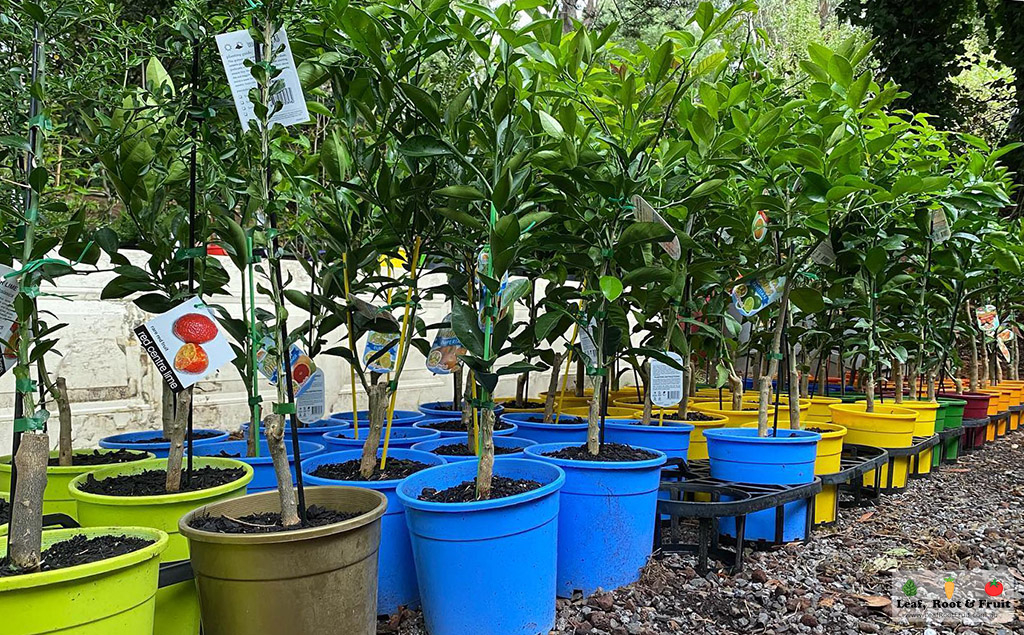
To ensure the best growth and health of citrus trees in Australia, it's crucial to know the appropriate distance for planting. Generally, citrus trees should be planted about 4 to 6 meters (13 to 20 feet) apart. This distance allows for adequate sunlight penetration, airflow, and nutrient access, which are essential for the trees' optimal growth.
Planting too close together can lead to competition for resources, which may stunt growth or result in disease spread among the trees. Each species of citrus may have slightly different requirements, but the recommended spacing typically suffices for most types found in Australia.
Factors Influencing Planting Distance
The spacing of citrus trees is influenced by various factors, such as tree variety, growth habits, and environmental conditions. Here are some key points to consider:
- Tree Variety: Different species have varying growth rates and canopy sizes.
- Growth Habit: Determinate versus indeterminate growth can affect how wide trees spread.
- Soil Quality: Nutrient-rich soils may allow for closer spacing, while poor soils require more space.
Benefits of Proper Spacing
Proper spacing not only promotes healthy growth but also reduces the risk of pests and diseases. Consider these benefits:
- Improved Air Circulation: Allows better airflow, helping to reduce fungal infections.
- Enhanced Sunlight Access: Each tree receives sufficient sunlight necessary for photosynthesis.
- Ease of Maintenance: Facilitates easier access for pruning, harvesting, and pest management.
Soil and Climate Considerations
The characteristics of the soil and the climate can also influence how far apart to plant citrus trees. Be mindful of:
- Soil Drainage: Well-drained soils may support closer planting while retaining moisture necessitates more space.
- Temperature Extremes: Areas with high heat may require greater distances for shade and cooling.
- Precipitation Levels: Drier climates might demand more space for root expansion.
Spacing for Different Citrus Varieties
Different varieties of citrus trees might require unique spacing considerations. Here are some typical recommendations:
- Orange Trees: Typically spaced 5 to 7 meters (16 to 23 feet) apart.
- Lemon Trees: Usually require about 4 to 6 meters (13 to 20 feet) of spacing.
- Lime Trees: Can be planted as close as 3 to 5 meters (10 to 16 feet) apart.
Long-term Planning for Citrus Orchards
When establishing a citrus orchard, long-term considerations are essential. A few aspects to keep in mind:
- Future Growth: Consider how large the trees will become at maturity.
- Orchard Management: Plan for equipment access and efficient harvest paths.
- Intercropping Opportunities: Assess whether other crops can be grown between the trees.
Questions from Our Readers
When is the best time to plant citrus trees in Adelaide?
The best time to plant citrus trees in Adelaide is during the spring months, specifically between September and November. This timing allows the trees to establish their root systems before the warmer summer months, promoting healthy growth and fruit production.
What climate conditions are ideal for citrus trees in Adelaide?
Citrus trees thrive in warm, sunny conditions, making the climate in Adelaide quite suitable. They require full sun for at least 6-8 hours a day and prefer well-draining soil with a slightly acidic pH for optimal growth and fruiting.
Do I need to provide any special care when planting citrus trees?
Yes, when planting citrus trees, it is essential to provide adequate water while ensuring the soil is well-drained. Additionally, applying a layer of mulch can help retain moisture and regulate soil temperature, making it easier for the trees to adapt to their new environment.
How long does it take for citrus trees to bear fruit in Adelaide?
Typically, citrus trees will start to bear fruit within 2 to 5 years after planting, depending on the variety and the care provided. Proper maintenance, including regular watering and fertilization, can significantly affect the fruiting timeline and overall health of the tree.
See also:

If you want to read more articles like The Ultimate Guide: Best Time to Plant Citrus Trees in Adelaide for Optimal Growth, we recommend you check out our Gardeners category.
Leave a Reply
Related Articles