Discover the Best Plants for Fence Line Australia Low Maintenance: Top Choices for Effortless Landscaping
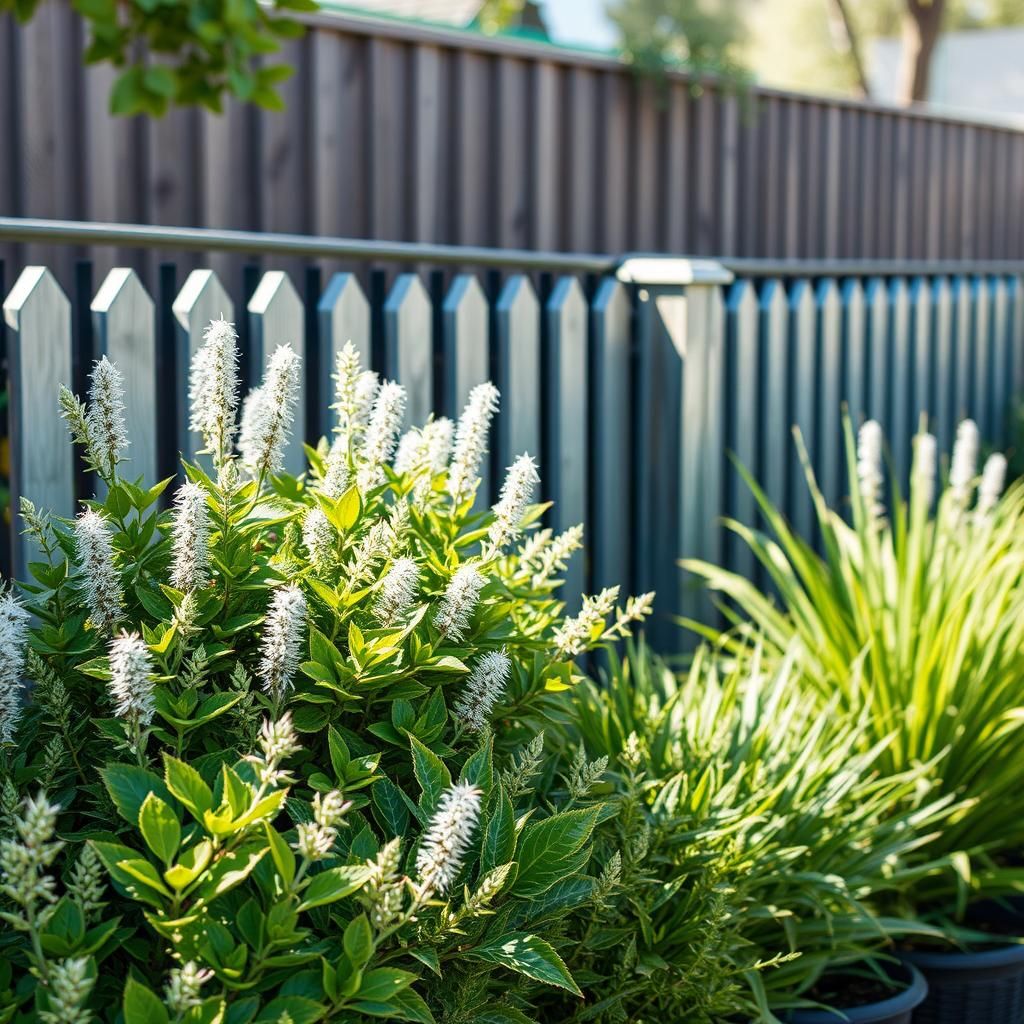
A beautifully designed fence line can enhance the overall appeal of your garden while providing privacy and security. However, maintaining lush greenery can often prove challenging, especially in Australia's diverse climate. In this article, we will explore the best low-maintenance plants tailored for fence lines in Australia, ensuring you achieve a stunning landscape without the hassle. From hardy natives to resilient ornamentals, our top choices offer both aesthetic charm and practicality, allowing you to enjoy the beauty of your outdoor space with minimal effort. Discover how to transform your fence line into a thriving, low-maintenance haven.
Best Low Maintenance Plants for Fence Lines in Australia
When selecting the best plants for fence lines in Australia that require low maintenance, it's essential to consider native species that thrive in local conditions. Native plants not only adapt well to the Australian climate but also support local wildlife and reduce the need for extensive watering and fertilization. Some excellent options include the Westringia (Coastal Rosemary), which offers dense foliage and small white flowers, while the Lomandra species are great for tough, drought-prone areas. Callistemon (Bottlebrush) adds a splash of color with its vibrant blooms and is resilient to various soil types. These plants collectively create a beautiful, sustainable barrier that enhances the landscape while minimizing upkeep.
Westringia (Coastal Rosemary)
Westringia is an exceptional choice for fence lines, known for its hardiness and adaptability. This plant flourishes in a range of soil types and can withstand periods of drought, making it ideal for various Australian climates. Additionally, Westringia requires minimal pruning and maintenance, producing delicate white flowers that attract bees and other pollinators, thus enhancing the biodiversity of your garden.
Lomandra
Lomandra is a highly durable grass-like plant that thrives in dry conditions, making it perfect for low-maintenance fence lines. Its clumping habit not only serves as an effective barrier but also offers excellent erosion control. With a variety of species available, Lomandra plants are versatile in height and appearance, providing different aesthetics while requiring very little water beyond what nature provides.
Callistemon (Bottlebrush)
Callistemon, commonly known as Bottlebrush, is recognized for its striking, bright red flowers that bloom in spring and summer. This evergreen shrub is particularly low maintenance, needing only occasional pruning to maintain its shape. It thrives in a variety of soils and tolerates drought conditions well, making it a favored choice for vibrant fence line plantings that require little care.
Grevillea
Grevillea is another outstanding option for Australian fence lines, known for its stunning foliage and an abundance of flowers that come in various colors. It attracts birds and beneficial insects, adding life and movement to your garden. Grevillea plants are drought-tolerant and flourish in sunny positions, requiring minimal maintenance once established, making them ideal for those looking for a beautiful yet effortless landscape.
Native Muehlenbeckia (Wire Vine)
Muehlenbeckia, or Wire Vine, is an excellent low-maintenance choice for creating a natural fence line. This hardy perennial can grow in diverse environments and is known for its dense foliage that provides great coverage. It can be easily trained on fences or trellises, and once established, it requires little care, thriving on its own in typical Australian conditions.
| Plant Name | Main Benefits | Maintenance Level |
|---|---|---|
| Westringia | Drought-tolerant, attracts pollinators | Low |
| Lomandra | Erosion control, tough plant | Very Low |
| Callistemon | Vibrant flowers, attracts wildlife | Low |
| Grevillea | Stunning colors, low water needs | Low |
| Muehlenbeckia | Dense coverage, easy to train | Very Low |
What is the best low-maintenance plant for a fence line?

The best low-maintenance plant for a fence line is the arboretum variety of evergreen shrubs, such as boxwood (Buxus), holly (Ilex), or privet (Ligustrum). These plants are ideal due to their ability to thrive with minimal care, their dense foliage providing privacy, and their resistance to pests and diseases. Additionally, they can be pruned to maintain desired shapes and sizes, making them versatile options for any garden style.
Benefits of Evergreen Shrubs
Evergreen shrubs offer numerous advantages for fence lines. They provide year-round interest and privacy, which is essential for creating secluded outdoor spaces. Their ability to withstand various weather conditions makes them a reliable choice.
- Continuous foliage: Unlike deciduous plants, evergreens retain their leaves, ensuring that your fence line remains green throughout the year.
- Privacy enhancement: Dense foliage can block views and create a private atmosphere in your yard.
- Minimal upkeep: These plants generally require less watering, fertilizing, and pruning than other types of plants.
Considerations for Planting
When selecting low-maintenance plants for your fence line, various factors should be considered to ensure compatibility with your local environment. Understanding the specific needs of each plant will help optimize their growth and longevity.
- Sunlight: Ensure the selected plants are suitable for the sunlight conditions of your fence line, whether it's full sun, partial shade, or full shade.
- Soil quality: Choose plants that can thrive in your soil type. Amendments may be necessary for success.
- Space requirements: Consider how large the shrubs will grow and ensure adequate spacing to avoid overcrowding.
Alternative Low-Maintenance Plants
In addition to evergreen shrubs, several other low-maintenance plants can enhance your fence line. These alternatives still offer beauty and functionality with little effort required.
- Grasses: Ornamental grasses, such as miscanthus and fountain grass, provide a soft texture and movement along your fence line.
- Perennials: Plants like daylilies and sedum like a warm climate and are drought tolerant, requiring minimal care.
- Shrubs: Other easy-care options include spirea and rabbiteye blueberry, which offer flowers and berries while needing little maintenance.
Maintenance Tips for Low-Maintenance Plants
Even low-maintenance plants require some level of care to ensure their health and longevity. Following simple maintenance tips can keep your fence line looking its best.
See also:
- Regular watering: During dry spells, ensure plants receive adequate moisture without overwatering.
- Mulching: Applying mulch around the base of plants helps retain moisture and suppress weeds.
- Pruning: Light pruning once or twice a year can maintain shape and promote healthy growth.
Using Plants for Privacy and Aesthetics
Utilizing plants along a fence line not only enhances aesthetics but also creates a natural barrier for privacy. Designing an appealing landscape can significantly elevate outdoor spaces.
- Layering: Combine different heights and textures to create visual interest along the fence line.
- Seasonal variations: Incorporate plants that bloom at different times for constant color.
- Structural elements: Integrate other landscape features, like rocks or pathways, to enhance the visual appeal further.
What is a fast growing plant for fence lines?
:max_bytes(150000):strip_icc()/GettyImages-1331229259-4f6b25dc7cd344f38dde59ab1c7aea55.jpg)
A fast-growing plant for fence lines is an excellent choice for homeowners looking to establish privacy quickly, enhance the aesthetic appeal of their property, or provide a living barrier against noise and wind. A popular option is bamboo, particularly species like Phyllostachys aurea (Golden Bamboo) and Pseudosasa japonica (Japanese Timber Bamboo). They can grow several feet in a single season, making them ideal for quick coverage along fences.
Choosing the Right Bamboo Species
When selecting bamboo for fence lines, it’s essential to consider the growth behavior and environmental tolerance of different species. Some can become invasive if not managed properly, while others are more contained.
- Clumping Bamboos: These species maintain a compact growth habit, spreading slowly and preventing invasive tendencies.
- Running Bamboos: While they grow quickly and can provide immediate coverage, they need to be monitored closely to control their spread.
- Cold Hardiness: Choose species appropriate for your climate zone to ensure they thrive.
Maintenance Requirements
Bamboo generally requires specific maintenance practices to thrive and stay healthy. Proper care can enhance growth rates and the overall appearance of the fence line.
- Watering: Regular watering is crucial, particularly in the first few growing seasons.
- Fertilization: Use a balanced fertilizer to promote lush growth, particularly during the early spring.
- Pruning: Periodic pruning helps maintain the desired height and density while removing dead or weak canes.
Benefits of Using Fast-Growing Plants
Fast-growing plants like bamboo have several advantages when used along fence lines. They offer not just aesthetic benefits but also functional ones.
- Privacy: They can create an effective barrier against view and noise, enhancing your outdoor space.
- Windbreak: Dense growth reduces wind speed, protecting outdoor areas.
- Wildlife Habitat: Fast-growing plants provide shelter and food for various bird and insect species.
Alternatives to Bamboo
While bamboo is a top choice, there are several other fast-growing plants suitable for fence lines. Considering alternatives can provide varied aesthetics and functionality.
- Climbing Vines: Plants like Honeysuckle or Wisteria can quickly cover fence lines and provide beautiful flowers.
- Flowering Shrubs: Shrubs such as Forsythia or Lilac grow rapidly and offer seasonal blooms, enhancing beauty.
- Fast-Growing Trees: Trees like Leyland Cypress or Poplar can establish height quickly and serve as privacy screens.
Invasive Considerations
When choosing fast-growing plants, consider the potential invasiveness of certain species. Some may spread beyond your controlled area, leading to challenges in property maintenance.
- Containment Strategies: Use rhizome barriers to prevent running species from spreading unwanted.
- Local Regulations: Check local guidelines regarding planting invasive species and possible restrictions.
- Regular Monitoring: Keep an eye on growth patterns to manage spread effectively.
What is the best plant to grow on a fence?
The best plant to grow on a fence often depends on factors such as climate, the purpose of the planting, and personal preferences. However, some top contenders are climbing plants that offer aesthetic appeal, privacy, and ease of maintenance. Here, we will explore some of the best options and their unique benefits.
1. Climbing Roses
Climbing roses are a popular choice for beautifying fences with their stunning, fragrant blooms. They can provide a romantic and classic look, bringing color and charm to any outdoor space. Their vigorous growth makes them ideal for covering fences, creating a lush backdrop.
- Variety: There are numerous varieties of climbing roses, offering a range of colors and fragrances.
- Seasonal Interest: These plants bloom multiple times throughout the growing season, providing continuous beauty.
- Support Needs: Ensure adequate support in the form of trellises or wires to help them climb effectively.
2. Jasmine
Jasmine is cherished for its delightful fragrance and attractive foliage. This evergreen plant can create a fragrant screen on your fence and is suitable for warmer climates. Jasmine requires some support as it climbs, making it an excellent option for those looking to add scent and beauty simultaneously.
- Fragrance: The sweet smell of jasmine flowers is a fantastic addition to any garden.
- Year-Round Foliage: As an evergreen, jasmine provides year-round greenery, even during winter.
- Growth Habit: It can grow quite vigorously, so regular pruning is recommended to maintain shape and prevent overgrowth.
3. Clematis
Clematis is a versatile and attractive climbing plant that comes in various colors and flowering times. This plant can be used to cover fences efficiently and adds significant visual interest with its diverse flower shapes and sizes.
See also:
- Variety of Species: There are over 300 species of clematis, providing options for different climates and aesthetics.
- Seasonal Blooms: With proper selection, gardeners can enjoy blooms from spring through fall.
- Space Requirements: Clematis requires a sunny location and well-drained soil to thrive optimally.
4. Honeysuckle
Honeysuckle is a vigorous climbing plant known for its sweet-scented flowers that attract hummingbirds and butterflies. It is an excellent choice for creating a natural privacy screen on a fence while also adding vibrant colors to the landscape.
- Wildlife Attraction: Honeysuckle is ideal for attracting pollinators, enhancing biodiversity in your garden.
- Rapid Growth: This plant can cover large areas quickly, making it perfect for fast privacy solutions.
- Varieties: There are both evergreen and deciduous varieties, offering flexibility depending on your climate.
5. Grape Vines
Growing grape vines on a fence not only provides a beautiful, lush look but also offers the bonus of producing edible fruits. Grape vines can be trained to grow along fences, creating a fruitful and green wall.
- Edibility: Homegrown grapes can be eaten fresh, used for wine-making, or turned into jellies.
- Shade: A thicker vine coverage can provide natural shade in outdoor spaces.
- Support Structure: Proper trellis or fencing is essential for supporting the weight of the vines and fruit.
What plant needs the least amount of care in Australia?
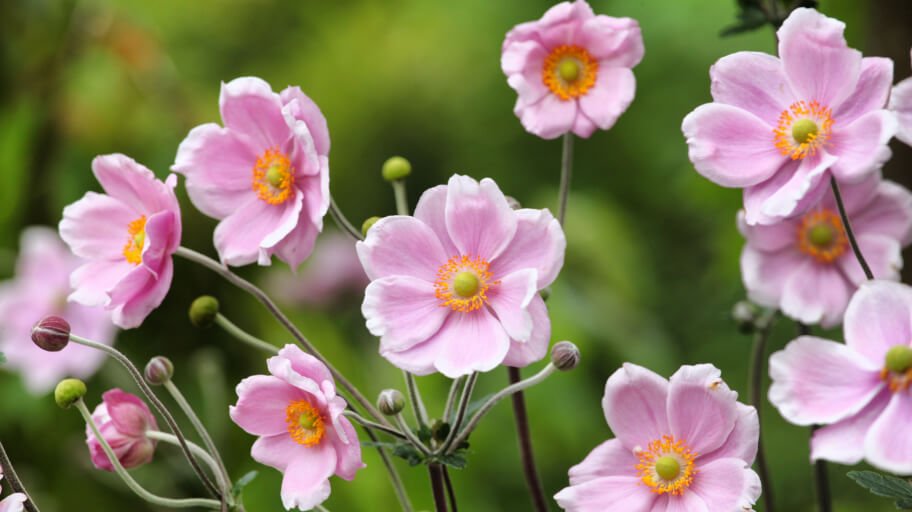
The plant that needs the least amount of care in Australia is the native Australian hardy succulents. These plants are known for their ability to thrive in harsh conditions, making them particularly suitable for the Australian climate. They require minimal maintenance and are drought-resistant, requiring very little watering. One popular example includes the Bush Tucker Plants, which are native to Australia and have adapted well to the local environment.
Characteristics of Hardy Succulents
Hardy succulents possess unique features that allow them to survive in Australia’s often arid landscape. Their thick, fleshy leaves store water, which is beneficial during prolonged dry spells. Additionally, many of these plants feature tough outer skins that resist extreme weather conditions.
- Water retention capabilities due to fat storage in leaves
- Resistance to pests and diseases
- Ability to thrive in poor soil conditions
Popular Hardy Succulent Species
There are several varieties of hardy succulents that are particularly well-suited to the Australian climate. These plants not only require minimal care but also offer unique aesthetic appeals throughout the year.
- Lampranthus - Known for their vibrant flowers.
- Portulacaria afra - Also known as jade plant, which can grow into a small tree.
- Crassula - Offers numerous varieties, some flowering with beautiful blooms.
Watering Needs of Low-Maintenance Plants
One of the advantages of hardy succulents is their watering requirements. These plants seldom need irrigation, making them perfect for homeowners looking to reduce water consumption while maintaining a vibrant garden.
- Only require watering once every few weeks.
- Adapt well to both drought conditions and occasional rainfall.
- Overwatering can lead to root rot, so minimal care is essential.
Soil Requirements for Easy Care
The soil conditions required for hardy succulents are quite flexible. These plants perform well in various substrates as long as there is good drainage.
- Well-draining soil is critical to prevent waterlogging.
- Some can thrive in rocky, sandy soils found in many Australian regions.
- Minimal fertilization is necessary, often not required at all.
Benefits of Growing Low-Care Plants
Growing hardy succulents provides multiple advantages beyond just low maintenance. They can enhance the beauty of your garden and contribute to a more sustainable landscape.
- Attracts local wildlife, pollinators, and beneficial insects.
- Contributes to water conservation efforts.
- Low pest issues due to natural resilience.
Questions from Our Readers
What are the best low-maintenance plants for a fence line in Australia?
The best low-maintenance plants for a fence line in Australia include varieties such as lilly pilly, photinia, and bamboo. These plants are not only hardy and drought-resistant but also require minimal pruning and care, making them ideal for those looking to create a beautiful fence line with little effort.
How often should I water low-maintenance plants along my fence line?
While low-maintenance plants are designed to thrive with less attention, it’s essential to establish a watering schedule especially during their initial growth period. Generally, watering once a week is sufficient, but you should adjust this based on factors like weather and soil type to ensure optimal health.
Can I use native Australian plants for my fence line?
Absolutely! Using native Australian plants is an excellent way to create a sustainable and low-maintenance fence line. Species such as grevilleas, callistemons, and kangaroo paws not only support local wildlife but also require less water and care due to their adaptation to the local climate.
What is the ideal spacing for low-maintenance plants along a fence line?
The ideal spacing for low-maintenance plants along a fence line typically ranges from 60 cm to 1 meter apart, depending on the mature size of the plant. Proper spacing allows for good airflow and growth, reducing competition for nutrients and ensuring that each plant has space to thrive.
See also:

If you want to read more articles like Discover the Best Plants for Fence Line Australia Low Maintenance: Top Choices for Effortless Landscaping, we recommend you check out our Landscaping category.
Leave a Reply
Related Articles