Discover the Best Plants for Erosion Control on Slopes Australia: Top Picks for Effective Slope Stabilization

Erosion control on slopes is a pressing concern in Australia, where diverse landscapes expose soil to the elements. Selecting the right plants for slope stabilization not only helps to prevent soil loss but also contributes to the overall health of the ecosystem. This article will explore the best plants suited for erosion control in Australian terrains, focusing on their effectiveness in anchoring soil, promoting biodiversity, and enhancing visual appeal. From native grasses to robust shrubs, these top picks provide practical solutions for homeowners, landscapers, and conservationists looking to protect vulnerable slopes while supporting local flora and fauna.
Best Plants for Erosion Control on Slopes in Australia
Australia's diverse landscapes present unique challenges for erosion control, particularly on slopes where soil stability is critical. Selecting the right plants is essential for reducing soil erosion and promoting healthy ecosystems. Native species are often preferred due to their adaptability to local conditions, resilience in dry climates, and ability to establish deep root systems that help anchor soil in place. Some of the best plants for this purpose include grasses like Kangaroo Grass and shrubs such as Saltbush, which not only stabilize the soil but also provide habitat for wildlife and contribute to biodiversity. Incorporating a mix of ground covers, shrubs, and small trees can create a robust barrier against erosion while enhancing the aesthetic value of the landscape.
Kangaroo Grass (Themeda triandra)
Kangaroo Grass is a native perennial grass renowned for its deep root system, which effectively stabilizes the soil on slopes. It thrives in a variety of soils and can withstand drought conditions, making it an ideal choice for Australian landscapes. This grass can grow up to 1 meter tall and produces attractive seed heads, contributing to the ecological health of the area by providing food sources for native fauna. Its ability to reseed itself means it can establish quickly, reducing the risk of erosion during heavy rains.
Saltbush (Atriplex spp.)
Saltbush is a group of shrubs that are well-adapted to arid environments and are highly effective in controlling soil erosion. They have thick, fleshy leaves that help retain moisture and can survive in poor soils, making them valuable for reclamation projects on degraded land. The extensive root systems of Saltbush plants also bind soil together, creating a natural barrier against wind and water erosion. In addition to their practical benefits, Saltbush serves as a habitat for various bird species, enhancing the local biodiversity.
Acacia (Wattle Trees)
Wattle trees, belonging to the genus Acacia, are excellent for slope stabilisation due to their bushy growth and strong root systems. They are fast-growing and provide quick cover, which is particularly beneficial in preventing erosion after disturbances such as fire or clearing. Wattle trees are also nitrogen-fixers, improving the soil quality in their vicinity, and their flowers attract a range of insects, making them important for ecological health. Their ability to thrive in poor soils makes them suitable for many Australian environments.
Lobelia (Lobelia spp.)
Lobelia species are hardy ground covers that can effectively stabilize soil on slopes. Their dense growth habit forms a mat that protects the soil surface while preventing runoff and erosion. Lobelias are tolerant of varying moisture levels and can adapt to different soil types. Additionally, they produce vibrant flowers that add visual interest to landscapes, making them not only functional but also aesthetically pleasing. Their rapid establishment enhances the resilience of the slope, creating a more sustainable environment.
Native Grasses (Various Species)
Planting a mix of native grasses is crucial for erosion control in Australia. Different species such as Wallaby Grass and Bluebunch Wheatgrass can provide a varied structure that is beneficial for soil retention. Native grasses are well suited to local conditions and often require less water than introduced species. Their fibrous root systems help bind the soil while promoting water infiltration and reducing surface runoff. By integrating a variety of native grasses, you can create a robust ecosystem that supports wildlife and prevents erosion effectively.
| Plant Species | Benefits | Adaptability |
|---|---|---|
| Kangaroo Grass | Deep roots for soil stabilization | Thrives in various soils and conditions |
| Saltbush | Moisture retention and habitat provision | Adapted to arid environments |
| Wattle Trees | Fast cover and soil improvement | Grows well in poor soils |
| Lobelia | Dense coverage to prevent erosion | Tolerant of varying moisture |
| Native Grasses | Fibrous roots for binding soil | Suited to local conditions |
What plants are good for hillside erosion?
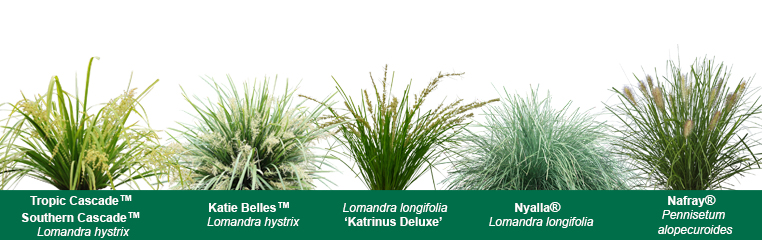
To combat hillside erosion, it's essential to choose plants that have deep root systems and are able to stabilize the soil effectively. Here are some plants that are particularly good for this purpose:
1. Grasses: Grasses have extensive, fibrous root systems that often extend deep into the ground, providing excellent soil hold. Some specific types include:
- Tall fescue: Known for its drought resistance and deep roots.
- Kentucky bluegrass: Forms a dense mat and is effective in preventing erosion on slopes.
- Creeping red fescue: Ideal for shady areas and can tolerate poor soil.
2. Native Shrubs: Native shrubs are adapted to local conditions and often require less maintenance. They can effectively stabilize slopes by trapping rainwater and reducing runoff. Some good options are:
- Mountain laurel: Has a fibrous root system that helps to bind the soil.
- Serviceberry: Offers deep roots and provides food for local wildlife.
- Winterberry: Known for its berry production and ability to thrive in wet conditions.
3. Cover Crops: Planting cover crops such as legumes can greatly enhance soil structure and fertility while preventing erosion. Notable examples include:
- Clover: Provides nitrogen to the soil and prevents surface erosion.
- Vetch: Deep-rooted and can tolerate poor soil conditions.
- Ryegrass: Helps to hold soil together with its dense root system.
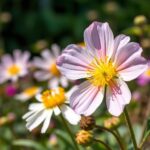
4. Perennials: Perennial plants have deep root systems that can hold soil in place over time and reduce erosion during heavy rains. Some beneficial perennials include:
- Echinacea (Coneflower): Attracts pollinators and has a robust root system.
- Black-eyed Susan: Tolerates a variety of soil types and provides bright color while preventing erosion.
- Sedum: Thrives in poor soil and requires minimal maintenance.
5. Trees: While trees may take longer to establish, they play a crucial role in stabilizing hillsides with their extensive root systems. Recommended trees include:
- Willow: Thrives near water and has a fast growth rate, stabilizing moist soil.
- Black locust: Provides deep roots and can improve soil health.
- Eastern red cedar: Known for its adaptability and ability to grip rocky soils.
Benefits of Using Grasses for Erosion Control
Using grasses for hillside erosion control can provide multiple advantages. Their fibrous root systems help bind the soil and absorb moisture, which reduces runoff and stabilizes the slope.
- Effective soil stabilization
- Improved water retention
- Low maintenance requirements
Importance of Native Shrubs
Native shrubs play a vital role in preventing hillside erosion due to their adaptability to local climates and soils. They provide habitat for wildlife and can thrive in poor soil conditions, making them ideal for erosion control.
- Enhances local biodiversity
- Requires less water and maintenance
- Stabilizes soil with deep root systems
Cover Crops and Soil Health
Cover crops are important for improving soil health and preventing erosion. They enhance the nutrient content of the soil and help maintain its structure, providing a protective layer against erosion.
- Adds organic matter to the soil
- Prevents weeds and surface erosion
- Improves soil fertility
Advantages of Perennials for Erosion Control
Perennials are beneficial for hillside erosion control because they have long-term root systems that stabilize the soil. Their ability to thrive year after year makes them a sustainable solution for erosion issues.
- Long-lasting soil stability
- Requires less frequent replanting
- Provides continuous cover throughout the year
Tree Planting for Long-Term Stability
Planting trees on hillsides can lead to long-term erosion control. Their extensive root systems can penetrate deep into the soil, holding it in place over many years and providing additional benefits such as shade and habitat.
- Offers shade and wildlife habitat
- Contributes to carbon sequestration
- Enhances aesthetic appeal of the landscape
What can I plant on a hillside so I don't have to mow?

To prevent the need for mowing on a hillside, you can plant various types of ground cover plants, shrubs, and perennials that thrive in sloped areas. These plants can help stabilize the soil and reduce erosion while providing a beautiful landscape. Here are some great options:
Ground Cover Plants
Ground covers are excellent for hillside planting since they spread quickly and create a dense mat that suppresses weeds and minimizes the need for mowing. Here are some popular options:
- Creeping Thyme - This fragrant herb is drought-tolerant and produces beautiful tiny flowers.
- Ajuga - Known for its attractive foliage and blue flower spikes, Ajuga is perfect for shaded areas.
- Ice Plant - A succulent option that thrives in dry conditions and displays vibrant flowers.
Native Grasses
Planting native grasses can help reduce maintenance while providing habitat for local wildlife. These grasses often require less water and are adapted to their environment:
- Blue Grama Grass - A resilient grass that needs minimal maintenance and adds beauty to your landscape.
- Little Bluestem - Known for its stunning fall color and low water needs.
- Buffalo Grass - This drought-resistant grass is perfect for sunny areas and takes minimal upkeep.
Shrubs for Erosion Control
Planting shrubs can stabilize your hillside and provide visual interest. Consider shrubs that are well-suited to your geographic area:
See also:
- Buffaloberry - A hardy shrub that is drought-tolerant and contributes to soil stabilization.
- Sweetfern - This shrub is known for its ability to thrive in poor soils, making it ideal for erosion control.
- Serviceberry - Produces beautiful flowers in spring and edible berries, attracting wildlife.
Perennial Flowers
Incorporating perennial flowers adds color and interest while reducing mowing tasks. Select those that thrive well on slopes and require little maintenance:
- Black-eyed Susan - A hardy perennial that attracts pollinators and thrives in various conditions.
- Catmint - Known for its long blooming period and drought tolerance.
- Daylilies - These vibrant flowers are low-maintenance and adaptable to different soil conditions.
Succulents and Rock Gardens
Creating a rock garden with succulents is another alternative for hillside areas. These plants require little water and maintenance:
- Sedum - A diverse group of succulents that is perfect for drought-prone areas.
- Hens and Chicks - These resilient plants thrive in rocky soils and spread over time.
- Crassula - Great for adding variety in shape and texture to your hillside garden.
What is best to plant on steep slopes?

Planting on steep slopes can be challenging due to erosion, soil instability, and water runoff. However, by choosing the right plants, you can effectively stabilize the soil and create a beautiful landscape. Here are several considerations and options for planting on steep slopes.
Why Choose Native Plants?
Using native plants is crucial when planting on steep slopes. These plants are adapted to the local climate and soil conditions, which makes them more resilient and easier to maintain. Moreover, they often have deep root systems that help bind the soil, reducing erosion effectively.
- Erosion Control: Their roots help hold the soil together.
- Water Retention: Native plants typically require less water.
- Biodiversity Support: They provide habitats for local wildlife.
Groundcovers for Soil Stability
Groundcovers are an excellent choice for steep slopes due to their dense matting that prevents soil erosion. These low-growing plants cover the ground, helping to retain moisture and nutrients.
- Creeping Thyme: Thrives in dry conditions and has aromatic foliage.
- Pachysandra: A shade-tolerant option that creates a lush green covering.
- Sedum: Succulent plants that require little maintenance and are drought-resistant.
Using Ornamental Grasses
Ornamental grasses not only add aesthetic appeal but also provide effective erosion control on steep slopes. The dense root systems anchor the soil, while the tall, flowing appearance can enhance the landscape.
- Miscanthus: Known for its height and beautiful plumes.
- Fescue: A hardy grass that adapts well to various soil conditions.
- Blue Oat Grass: Offers a striking texture and color for visual interest.
Employing Shrubs and Small Trees
Shrubs and small trees can be beneficial for taller slopes, offering additional stabilization and visual interest. These plants can provide shade and habitat while minimizing erosion.
- Dogwood: Attractive flowering shrubs that thrive well on slopes.
- Juniper: Low-growing varieties are excellent for controlling erosion.
- Sumac: Tolerant of various soil types and good for wildlife.
Consideration of Multi-Layered Planting
Utilizing a multi-layered approach can dramatically improve the effectiveness of your plantings on steep slopes. This involves planting different types of vegetation at various heights to maximize coverage and soil stability.
- Layering Heights: Combine tall shrubs with medium-sized plants for depth.
- Diverse Roots: Different root structures contribute to better soil anchoring.
- Aesthetic Design: A varied landscape can be more visually appealing.
Questions from Our Readers
What are the best plants for erosion control on slopes in Australia?
Erosion control on slopes in Australia can be effectively achieved by using native plants such as Kangaroo Grass, Saltbush, and Black Wattle. These plants are well-suited to the local environment, helping to stabilize the soil and prevent further erosion due to their extensive root systems.
How do native plants help prevent soil erosion?
Native plants prevent soil erosion by establishing deep and dense root systems that bind the soil together, reducing runoff and increasing water absorption. Their foliage also protects the soil surface from heavy rains and wind, minimizing the impact of erosive forces.
Can non-native plants be used for erosion control in Australia?
While some non-native plants may provide temporary solutions for erosion control, they often lack the necessary adaptations to thrive in Australia's unique ecosystems. It is recommended to prioritize native species to ensure long-term success and to avoid potential negative impacts on the local flora and fauna.
See also:
What factors should be considered when selecting plants for erosion control?
When selecting plants for erosion control, consider factors such as soil type, climate, and slope gradient. Additionally, choosing plants that are native to the region will ensure they are better adapted to local conditions, providing a more effective solution for controlling erosion.
If you want to read more articles like Discover the Best Plants for Erosion Control on Slopes Australia: Top Picks for Effective Slope Stabilization, we recommend you check out our Landscaping category.
Leave a Reply
Related Articles