Discover the Best Hedging for Large Property Boundary in Queensland: Top Choices and Tips
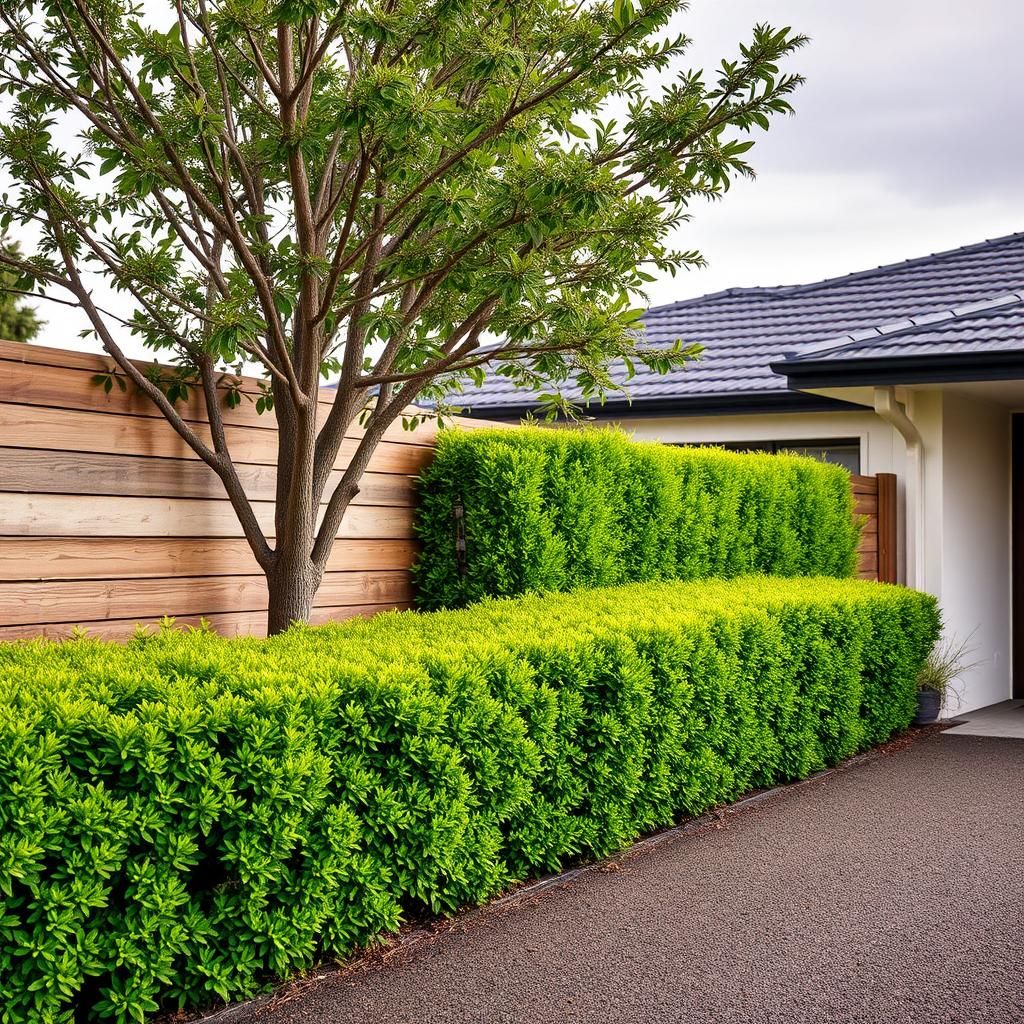
When it comes to securing large property boundaries in Queensland, choosing the right hedging plants is essential for both aesthetics and privacy. The diverse climate and soil conditions in the region allow for a variety of options that can enhance the landscape while providing effective barriers against unwanted intrusions. This article will explore the top choices for hedging plants suited to large properties, taking into consideration factors such as growth rate, maintenance needs, and environmental impact. Additionally, we’ll offer practical tips to ensure your hedging flourishes and thrives, creating a stunning and secure perimeter for your property.
Best Hedging Options for Large Property Boundary in Queensland
When considering the best hedging for a large property boundary in Queensland, it's essential to choose species that thrive in the local climate and soil conditions while providing the desired aesthetic appeal and maintenance level. Fast-growing native plants such as Lilly Pilly and Murraya are popular choices due to their dense foliage, ability to tolerate varying soil types, and resistance to local pests. Additionally, these plants can offer privacy and wind protection, making them ideal for larger properties. In selecting the right hedging, factors such as growth rate, height, and maintenance requirements should also be considered to ensure that the hedges fulfill both functional and decorative roles on the property.
Benefits of Native Hedging Plants
Using native hedging plants for your property in Queensland not only supports local ecosystems but also enhances the landscape’s natural beauty. Native species, such as Coorah, are adapted to local conditions, making them more resilient to pests, diseases, and environmental stresses, resulting in lower maintenance costs over time. Additionally, they provide essential habitats for native wildlife, contributing to the biodiversity of the area. By incorporating native plants into your landscaping, you create a sustainable environment that is both pleasing to the eye and beneficial for the local ecosystem.
Considerations for Soil Type and Drainage
The soil type and drainage properties of your property play a significant role in selecting the appropriate hedging plants. Different species have varying tolerance levels to soil moisture and pH, so it's essential to conduct a soil test before planting. For example, species like Ficus thrive in well-drained soils, whereas others may prefer moisture-retentive conditions. By understanding your soil's characteristics, you can choose hedging plants that will flourish, ensuring they establish robust root systems and exhibit healthy growth over time.
Height and Growth Rate of Hedge Plants
When planting hedges, it is vital to consider both the height and growth rate of the species selected. If your goal is to create immediate privacy, fast-growing varieties like Photinia or Lilly Pilly can establish themselves quickly, providing a dense screen in a short timeframe. Conversely, slower-growing species may require more patience but can potentially offer greater longevity and stability over the years. Balancing these factors can help you create a boundary that meets your landscaping needs effectively and sustainably.
Maintenance Needs of Different Hedges
Different hedging plants come with varying maintenance requirements, which can impact your long-term landscaping strategy. While some species, like Murraya, are relatively low maintenance and require minimal pruning, others may need regular trimming to maintain their shape and density. Understanding each species' specific care needs, including fertilization and irrigation, is essential for ensuring a thriving hedge. Establishing a maintenance schedule can help you keep your hedge healthy and visually appealing throughout the seasons.
Table of Recommended Hedging Plants
| Plant Name | Growth Rate | Height | Maintenance Level |
|---|---|---|---|
| Lilly Pilly | Fast | 3-5 meters | Low |
| Murraya | Medium | 2-4 meters | Low |
| Ficus | Fast | 3-6 meters | Medium |
| Photinia | Fast | 2-4 meters | Medium |
| Coorah | Slow | 1-3 meters | Low |
What is the easiest hedge to grow in Australia?

The easiest hedge to grow in Australia is often considered to be the Lilly Pilly (Syzygium spp.). This plant is favored by many homeowners due to its rapid growth, resilience, and attractive appearance. Lilly Pillies are evergreen, which ensures a continual green backdrop, and they can be trimmed to maintain shape and size, making them ideal for privacy screens or formal hedges. Moreover, they adapt well to various soil types and climatic conditions across Australia, making them versatile for different regions.
Common Varieties of Lilly Pilly
Lilly Pilly hedges are available in several varieties, each offering unique characteristics. Choosing the right type depends on your specific needs and preferences. Here are some popular varieties:
- Syzygium luehmannii - Also known as Riberry, this variety is known for its dense foliage and bright red berries.
- Syzygium australe - Often used for hedging due to its fast growth and lush appearance, it can tolerate various soil types.
- Syzygium suborbiculare - This variety is perfect for low hedges as it grows compact and bushy, and it also has attractive foliage.
Growing Conditions
To successfully cultivate Lilly Pilly, certain growing conditions must be met. Understanding these requirements will contribute to the health and vigor of your hedge:
- Light - Lilly Pillies thrive in full sun to partial shade; however, they prefer at least 6 hours of direct sunlight daily.
- Soil - A well-draining soil enriched with organic matter is ideal, as it promotes deep root growth and resilience.
- Water - Regular watering is needed, especially during establishment; however, avoid waterlogging to prevent root rot.
Maintenance Tips
Maintaining a Lilly Pilly hedge is straightforward, but certain practices can enhance its growth and look. Regular maintenance ensures your hedge remains healthy and attractive:
- Pruning - Regular light pruning encourages bushiness and keeps the hedge at your desired height.
- Fertilizing - Use a balanced fertilizer in spring and autumn to boost growth and foliage color.
- Pest Management - Watch for pests like psyllids; an early intervention with appropriate treatments can prevent major issues.
Benefits of Choosing Lilly Pilly
Selecting Lilly Pilly as your hedge of choice presents multiple benefits beyond just aesthetics. Here are some key advantages:
- Privacy - Dense foliage offers excellent screening, providing privacy for your outdoor spaces.
- Wildlife Attraction - The flowers and berries attract birds and beneficial insects, enhancing your garden's ecosystem.
- Versatility - Suitable for both formal and informal landscapes, they can be shaped into various styles to fit your design.
Potential Issues with Lilly Pilly
While generally easy to grow, Lilly Pilly hedges can face specific issues. Being aware of these can help you maintain a healthy hedge:
See also:
- Psyllids - Small sap-sucking insects can damage leaves, so check regularly and treat when necessary.
- Leaf Spot - Fungal issues can arise with poor air circulation; ensure proper spacing and pruning to mitigate this.
- Frost Sensitivity - In cooler regions, young plants may require protection from frost during winter months.
What is the maximum height of a boundary hedge?
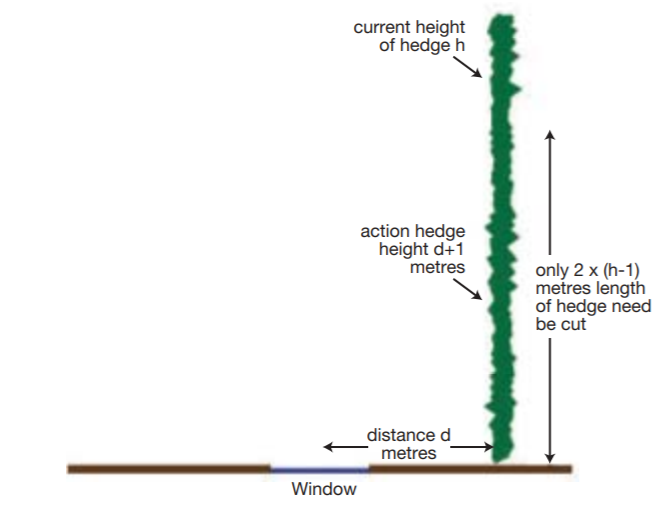
The maximum height of a boundary hedge can vary greatly depending on several factors, including local regulations, the type of plant species used, and the specific context in which the hedge is grown. In many jurisdictions, there are legal limits on how high a hedge can grow to prevent overshadowing neighboring properties and to maintain visibility. Typically, these regulations can dictate heights ranging from 2 meters (approximately 6.5 feet) to 3 meters (around 10 feet).
Factors influencing the maximum height often include:
- Local Legislation: Many areas have specific laws regarding the height of boundary hedges. It's essential to check with local councils or governing bodies.
- Type of Plants: Different species have different growth patterns and can reach various heights. Understanding the specific growth behavior of the chosen plants can help in planning height.
- Neighboring Properties: High hedges may block light to nearby homes and gardens, leading to disputes with neighbors if not managed properly.
- Purpose of the Hedge: Hedges intended for privacy may be grown taller than those used for decorative purposes.
- Maintenance Practices: Regular trimming and maintenance can help manage the height and shape of the hedge while complying with any restrictions.
Local Legislation on Hedge Height
Local laws are often the governing factor in determining the maximum height of boundary hedges. In many regions, there are statutes in place designed to maintain neighborhood aesthetics and harmony. These laws may vary significantly:
- Some areas allow hedges to grow up to 2 meters without restrictions.
- Others may impose specific guidelines relating to distance from property lines.
- In some municipalities, homeowners can apply for height permission if their hedges exceed legal limits.
Choosing the Right Plant Species
The type of plant species chosen for a boundary hedge can significantly influence its ultimate height and maintenance requirements. Various species have different natural growth patterns:
- Fast-growing species can quickly reach the maximum height, making them suitable for rapid screening.
- Some species like boxwood are naturally smaller and require regular trimming to maintain height.
- Others, such as leylandii or laurel, can grow tall rapidly but may require more upkeep.
Impact on Neighboring Properties
When growing boundary hedges, it's essential to consider their impact on neighboring properties. High hedges can block sunlight and create privacy concerns:
- Neighbors may object to tall hedges that impede their access to natural light.
- Disputes can arise if height limits are exceeded and not managed properly.
- Maintaining a friendly relationship with neighbors can help prevent potential conflicts.
Purpose and Function of the Hedge
Understanding the purpose of a boundary hedge can guide its height and maintenance requirements. Different objectives can dictate different heights:
- If the goal is to create a privacy screen, a higher hedge may be desired.
- For aesthetic purposes, a lower height may suffice, allowing other garden elements to be visible.
- Some hedges serve as windbreaks or noise barriers, which might necessitate a significant height.
Maintenance and Management Practices
Regular maintenance plays a crucial role in managing the height of boundary hedges. Established practices can ensure compliance with any given restrictions:
- Frequent trimming helps keep hedges at the preferred height.
- Fertilization can promote healthy growth while maintaining target heights.
- Monitoring the hedge's growth regularly provides opportunities to address height before it reaches legal limits.
What is the best hedge to block neighbors?
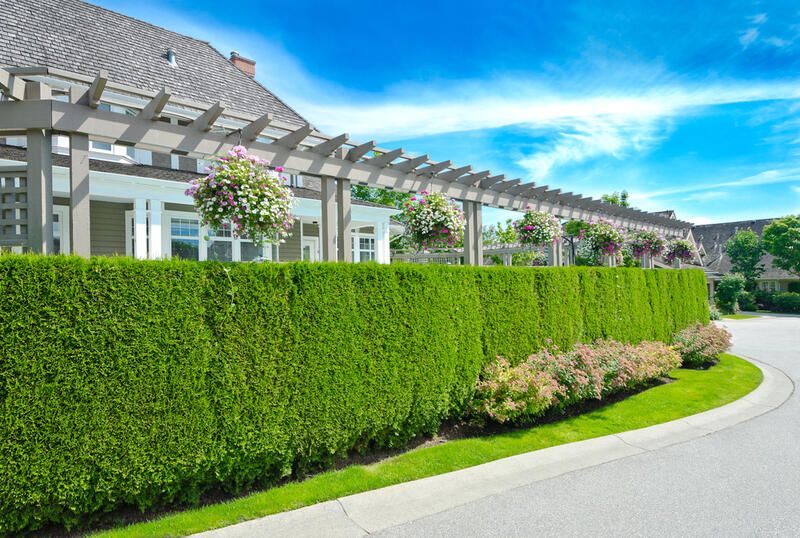
The best hedges to block neighbors typically depend on several factors such as climate, soil type, privacy needs, and desired aesthetics. A well-chosen hedge can act as an effective sound barrier, provide visual privacy, and enhance the overall landscape of your property. Here are a few of the top options for hedging that can be highly effective in creating a natural barrier.
Types of Hedges for Privacy
A variety of hedge types can serve well to provide privacy in residential areas. Choosing the right one can enhance your property’s curb appeal while creating a secluded atmosphere. Some of the most common types include:
- Evergreen Hedges: Species like Leyland cypress or Thuja green giant provide year-round privacy due to their dense foliage.
- Deciduous Hedges: Options like hornbeam can provide good coverage in the summer while losing leaves in winter.
- Fruit-bearing Hedges: Plants like blueberry bushes can be both edible and attractive while serving as a privacy screen.
Height and Density Considerations
When selecting a hedge, the height and density are crucial factors to keep in mind. A taller and denser hedge will offer better privacy, but it’s important to consider local regulations regarding height restrictions. Some important points include:
- Height Requirement: Check local zoning laws to avoid fines or mandated setbacks.
- Density Preference: Dense hedges like Photinia can block light and noise effectively.
- Growth Rate: Fast-growing varieties will reach desired heights more quickly but may require more maintenance.
Climate and Soil Considerations
Selecting the right hedge also depends on your local climate and soil conditions. Different plants thrive in different environments, so consider:
See also:
- Hardiness Zones: Choose plants that are suitable for your region's hardiness zone.
- Soil Type: Test your soil to determine pH and drainage; some plants prefer well-drained soil, while others thrive in wetter conditions.
- Sunlight Availability: Ensure the selected hedges suit the sunlight conditions of your garden.
Maintenance Requirements
All hedges require varying levels of maintenance. It's essential to understand the upkeep needed to keep the hedge healthy while fulfilling its functional purpose. Consider the following:
- Pruning Frequency: Regular pruning will help maintain shape and density; some varieties require more frequent trimming.
- Pest Control: Regular inspections for pests and diseases can prevent issues from compromising your hedge.
- Watering Needs: Different plants have unique watering requirements; ensure that you can meet these needs consistently.
Aesthetic Value and Design
Lastly, think about the aesthetic value of the hedge as it contributes to the overall landscape design of your garden. Here are some design considerations:
- Color: Choose hedges that offer vibrant seasonal colors to enhance the landscape throughout the year.
- Texture: Mixing different textures can add depth to your garden's design.
- Companion Plants: Consider incorporating companion plants or flowers to complement the hedge and create a visually appealing environment.
What is the best hedge for tropical climate?

The best hedge for a tropical climate can depend on various factors such as soil type, sunlight, and the intended purpose of the hedge (e.g., privacy, windbreak, aesthetic). However, some popular choices that thrive well in tropical conditions include the following:
1. Bamboo – Quick-growing, versatile, and can provide strong privacy.
2. Ficus benjamina (Weeping Fig) – Dense foliage, great for creating privacy but requires pruning to maintain shape.
3. Hibiscus – Flowering options that provide vibrant colors, can also be structured as a hedge.
4. Bougainvillea – Offers stunning visual appeal, is drought-resistant once established, and requires minimal maintenance.
5. Ixora – A hardy shrub that produces clusters of colorful flowers and is often used in tropical gardens.
Advantages of Using Bamboo as a Hedge
Bamboo is known for its fast growth and ability to create an impenetrable privacy barrier. Its hollow stems add a unique aesthetic to any garden, and many varieties adapt well to tropical climates.
- Quick Establishment: Bamboo can reach full height in just a few years.
- Varietal Diversity: There are many species to choose from, some are clumping and others running.
- Eco-Friendly: It is a sustainable option for landscaping as it grows rapidly and absorbs carbon dioxide efficiently.
Using Ficus benjamina for Effective Screening
Ficus benjamina, commonly known as the Weeping Fig, creates a lush green wall when properly trimmed. It is ideal for a tropical climate as it thrives in warm weather with adequate moisture. However, care must be taken to prune it regularly.
- Dense Foliage: Provides excellent privacy and noise reduction.
- Adaptable: Can grow in various soil types, although it prefers rich, well-draining soil.
- Pruning: Regular maintenance is required to keep the hedge looking neat and to prevent it from becoming too large.
Flowering Hedges: Benefits of Hibiscus
Hibiscus is not only known for its large, colorful blooms but also serves as a versatile hedge that can provide privacy while adding beauty to the landscape. It flourishes in tropical climates, requiring plenty of sunlight and well-drained soil.
- Visual Appeal: Offers stunning flowers that can vary in color and attract pollinators.
- Low Maintenance: Once established, hibiscus is relatively low-maintenance compared to other flowering shrubs.
- Flexibility: Can be trimmed into various shapes to suit personal decorative tastes.
Low-Maintenance Bougainvillea Hedges
Bougainvillea is an excellent choice for tropical hedges due to its drought-resistant nature and stunning foliage. The vibrant colors of its bracts provide year-round beauty while needing minimal care once established.
- Drought Tolerant: Requires less water and can survive in poor soil conditions.
- Vibrant Colors: Available in multiple shades, it enhances any landscape.
- Pest Resistant: Bougainvillea is generally resistant to pests, reducing the need for chemical treatments.
Thriving with Ixora Hedges
Ixora is a great choice as a tropical hedge, known for its hardiness and ability to produce clusters of small, colorful flowers throughout the year. It is particularly suited for tropical gardens and performs best in full sun.
- Continuous Blooming: Produces flowers almost year-round, attracting butterflies and bees.
- Compact Growth: Ideal for smaller gardens, it can be maintained easily without growing too large.
- Soil Flexibility: Can grow in a variety of soil types but thrives in well-drained soil that remains moist.
Questions from Our Readers
What is the best type of hedge for large property boundaries in Queensland?
The best type of hedge for large property boundaries in Queensland is often native plants, such as Lilly Pilly or tropical hibiscus, which thrive in the local climate. These plants are well-suited to the region’s conditions, require less maintenance, and provide a natural habitat for wildlife.
How tall can hedges grow for property boundaries in Queensland?
Hedges can vary significantly in height, but many species suitable for Queensland can grow between 1.5 to 3 meters tall, while some can reach even higher. When selecting a hedge, consider the desired height for privacy or security, as well as any local regulations about hedge heights.
How often should I prune my property boundary hedge in Queensland?
It is generally recommended to prune your hedge every 6 to 12 months to maintain its shape and health. Regular pruning helps to encourage bushier growth and can prevent the plants from becoming too woody or overgrown.
See also:
Can hedges provide effective noise reduction for properties in Queensland?
Yes, hedges can provide effective noise reduction by acting as a sound barrier. Dense hedging plants can absorb and deflect noise, making them an excellent choice for enhancing the acoustic comfort of your property, particularly in noisy areas.

If you want to read more articles like Discover the Best Hedging for Large Property Boundary in Queensland: Top Choices and Tips, we recommend you check out our Hedges category.
Leave a Reply
Related Articles