Discover the Best Ground Cover Plants to Prevent Weeds in Australia: A Comprehensive Guide

Weed management is a significant concern for Australian gardeners seeking to maintain healthy and vibrant landscapes. Utilizing ground cover plants is an effective and environmentally friendly strategy to suppress weeds while enhancing the beauty of your garden. This comprehensive guide explores the best ground cover plants suited for various Australian climates and soil types. From drought-resistant varieties to lush, moisture-retaining options, discover which plants can thrive in your garden while minimizing weed growth. Whether you're looking to create a stunning garden bed or cover bare soil, this guide will help you choose the right ground cover for your gardening needs.
Best Ground Cover Plants to Prevent Weeds in Australia
Ground cover plants are an excellent solution for weed prevention in Australia, given their ability to spread and form a dense mat that shades the soil, thus minimizing the opportunities for weeds to germinate. Some of the best options include species that are well-adapted to Australian climates, such as those that thrive in sandy soils or withstand drought conditions. Among these are varieties like Dichondra, Native Violet, and Creeping Thyme, which not only prevent weed growth but also enhance the aesthetic appeal of gardens. By integrating these plants into landscaping, homeowners can create beautiful, sustainable gardens that require less maintenance and reduce the need for chemical weed control methods.
Dichondra
Dichondra is a popular choice for ground cover in Australia due to its hardiness and ability to tolerate variable soil conditions. This low-growing plant forms a lush, dense carpet that effectively inhibits weed growth while still allowing other plants to thrive when planted strategically. Its silver-green leaves provide an attractive visual effect, and it does well in areas with partial shade or full sun, making it versatile for various garden designs.
Native Violet
The Native Violet, or Viola hederacea, is a beautiful ground cover that is not only effective at preventing weeds but also supports local wildlife. This perennial plant produces delicate purple flowers that bloom all year round, attracting butterflies and insects. It prefers shaded to partially shaded areas and can help establish a healthy ecosystem by preventing weed infiltration while adding color to your garden.
Creeping Thyme
Creeping Thyme is a hardy and aromatic option for ground cover that is well-suited to drier climates in Australia. This drought-resistant plant has small, vibrant flowers that attract bees and other pollinators. Its dense foliage effectively suppresses weeds, and when stepped on, it releases a pleasant fragrance, making it a great choice for pathways and garden borders where foot traffic is common.
Mint
Though often regarded as an herb, Mint can also serve as an excellent ground cover if managed properly. It grows rapidly and can spread to cover large areas, effectively blocking sunlight from reaching any potential weeds. Moreover, its fragrant leaves not only provide culinary uses but also deter some pests in the garden. However, it’s important to plant mint in contained areas, as it can become invasive if left unchecked.
Blue Star Creeper
The Blue Star Creeper, or Isotoma fluviatilis, is another fantastic ground cover known for its rapid growth and ability to endure drought-like conditions. Its small, star-shaped blue flowers add a charming touch to any garden while helping to suppress weeds effectively. This plant thrives in both sunny and partially shaded areas, making it a versatile choice for many Australian landscapes.
| Plant Name | Benefits | Sunlight Preference |
|---|---|---|
| Dichondra | Dense coverage, weed suppression | Partial shade to full sun |
| Native Violet | Attracts wildlife, aesthetic appeal | Shaded to partially shaded |
| Creeping Thyme | Drought-resistant, aromatic | Full sun |
| Mint | Fast-growing, culinary use | Full sun to partial shade |
| Blue Star Creeper | Charming flowers, weed suppression | Sun to partial shade |
What is the best ground cover plant to stop weeds?
:max_bytes(150000):strip_icc()/plants-that-supress-weeds-yarrow-lead-getty-0423-49e2bac8244b413f991c1c64f0052ea3.jpg)
The best ground cover plant to stop weeds is Creeping Thyme (Thymus serpyllum). This perennial herb not only produces pleasant-smelling leaves but also forms a dense mat that smothers weeds beneath it. It thrives in a variety of soil types and can flourish in dry, rocky areas, making it an excellent choice for low-maintenance gardens. Its low growth habit and drought resistance enhance its appeal as a ground cover.
Benefits of Creeping Thyme
Creeping Thyme offers multiple benefits as a ground cover plant:
- Weed Suppression: It grows densely, preventing sunlight from reaching weed seeds.
- Drought Tolerance: Once established, it requires minimal watering, making it ideal for xeriscaping.
- Aromatic Foliage: The leaves release a pleasant fragrance, especially when crushed, providing sensory enjoyment.
Growing Conditions
Creeping Thyme thrives under specific growing conditions:
- Sunlight: This plant prefers full sun, ideally receiving at least 6 hours of direct sunlight daily.
- Soil Type: Sandy or rocky soils with good drainage enhance its growth and health.
- Temperature Range: It grows well in USDA zones 4 through 9, tolerating a range of temperatures.
Maintenance Requirements
Maintaining Creeping Thyme is straightforward and includes:
See also:
- Watering: Minimal watering is needed once established; only water during prolonged dry spells.
- Pruning: Light trimming after flowering encourages denser growth and helps maintain its shape.
- Fertilization: Limited to no fertilization is required; too much nitrogen can promote excessive foliage at the expense of flowers.
Other Recommended Ground Cover Plants
Besides Creeping Thyme, consider these alternative ground cover plants:
- Ajuga: Fast-growing and colorful, it has flowers that attract pollinators.
- Vinca Minor: Offers attractive leaves and blue flowers; it's also known for its vigorous growth.
- Periwinkle: A shade-loving option that produces vibrant blooms and provides excellent weed barrier functions.
How to Plant Creeping Thyme
Planting Creeping Thyme involves a few straightforward steps:
- Site Preparation: Clear the area of existing weeds and debris, tilling the soil to promote drainage.
- Spacing: Space plants about 12 inches apart to allow for creeping growth.
- Watering After Planting: Water thoroughly after planting, then reduce watering as the plants mature.
What is the best low maintenance ground cover?

The best low maintenance ground cover plants are those that require minimal care while providing coverage, aesthetics, and ecological benefits. Here are several excellent options:
Creeping Thyme
Creeping thyme is a durable and fragrant ground cover that thrives in full sun and well-drained soil. It forms a dense mat that can withstand foot traffic, making it perfect for pathways or between stepping stones. The tiny purple flowers that bloom in late spring attract pollinators.
- Sun Requirements: Requires full sun to flourish.
- Soil Type: Prefers well-drained soil, easily adapted to poor soil conditions.
- Maintenance: Needs minimal watering once established and occasional trimming.
Ajuga (Bugleweed)
Ajuga, commonly known as bugleweed, is a low-growing perennial that flourishes in shade or partial sun. This hardy plant not only quickly spreads but also displays beautiful foliage and spikes of blue flowers in the spring, offering a colorful addition to your landscape.
- Growth Habit: Spreads rapidly, covering ground effectively.
- Light Tolerance: Can thrive in shaded areas where other plants might struggle.
- Water Needs: Drought-tolerant once established, requires little maintenance.
Irish Moss
Irish moss is a perennial moss-like plant that forms a lush green carpet. Ideal for cool coastal climates, it thrives in moist areas and can be used effectively between stones or in shaded locations.
- Aesthetic Appeal: Offers a vibrant green color that stays attractive throughout the year.
- Growth Habit: Grows about 1-2 inches high, creating a dense mat.
- Watering Needs: Requires consistent moisture, making it suitable for damp environments.
Periwinkle (Vinca Minor)
Periwinkle, or Vinca minor, is a hardy ground cover that features evergreen foliage and lovely blue or purple flowers in the spring. It is extremely resilient, tolerating a variety of soil types and competing well with weeds.
- Foliage Color: Provides a rich green appearance throughout the year.
- Flowering Season: Blooms in spring with stunning blossoms.
- Invasive Potential: Can be invasive; proper management is required in some areas.
Pachysandra
Pachysandra is an excellent choice for shaded areas and can spread quickly to create a lush ground cover. This plant is known for its glossy green foliage, which stays vibrant throughout the year and its minimal maintenance requirements.
- Light Requirements: Thrives in shady locations, ideal for covering difficult areas.
- Soil Conditions: Prefers acidic, moist soil but can adapt to various conditions.
- Growth Rate: Establishes quickly and requires little care after initial planting.
What is the best covering to prevent weeds?
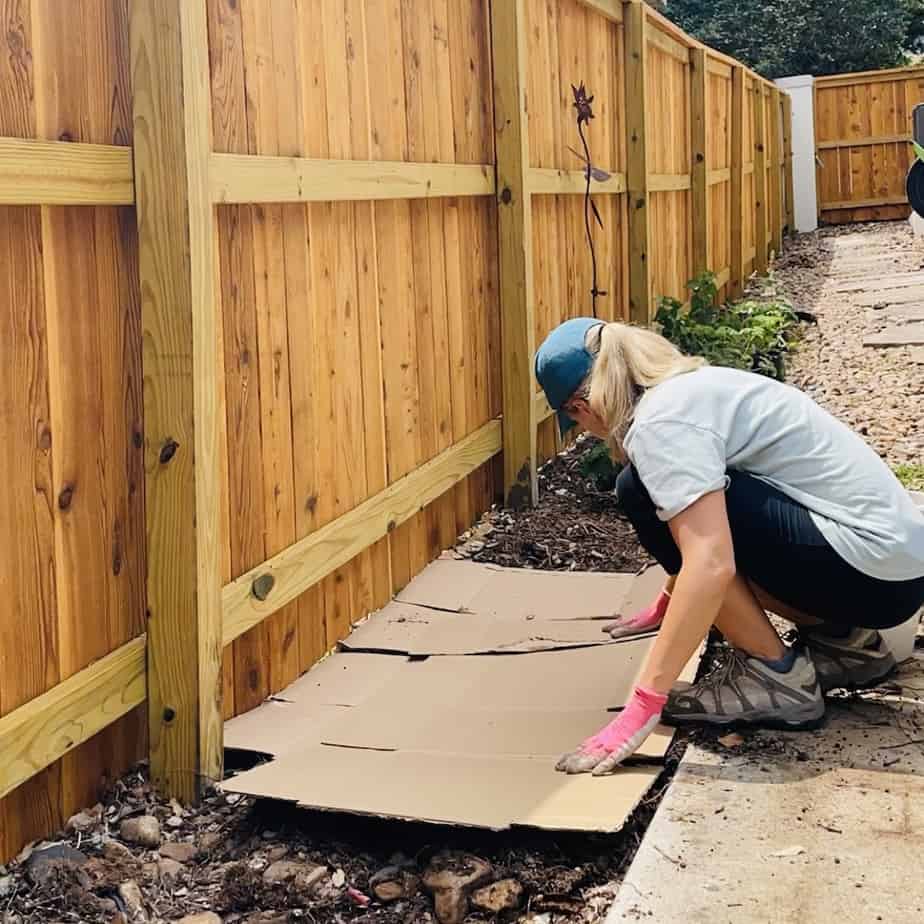
When it comes to preventing weeds in your garden or landscaping, choosing the right covering material is crucial. The best coverings to prevent weeds typically include organic mulches, synthetic fabrics, and other innovative solutions that create a barrier between the soil and potential weeds. Here are some effective options:
Organic Mulch
Organic mulch is one of the most popular and effective coverings to suppress weeds. This natural material breaks down over time, enriching the soil while preventing light from reaching weed seeds.
See also:
- Wood Chips: These are long-lasting and provide excellent weed control while enhancing the visual appeal of your garden.
- Straw: An inexpensive option that allows for moisture retention while keeping weeds at bay.
- Grass Clippings: They decompose quickly and offer nutrients to the soil, but they should be applied in thin layers to avoid matting.
Landscape Fabric
Landscape fabric is a synthetic option made from woven or non-woven materials that allow air and water to pass through while blocking sunlight. This helps prevent weed growth effectively.
- Durability: Landscape fabric can last several years, making it a cost-effective long-term solution.
- Installation: It’s easy to install and can be cut to fit around plants, providing a precise barrier against weeds.
- Soil Health: While it prevents weeds, it’s important to monitor soil health as it may prevent the natural soil ecosystem adjustments.
Cardboard and Newspaper
Using cardboard or newspaper as a weed barrier is an eco-friendly and cost-effective method. Both materials block sunlight and decompose over time, improving soil quality.
- Layers: Multiple layers enhance effectiveness; aim for at least 5-7 layers of newspaper or one thick layer of cardboard.
- Moisture Retention: These materials help retain soil moisture, aiding plant growth in the long run.
- Pre-Planting: Best used in new beds where you have not yet planted; it can be covered with organic mulch after planting.
Rubber Mulch
Rubber mulch, made from recycled tires, is another effective option for weed control. It provides a long-lasting barrier against weeds while offering various aesthetic options.
- Longevity: Rubber mulch lasts for years without breaking down or needing replacement, making it a cost-effective solution in the long term.
- Color Variety: Available in various colors, it can match your garden decor and environment perfectly.
- Non-Biodegradable: While offering durability, it does not add nutrients to soil; thus, it should be used where soil health is already established.
Ground Cover Plants
Using ground cover plants is a natural way to suppress weeds while adding beauty to your landscape. These low-growing plants spread quickly, covering the soil effectively.
- Diversity: Many options like clover, creeping thyme, and sedum are available that thrive in different environments.
- Soil Erosion Control: They help prevent soil erosion while outcompeting weeds for nutrients and space.
- Visual Appeal: Ground covers not only suppress weeds but also add color and texture to your garden, enhancing its overall beauty.
How to keep weeds from growing in ground cover?

1. Choosing the Right Ground Cover Plants
Choosing the appropriate ground cover plants is crucial for minimizing weed growth. Certain ground covers are more effective at suppressing weeds due to their density and growth habits. Here are some factors to consider:
- Growth Rate: Select plants that establish quickly to outcompete weeds for resources.
- Coverage: Dense ground covers will create a thick layer that limits sunlight penetration for weeds.
- Adaptability: Choose species that are suited to your local climate and soil conditions for the best results.
2. Soil Preparation and Mulching
Proper soil preparation and the use of mulch can significantly reduce weed presence before planting ground covers. This step involves:
- Weed Removal: Clear existing weeds manually or with herbicides before laying ground covers.
- Soil Amendments: Enrich the soil with compost to foster a healthier environment for ground covers.
- Mulch Application: Add a 2-3 inch layer of organic mulch around the plants to block sunlight and prevent weed seeds from germinating.
3. Regular Maintenance Practices
Regular maintenance is paramount for keeping weeds at bay in your ground cover areas. Implementing consistent practices can significantly deter unwanted growth:
- Weeding: Routinely inspect the area and manually remove any weeds before they can establish.
- Fertilization: Use fertilizers that support the health of your ground covers, helping them to grow vigorously and shade out weeds.
- Watering: Ensure your ground covers receive adequate water to promote their growth while keeping weeds under stress.
4. Utilizing Landscape Fabric
Using landscape fabric under ground covers can be an effective way to suppress weeds while allowing water and nutrients to reach the soil. Here’s how to effectively integrate this method:
- Installation: Lay landscape fabric after soil preparation but before planting to block weeds.
- Securing: Use landscape staples to keep the fabric in place and cover with a thin layer of mulch for aesthetic appeal.
- Monitoring: Regularly check for any tears or gaps that could allow weeds to break through.
5. Applying Pre-Emergent Herbicides
Pre-emergent herbicides can be a valuable tool for preventing weed seeds from germinating in ground cover. Here’s how to use them responsibly:
- Timing: Apply pre-emergent herbicides in early spring before weeds begin to grow.
- Compatibility: Ensure that the product is safe for use around your chosen ground cover plants.
- Follow Instructions: Adhere to the manufacturer’s guidelines for application rates and techniques to avoid harming beneficial plants.
Questions from Our Readers
What are the best ground cover plants to prevent weeds in Australia?
Australian natives such as rugosa rose, kangaroo paw, and blue bell creepers are some of the best ground cover plants. They not only create an effective barrier against weeds but also enhance the local ecosystem by providing habitat for wildlife.
How do ground cover plants help in weed prevention?
Ground cover plants help in weed prevention by creating a dense mat that shades the soil, preventing sunlight from reaching weed seeds. This reduces the likelihood of weed germination and allows desirable plants to thrive.
See also:
Can ground cover plants survive in drought conditions typical of Australia?
Many ground cover plants suited for Australia, such as duchess daisies and thyme, are highly drought-tolerant. They have adapted to survive in Australia's variable climate by developing deep root systems and requiring minimal water once established.
How long does it take for ground cover plants to effectively suppress weeds?
The time it takes for ground cover plants to effectively suppress weeds varies, but generally, you can expect them to reach maturity and provide adequate coverage within 1 to 3 years, depending on the species and growing conditions.

If you want to read more articles like Discover the Best Ground Cover Plants to Prevent Weeds in Australia: A Comprehensive Guide, we recommend you check out our Landscaping category.
Leave a Reply
Related Articles