Discover the Best Fruit Trees to Grow in South Australia for Optimal Yields
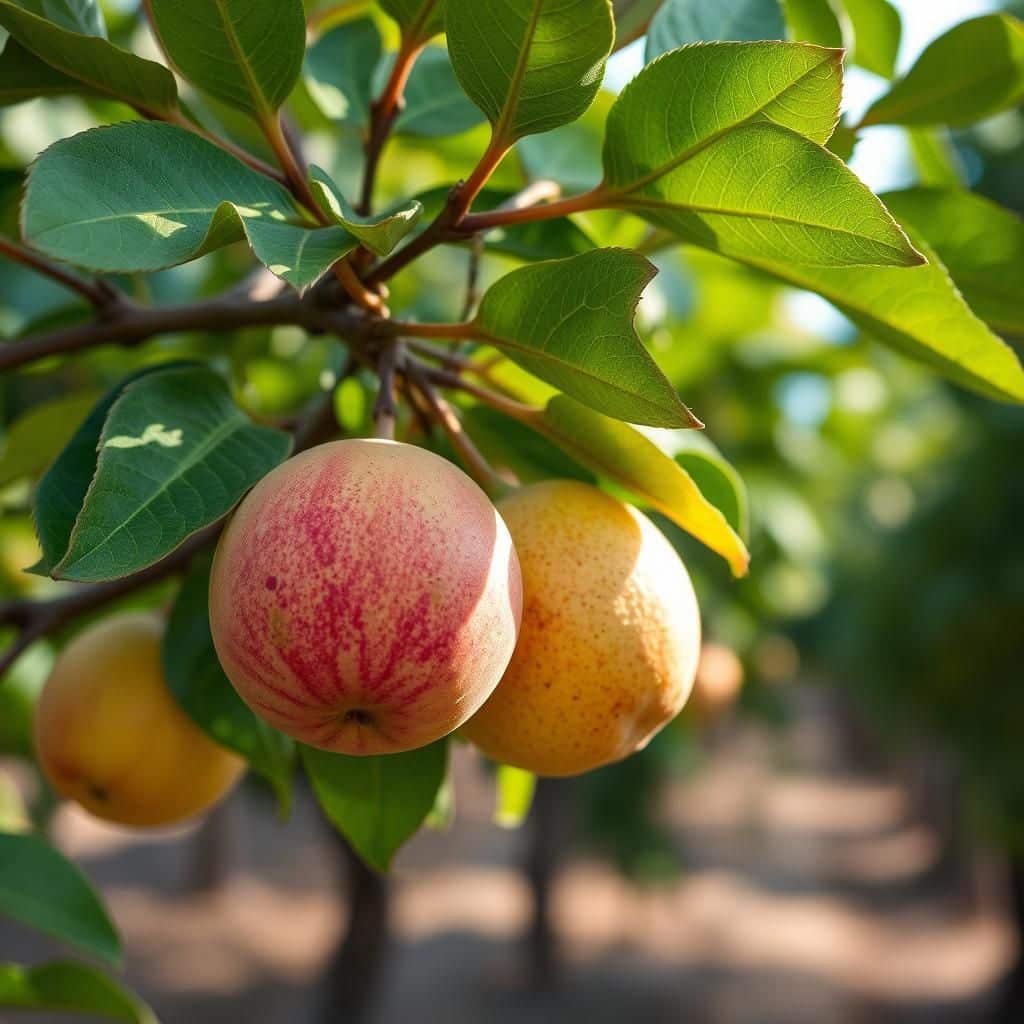
South Australia offers a unique climate that is ideal for cultivating a variety of fruit trees, making it a paradise for gardening enthusiasts and fruit lovers alike. With its Mediterranean climate featuring hot, dry summers and cool, wet winters, selecting the right fruit trees is crucial for achieving optimal yields. This article will explore the best fruit trees to grow in South Australia, taking into account factors such as soil type, climate adaptability, and maintenance requirements. Whether you are a seasoned gardener or a beginner, you'll find valuable insights to help you create a flourishing fruit garden that thrives in this vibrant region.
Best Fruit Trees to Grow in South Australia
South Australia offers a diverse climate that is ideal for growing a variety of fruit trees. When selecting the best options, consider fruit trees that thrive in the region's hot summers and cool winters. Some of the most popular choices include citrus trees like oranges and lemons, which not only produce sweet and tangy fruits but also thrive in the warm climate. Other excellent options are stone fruit trees such as plums, peaches, and cherries which flourish with the right pollination and care. Additionally, figs and pomegranates are well-suited for the dry conditions typically found in this area, providing delicious yields with minimal water requirements.
Citrus Trees
Citrus trees are among the most favored fruit trees in South Australia due to their resilience and high yield. With varieties such as oranges, lemons, and limes, these trees require full sunlight and well-drained soil to thrive. Their fruits are not only refreshing but also versatile for culinary uses, making them a valuable addition to both home gardens and commercial orchards. Regular watering and fertilization can enhance their growth, leading to an abundant harvest.
Stone Fruits
Stone fruits, including peaches, nectarines, and cherries, adapt well to South Australia's climate and are popular among local gardeners. These trees prefer full sun and can thrive in various soil types as long as the drainage is adequate. They usually require cross-pollination, so planting multiple trees can increase fruit production. The sweet, juicy fruits they produce are a delight during summer months, perfect for eating fresh or making preserves.
Figs
Figs are particularly well-suited to the dry conditions of South Australia. These trees are low-maintenance and require minimal watering once established, making them ideal for gardeners looking for sustainable options. Figs flourish in well-drained soil and full sun, and they produce a unique fruit that can be enjoyed fresh or dried. Their adaptability and resilience against pests make them a favorite choice for those seeking reliable fruit production with less effort.
Pomegranates
Pomegranate trees thrive in South Australia's warm climate, requiring well-drained soil and plenty of sunshine. Known for their bright red, juicy seeds, pomegranates are not only delicious but also packed with health benefits. These trees are hardy and can withstand periods of drought, which is beneficial in a region where water conservation is key. They typically produce fruit in late summer to early autumn, adding color and flavor to any garden.
Apple Trees
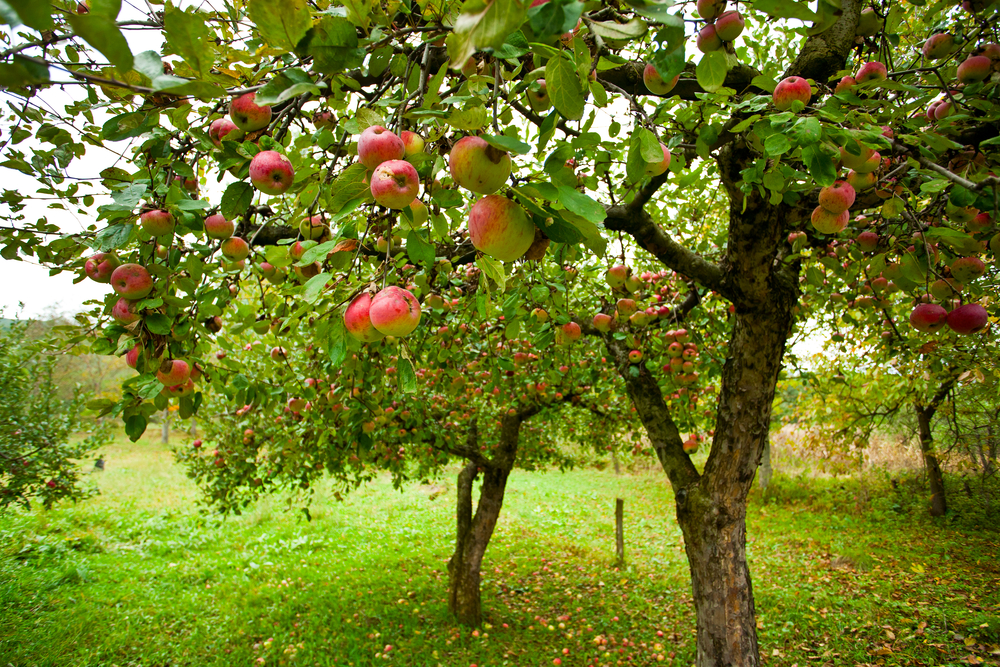
Apple trees can also be successfully cultivated in South Australia, particularly in areas with cooler temperatures. Varieties such as Granny Smith and Fuji are popular choices due to their crisp texture and sweet flavor. Apple trees thrive in full sun and require regular watering, especially during dry spells. They can benefit from being planted in pairs for cross-pollination, which often leads to a better fruit yield and quality.
| Type of Tree | Preferred Conditions | Harvest Time |
|---|---|---|
| Citrus | Full sun, well-drained soil | Winter to Spring |
| Stone Fruits | Full sun, needs cross-pollination | Summer |
| Figs | Well-drained soil, minimal watering | Summer to Early Autumn |
| Pomegranates | Full sun, drought resistant | Late Summer to Autumn |
| Apple Trees | Full sun, regular watering | Late Summer to Autumn |
What is the easiest fruit tree to grow in Australia?
The easiest fruit tree to grow in Australia is the Meyer lemon tree. This tree is favored by many gardeners due to its adaptability to the Australian climate, relatively low maintenance requirements, and the delicious fruits it produces. Meyer lemons are smaller and sweeter than regular lemons, making them a popular choice for various culinary uses. They thrive in sunny conditions and can be grown in pots or directly in the ground, making them an excellent option for both urban and rural gardeners.
Growing Conditions for Meyer Lemon Trees
Meyer lemon trees prefer full sunlight and well-drained soil. They are typically grown in warmer climates, but can also adapt to cooler areas with proper care. Key considerations for creating the ideal growing conditions include:
- Sunlight: Ensure the tree receives at least 8-10 hours of sunlight per day.
- Soil: Use well-draining soil, enriched with compost to provide nutrients.
- Watering: Water the tree regularly, allowing the soil to dry out slightly between watering sessions.
Care and Maintenance
Maintaining a Meyer lemon tree requires some straightforward practices that can lead to a bountiful harvest. Regular care ensures the tree remains healthy and productive. Important maintenance tasks include:
- Fertilizing: Apply a balanced fertilizer every few months during the growing season.
- Pruning: Trim the tree to remove dead or diseased branches and to shape the tree.
- Pest Management: Check for pests regularly and treat them promptly with organic insecticides if necessary.
Best Time to Plant
The timing of planting is crucial for the success of Meyer lemon trees. In Australia, it's best to plant these trees in the spring or early autumn. This allows the tree to establish its roots during less harsh weather conditions. Consider the following factors:
- Spring Benefits: Warmer temperatures can boost growth after the cold winter months.
- Autumn Planting: Allows roots to develop before the heat of summer arrives.
- Soil Temperature: Ensure the soil temperature is consistently above 15°C (59°F) for optimal growth.
Pest and Disease Management
Meyer lemon trees, like all plants, can be susceptible to various pests and diseases. However, with proper management strategies, these issues can be minimized. Key practices include:
- Regular Inspections: Check leaves and branches for signs of pests such as aphids or spider mites.
- Organic Treatments: Use neem oil or insecticidal soap to combat pest infestations.
- Healthy Practices: Ensure the tree receives enough nutrients and water to withstand diseases.
Harvesting Meyer Lemons
Knowing when and how to harvest Meyer lemons is essential for enjoying their sweet flavor. These lemons typically ripen in winter and early spring. To harvest correctly, follow these tips:
See also:
- Color Check: Lemons should turn a vibrant yellow and feel slightly soft to the touch.
- Harvesting Technique: Use pruning shears to cut the fruit from the tree without damaging the branches.
- Storage: Store harvested lemons in a cool, dry place to extend their freshness.
What fruit grows in South Australia?
South Australia is known for its diverse agricultural production, including a wide variety of fruits due to its favorable climate and fertile soil. The state benefits from a Mediterranean climate, which provides hot, dry summers and mild, wet winters. This allows for the cultivation of both temperate and subtropical fruits. Here are some of the main fruits that grow in South Australia:
- Wine Grapes: South Australia is renowned for its premium wine production. Regions like the Barossa Valley and McLaren Vale are famous for their vineyards, producing varieties such as Shiraz, Cabernet Sauvignon, and Chardonnay.
- Citrus Fruits: Following wine grapes, South Australia also produces a substantial amount of citrus fruits including oranges, lemons, and mandarins. The Riverland region is particularly noted for its vast citrus orchards.
- Stone Fruits: This includes fruits like peaches, nectarines, plums, and apricots. The warm climate creates ideal conditions for stone fruit farming, especially during the summer months.
- Berries: South Australia has also seen growth in the production of berries such as strawberries, blueberries, and raspberries. These are often grown in the cooler regions and are popular for their flavor and health benefits.
- Apples and Pears: The cool climates of regions such as the Adelaide Hills allow for the cultivation of apples and pears. Varieties such as Granny Smith apples are well-known and widely enjoyed.
1. Wine Grapes Production
Wine grapes are perhaps the most famous fruit from South Australia, celebrated globally for their quality and variety. The state's diverse terroirs allow winemakers to produce distinct wines that reflect their regions.
- Barossa Valley: Known for its robust Shiraz wines.
- Adelaide Hills: A region known for elegant Sauvignon Blancs and Chardonnays.
- McLaren Vale: Renowned for its rich red wines and organic vineyards.
2. Citrus Fruit Farming
Citrus fruits flourish in South Australia thanks to its warm, sunny climate and well-drained soils. The Riverland region is a key area for citrus production, supporting both local consumption and export markets.
- Oranges: A staple in South Australian citrus, enjoyed fresh and processed.
- Lemons: Widely used in cooking and beverages, lemons are a significant crop.
- Mandarins: Easy to peel and sweet, these are popular among families.
3. Growing Stone Fruits
The cultivation of stone fruits is prevalent in South Australia, especially throughout the summer months when temperatures soar, promoting sweetness and juiciness in the fruits.
- Peaches: Juicy and fragrant, often used in desserts and preserves.
- Nectarines: Similar to peaches but with smooth skin; they are popular for fresh consumption.
- Plums: Available in several varieties, they are used for eating fresh or drying.
4. Berry Production
With a growing interest in health and fresh produce, South Australia has seen a significant increase in berry farming. These fruits are not only delicious but also packed with nutrients.
- Strawberries: Often the first berry to be harvested each season; they are a favorite in desserts.
- Blueberries: Known for their antioxidant properties, they are sought after both fresh and frozen.
- Raspberries: Known for their tart flavor, they are used in jams, desserts, and as fresh snacks.
5. Apples and Pears Cultivation
South Australia's apple and pear production benefits from the cooler climates of the hilly regions. These fruits are essential for both the fresh and processed fruit markets.
- Granny Smith Apples: Iconic for their tartness, these apples are enjoyed worldwide.
- Packham Pears: Popular for their sweet and juicy flavor, perfect for fresh eating.
- Forelle Pears: Known for their distinctive red blush, great for culinary uses.
What fruit trees grow best in the south?
The southern regions of the United States benefit from a warm climate that supports the growth of various fruit trees. Here are some of the best fruit trees that thrive in these areas:
See also:
1. Citrus Trees
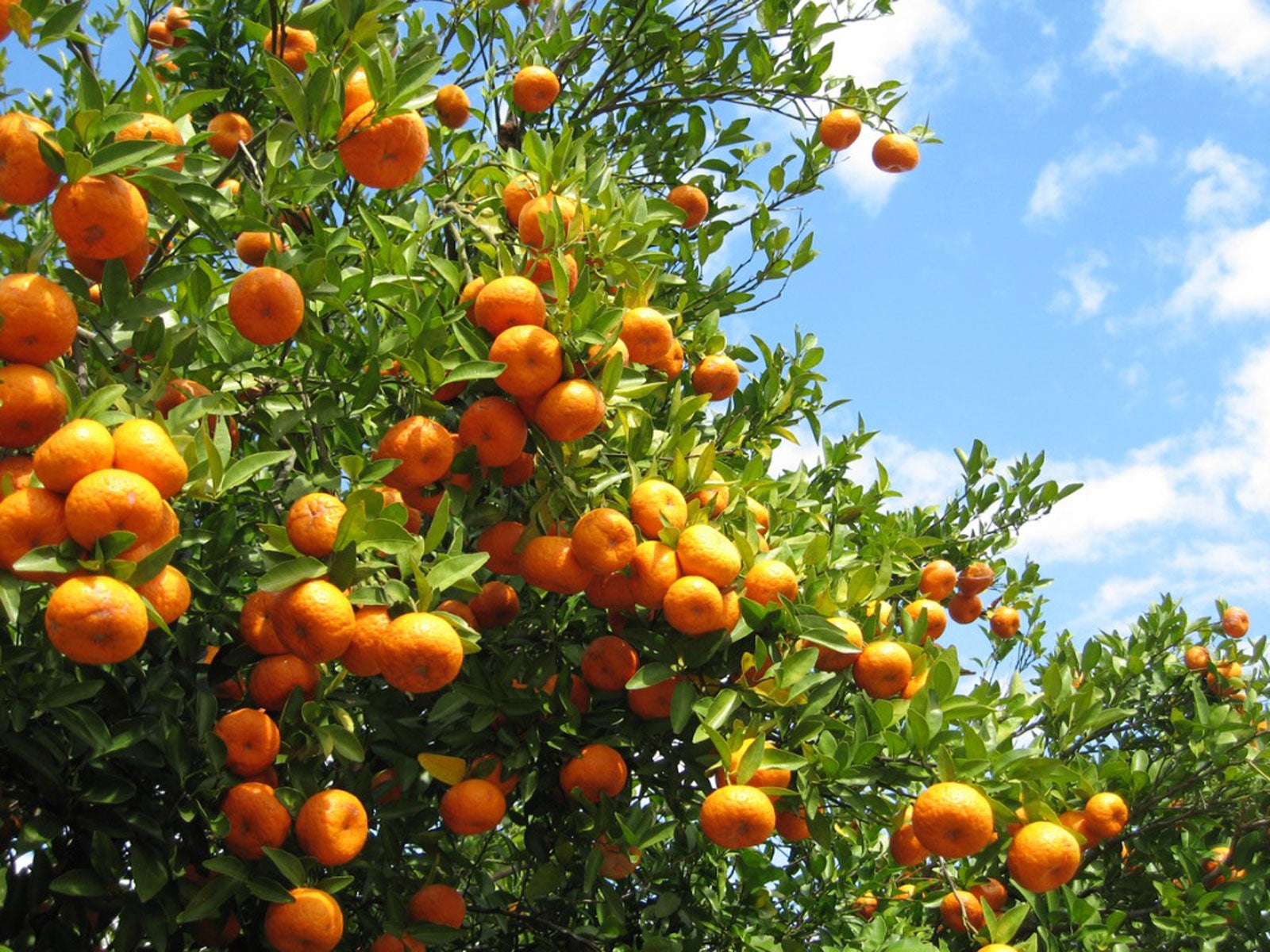
Citrus trees are a staple in southern landscapes due to their tropical climate preferences. Varieties such as oranges, lemons, limes, and grapefruits flourish in warm temperatures and full sunlight. Citrus trees are not just aesthetically pleasing, but they also produce delicious fruits that are packed with vitamin C.
- Oranges: Especially sweet when grown in southern regions.
- Lemons: Require well-drained soil and full sun.
- Limes: Generally grow well and are often resistant to pests.
2. Peach Trees
Peach trees are another popular choice for southern gardening. They thrive in areas with warm summers and require a period of chilling hours in winter for optimal growth. Additionally, they offer a myriad of varieties that adapt well to various soil types.
- Clingstone Peaches: Ideal for canning and preserves.
- Freestone Peaches: Easier to eat and popular for fresh consumption.
- Low-chill Varieties: Specifically bred for warm climates.
3. Fig Trees
Fig trees are incredibly resilient and adapt well to the southern climate. They can withstand drought conditions and are relatively lower maintenance compared to many other fruit trees. Additionally, their fruits are sweet and nutritious.
- Brown Turkey Figs: Known for their robustness and sweet flavor.
- Kadota Figs: Available in a greenish hue and suitable for drying.
- Celeste Figs: Sweet, small fruits that thrive in southern gardens.
4. Apple Trees
While apples are often associated with cooler climates, certain varieties can be successfully grown in the south. The key is to select low-chill varieties that can meet the temperature requirements of these regions while still producing satisfactory yields.
- Anna Apples: A popular choice due to their adaptability.
- Ein Shemer Apples: Excellent for cooking and fresh eating.
- Dorsett Golden Apples: Great for flavorful, juicy fruit.
5. Pecan Trees
Although not a fruit tree in the traditional sense, pecans are cherished in the south for their nut production. Pecan trees thrive in warm climates and well-drained soils, yielding nuts that are a key ingredient in many Southern dishes.
- Stuart Pecans: Known for their large nuts and high yield.
- Desirable Pecans: Popular for their quality and flavor.
- Choctaw Pecans: Characterized by their early harvest and large size.
What are the best low maintenance fruit trees?
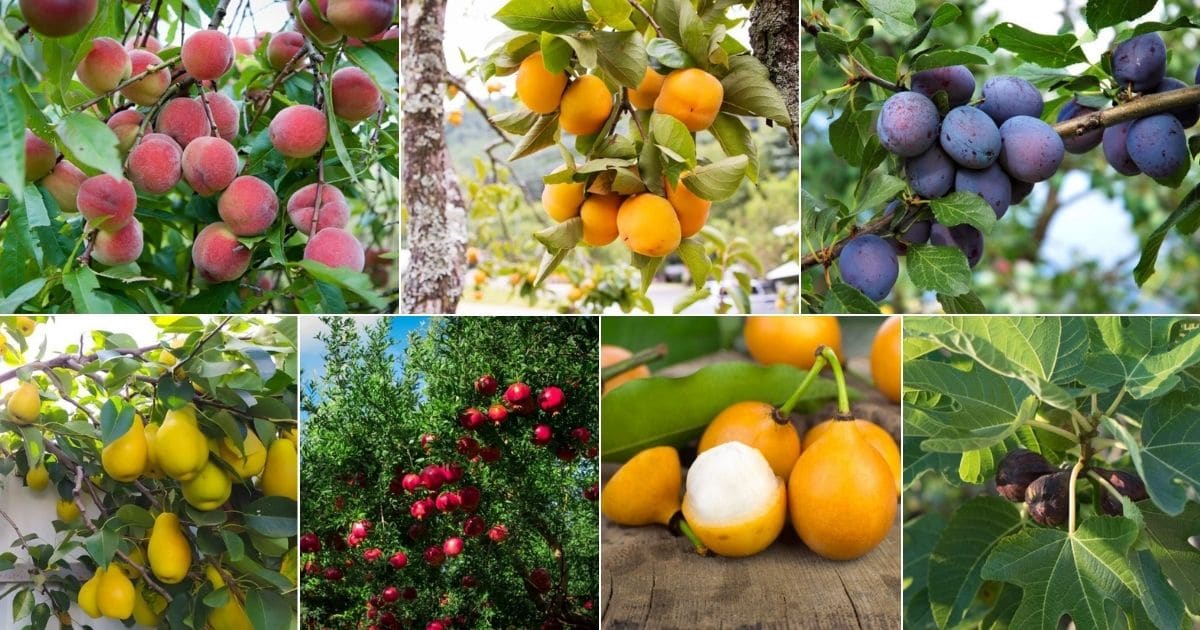
When considering low maintenance fruit trees, it’s essential to select varieties that require minimal care and are well-suited to the local climate. Generally, these trees are hardy, pest-resistant, and do not demand frequent pruning or special treatments. Here are some of the best options for low maintenance fruit trees:
1. Apple Trees
Apple trees are incredibly versatile and can adapt to various soil types, making them ideal for many gardeners. Once established, they require minimal care and can produce substantial yields with little intervention. Most modern apple varieties are bred for disease resistance, further reducing the need for chemical treatments.
- Varieties: Choose hardy types like 'Liberty' or 'Granny Smith' which are less prone to diseases.
- Care: Minimal pruning is needed once the tree is shaped correctly.
- Harvest: Enjoy apples in late summer to early fall with minimal effort.
2. Pear Trees
Pear trees are similar to apple trees in their low maintenance requirements. They often bear fruit relatively quickly and don’t need excessive care throughout the growing season. Pests are usually less of a problem, and many varieties are naturally resistant to common diseases.
- Varieties: 'Bartlett' and 'Kieffer' are popular choices noted for their resilience.
- Care: Regular watering in dry spells is usually sufficient.
- Harvest: Most pears are ready for harvest in late summer and early fall.
3. Fig Trees
Fig trees are known for being incredibly low maintenance and drought-tolerant once established. They thrive in warm climates and produce sweet, lush fruits that can be enjoyed fresh or dried. Because they have fewer pest issues, they require less intervention.
- Varieties: 'Brown Turkey' and 'Celeste' are hardy options with excellent fruit quality.
- Care: Minimal pruning is necessary, mainly to shape the tree.
- Harvest: Figs typically ripen in late summer, offering a bountiful harvest.
4. Cherry Trees
Cherry trees, particularly sour cherry varieties, are excellent low maintenance fruit trees. They require little pruning and are generally more resistant to diseases than sweet cherries. They provide beautiful blossoms in spring followed by a bountiful summer harvest.
- Varieties: 'Montmorency' is a reliable choice for easy growth and fruiting.
- Care: Watering during dry periods ensures better fruit development.
- Harvest: Most cherries ripen in late spring to early summer, providing fresh fruit.
5. Plum Trees
Plum trees are another great option for low maintenance gardening. Many varieties are self-pollinating, which simplifies the planting process. They can tolerate various soil types and require minimal care, making them perfect for busy gardeners.
- Varieties: 'Santa Rosa' and 'Satsuma' are notable for their resilience and sweet fruits.
- Care: Occasional watering and light pruning make for easy upkeep.
- Harvest: Plums are typically ready for harvest in mid to late summer.
Questions from Our Readers
What are the best fruit trees for small gardens in South Australia?
Small gardens in South Australia can benefit from growing dwarf varieties of fruit trees such as apple, pear, and citrus trees. These trees are compact, require less space, and can still produce a good harvest while thriving in the local climate.
Which fruit trees are most suited to the South Australian climate?
Fruit trees that truly thrive in South Australia's Mediterranean climate include plum, peach, and nectarine trees. These varieties are adapted to hot summers and can handle periods of dryness, making them ideal for the region.
See also:
How long does it take for fruit trees to bear fruit in South Australia?
Typically, most fruit trees in South Australia will start bearing fruit within 3 to 5 years after planting, depending on the species and care provided. Factors such as soil quality, water, and fertilization significantly influence this timeline.
Are there any disease-resistant fruit trees suitable for South Australia?
Yes, varieties like the Apple Trees (especially Malus domestica) and certain Citrus Trees have been bred for disease resistance and are well-suited for South Australia. Choosing these varieties can help ensure a healthier, more productive garden with less need for chemical treatments.

If you want to read more articles like Discover the Best Fruit Trees to Grow in South Australia for Optimal Yields, we recommend you check out our Gardeners category.
Leave a Reply
Related Articles