Transform Your Space: Ultimate Guide to Backyard Low Maintenance Small Garden Design
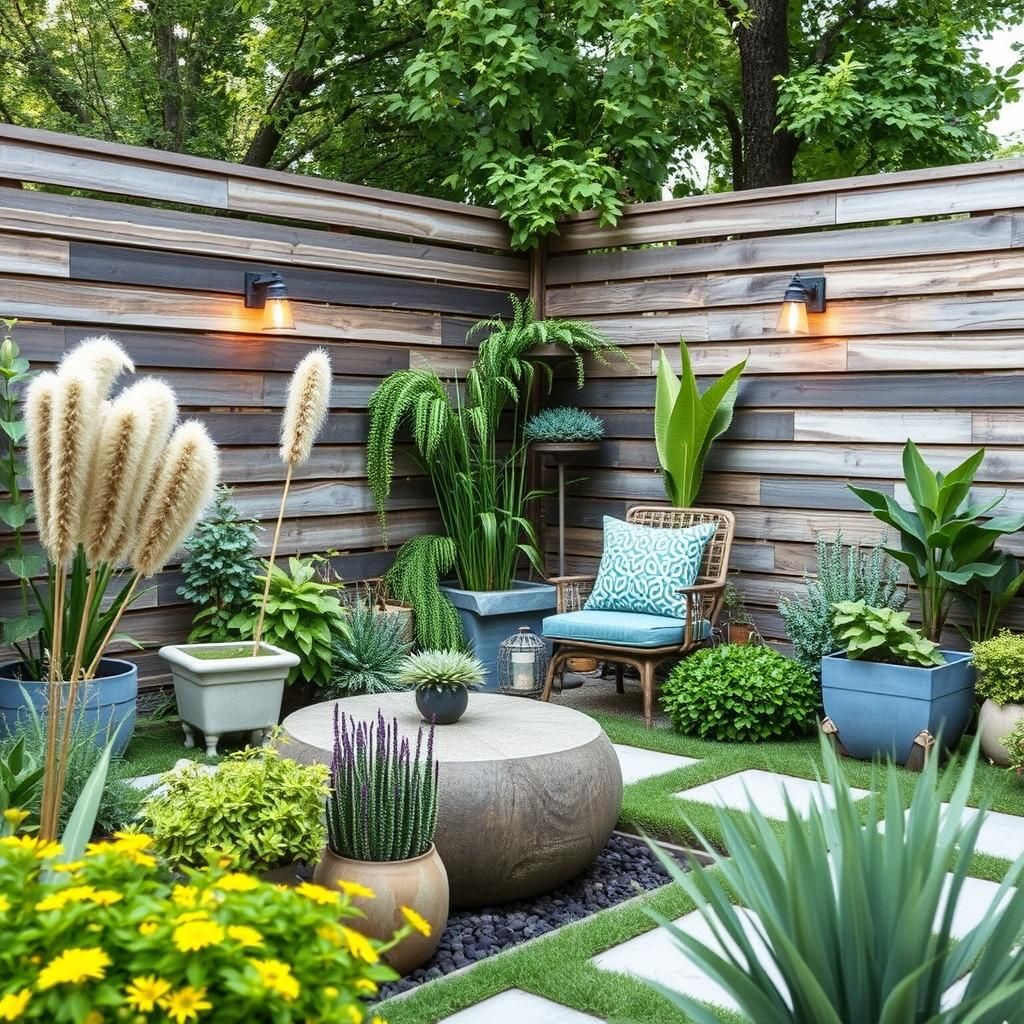
Creating a small garden in your backyard doesn't have to be a time-consuming endeavor. With the right design and plants, you can transform your outdoor space into a serene escape that requires minimal maintenance. This ultimate guide will walk you through the essentials of low-maintenance small garden design, offering practical tips and creative ideas to help you make the most of your area. From choosing the right plants to optimizing layout for ease of care, discover how to cultivate a beautiful garden that enhances your home without overwhelming your schedule. Embrace the beauty of simplicity and enjoy your outdoor haven.
Designing a Low Maintenance Small Garden for Your Backyard
Creating a low maintenance small garden in your backyard not only enhances the beauty of your outdoor space but also provides a peaceful retreat without the burden of extensive upkeep. By carefully selecting drought-resistant plants, incorporating hardscaping features like paths and seating areas, and utilizing mulch to suppress weeds, you can create a functional yet aesthetically pleasing environment. Emphasizing the use of native species will not only contribute to lower maintenance but also support local wildlife, while considering the design principles of space and scale can ensure that your garden remains inviting and accessible throughout the seasons.
Choosing the Right Plants
When designing a low maintenance small garden, the choice of plants is crucial. Opt for perennials that are well-suited for your climate and require minimal care, such as sedums, lavender, and ornamental grasses. These plants are often drought-resistant, which reduces the need for frequent watering and pruning. Additionally, grouping plants with similar water and sunlight needs can facilitate easier care and maintenance, allowing you to enjoy a flourishing garden with minimal effort.
Utilizing Hardscaping Elements
Incorporating hardscaping elements such as patios, paths, and borders can significantly reduce maintenance in your small garden. By using materials like stone, gravel, or paving, you can define areas of your garden, minimize the amount of grass you need to mow, and create attractive seating spaces for relaxation. Including features like retaining walls can manage soil erosion and level your garden, while decorative stones or pebbles can provide a unique aesthetic that requires little upkeep.
Implementing Efficient Irrigation
Effective irrigation is essential for maintaining a small garden with minimal effort. Installing a drip irrigation system can deliver water directly to the roots of your plants, reducing water waste and the need for frequent watering. Moreover, using soaker hoses or rain barrels can further enhance your irrigation strategy, making it easier to manage water usage, especially during dry spells. These systems not only save time but ensure that your plants receive the consistent moisture they need to thrive.
See also:
Incorporating Mulch
Using mulch in your garden beds can significantly decrease maintenance needs by suppressing weeds, retaining moisture, and regulating soil temperature. Organic mulches, like shredded bark or straw, also enrich the soil as they decompose, feeding your plants naturally over time. A layer of mulch not only helps create an attractive, finished look for your garden but also minimizes the amount of time required for weeding and watering.
Designing for Seasonal Interest
To ensure that your small garden remains visually appealing throughout the year, incorporate plants and features that provide seasonal interest. Select a mix of flowering plants that bloom at different times, as well as evergreens that maintain their foliage during the winter months. Incorporating elements like decorative grasses, colorful containers, or seasonal decorations can enhance the overall aesthetics and keep your garden lively with minimal effort throughout each season.
| Element | Description | Benefits |
|---|---|---|
| Plants | Drought-resistant perennials and natives | Low water needs, durability |
| Hardscaping | Paths, patios, and decorative stones | Reduces mowing, easy maintenance |
| Irrigation | Drip systems, soaker hoses | Efficient water usage, less labor |
| Mulch | Organic materials for soil coverage | Weed suppression, moisture retention |
| Seasonal Interest | Variety of plants for year-round appeal | Enhanced beauty, dynamic landscape |
Choosing the Right Plants for a Low Maintenance Small Garden
Selecting the right plants is crucial to achieving a successful low maintenance small garden. Opt for native plants and perennials that require minimal upkeep, as they are better adapted to the local climate and soil conditions. Incorporating drought-tolerant species can also reduce the need for frequent watering. Additionally, consider plants with multi-seasonal interest to provide visual appeal throughout the year. By grouping plants with similar water and light requirements, you can create a harmonious design that maximizes both beauty and functionality in your small garden space.
Tips for Simplifying Garden Maintenance
To simplify garden maintenance, focus on creating distinct zones within your space that minimize the time spent on upkeep. Implementing hardscaping elements such as pathways or patios can help reduce the area that needs to be planted and maintained. Furthermore, using mulch in garden beds not only helps retain moisture but also suppresses weeds, thereby lessening the amount of weeding required. Regularly assessing the garden can also prevent minor issues from escalating, allowing you to perform quick fixes instead of extensive maintenance.
Designing for Small Spaces
When designing for small spaces, it’s essential to utilize vertical gardening techniques. Incorporating trellises, wall planters, or hanging pots can maximize growing space without sacrificing floor area. Additionally, choose plants that grow upward instead of outwards to keep the space open and airy. Implementing tiered planting can help create depth and interest while making efficient use of available light. By integrating compact furniture and pathways, your small garden can appear larger and more inviting.
See also:
Creating a Focal Point
A focal point is essential in any garden design, especially in small spaces, as it draws the eye and creates a sense of purpose. Consider using a standout piece such as a sculpture, a water feature, or a striking plant to serve this role. Position the focal point in a way that directs visitors’ attention and enhances the garden's overall flow. Utilizing different textural contrasts and colors will help your focal point stand out even more, encouraging exploration and engagement throughout the space.
Benefits of Mulching in Small Gardens
Mulching offers numerous benefits for small gardens, particularly for low maintenance designs. It helps retain soil moisture, which reduces the need for frequent watering, making it an excellent choice for drought-prone areas. Additionally, mulch acts as a natural weed barrier, minimizing competition for resources among plants. It also keeps soil temperatures more consistent, which is beneficial for plant health. Over time, organic mulches will decompose, enriching the soil and promoting a sustainable gardening practice that supports plant growth and vitality.
Incorporating Outdoor Functionality
Incorporating outdoor functionality into your small garden can enhance its usability and enjoyment. Create zones for entertaining, relaxing, or dining by integrating comfortable seating, tables, or fire pits. These elements encourage outdoor living and can be designed to complement your garden aesthetic. Ensure pathways and furniture are strategically placed to allow easy movement without overcrowding the space. By merging practicality with beauty, you can transform your garden into a multi-functional area that is both enjoyable and low maintenance.
Questions from Our Readers
What are the best plants for a low-maintenance small garden?
The best plants for a low-maintenance small garden include succulents, perennials, and native plants. These varieties typically require less watering and care, making them ideal for busy homeowners. Drought-resistant plants can help reduce upkeep even further, while selecting the right plants can also ensure year-round interest in your garden.
How can I design a low-maintenance small garden layout?
To design a low-maintenance small garden layout, focus on creating defined spaces with paths and borders that minimize grass areas. Utilize raised beds or containers to control soil conditions, and group plants with similar watering and sunlight needs together. Incorporating hardscape elements like stones or gravel can also reduce the area needing upkeep.
See also:
What features should I include in a low-maintenance garden?
In a low-maintenance garden, consider adding features like drip irrigation systems, which automate watering efficiently. Incorporating mulch can help retain moisture, suppress weeds, and enhance aesthetic appeal. Using permeable paving for walkways will allow water absorption while minimizing the need for lawn maintenance.
Can I still have flowers in a low-maintenance small garden?
Absolutely, you can have flowers in a low-maintenance small garden! Opt for hardy, perennial flowers that bloom annually, reducing the need for replanting each season. Choose varieties that thrive in your local climate and require minimal care, such as lavender or echinacea, to add color and vibrancy without the extra work.

If you want to read more articles like Transform Your Space: Ultimate Guide to Backyard Low Maintenance Small Garden Design, we recommend you check out our Landscaping category.
Leave a Reply
Related Articles