Ultimate Guide to Australian Gum Trees Identification Pictures: Tips and Visuals
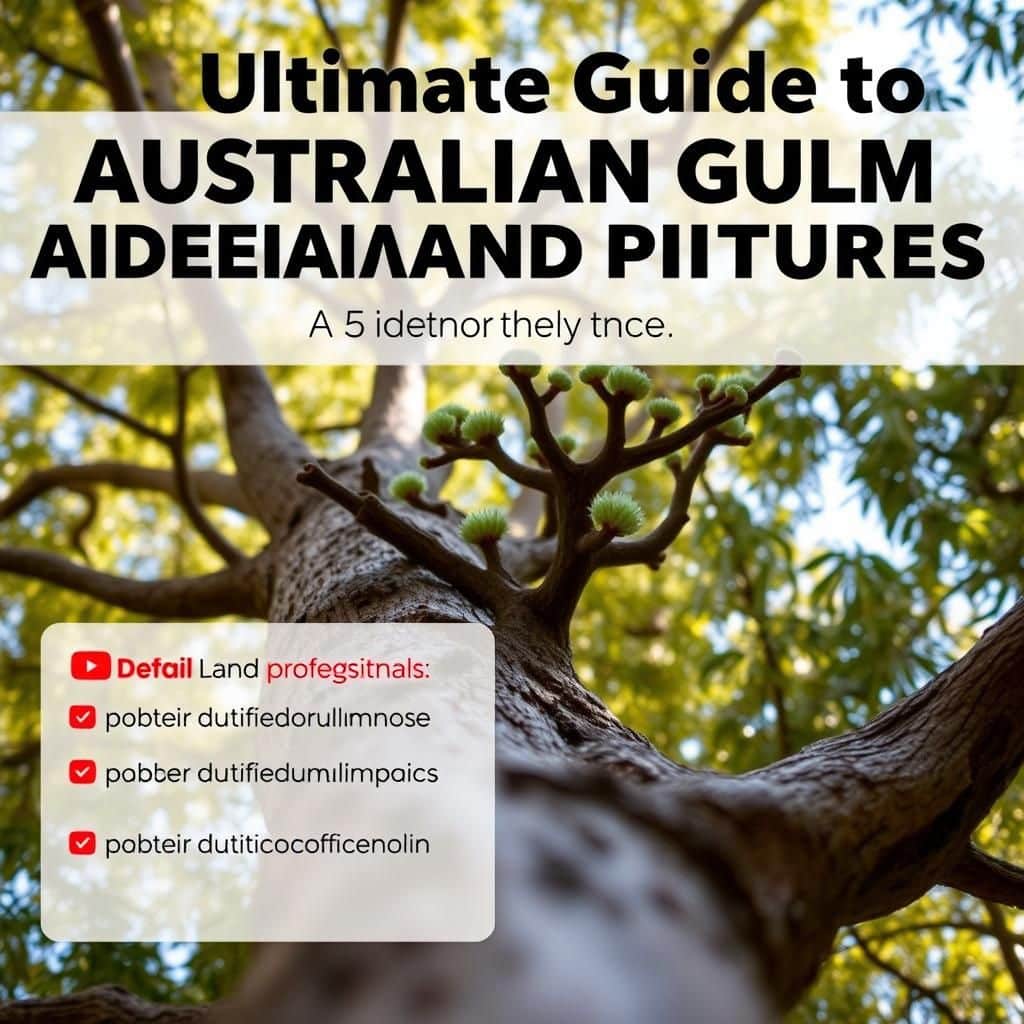
Australia is home to an incredible diversity of flora, with gum trees, or eucalyptus, standing out as some of the most iconic species. This ultimate guide to Australian gum trees identification will equip you with essential tips and visuals to help you recognize and appreciate these magnificent trees. From their distinct leaves and bark to their varied shapes and sizes, identifying gum trees can be both rewarding and educational. Whether you’re an avid nature lover, a student, or a curious traveler, this guide will enhance your understanding of these remarkable trees and their importance in Australia’s unique ecosystem.
Identifying Australian Gum Trees: A Visual Guide
Australian gum trees, or Eucalyptus, are a diverse group of trees native to Australia, known for their striking bark, aromatic leaves, and unique flowering patterns. To accurately identify these species, it's essential to consider various characteristics such as leaf shape, bark texture, and flower color. Pictures can aid significantly in this process, showcasing the distinctive features of each gum tree species, from the smooth, shedding bark of the White Gum to the rugged, fibrous texture of the Stringybark. By studying high-quality images alongside the morphological traits, one can develop a clearer understanding and appreciation of these remarkable trees and confidently identify them in their natural habitat.
Key Characteristics of Gum Trees
Gum trees exhibit a range of physical features that are pivotal for identification. One major characteristic is the leaf morphology, which can vary from narrow, lanceolate leaves to broader, ovate shapes. The bark is another distinguishing feature, where species like the Red Gum present smooth, colored surfaces, while others may have thick, fibrous bark that peels away in ribbons. Understanding these key traits allows for a more accurate identification process.
Common Species of Australian Gum Trees
Among the most recognized species of Australian gum trees are the Eucalyptus globulus (Blue Gum), Eucalyptus camaldulensis (River Red Gum), and Eucalyptus tereticornis (Forest Red Gum). Each species presents unique aspects; for instance, the Blue Gum is notable for its tall stature and aromatic foliage, while the River Red Gum thrives along riparian zones, showcasing its adaptability. Recognizing these species helps in understanding their ecological roles and uses, ranging from timber production to habitat for wildlife.
Importance of Bark Texture in Identification
Bark texture plays a crucial role in differentiating gum tree species. Some trees, like the Stringybark, have fibrous and deeply furrowed bark, providing shelter for various organisms, while others, such as the Peppermint Gum, feature a more smooth, often mottled appearance that changes with age. Observing the condition and texture of bark can greatly enhance identification accuracy, serving as a visual cue for tree enthusiasts and botanists alike.
Leaf Shapes and Their Significance
The shape and size of gum tree leaves are vital for identification, with differing species presenting distinct leaf characteristics. For example, juvenile leaves of many Eucalyptus species are often rounded or heart-shaped, while adult leaves can be long and slender. The arrangement of leaves on the stem, whether alternate or opposite, also contributes to proper species identification, making it essential to observe these traits closely.
Flowering Patterns and Seasonal Changes
Eucalyptus trees are renowned for their eye-catching flowers, which bloom in various colors, including white, yellow, red, and purple. The flowering patterns also aid in identification; for instance, the Golden Flowering Gum is celebrated for its vibrant yellow blooms, while others may have large clusters of white or cream flowers. Seasonal changes significantly affect the appearance of these flowers, which can vary dramatically throughout the year, further enhancing the identification process.
| Feature | Description |
|---|---|
| Leaf | Varies in shape and size, crucial for identification. |
| Bark | Characteristics range from smooth to fibrous, distinctive for species. |
| Flowers | Blooms in various colors and sizes, pivotal for seasonal identification. |
| Species | Various species, each with unique traits and ecological roles. |
| Habitat | Adaptation to varying environments, significant for ecological study. |
Are Eucalyptus and gum tree the same?
:max_bytes(150000):strip_icc()/twelve-species-of-gum-trees-3269664-hero-a9507d40430f4291a196460fe66d354f.jpg)
Eucalyptus and gum trees are often thought to be the same due to their shared characteristics, but the terms refer to specific classifications. Eucalyptus refers to a genus of trees and shrubs in the family Myrtaceae, which includes over 700 species. On the other hand, the term gum tree is commonly associated with specific species within the Eucalyptus genus, particularly those that produce a resin known as gum. Thus, while all gum trees are eucalyptus, not all eucalyptus trees can be classified strictly as gum trees.
Differences in Classification
The classification of eucalyptus and gum trees reveals important distinctions that are crucial for understanding their biology and ecology. The genus Eucalyptus encompasses a wide range of species, many of which may not produce gum or exhibit the characteristics typically associated with gum trees.
- Eucalyptus Genus: Includes numerous species often found in Australia and surrounding areas.
- Gum Tree Definition: Generally refers to species that produce a significant amount of gum or resin.
- Taxonomic Hierarchy: All gum trees are classified under the Eucalyptus genus, but not all Eucalyptus trees are gum trees.
Geographic Distribution
Geographic distribution plays a significant role in understanding the prevalence of eucalyptus and gum trees. Most eucalyptus species are native to Australia, but they have been introduced to other parts of the world due to their fast growth and adaptability.
- Native Range: Most eucalyptus species originate from Australia and nearby islands.
- Global Spread: Eucalyptus trees have been planted worldwide, including in Asia, Europe, and the Americas.
- Environmental Adaptability: They thrive in various climates, making them popular for reforestation projects.
Economic Importance
The economic importance of eucalyptus and gum trees cannot be understated. They are widely planted for various purposes, including timber production, oil extraction, and as ornamental trees.
- Timber Production: Eucalyptus wood is valued for its strength and durability.
- Essential Oils: Many eucalyptus species are harvested for their aromatic oils, commonly used in cosmetics and medicinal products.
- Environmental Uses: Eucalyptus trees play a role in preventing soil erosion and improving biodiversity.
Ecological Role
Eucalyptus and gum trees serve significant ecological roles in their native habitats. They provide critical support to the local ecosystems and contribute to biodiversity.
See also:
- Wildlife Habitat: Eucalyptus trees serve as habitats for various species, including koalas, birds, and insects.
- Pollinator Species: Many eucalyptus trees bloom profusely, attracting a wide range of pollinators.
- Soil Health: Eucalyptus roots can help improve soil structure and nutrient cycling.
Environmental Concerns
While eucalyptus and gum trees offer numerous benefits, there are also environmental concerns associated with their cultivation. Their fast growth can lead to challenges if not managed properly.
- Invasive Species: In some regions, eucalyptus can become invasive and outcompete native flora.
- Water Usage: Eucalyptus trees are known for their high water consumption, which can impact local water resources.
- Fire Hazard: Certain eucalyptus species contain oils that increase flammability, raising fire risk in dry climates.
What is the most common gum tree in Australia?
:max_bytes(150000):strip_icc()/lemon-scented-gums-at-parramatta-park-951313170-9224fb83c5244e7eac5c52152141a351.jpg)
The most common gum tree in Australia is the Eucalyptus camaldulensis, commonly known as the river red gum. This species is widely distributed across the continent, particularly along rivers and floodplains. It can grow up to 45 meters tall and is characterized by its distinctive thick, fibrous bark and broad, green leaves. River red gums are not only significant for their ecological contributions but also have historical importance for Indigenous Australians who have utilized them for various purposes, including food and shelter.
Habitat and Distribution
The river red gum is predominantly found in riparian zones, which are the interfaces between land and a river or stream. They thrive in areas that experience seasonal flooding, which provides them with the moisture necessary for growth. The distribution of Eucalyptus camaldulensis includes:
- Mainly along the Murray-Darling River System.
- Common throughout southern and eastern Australia.
- Occasionally found in semi-arid regions where water is available.
Ecological Importance
Eucalyptus camaldulensis plays a crucial role in the Australian ecosystem. It provides habitat and food for various wildlife, contributing to biodiversity. Key ecological aspects include:
- Supports many species of birds, including parrots and honeyeaters.
- Provides habitat for koalas and other arboreal animals.
- Helps in stabilizing river banks, reducing erosion.
Cultural Significance
The river red gum holds significant cultural value for Indigenous Australians. They have utilized this tree for countless generations. The cultural significance includes:
- Traditional uses for food, such as the seeds of the gum tree.
- Crafting of tools and shelters from its wood.
- Spiritual connections and symbols in dreamtime stories.
Uses and Benefits
The river red gum is not only ecologically important but also economically valuable. The uses and benefits encompassed are:
- Wood harvested for construction and furnishings.
- Management of flood mitigation in riparian zones.
- Use in landscaping and ornamental purposes due to its beauty.
Conservation Status
While the river red gum is common, certain populations are threatened by environmental changes. The conservation status is critical due to:
- Habitat loss from urban development and agriculture.
- Changes in water management practices affecting growth.
- Invasive species affecting their natural regeneration.
How to identify a gumtree?
:max_bytes(150000):strip_icc()/windbreak-curve-473443890-e02041dc246a40c0a78873539a5c352f.jpg)
To identify a gumtree, one must familiarize themselves with several key characteristics that make this species distinctive. The term gumtree is often used to refer to various members of the Eucalyptus genus, which is known for its aromatic leaves and unique bark. Below is a detailed guide to help in identifying a gumtree, along with relevant subheadings that delve deeper into the identification process.
Physical Characteristics
To effectively identify a gumtree, you should first examine its physical characteristics. These features can vary between species, but some common elements include:
- Leaves: Gumtree leaves are typically long, narrow, and lance-shaped, with a glossy upper surface and a paler underside.
- Bark: The bark of gumtrees can be smooth and shedding in some species, while others have a rougher, fibrous texture. Coloration may range from grey to brown or even white.
- Height and Form: Gumtrees can grow to significant heights, often reaching over 30 meters, and they usually have a straight trunk with a conical or rounded canopy.
Flowers and Fruits
Observing the flowers and fruits of a gumtree is another effective way to identify it. The unique flowering attributes provide key identification markers:
- Flower Clusters: Gumtrees produce clusters of flowers that are often white, yellow, or red, with noticeable stamens that create a fluffy appearance.
- Fruit: The fruit of a gumtree, known as a capsule, is woody and contains seeds. The shape can range from spherical to elongated.
- Blooming Season: Species of gumtree will have different blooming seasons, typically spring or summer, so it's essential to consider the time of year.
Location and Habitat
Understanding the natural habitat of a gumtree can also aid in identification. These trees are primarily found in Australia but have been introduced to other regions as well.
See also:
- Native Range: Most gumtrees are native to Australia, thriving in diverse environments from coastal areas to arid outback regions.
- Soil Conditions: They generally prefer well-draining soils and can adapt to a variety of soil types, but they tend to flourish in sandy or loamy conditions.
- Environmental Influence: Climate plays a significant role; some species prefer temperate zones while others are adapted to drier areas.
Odor and Sap Characteristics
Another unique aspect of gumtrees is their odor and sap, which can be utilized for further identification.
- Aromatic Leaves: When crushed, the leaves of a gumtree emit a distinct eucalyptus aroma, which is a defining feature of many species.
- Gum Exudate: Some species produce a sticky resin known as gum, which can be found oozing from the bark wounds.
- Scent Variation: Different species may have varying intensities of scent, which can also help in identification.
Common Species Identification
Finally, being aware of the common gumtree species can simplify the identification process. Each species has its unique set of traits.
- Silver Birch Gum (Eucalyptus caesia): Recognizable by its silvery bark and slender foliage, typically found in arid regions.
- Blue Gum (Eucalyptus globulus): Known for its tall stature and aromatic leaves, primarily grown in Tasmania and southern Australia.
- Ironbark (Eucalyptus crebra): Features a hard, dark bark and is highly valued for its timber, often found in eastern Australia.
What is the difference between Eucalyptus grandis and saligna?

Eucalyptus grandis and Eucalyptus saligna are both species of eucalyptus trees, but they exhibit distinct differences in several aspects including their morphology, habitat preferences, growth characteristics, and uses.
Taxonomical Classification
Eucalyptus grandis, commonly known as the flood eucalyptus or rose gum, belongs to the Myrtaceae family and is native to eastern Australia. In contrast, Eucalyptus saligna, known as the Sydney blue gum, also falls under the Myrtaceae family and is predominantly found in Australia, especially in New South Wales. Despite being in the same genus, they have evolved in different environments which influences their distinct characteristics.
- Eucalyptus grandis: Primarily found in regions with high rainfall.
- Eucalyptus saligna: Thrives in coastal environments with temperate climates.
- Both species are important for ecological balance in their respective habitats.
Morphological Differences
Morphologically, Eucalyptus grandis typically grows taller than Eucalyptus saligna; the former can reach heights of up to 60 meters, while the latter usually maxes out around 50 meters. The leaves of Eucalyptus grandis are broader and have a distinctive glossy appearance compared to the narrower and darker leaves of Eucalyptus saligna.
- Eucalyptus grandis: Wider, lanceolate leaves with a lighter green hue.
- Eucalyptus saligna: Narrower, elongated leaves that are darker in color.
- Differences in bark texture, with grandis having a smoother bark compared to saligna's more fibrous texture.
Growth Conditions and Adaptability
Eucalyptus grandis is known for its adaptability to various soil types but prefers well-drained soils and moist habitats. Eucalyptus saligna, however, tends to thrive in more specific conditions, often favoring sandy and loamy soils with good drainage. This adaptability makes Eucalyptus grandis more versatile in cultivation.
- Eucalyptus grandis: Can tolerate a wider range of environmental conditions.
- Eucalyptus saligna: Prefers specific soils and conditions for optimal growth.
- Grandis is often used for reforestation in a variety of ecosystems.
Uses in Wood and Timber Industry
Both species are valued in the timber industry, but they serve slightly different purposes. Eucalyptus grandis is appreciated for its high-quality timber used in furniture and flooring due to its durability and workability. Eucalyptus saligna, on the other hand, is often used for structural applications like heavy framing and construction due to its strength.
- Eucalyptus grandis: Ideal for fine furniture and flooring.
- Eucalyptus saligna: Commonly used in heavy construction due to durability.
- Both species are also utilized in paper production and fuelwood.
Ecological Importance
Both Eucalyptus grandis and Eucalyptus saligna play critical roles in their native ecosystems. They provide habitat for various species of birds and insects, and their leaves serve as food for koalas. However, Eucalyptus grandis is often considered more beneficial for reforestation projects due to its rapid growth rates and ability to improve soil quality.
- Eucalyptus grandis: Fast-growing, making it suitable for restoration projects.
- Eucalyptus saligna: Important for maintaining local biodiversity.
- Both species contribute to carbon sequestration efforts.
Questions from Our Readers
What are the main characteristics to identify Australian gum trees?
Identifying Australian gum trees involves observing key features such as leaf shape, bark texture, and flower appearance. Most gum trees, or Eucalyptus, display narrow, elongated leaves that can vary in color. The bark can be smooth, striped, or peeling depending on the species, and their flowers typically form clusters, producing distinctive colors that can aid in identification.
Where can I find pictures of Australian gum trees for identification purposes?
You can find pictures of Australian gum trees on various online platforms, including botanical websites, nature photography sites, and plant identification apps. Many of these sources offer high-quality images along with detailed descriptions that help in recognizing different species of gum trees in Australia.
Are there any online resources for identifying Australian gum trees?
Yes, there are several online resources available for identifying Australian gum trees, such as government forestry websites, university botany departments, and specialized plant identification forums. These resources often provide detailed information on various species, including images, habitat details, and characteristics to look for when identifying these trees.
Can I use a smartphone app for identifying Australian gum trees?
Absolutely, there are smartphone apps designed specifically for plant identification, including Australian gum trees. These apps often allow users to take a picture of the tree, and they use image recognition technology to match it with their database, providing immediate identification and helpful details about the species.
See also:

If you want to read more articles like Ultimate Guide to Australian Gum Trees Identification Pictures: Tips and Visuals, we recommend you check out our Landscaping category.
Leave a Reply
Related Articles