What is the best time of year to buy seeds? Essential Tips for Savvy Gardeners
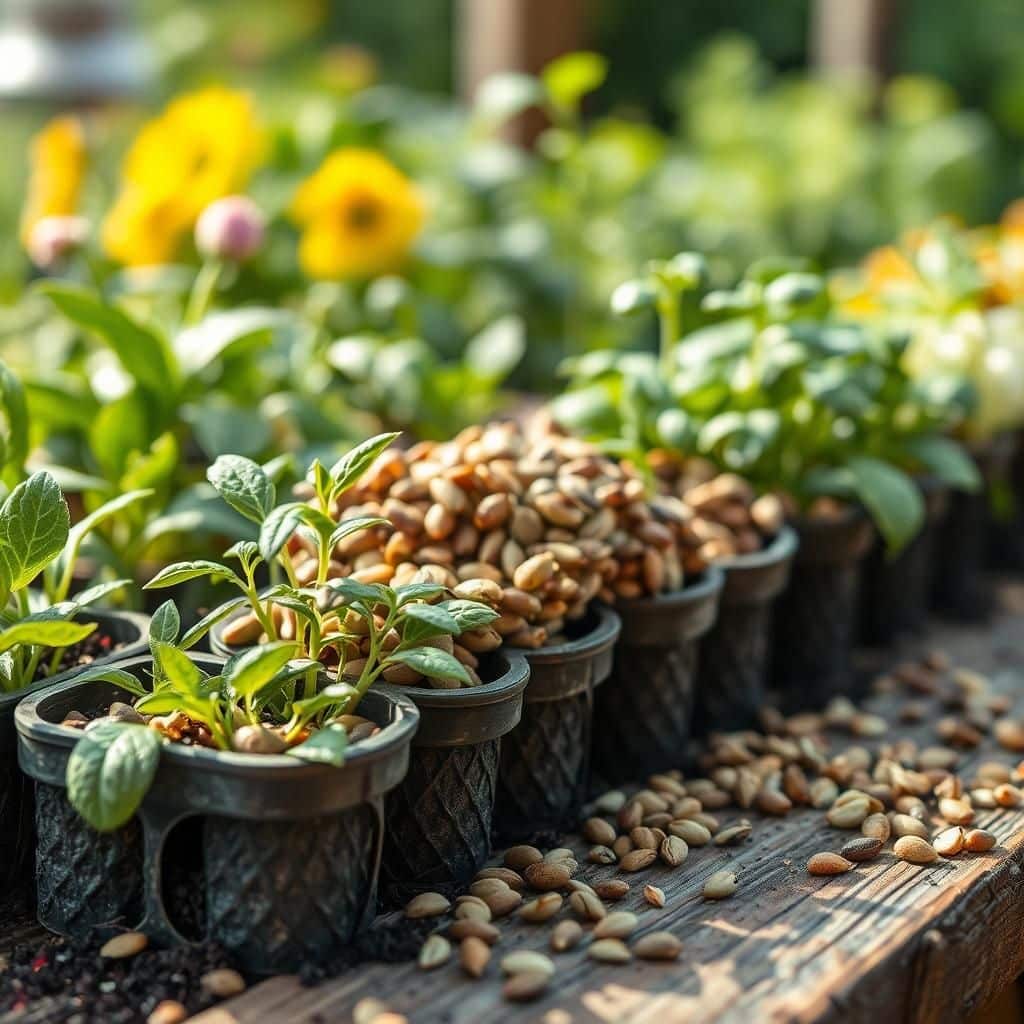
Timing is crucial when it comes to gardening, especially when purchasing seeds. With a plethora of options available throughout the year, savvy gardeners know that understanding the best time to buy seeds can significantly affect their garden's success. From seasonal sales to optimal planting times, this guide will explore the essential tips for seasoned and novice gardeners alike. Whether you aim to grow vibrant flowers, fresh vegetables, or unique herbs, knowing when to invest in seeds can help you maximize your garden's potential while also saving you money. Get ready to cultivate your green thumb with the right timing!
What is the Best Time of Year to Buy Seeds?
Buying seeds at the right time of year can significantly impact your gardening success. Typically, the best time to purchase seeds is during the late winter to early spring months, specifically from January to March. This timing allows you to get a head start on your planting season, as many seeds require indoor germination or specific temperature conditions before they can be sown outside. Additionally, by buying seeds early, you can ensure a wider selection, as many popular varieties tend to sell out as the planting season approaches. Keep in mind that certain seeds, like those for fall crops, may be best purchased in the summer, so understanding the specific needs of your garden can help optimize your seed-buying strategy.
Understanding Seasonal Planting Cycles
Seasonal planting cycles dictate when specific types of seeds should be purchased for optimal growth. For instance, cool-season crops like lettuce and peas thrive when planted in early spring, while warm-season crops such as tomatoes and peppers need to be started later in the spring. Understanding these cycles helps gardeners align their seed purchases with the appropriate planting time, ensuring stronger germination rates and better yield.
Benefits of Buying Seeds Early
Purchasing seeds early in the year provides several benefits, including access to a broader variety of seed types and the ability to plan your garden layout in advance. Many garden centers and online retailers offer promotions and exclusive selections during the off-season, which can save you money and provide unique growing options. Additionally, buying seeds early bolsters your chances of acquiring popular or heirloom varieties that may sell out closer to planting time.
Best Seed Varieties for Each Season
Knowing which seed varieties to buy for each season can enhance gardening efforts remarkably. Early spring is perfect for seeds like radishes, spinach, and carrots, while mid-spring marks the ideal time for planting cucumbers, pumpkins, and squash. In late summer, consider purchasing seeds for fall crops such as broccoli or kale, which can survive cooler temperatures. This strategic purchasing ensures a continuous supply of fresh produce throughout the growing season.
See also:
Where to Buy Quality Seeds
Choosing the right source for your seeds is crucial for garden success. Local garden centers often provide seeds that are adapted to your specific climate and soil conditions, while online retailers offer a much wider selection of seeds, including hard-to-find heirloom varieties. Always look for reputable sources that provide details on the germination rates and planting guidelines to ensure you are getting quality seeds that will thrive in your garden.
Timing and Storage of Seeds
Proper timing and storage of seeds are crucial for maintaining their viability. Once seeds are purchased, they should be stored in a cool, dry place, ideally in sealed containers to protect them from moisture and pests. It's important to check the expiration dates on seed packets, as most seeds remain viable for a few years. Understanding how to store seeds until the right planting time can improve your gardening success, ensuring that they germinate effectively when the season arrives.
| Seeds | Best Purchase Time | Best Planting Time |
|---|---|---|
| Radishes | January - March | Early Spring |
| Tomatoes | January - March | Late Spring |
| Cucumbers | March - April | Mid Spring |
| Broccoli | June - July | Late Summer |
| Kale | July - August | Late Summer |
Understanding Seasonal Trends for Seed Purchasing
Purchasing seeds at the right time can significantly affect the success of your garden. Generally, the best time to buy seeds is during the late winter to early spring months, as this is when most gardening enthusiasts are planning their gardens for the upcoming growing season. However, savvy gardeners should also consider factors such as climate, local planting schedules, and seed availability from various suppliers. Buying early allows for a greater selection and ensures that you secure the most desirable seed varieties before they sell out, allowing you to plan your garden efficiently and minimize any potential delays in planting.
Why Timing Matters for Seed Purchases
Timing is crucial when it comes to buying seeds, as the right time can mean the difference between a bountiful harvest and disappointment. Different vegetables and flowers have specific growing seasons, and understanding these cycles enables gardeners to purchase seeds when they are most likely to thrive. Additionally, purchasing seeds ahead of time ensures that you have ample opportunity to acclimate them to your local climate and prepare your soil, thus increasing the chances of a healthy garden.
Identifying Your Local Climate Zone
Understanding your local climate zone is essential for determining the best time to buy seeds. Different regions experience varying weather conditions and have distinct growing seasons, which affect when certain plants can flourish. Knowing your zone helps you choose seeds suitable for your area, ensuring you buy them when they are meant to be planted, leading to a more successful gardening experience.
See also:
Benefits of Early Seed Purchasing
Buying seeds early in the season has several advantages, including access to a broader range of varieties. When you buy early, you’re more likely to find rare or unique seeds that may run out later in the season. Early purchasing also gives you the opportunity to start your seeds indoors, facilitating a longer growing period and potentially allowing your plants to yield earlier. This proactive approach provides you with a head start compared to those who wait until the last minute.
Seasonal Sales and Discounts
Many gardening suppliers offer seasonal sales or discounts on seeds during specific times of the year. By keeping an eye on these promotions, gardeners can save money and expand their collections. Shopping during off-peak times also allows you to take advantage of price reductions as stores look to clear their inventory before the new season begins. This strategy not only benefits your wallet but also gives you the chance to experiment with new seeds.
Utilizing Online Resources and Local Experts
Leverage online resources and local gardening experts to determine the optimal times for seed purchasing in your area. Many gardening websites provide region-specific advice based on climate and soil conditions, while local gardening groups can also offer insights from experienced gardeners in your community. Taking advantage of these resources helps you stay informed and can lead to better timing and selection when it comes to buying seeds for your garden.
Questions from Our Readers
What is the best time of year to buy seeds?
The best time of year to buy seeds typically depends on your location and the types of plants you wish to grow. However, many gardeners find that purchasing seeds during the early spring season allows them to take advantage of the growing season ahead. Additionally, some gardeners may opt to buy seeds in the fall during sales or end-of-season clearances.
Is there an advantage to buying seeds in bulk?
Buying seeds in bulk can offer several advantages, including cost savings and a wider selection of varieties. By purchasing larger quantities, gardeners can often reduce the price per seed, making it more economical for larger planting projects. Furthermore, buying in bulk also ensures that you have a sufficient supply for future seasons.
See also:
Can I save seeds from my garden for next year?
Yes, saving seeds from your garden is a great way to ensure you have a ready supply for next year. Many plants allow for seed saving, and by doing so, you can preserve specific traits of your favorite varieties. Just be sure to properly dry and store your seeds in a cool, dark place to maintain their viability.
Are there specific types of seeds to buy at different times?
Indeed, there are specific types of seeds that are best to buy at different times of the year. For instance, cool-season crops like lettuce and peas are ideal for early spring, while warm-season crops such as tomatoes and peppers should be purchased as the last frost date approaches. Understanding the seasonal requirements of your chosen plants will help you buy the correct seeds at the right time.

If you want to read more articles like What is the best time of year to buy seeds? Essential Tips for Savvy Gardeners, we recommend you check out our Seeds category.
Leave a Reply
Related Articles