How Many Sprinklers Can I Run Off One Zone? Essential Guide to Lawn Irrigation Efficiency
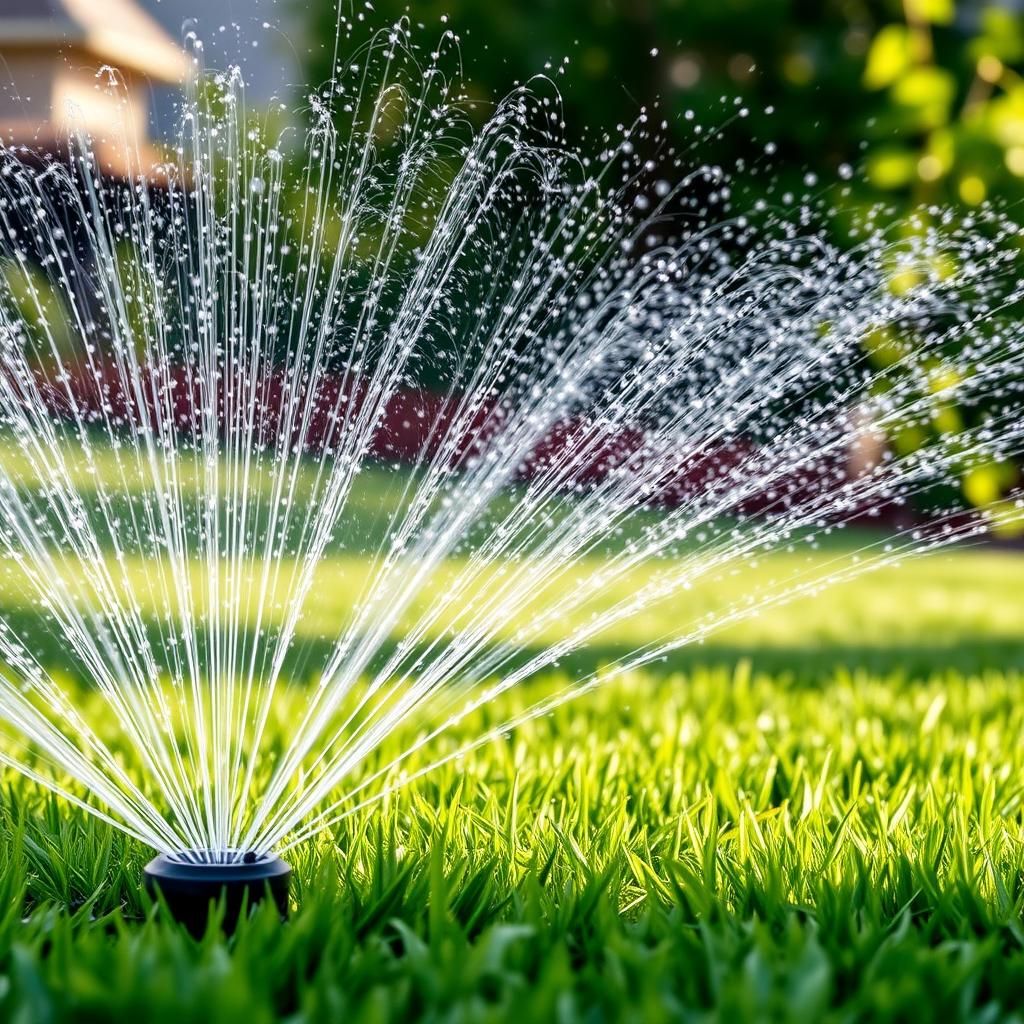
Efficient lawn irrigation is crucial for maintaining a healthy and vibrant yard, but many homeowners wonder how to maximize their sprinkler systems. One common question is, How many sprinklers can I run off one zone? Understanding the limitations and capabilities of your irrigation setup is essential for achieving optimal water distribution and conserving resources. This guide will explore factors such as water pressure, sprinkler type, and coverage area, providing you with the knowledge needed to make informed decisions about your lawn care. By following these principles, you can enhance your irrigation efficiency and ensure your landscape thrives all season long.
How Many Sprinklers Can I Run Off One Zone?
The number of sprinklers you can run off one zone depends significantly on the water pressure and flow rate available in your irrigation system. Generally, if you have a standard residential irrigation system, each sprinkler head typically requires about 1 to 2 gallons per minute (GPM) to function effectively. Therefore, if your system provides a flow rate of 10 GPM, you could ideally run between 5 to 10 sprinkler heads per zone. However, to avoid reduced performance or damage, it is essential to calculate the total flow needs for all sprinklers and ensure that the system can adequately handle the water distribution without creating excessive pressure loss.
Understanding Water Pressure
Water pressure is a crucial factor that determines how many sprinklers can be operated simultaneously on one zone. Typically measured in pounds per square inch (PSI), sufficient water pressure is necessary to ensure all heads operate effectively. Most residential systems require a minimum pressure of 30 PSI, with optimal performance at around 40-60 PSI. If the pressure is too low, not all sprinklers will operate properly, leading to uneven irrigation.
Flow Rate Considerations
The flow rate of your irrigation system is essential because it dictates the total volume of water available for distribution through the sprinklers. This is measured in gallons per minute (GPM). Each sprinkler head's flow rate can vary, generally falling between 1 to 2 GPM. By calculating the total GPM required for all your sprinklers, you can determine if your system's flow rate can support the desired number of zones.
Types of Sprinkler Heads
Different types of sprinkler heads have varying flow specifications, which impacts how many can be run on a single zone. For instance, traditional fixed spray heads typically use 1-3 GPM, while rotary or large area sprinklers can use 2-5 GPM or more. Selecting the right type of head for your watering needs will influence the total amount you can fit into one zone.
Zone Design and Layout
The design and layout of your sprinkler system can also affect how many sprinklers can be effectively run off one zone. If you have a well-planned layout that minimizes distances between sprinkler heads and manageable areas, it’s possible to maximize coverage. Conversely, having too many heads spread too far apart can lead to inadequate distribution and dry spots in your landscape.
Calculating Your System's Capacity
To accurately assess how many sprinklers can be accommodated in one zone, you can perform a simple calculation. First, identify the total flow rate of your water source in GPM. Next, determine the GPM required for each type of sprinkler head you plan to use. Then, divide the total flow rate by the individual sprinkler's GPM requirement to find out how many can effectively operate in one zone without compromising performance.
| Sprinkler Type | Flow Rate (GPM) | Typical Number per Zone |
|---|---|---|
| Fixed Spray Head | 1-3 | 3-10 |
| Rotary Head | 2-5 | 2-5 |
| Drip Irrigation | 0.5-2 | 10-20 |
| Large Area Sprinkler | 3-7 | 1-3 |
What is the 3x rule for sprinklers?
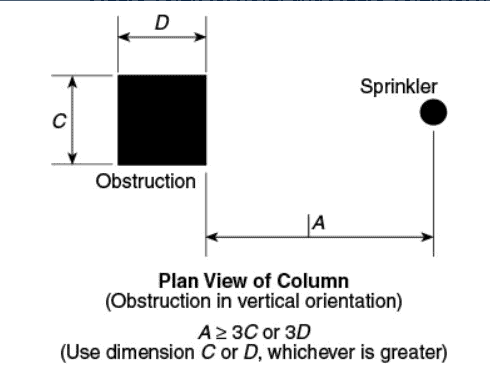

The 3x rule for sprinklers is a guideline used to determine the appropriate placement and spacing of sprinkler heads to ensure optimal water coverage and efficiency in irrigation systems. This rule states that the distance between sprinkler heads should ideally not exceed three times the radius of the sprinkler's spray pattern. By adhering to this rule, users can achieve uniform water distribution, reduce water waste, and enhance the overall effectiveness of their irrigation systems.
The Importance of Proper Sprinkler Spacing
Proper sprinkler spacing is crucial for ensuring that water reaches all necessary areas without overlap or gaps. Good spacing can lead to significant benefits:
- Reduced Water Waste: Ensures that water is applied only where needed.
- Uniform Coverage: Helps prevent sections of the garden from becoming over or under-watered.
- Improved Plant Health: Ensures that all plants receive sufficient moisture for optimal growth.
How to Calculate Sprinkler Head Radius
Understanding how to calculate the radius of a sprinkler head is essential for applying the 3x rule. The radius is measured from the sprinkler head to the furthest point of water coverage, typically when tested under certain pressure conditions. Steps to calculate this include:
- Perform a Test: Turn on the system and measure the distance from the sprinkler to the edge of the spray.
- Document the Measurement: Make a note of the distance to determine the effective radius.
- Adjust for Pressure: Remember that different pressures can affect the radius, so calculate based on the pressure your system primarily operates.
Common Mistakes When Implementing the 3x Rule
While the 3x rule is a beneficial guideline, there are common mistakes that users may encounter when applying it:
- Ineffective Measurements: Not measuring the spray radius accurately can lead to improper spacing.
- Ignoring Terrain Variations: Vegetation or other obstructions may alter water distribution, necessitating adjustments to spacing.
- Underestimating Wind Effects: Wind can affect the distance water travels, making it necessary to consider wind conditions when planning sprinkler placement.
Benefits of Adhering to the 3x Rule
Following the 3x rule leads to numerous advantages in irrigation system performance:
- Enhanced Efficiency: Maximizes water usage efficiency by ensuring coverage is consistent and effective.
- Easier Maintenance: Reduces the need for frequent adjustments and recalibrations of sprinkler systems.
- Cost-Effective: Helps in reducing water bills by minimizing excess usage through inefficient spacing.
Adjustments Based on Specific Needs
The 3x rule can be adjusted based on specific landscape needs or sprinkler types. Factors influencing adjustments include:
- Type of Vegetation: Different plants have varying water requirements that may necessitate closer or wider spacing.
- Type of Soil: Soil absorption rates can affect the distribution of water, which might alter the ideal spacing.
- Climate Considerations: Areas with high evaporation rates may require adjustments for optimal watering efficiency.
How much can one sprinkler zone cover?
To determine how much one sprinkler zone can cover, several factors must be considered, including the type of sprinkler being used, the water pressure available, the spacing of the sprinkler heads, and the specific application needs of the landscape. Generally, one typical sprinkler zone can cover an area ranging from approximately 1,000 to 3,000 square feet. Below are detailed explanations regarding various aspects that influence the coverage of a single sprinkler zone.
See also:
Factors Affecting Coverage Area
The coverage area of a sprinkler zone can vary significantly depending on multiple factors:
- Type of Sprinkler Head: Different sprinkler heads have varying capabilities to spray water over distances, from stationary to rotating heads.
- Water Pressure: Higher water pressure allows sprinkler heads to spray water further, thus covering a larger area.
- Sprinkler Spacing: Proper spacing between sprinkler heads is crucial to ensure overlapping coverage without missing spots.
Types of Sprinkler Heads
Different types of sprinkler heads can drastically influence the area covered by a single zone:
- Fixed Spray Heads: Typically cover a small area, suitable for small gardens or flower beds.
- Rotary Sprinklers: Often cover larger areas and are adjustable, making them versatile for different landscapes.
- Turf Sprinklers: Designed specifically for lawns and can cover wide areas effectively with proper positioning.
Optimal Water Pressure
The water pressure in your irrigation system plays a vital role in determining coverage:
- Low Pressure: Reduces the radius of water distribution, leading to smaller coverage areas.
- Optimal Pressure: Ensures that sprinklers perform at their best, maximizing coverage.
- High Pressure: Can lead to misting rather than effective watering, reducing effective coverage.
Sprinkler Spacing Considerations
Proper spacing between each sprinkler head is essential for achieving uniform water distribution:
- Overlap: Sprinklers should be spaced to provide overlapping coverage to prevent dry spots.
- Distance: The distance between heads usually depends on the spray pattern and type of head.
- Installation Angles: Adjusting the angle of installation can affect the effective coverage area.
Different Landscapes and Applications
The landscape type can significantly impact how much a sprinkler zone will cover:
- Lawn Areas: Generally prefer rotary sprinklers that cover large areas effectively.
- Flower Beds: Benefit from drip irrigation or fixed spray heads for precise watering.
- Sloped Areas: May require different sprinkler designs to ensure even coverage due to gravity effects.
Questions from Our Readers
How many sprinklers can I run off one zone?
You can typically run between 4 to 12 sprinklers on one zone, depending on the water pressure, flow rate, and the type of sprinkler heads used. It's essential to calculate the total flow demand of the sprinklers to ensure they operate efficiently without causing low pressure.
What factors influence the number of sprinklers per zone?
The number of sprinklers you can run on a single zone is influenced by several factors including water pressure, pipe diameter, sprinkler type, and the spacing of the sprinklers. Ensuring each sprinkler receives adequate water will help maintain an even distribution of irrigation.
Can I exceed the recommended number of sprinklers in one zone?
Exceeding the recommended number of sprinklers can lead to low water pressure and can negatively affect the performance of your irrigation system. It's crucial to stay within the recommended limits to maintain efficiency and achieve optimal coverage.
See also:
What should I do if I need more sprinklers?
If you need more sprinklers, consider splitting your irrigation system into additional zones or upgrading your water supply to ensure sufficient pressure and flow. This approach will help you maintain the efficiency of your irrigation system while accommodating the extra sprinklers.

If you want to read more articles like How Many Sprinklers Can I Run Off One Zone? Essential Guide to Lawn Irrigation Efficiency, we recommend you check out our Irrigation category.
Leave a Reply
Related Articles