Is it Better to Water More Often or Longer? Discover the Best Approach for Healthy Plants
When it comes to maintaining healthy plants, one of the most debated topics among gardeners is the optimal watering strategy. Should you water more frequently in smaller amounts or less often with longer durations? Each approach has its advocates, and understanding the nuances can make a significant difference in plant health and growth. This article delves into the benefits and drawbacks of both methods, providing insights based on plant types, soil conditions, and environmental factors. By uncovering the best watering practices, you can ensure your plants thrive and flourish, fostering a vibrant and thriving garden.
Is it Better to Water More Often or Longer?
When it comes to maintaining a healthy garden or lawn, deciding whether to water more often or for longer periods can significantly impact the health of your plants. The general consensus among horticulturists is that it is usually more beneficial to implement deeper and less frequent watering rather than surface-level, frequent watering. This practice encourages the roots of the plants to grow deeper into the soil, allowing them to access more nutrients and water reserves. Watering for longer durations allows moisture to penetrate deeper into the soil, resulting in healthier plants that are more drought-resistant over time. Additionally, this method reduces the risk of water evaporation and promotes a more stable moisture level that can nourish the roots effectively.
Understanding Plant Water Needs
Different plants have varying water requirements depending on their species, age, and location. Establishing a fundamental understanding of what your specific plants need will help you determine the appropriate watering schedule. For instance, newly-planted seedlings often require more frequent watering until their roots are established, whereas established plants typically thrive with less frequent, deeper watering. By assessing your plants' specific needs, you can better tailor your watering routine to promote healthy growth.
The Impact of Soil Type
The type of soil in your garden plays a crucial role in determining how often and how long you should water. Sandy soils tend to drain quickly and may require more frequent watering as they lose moisture rapidly. In contrast, clay soils retain water much better but may need longer watering sessions to ensure that moisture reaches the root zone effectively. Understanding your soil composition will guide your watering practices to optimize water retention and plant health.
Watering Techniques
The method you use for watering can also influence the effectiveness of either watering approach. Techniques like drip irrigation allow for consistent moisture levels and targeted delivery of water, making it easier to implement longer watering periods rather than more frequent sessions. This not only helps in more efficient water usage but also minimizes the chances of leaf damage from overhead watering methods. Experimenting with different watering techniques may help you find the best balance for your garden.
Climate Considerations
In regions with hot and dry climates, frequent watering may seem necessary; however, adopting longer watering sessions can often be more effective due to the increased evaporation rates typical in such environments. Understanding seasonal weather patterns can help you adjust your watering frequency and duration to optimize water use and promote plant health, particularly during peak heat times in summer.
Signs of Over or Under-Watering
Being attentive to signs of both over-watering and under-watering can inform your scheduling choices. Over-watered plants may display yellowing leaves, wilting, and root rot, while under-watered plants may appear dry, brittle, and stressed. By regularly checking for these signs, you can adjust your watering practices promptly, ensuring a healthier environment for your plants.
| Aspect | Frequent Watering | Longer Watering |
|---|---|---|
| Soil Moisture | Surface level moisture | Deep moisture penetration |
| Root Development | Shallow roots | Deeper roots |
| Water Efficiency | Higher evaporation | Lower evaporation |
| Plant Health | Possible stress | Better resilience |
Is it better to water plants longer or more often?
To determine whether it is better to water plants longer or more often, various factors should be taken into consideration. Different types of plants have unique water needs that depend on their species, growth stage, soil type, and environmental conditions. Here, we will explore the complexities of this question.
Understanding Plant Water Needs
Plants have varying water requirements based on their species and environment. Understanding these needs is crucial in maintaining healthy plants.
See also:
- Species Differences: Some plants, like succulents, require less water, while others, like tropical plants, need more.
- Growth Stage: Young plants may need more frequent watering compared to mature plants that have deeper root systems.
- Environmental Factors: Temperature, humidity, and wind can affect how quickly soil dries out.
Benefits of Watering Longer
Watering for a longer duration can encourage deeper root growth as it allows moisture to penetrate deeper into the soil.
- Root Development: Deeper soil moisture enhances root expansion, promoting healthier plants.
- Soil Nutrient Distribution: Longer watering sessions can help distribute nutrients evenly throughout the soil.
- Reduced Frequency: Longer watering may mean less frequent watering, minimizing disruption and stress to the plant.
Advantages of Watering More Often
Frequent watering can be beneficial in certain conditions, particularly for plants with shallow roots or during hotter weather.
- Surface Moisture: Regular watering ensures that the top layer of soil stays moist, which is essential for shallow-rooted plants.
- Preventing Stress: More frequent watering can prevent plants from experiencing drought stress during hot days.
- Better for Seedlings: Young plants and seedlings can benefit from consistent moisture to promote germination and early growth.
Soil Type Considerations
The type of soil plays a significant role in watering decisions. Different soils retain moisture at different rates and depths.
- Sandy Soil: Drains quickly and may require more frequent watering.
- Clay Soil: Retains moisture and could benefit from longer watering sessions to penetrate the soil.
- Silt and Loam: Balances moisture retention and drainage, allowing for both methods to be effective depending on the conditions.
Weather Conditions and Seasonality
Seasonal changes and weather can greatly influence how often or how long to water plants.
- Heat Waves: In hotter climates, more frequent watering is often necessary to prevent stress.
- Rainfall: Appropriately adjusting your watering schedule post-rain is crucial.
- Winter Months: During colder months, plants typically require less water due to decreased evaporation.
Is it better to drink lots of water at once or throughout the day?
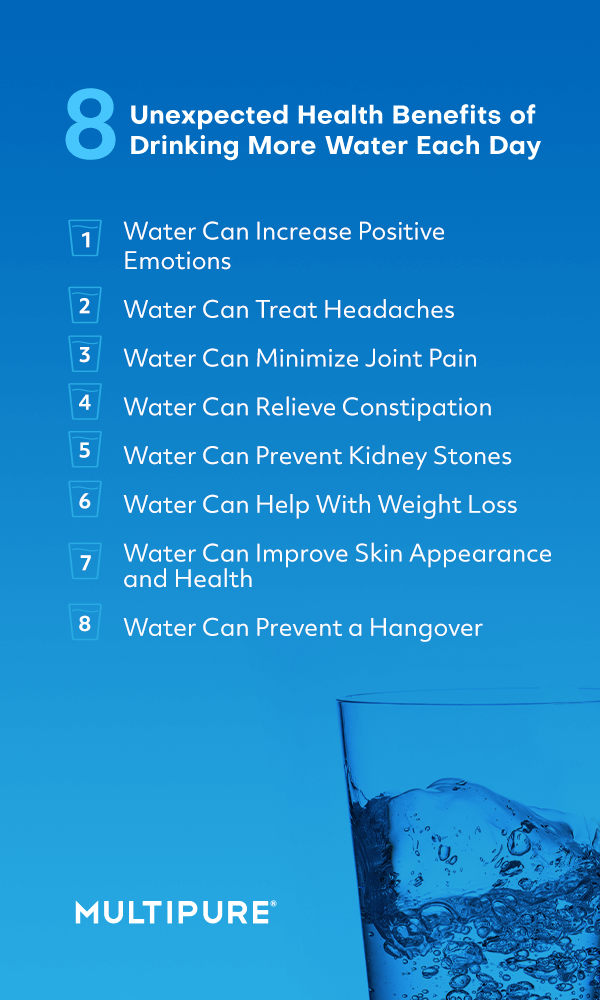
Drinking water is essential for maintaining good health, but there is an ongoing debate about whether it is better to drink large amounts of water at once or to spread water intake throughout the day. While individuals may have their preferences, scientific evidence generally supports the idea of consuming water gradually over time rather than in large quantities in a single sitting.
Benefits of Drinking Water Throughout the Day
Consuming water throughout the day provides numerous health benefits. It helps to keep the body properly hydrated, which can impact overall physical and mental performance. Regular intake ensures that the body can maintain its natural functions effectively.
- Maintaining Hydration: Constantly sipping water aids in maintaining a consistent level of hydration.
- Enhancing Digestion: Drinking water regularly can improve digestive processes and nutrient absorption.
- Regulating Body Temperature: Consistent hydration helps the body to regulate its temperature effectively during physical activities.
Risks of Drinking Large Amounts of Water at Once
Drinking a significant quantity of water in a short period can lead to adverse effects, such as water intoxication or hyponatremia, a condition caused by low levels of sodium in the blood.
- Water Intoxication: Rapid intake of large volumes of water can dilute essential electrolytes in the body.
- Increased Urination: Consuming a lot of water at once may lead to frequent urination, which can be inconvenient.
- Potential Kidney Strain: The kidneys may be overloaded by processing excessive amounts of water rapidly.
Hydration Needs Vary by Individual
Individual hydration needs depend on various factors, including activity level, climate, and health conditions. Understanding personal hydration requirements is crucial for optimizing water intake.
- Activity Level: Individuals who exercise regularly may require more water to stay hydrated.
- Weather Conditions: Hot and humid weather increases perspiration, demanding a higher water intake.
- Health Status: Certain medical conditions may influence fluid requirements and necessitate consultation with a healthcare provider.
How to Monitor Hydration
Monitoring hydration can help ensure that one is drinking enough water throughout the day. There are a few effective methods for keeping track of water intake.
See also:
- Keep a Water Journal: Writing down daily water consumption can help identify patterns and improve accountability.
- Set Reminders: Using smartphone apps or alarms can encourage regular drinking intervals.
- Observe Physiological Signals: Paying attention to thirst cues and urine color can help gauge hydration status.
Tips for Drinking Water Regularly
Incorporating strategies into daily routines can promote consistent water consumption and support better hydration.
- Carry a Water Bottle: Having water accessible encourages frequent sipping rather than gulping.
- Infuse Water: Adding flavors to water, such as fruits or herbs, can make it more enjoyable to drink regularly.
- Pair Drinking with Meals: Having a glass of water with each meal can help integrate hydration into daily eating habits.
What is the most efficient lawn watering schedule?
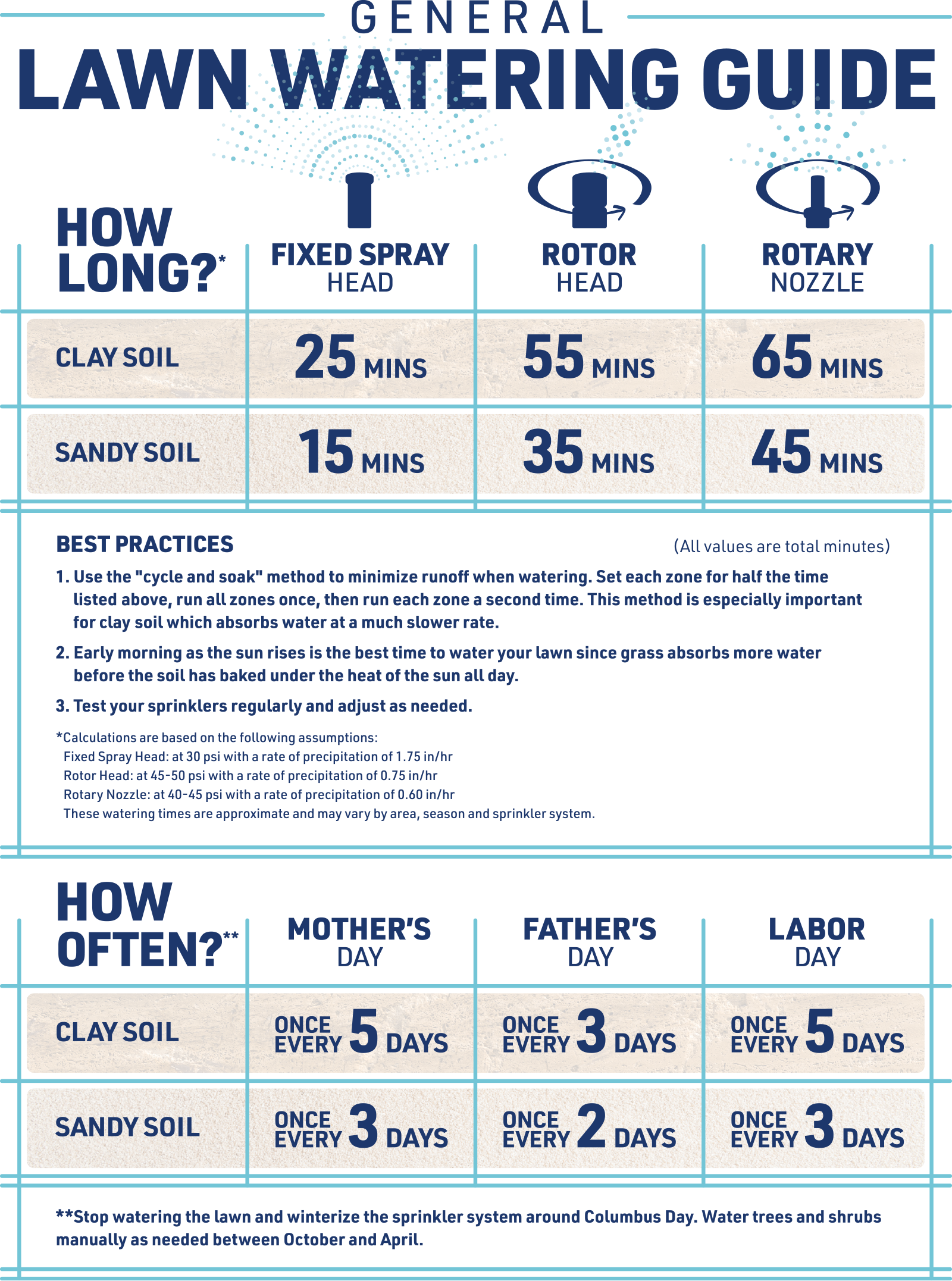
To establish the most efficient lawn watering schedule, several factors must be considered, including local climate, grass type, soil conditions, and time of year. The main goal is to minimize water consumption while ensuring that the lawn remains healthy and vibrant. A smart watering schedule typically involves deep, infrequent watering rather than frequent shallow watering.
Understanding Lawn Watering Needs
The water requirements of a lawn can vary significantly based on the type of grass, the weather, and soil conditions. Understanding these needs is crucial for an efficient watering schedule.
- Grass Type: Different species of grass have different moisture requirements. For example, cool-season grasses generally need more water in the spring and fall, while warm-season grasses thrive in the summer.
- Soil Conditions: Sandy soils drain quickly and may require more frequent watering, whereas clay soils retain moisture longer, necessitating less frequent watering.
- Climate Factors: High temperatures and low humidity levels increase evaporation rates, so lawns in hotter climates might need more water than those in cooler regions.
Optimal Watering Times
The time of day you choose to water can significantly impact efficiency. Watering early in the morning is widely regarded as the best time.
- Morning Hours: Watering from 6 to 10 AM allows grass blades to dry quickly, reducing the risk of diseases.
- Evening Watering: While not ideal, watering in the late afternoon or early evening can work, though it can lead to prolonged moisture on grass blades.
- Avoiding Midday: Watering during the hottest part of the day can lead to excessive evaporation, wasting water and reducing effectiveness.
Frequency of Watering
Establishing how often to water your lawn is key to maintaining optimal moisture levels without over-watering.
- Deep Infrequent Watering: It's generally recommended to water deeply (about 1 to 1.5 inches per session) but less frequently, such as once a week.
- Adjust with Seasons: During hotter months, monitor your lawn and adjust the frequency to every 4-5 days if needed.
- Check Soil Moisture: Use a soil moisture meter or inspect the soil manually to gauge moisture levels and adjust your watering schedule accordingly.
Rainfall Considerations
Incorporating rainfall into your watering schedule can significantly boost efficiency.
- Track Rainfall: Keep a record of how much rain your area has received to adjust your watering schedule appropriately.
- Use Irrigation Systems: Consider using smart irrigation systems that can automatically adjust to account for rainfall.
- Establish a Rain Gauge: A simple rain gauge can help determine if supplemental watering is necessary.
Water Conservation Techniques
Implementing conservation techniques can enhance the efficiency of your watering schedule.
- Mulching: Applying mulch can help retain soil moisture and reduce the need for frequent watering.
- Rain Barrels: Collecting rainwater in barrels can provide an environmentally-friendly water source for your lawn.
- Choose Drought-Resistant Grass: Opting for drought-resistant grass varieties can reduce overall watering needs and enhance lawn resilience.
Questions from Our Readers
Is it better to water more often or longer for my plants?
It's generally better to water longer rather than more frequently. This allows the water to penetrate deeper into the soil, encouraging the roots to grow deeper and become more drought-resistant.
How does watering frequency affect plant health?
Watering too frequently can lead to shallow root systems and increased susceptibility to disease. When plants receive water less often but in greater quantities, they develop healthier, more resilient structures.
See also:
What are the signs that I am overwatering my plants?
Signs of overwatering include yellowing leaves, wilting despite wet soil, and a musty smell from the soil. If you notice these symptoms, it may be time to reduce your watering frequency or duration.
Can soil type influence how often I should water?
Yes, the type of soil plays a critical role in watering needs. Sandy soils drain quickly and may require more frequent watering, while clay soils retain moisture longer, allowing for longer gaps between watering sessions.

If you want to read more articles like Is it Better to Water More Often or Longer? Discover the Best Approach for Healthy Plants, we recommend you check out our Irrigation category.
Leave a Reply
Related Articles