Ultimate Guide: How to Cut Back a Hedge Without Killing It?
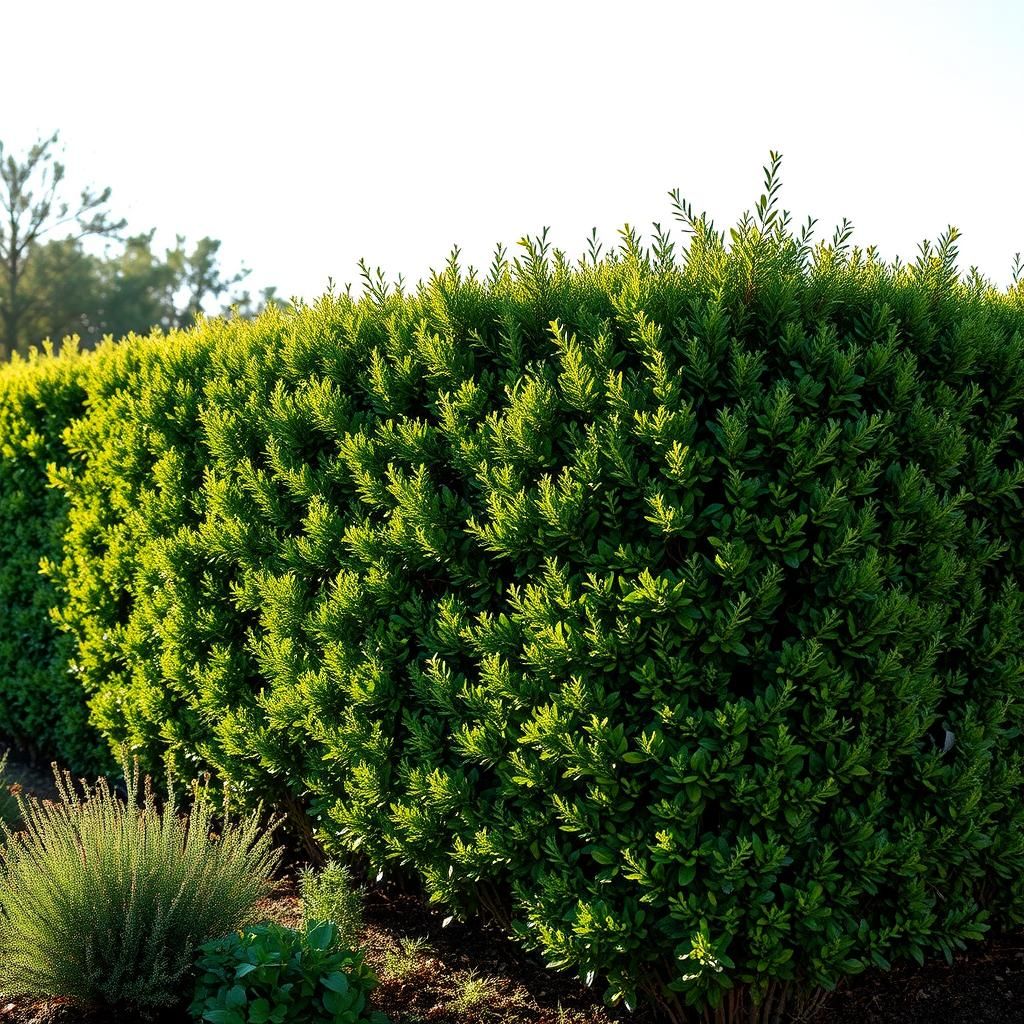
Maintaining a healthy and attractive hedge can significantly enhance your garden's aesthetics. However, cutting back a hedge can be a delicate task, and improper techniques can lead to damaging or even killing the plant. In this ultimate guide, we will explore effective strategies for trimming your hedge while ensuring its vitality. From understanding the best time to prune to selecting the right tools and techniques, this guide will provide you with all the essential information needed to achieve a beautiful, thriving hedge. Join us as we delve into expert tips and tricks for successful hedge maintenance without compromising its health.
How to Prune a Hedge Without Causing Damage
To effectively cut back a hedge without harming it, it’s crucial to consider the right timing and techniques. Ideally, pruning should be done during the dormant season, typically late winter or early spring, before new growth begins. Always use sharp, clean tools to make smooth cuts and minimize stress on the plant. Focus on removing dead or diseased wood and thinning out overcrowded branches to improve air circulation and light penetration. It's also important to avoid cutting back more than one-third of the plant at any given time, as this can lead to shock and decline in health. Lastly, ensure that the hedge retains its natural shape to promote healthy growth and maintain aesthetic appeal.
Best Time to Prune Your Hedge
The optimal time to prune a hedge is during its dormant phase, which usually occurs in late winter or early spring. Pruning during this time helps to avoid removing any new growth and allows the hedge to rebound quickly when the growing season begins. However, if you're dealing with flowering hedges, it's essential to know their blooming cycle, as some may require pruning right after flowering to preserve the buds for the next year.
Tools Needed for Hedge Pruning
Having the right tools is vital for effective hedge maintenance. You will need sharp pruning shears for small branches, loppers for thicker stems, and possibly a hedge trimmer for larger hedges. It's also beneficial to have a pair of gloves and safety goggles to protect yourself. Keeping your tools clean and sharp will ensure smoother cuts and reduce the risk of spreading diseases among plants.
Techniques for Pruning
Utilizing the correct techniques can make a significant difference when cutting back hedges. Start by assessing the overall shape and size of the hedge. Use a technique called thinning, where you selectively remove branches that are crossing or overcrowded. Angle your cuts just above a leaf node to encourage more outward growth rather than inward. For maintaining a specific shape, you can use a string line as a guide to keep both sides even and ensure a balanced appearance.
See also:
Signs Your Hedge Needs Pruning
Identifying the right time to prune is essential for maintaining your hedge's health. Look for signs such as overgrowth, where the hedge has begun to encroach on walkways or nearby plants. Additionally, dead or diseased branches, as well as a lack of leaf density, indicate that your hedge requires immediate attention. If you notice a decrease in flowering or noticeable gaps, this is also a clear signal that pruning is necessary.
Post-Pruning Care
After pruning, your hedge may need extra care to recover fully and thrive. Ensuring that your hedge receives enough water is critical, especially while it adjusts to the changes. Applying an appropriate fertilizer can help stimulate growth and promote overall health. Monitoring for pests or signs of disease following pruning is also essential, as the stress of trimming can make the plants more susceptible to issues.
| Step | Description |
|---|---|
| 1 | Assess the hedge for size and shape. |
| 2 | Choose the right tools for pruning. |
| 3 | Prune during the dormant season. |
| 4 | Implement proper pruning techniques. |
| 5 | Provide post-pruning care. |
Understanding the Right Techniques for Pruning Hedges
When it comes to cutting back a hedge, understanding the appropriate techniques is crucial for maintaining its health and aesthetic. The process should begin with an assessment of the hedge's current state, including its health, species, and growth pattern. Different species may respond differently to cutting, so it is essential to do some research before proceeding. The goal is to remove any dead, diseased, or overgrown branches while also promoting the overall balance and shape of the hedge without going too far, which can lead to stress on the plant. By employing correct pruning methods, such as making clean cuts at appropriate angles and leaving sufficient foliage, you can ensure that your hedge continues to thrive while maintaining its appearance.
Choosing the Right Time to Prune Your Hedge
Timing is a vital factor when it comes to pruning hedges effectively. The best time to cut back most hedges is typically during the dormant season, which is usually late winter or early spring. At this time, the plants are less active, and you can see the structure of the hedge more clearly without the distraction of foliage. However, some flowering species may require a different approach, needing cuts made after their blooming period to ensure that you do not remove flower buds. Understanding the specific growth cycles of the hedge can help set you up for success in keeping it healthy and visually appealing.
Tools You Need for Efficient Hedge Pruning
Using the right tools is essential for successful hedge pruning. Basic tools include pruning shears, loppers, and hedge trimmers, each serving a specific purpose. Pruning shears are ideal for small branches, while loppers can tackle thicker ones. For large hedges, electric hedge trimmers can efficiently handle extensive cutting jobs, promoting a uniform cut. Always ensure that your tools are sharp and maintained properly, as this will help to create clean cuts that heal faster, reducing the likelihood of disease problems for the plants.
See also:
How to Assess the Health of Your Hedge Before Pruning
Before beginning the pruning process, it is important to conduct a thorough assessment of the hedge to determine its health. Look for signs of disease, such as discoloration, wilting, or dead branches, and check for signs of pests. A healthy hedge will show vibrant foliage and a robust structure. If you notice any issues, it may be best to address those before pruning, as cutting back a distressed hedge can lead to further damage. By ensuring the hedge is healthy, you can be more confident that it will respond positively to your pruning efforts.
Techniques for Pruning Differentypes of Hedges
Different types of hedges respond to pruning in various ways, making it essential to tailor your approach. For formal hedges, shaping and uniformity are crucial, requiring careful trimming to maintain clean lines. In contrast, for more naturalistic hedges, a gentler approach that emphasizes the plant's natural structure may be more appropriate. When pruning flowering hedges, it's important to be aware of the timing, as cutting too late in the season can remove potential flowers. Adjusting your technique based on the hedge's type can lead to the best results in terms of both health and appearance.
Aftercare for Your Hedge Post-Pruning
After pruning, your hedge will benefit significantly from proper aftercare. This can include watering the hedge to help it recover from the stress of pruning and applying a balanced fertilizer to promote new growth. Mulching around the base can also help retain moisture and suppress weeds. Monitoring the hedge closely for signs of distress, such as wilting or new pests, will allow you to take action quickly. With the right aftercare, you can facilitate a faster recovery and ensure that your hedge remains robust and healthy following its trim.
Questions from Our Readers
How often should I trim my hedge?
To maintain a healthy hedge, it's recommended to trim it at least once a year, ideally in late spring or early summer when new growth begins. This helps promote dense growth and prevents the hedge from becoming too leggy.
What tools do I need to cut back a hedge?
Using the right tools is essential for a successful trimming. A good quality pair of hedge shears, pruners, or a hedge trimmer will help ensure clean cuts. Additionally, wearing gloves and protective eyewear can enhance safety during the process.
See also:
How much can I cut back my hedge?
When cutting back your hedge, it's best to remove no more than one-third of its height at a time. This reduces the risk of shock to the plant and allows for healthier regrowth. Always be mindful of the plant type, as some may tolerate heavy pruning better than others.
What should I do if I accidentally over-prune my hedge?
If you over-prune your hedge, don't panic. Ensure it receives adequate water and consider applying a balanced fertilizer to support recovery. With proper care, most hedges can bounce back within a season or two, though patience is key during this time.

If you want to read more articles like Ultimate Guide: How to Cut Back a Hedge Without Killing It?, we recommend you check out our Hedges category.
Leave a Reply
Related Articles