What is the Best Month to Prune Your Trees? Expert Tips for Optimal Tree Health
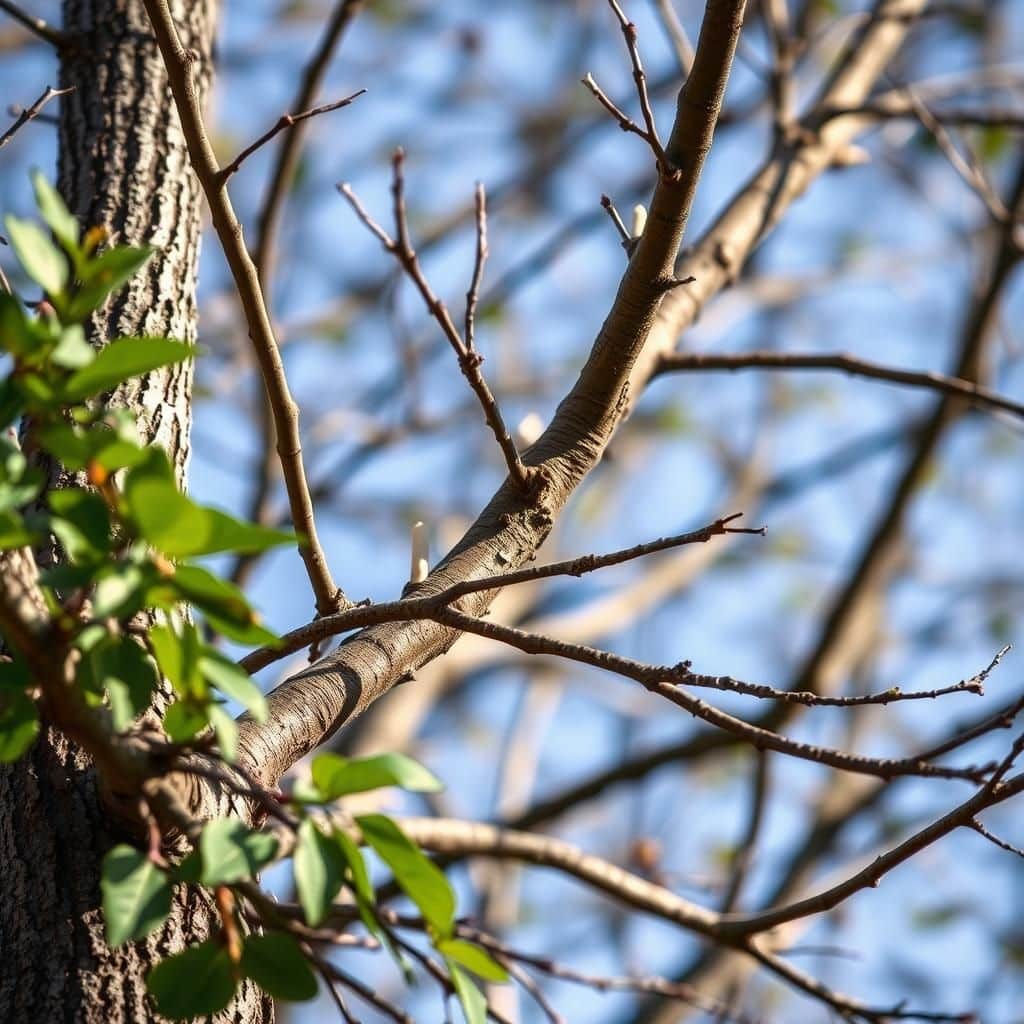
Pruning trees is an essential aspect of maintaining their health and aesthetics, but timing is crucial for achieving the best results. Understanding when to prune can significantly impact your trees' growth, flowering, and overall vitality. This article delves into expert tips on determining the best month to prune your trees, considering factors such as species, climate, and seasonal conditions. Whether you’re a seasoned gardener or a novice tree caretaker, knowing the optimal time for pruning will help ensure your trees thrive and flourish for years to come. Let's explore the science and best practices behind effective tree pruning.
Choosing the Optimal Month for Tree Pruning
Pruning your trees at the right time is crucial for their health and growth, and the best month generally varies depending on the species of the tree and the climate of the region. In most temperate zones, late winter to early spring, typically around March to April, is considered ideal. This timing allows you to cut back the branches while the trees are still dormant, reducing stress on the plant and minimizing the chance of disease. Additionally, pruning during this period encourages vigorous growth in the spring when trees naturally begin to bud and leaf out. However, always consider specific local conditions and the particular type of tree you are working with for the best results.
Tree Species and Their Pruning Needs
Different species of trees have unique pruning requirements that can affect the best month for cutting. For example, deciduous trees, which lose their leaves in winter, generally benefit from pruning in late winter or early spring before they start to bud. In contrast, evergreen trees can often be pruned in late spring or early summer after the new growth has hardened, ensuring that their structure is enhanced without disrupting their growth cycle.
Climatic Considerations for Pruning
The climate significantly influences the best time for pruning trees. In warmer regions, trees may begin to bud earlier, meaning pruning might need to occur as early as late February. Conversely, in cooler climates, trees may remain dormant until April or later, necessitating a later pruning schedule. Regional weather patterns can also dictate the timing of tree health and dormancy, making it essential to understand local conditions.
Health Benefits of Proper Pruning
Pruning not only shapes the tree but also plays an essential role in its overall health. Removing dead or diseased branches can prevent the spread of pests and diseases, while trimming excess growth allows for better air circulation and light penetration, which are critical for photosynthesis and overall tree vigor. Consequently, focusing on pruning at the correct time helps maintain a strong and resilient tree throughout its lifespan.
See also:
Tools and Techniques for Effective Pruning
Using the right tools is vital when pruning trees to ensure clean cuts that minimize damage. Hand pruners, loppers, and saws are essential tools to have on hand, and they should be sharp and well-maintained for the best results. Techniques such as making clean cuts at a slight angle and avoiding excessive removal of branches contribute to tree health. Furthermore, learning the proper method of pruning, such as thinning versus topping, can make a significant difference in the tree's structure and growth over time.
Timing for Specific Types of Trees
Some trees require specific timing for pruning to ensure optimal growth. For example, fruit trees are typically pruned in early spring to enhance fruit production, while flowering trees like magnolias may need pruning immediately after their blooms fade to preserve their flowering cycle for the next year. Conifers, on the other hand, are best pruned in late spring when the new growth is evident, highlighting the importance of understanding the specific timing needs of different types of trees.
| Tree Type | Best Pruning Time |
|---|---|
| Deciduous Trees | Late Winter to Early Spring (March - April) |
| Evergreen Trees | Late Spring to Early Summer (May - June) |
| Fruit Trees | Early Spring (March) |
| Flowering Trees | Immediately After Blooming (April - May) |
| Conifers | Late Spring (May) |
Understanding the Seasonal Needs of Different Tree Species
Different tree species have distinct pruning requirements based on their growth patterns and seasonal cycles. For instance, deciduous trees are typically best pruned in late winter or early spring before new growth begins, while certain flowering trees may benefit from pruning after their blooms have faded. Understanding the specific health and growth characteristics of your trees can ensure that you prune at the right time, promoting optimal recovery and encouraging healthy development. If you’re unsure about your trees’ specific needs, consulting a landscaping professional or primary source can provide the knowledge necessary for successful arboriculture.
When is the Best Time to Prune Deciduous Trees?
The best time to prune deciduous trees is generally in late winter or early spring before the new buds begin to swell. This timing allows for maximal healing and minimizes the stress on the tree during its active growth period. Pruning during dormancy can also make it easier to see the tree's structure and identify any dead or diseased branches that need removal. Proper timing is crucial, as pruning too late in the season can lead to sap loss and increase the risk of disease.
Pruning Coniferous Trees: Timing and Techniques
Coniferous trees, such as pines and spruces, should typically be pruned in late spring or early summer, after the new growth has emerged. Pruning too early can cause damage to new growth buds, which may affect the tree's overall health and appearance. It's important to use the proper techniques, such as selective thinning of older branches, to maintain the natural form of the tree while promoting better light penetration and air circulation.
See also:
The Importance of Seasonal Pruning for Flowering Trees
Flowering trees often require specific timing for pruning based on their flowering cycle. For trees that flower in spring, such as cherry or dogwood, it is best to prune after they have bloomed. Conversely, trees that produce flowers in summer or fall, like crape myrtle, should be pruned in late winter or early spring. Proper timing is essential to ensure that you do not remove budding blooms, thereby allowing the tree to thrive and display its full floral potential.
How Weather Affects Pruning Schedule
Weather conditions play a vital role in determining the best time for tree pruning. Frost and wet conditions can hinder recovery and healing processes, making early spring pruning less desirable if prolonged cold is expected. Additionally, moist weather post-pruning can increase the risk of disease due to fungal infections. It's crucial to monitor your local climate and adjust your pruning schedule accordingly to ensure the health and resilience of your trees.
Signs That Your Trees Need Pruning
Recognizing the signs that your trees need pruning is essential for maintaining their health. Look for signs such as dead or diseased branches, excessive crossing limbs, or a lack of growth in specific areas. Other indicators include an imbalance in foliage distribution and branches that obstruct structures or pathways. Addressing these issues promptly with proper pruning techniques can help restore the tree's health, shape, and overall vitality.
Questions from Our Readers
What is the best month to prune trees?
The best month to prune trees typically varies depending on the climate and the type of tree. In general, late winter to early spring is considered ideal because it allows trees to heal quickly before their growing season. This timing helps to minimize stress and encourages healthy growth.
Does the type of tree affect when to prune?
Yes, the type of tree significantly affects when to prune. Deciduous trees are usually pruned in late winter or early spring, while certain evergreens may benefit from pruning in late spring or early summer. It's important to consider the specific needs of each tree species for optimal health.
See also:
Are there any exceptions to the best pruning time?
Absolutely, there are exceptions based on the weather conditions and specific diseases. For instance, if trees are affected by certain pests or diseases, it might be necessary to prune them at different times to prevent further issues. Always monitor the health of your trees before deciding on pruning time.
What tools are necessary for pruning trees?
To effectively prune trees, you will need a set of sharp tools including hand pruners, loppers, and a pruning saw. Utilizing the right tools helps to make clean cuts, which can significantly reduce the risk of infection and promote healthier growth after pruning.

If you want to read more articles like What is the Best Month to Prune Your Trees? Expert Tips for Optimal Tree Health, we recommend you check out our Pruning category.
Leave a Reply
Related Articles