Should I Fertilize Before or After Pruning? Essential Tips for Optimal Plant Care
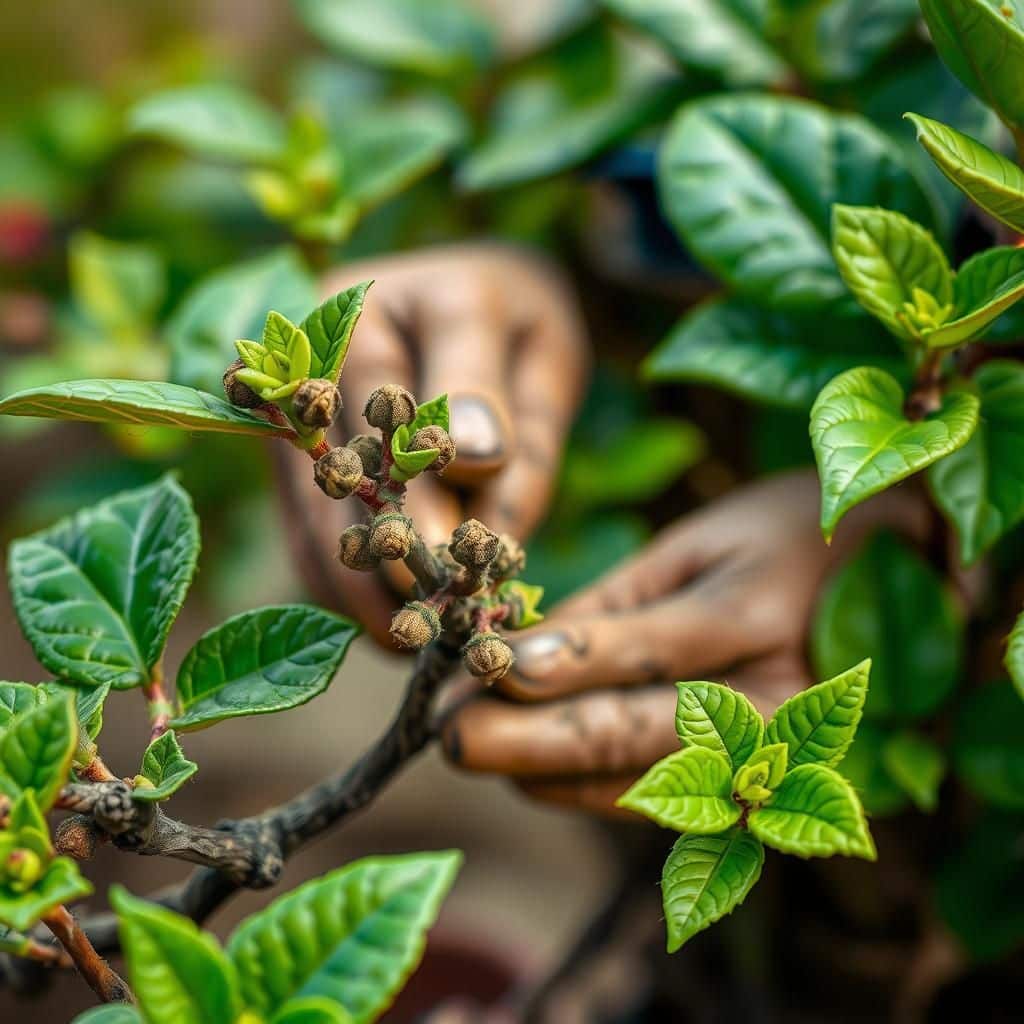
Pruning is a vital practice in plant care that enhances growth and health. However, the timing of fertilization in relation to pruning can significantly impact the effectiveness of both processes. Many gardeners are often left wondering whether to fertilize before or after pruning. Understanding the best approach can help ensure that your plants receive the nutrients they need during their recovery and growth phases. In this article, we will explore essential tips and guidelines to optimize your plant care by determining the most effective fertilization strategy in relation to pruning, promoting vibrant, healthy growth in your garden.
Should I Fertilize Before or After Pruning?
Fertilizing your plants can be a crucial part of their growth cycle, and the timing of this application in relation to pruning is essential for achieving the best results. It is generally recommended to fertilize after pruning to ensure that the plant has the maximum energy available for recovery and new growth. Pruning removes excess foliage and can stunt growth temporarily, so applying fertilizer after this process helps to provide the necessary nutrients for the plant to regenerate more robustly. Additionally, fertilizing before pruning can lead to excessive growth of shoots that may end up being removed, which is less efficient and could potentially stress the plant.
Benefits of Pruning
Pruning helps to improve plant health by removing dead or diseased branches, allowing for better air circulation and light penetration. This practice encourages new growth, enhances fruit and flower production, and can prevent the spread of pests and diseases by eliminating areas that may harbor them. When you prune, you're effectively redirecting the plant's energy into fewer branches, which can result in more vigorous growth in the remaining areas.
Timing of Fertilization
The timing of fertilization is crucial because it can impact how well plants recover and grow after being pruned. By waiting to apply fertilizer until after pruning, you allow the plant to utilize the nutrients for the regeneration of tissue and shoots. This strategy also reduces the risk of stimulating unnecessary growth before the plant is ready to support such activity, ensuring a more balanced and healthy growth response post-pruning.
Types of Fertilizers
Choosing the right type of fertilizer is equally as important as knowing when to apply it. Organic fertilizers are often preferred, as they release nutrients slowly over time and improve soil health. Synthetic fertilizers can provide a quick nutrient boost but can also risk over-fertilization if not carefully monitored. Consider the specific nutritional needs of your plant and the condition of the soil when selecting the right fertilizer for effective post-pruning recovery.
See also:
Pruning Techniques
The methods used for pruning can affect how a plant responds to fertilization. For instance, heading cuts promote bushier growth, while thinning cuts can open up the canopy and enhance light exposure. Understanding the different pruning techniques can help you manage the plant's energy more effectively, allowing you to maximize the benefits of fertilization during the recovery period after pruning.
Monitoring Plant Health
After pruning and fertilizing, it's essential to monitor the health of your plants closely. Signs of excess nutrients or stress can include browning leaf edges, wilting, or poor growth patterns. Regular inspection allows you to adjust your care practices, such as watering and future fertilization, to ensure that the plant is thriving and responding positively to your interventions.
| Practice | Before Pruning | After Pruning |
|---|---|---|
| Fertilization | May stimulate unnecessary growth | Supports recovery and new growth |
| Plant Recovery | Risk of poor recovery | Enhances regenerative capacity |
| Growth Management | New shoots may be removed | Focuses energy on selected branches |
Understanding the Relationship Between Pruning and Fertilization
When it comes to plant care, timing is crucial, especially regarding pruning and fertilization. Typically, it's recommended to fertilize after pruning. This strategy encourages new growth, as pruning removes dead or overgrown branches, stimulating the plant to focus on fresh foliage and roots. By applying fertilizer post-pruning, you're providing essential nutrients that support the plant's recovery and promote a robust development phase, enhancing overall health and vigor.
Benefits of Pruning Before Fertilizing
Pruning before fertilizing offers several benefits. It helps to eliminate any diseased or weak branches and redirect the plant’s energy towards producing new growth. This practice ensures that the nutrients from the fertilizer are used more effectively, as the plant has fewer established parts competing for the same resources. Furthermore, removing excess foliage means fewer leaves to support, thus allowing the plant to utilize nutrients more efficiently.
Potential Risks of Fertilizing Before Pruning
Fertilizing before pruning can pose certain risks. When fertilizer is applied prior to cutting, the plant may begin to store excessive nutrients in the parts that will be cut away. This can lead to nutrient burn if those parts remain on the plant longer than intended. Moreover, this practice could cause an imbalance in nutrient absorption, where the plant might focus energy on sustaining parts that will soon be discarded, potentially stunting the overall growth after the pruning process.
See also:
Timing Considerations for Pruning and Fertilization
The timing of both pruning and fertilization plays a significant role in plant health. Pruning should typically occur during the dormant season or just before the plant's active growing period. Following this, fertilization should be applied when the plant is showing signs of new growth, usually in early spring. This timing aligns the nutrient boost with the plant's increased energy demand, maximizing growth potential and recovery after pruning.
Types of Fertilizers to Use Post-Pruning
After pruning, selecting the right type of fertilizer is crucial for optimal plant health. A balanced, slow-release fertilizer is often ideal, as it provides nutrients steadily over time, allowing the plant to access them as needed. In contrast, liquid fertilizers can offer a quick nutrient boost but may require more frequent applications. Choosing an organic fertilizer can also be beneficial, as it improves soil health and encourages a thriving ecosystem around the roots.
Observing Plant Responses After Fertilization and Pruning
It’s essential to closely observe your plants' responses after both pruning and fertilization. Watch for signs of healthy new growth, such as vibrant leaves and strong stems. If the plant appears stressed or shows signs of nutrient deficiency—like yellowing leaves—it may require adjustments in your fertilizer routine or pruning technique. Monitoring plant health allows for timely interventions and adjustments in care practices, ensuring the best results for optimal plant care.
Questions from Our Readers
Should I fertilize before pruning?
Fertilizing before pruning can be beneficial as it may provide the plants with the necessary nutrients to recover quickly from the pruning process. This timing helps to ensure that the plants have sufficient energy to heal and promote new growth after they have been trimmed.
Is it better to fertilize after pruning?
Fertilizing after pruning is often recommended because it allows the plant to redirect its energy towards the new growth stimulated by the pruning. This approach ensures that the newly exposed sections have immediate access to nutrients, potentially leading to healthier and more vigorous growth.
See also:
What type of fertilizer should I use?
When deciding on a fertilizer, it's important to choose one that is balanced and suited to the specific needs of your plants. Organic fertilizers are often preferred as they release nutrients gradually, while synthetic fertilizers can provide a quick nutrient boost. Always consider the specific requirements of your plants.
How soon after pruning should I fertilize?
It is generally recommended to wait about a week after pruning to allow the plant to adjust, and then apply fertilizer. This timing ensures that the plant has begun to heal from the pruning process and is ready to take advantage of the added nutrients to support new growth.

If you want to read more articles like Should I Fertilize Before or After Pruning? Essential Tips for Optimal Plant Care, we recommend you check out our Fertilisers category.
Leave a Reply
Related Articles