Should I Pull All the Weeds Out of My Lawn? A Guide to Effective Weed Management
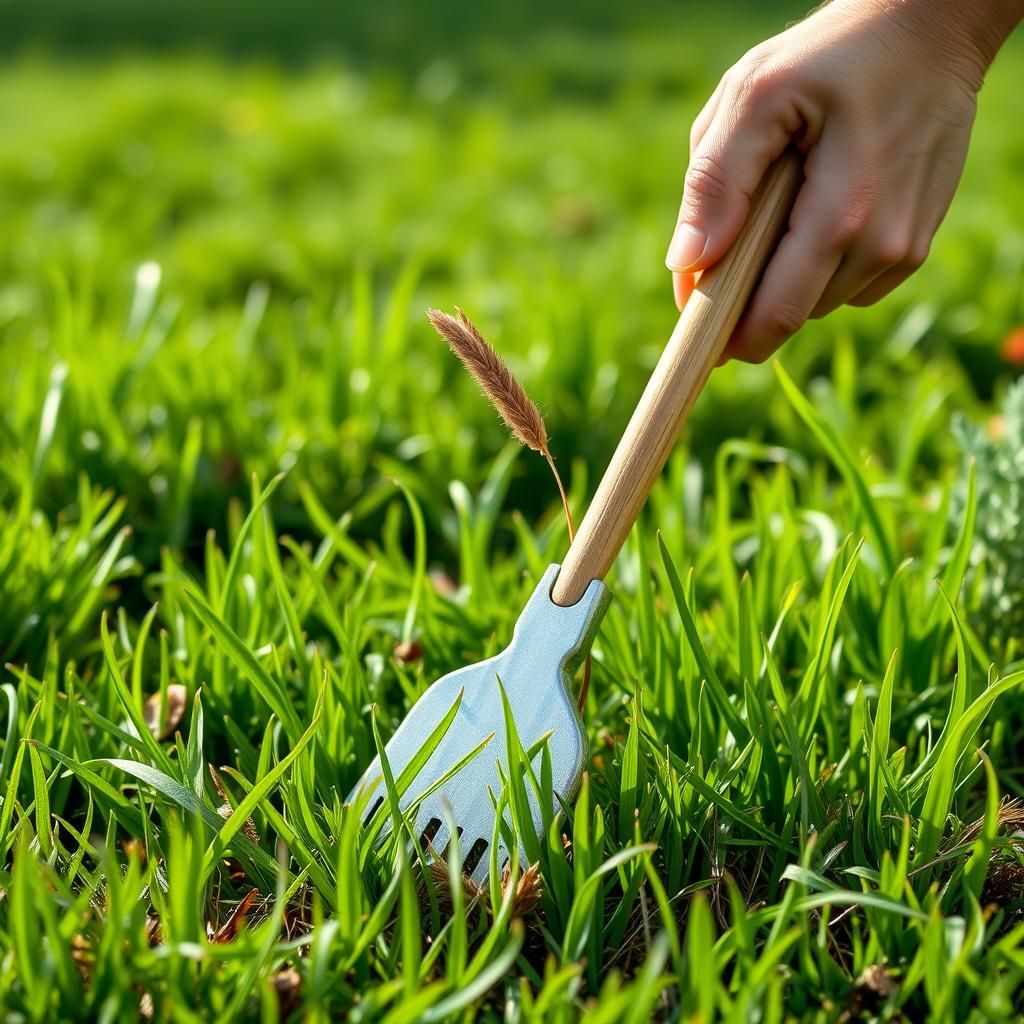
Maintaining a lush, green lawn can be a daunting task, especially when faced with the persistent problem of weeds. With so many different types of weeds and various strategies for management, homeowners often find themselves wondering: should I pull all the weeds out of my lawn? This guide aims to provide clarity on effective weed management, exploring the benefits and drawbacks of different methods, including manual removal, chemical treatments, and natural alternatives. Understanding the impact of weeds on your lawn’s health and appearance is crucial for making informed decisions that will promote a thriving outdoor space.
Should I Pull All the Weeds Out of My Lawn?
Pulling all the weeds out of your lawn may seem like a good idea, but it’s not always necessary or beneficial. Weeds can compete with grass for nutrients, water, and sunlight, but some types of weeds can actually improve soil health or provide habitat for beneficial insects. Instead of complete removal, consider an integrated approach that includes identifying the types of weeds present, understanding their growth patterns, and using targeted methods for control, such as manual pulling, mulching, or applying herbicides only where needed, to promote a healthy and balanced lawn.
Understanding the Types of Weeds
Identifying the types of weeds in your lawn is crucial for effective management. There are two main categories: broadleaf weeds and grassy weeds. Broadleaf weeds, like dandelions and clover, can often be easily removed by hand, while grassy weeds like crabgrass can spread rapidly and require different control methods. Understanding the characteristics of these weeds can aid in choosing the right approach for removal or management, allowing you to maintain a healthy lawn ecosystem.
The Benefits of Weeds
Surprisingly, not all weeds are detrimental to your lawn. Some weeds play a vital role in the ecosystem by offering food and habitat to pollinators and other beneficial organisms. Additionally, certain weeds can assist in maintaining soil health by improving organic matter and nutrient levels. Recognizing the benefits of certain weeds can help you decide whether to pull them or leave them, enhancing overall biodiversity in your garden.
Methods for Weed Control
To control weeds effectively, it’s important to employ a variety of management methods. Hand pulling is effective for small infestations and allows you to retain soil structure. Mulching can prevent sunlight from reaching weed seeds, thereby reducing growth. Additionally, targeted herbicide application can be useful for persistent weed types. The key is to combine these methods for an integrated approach to achieve a healthy lawn without completely eradicating all weeds.
Weed Growth Patterns
Understanding weed growth patterns is essential for effective lawn maintenance. Many weeds germinate in specific seasons—some thrive in spring, while others may enter dormancy in summer. By learning when your specific weed species tend to sprout and spread, you can time your interventions more effectively. This strategic approach allows you to protect your lawn from future weed invasions without the need for drastic measures like total removal.
Long-Term Lawn Health Strategies
To maintain the overall health of your lawn, consider adopting proactive strategies that reduce weed growth. Practices such as regular mowing, proper watering, and fertilization help promote dense grass that can outcompete weeds. Aeration can improve soil health, allowing grass roots to grow stronger and healthier. By focusing on long-term health strategies, you can minimize weed problems and create a vibrant lawn ecosystem without the need for constant weeding.
| Weed Type | Management Method | Season of Growth |
|---|---|---|
| Broadleaf Weeds | Hand Pulling, Herbicides | Spring and Fall |
| Grassy Weeds | Core Aeration, Mulching | Summer |
| Perennial Weeds | Regular Mowing | Spring |
| Annual Weeds | Soil Management | Summer |
Should you pull weeds out of your grass?
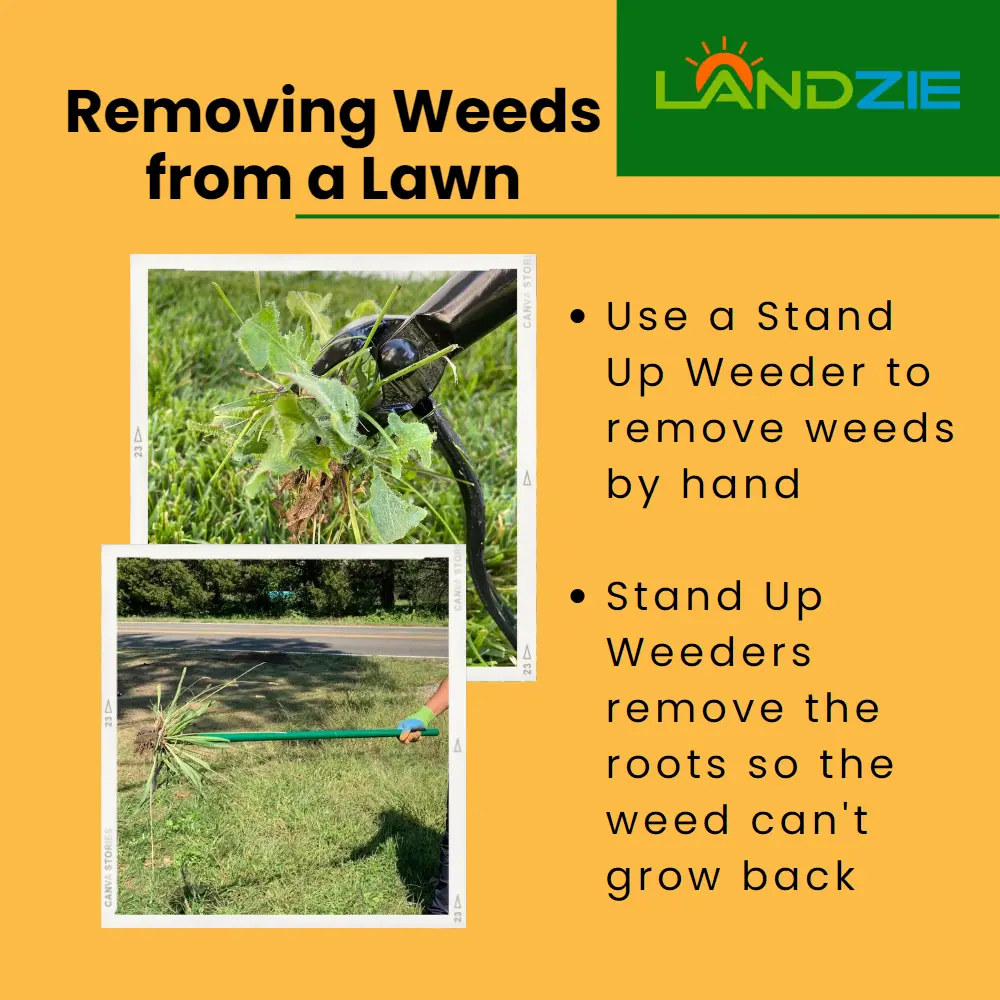

Yes, you should pull weeds out of your grass to maintain a healthy lawn. Weeds compete with grass for essential resources such as nutrients, water, and sunlight. This competition can hinder the growth of your grass and lead to an unhealthy lawn. Additionally, some weeds can harbor pests or diseases that may affect the overall health of your grass. Hence, removing weeds is crucial for ensuring that your lawn remains lush and vibrant.
Importance of Weeding
Weeding is a vital practice for lawn care. The removal of weeds helps protect the grass from resource competition, allowing it to flourish. Here are several reasons why weeding is important:
- Healthy Growth: Weeds can stifle the growth of grass by stealing nutrients and water.
- Pests and Diseases: Some weeds act as hosts for pests and diseases that can spread to your grass.
- Aesthetic Appeal: A weed-free lawn appears healthier and more attractive.
Methods of Weeding
There are several effective methods for weeding out of your grass. Each method has its advantages and can be employed based on the severity of the weed problem:
- Hand Pulling: Manually pulling weeds can be effective, especially for small infestations.
- Hoeing: Using a hoe can help remove weeds efficiently, breaking up the soil and disrupting root systems.
- Chemical Control: Herbicides can be used, but it's essential to select those safe for grass and to follow application guidelines.
When to Pull Weeds
The timing of weeding is crucial for effective lawn care. Understanding when to pull weeds can help in disrupting their growth cycle:
- Spring: Early spring is ideal as weeds are actively growing, making them easier to remove.
- After Rain: Pulling weeds after rain helps as the soil is softer, making it easier to extract the roots.
- Regular Maintenance: Consistently checking for and removing weeds can prevent larger infestations.
Preventing Weeds
After weeding, it's essential to implement preventive measures to stop weeds from returning. Here are some strategies:
- Thick Grass Growth: Maintaining a thick lawn through proper fertilization can prevent weeds from establishing.
- Mulching: Applying mulch to garden beds can suppress weed growth and retain moisture.
- Grass Type: Choosing a grass type suitable for your climate can give your lawn a competitive advantage against weeds.
Understanding Different Types of Weeds
Familiarizing yourself with different types of weeds can aid in effective removal and prevention. Here are some common categories:
- Broadleaf Weeds: These have wide leaves and can spread quickly, including dandelions and clover.
- Grassy Weeds: These resemble grass and can be difficult to distinguish, such as crabgrass.
- Sedges: Cylindrical stems characterize these weeds, often appearing in wet areas, making them distinct.
What should I do if my lawn is full of weeds?

If your lawn is full of weeds, taking decisive action is essential to restore its health and appearance. Here is a step-by-step guide on how to handle this common issue effectively.
See also:
Identify the Types of Weeds
Understanding what types of weeds are invading your lawn is crucial to determining the best control method. Weeds can be broadly categorized into two groups: annual and perennial weeds.
- Annual Weeds: These weeds complete their lifecycle in one year and typically germinate in the spring. Examples include crabgrass and foxtail.
- Perennial Weeds: These weeds live for multiple seasons and return year after year. Common types include dandelions and clover.
- Understanding Weeds: Knowing the specific type of weeds allows you to select the most effective herbicides or management techniques.
Choose the Right Weed Control Method
There are various methods for controlling weeds, and your approach may depend on the severity of the infestation and the type of weeds.
- Chemical Control: Herbicides can be effective in killing weeds. Select a product that is suited for the specific types of weeds you have.
- Organic Control: Options such as vinegar or boiling water can kill weeds without chemicals but may require repeated applications.
- Mechanical Control: Pulling weeds by hand or using a hoe can be effective, especially for small infestations or during early growth stages.
Prevent Future Weeds
Once you've addressed the current weed problem, it’s vital to implement strategies to prevent weeds from returning.
- Maintain Healthy Grass: A dense lawn can inhibit weed growth. Fertilize and water properly to support grass health.
- Regular Mowing: Keeping your grass at the appropriate height can shade out weeds, making it harder for them to thrive.
- Use Mulch: In garden beds and around trees, mulching can help suppress weed growth by blocking light.
Consider Lawn Aeration
Lawn aeration can improve the overall health of your lawn and reduce weed problems.
- Benefits of Aeration: Aeration increases soil aeration, allowing water, nutrients, and oxygen to reach the grass roots more effectively.
- When to Aerate: The best times to aerate are during the grass's peak growth periods, either in spring or fall.
- How to Aerate: You can rent an aerator from gardening stores or hire a professional service for larger lawns.
Re-seed or Overseed
If your lawn has been significantly affected by weeds, re-seeding or overseeding may be necessary to promote healthy grass growth.
- Timing: Choose a suitable time for re-seeding, ideally in spring or fall when conditions are favorable for grass growth.
- Grass Seed Selection: Select grass seed that is compatible with your climate and soil type for better success.
- Prep the Lawn: Before re-seeding, remove any remaining weeds and debris to ensure good seed-to-soil contact.
Questions from Our Readers
Should I pull all the weeds out of my lawn?
Pulling out all the weeds can be beneficial for your lawn; however, it's important to consider that some weeds may actually provide benefits like acting as ground cover. By removing most of the weeds, you can help your grass thrive, but be cautious not to disturb the soil too much, as this can lead to more weed growth.
What is the best time to pull weeds from my lawn?
The best time to pull weeds is when the soil is moist, which often occurs after a rain or a good watering session. This makes it easier to pull out the weeds along with their roots, ensuring that they do not regrow easily.
Will pulling weeds harm my grass?
If done carefully, pulling weeds should not harm your grass; however, if you are too aggressive, it could lead to damage of nearby grass roots. Always try to weed without disturbing the surrounding plants to minimize any negative impact.
See also:
How can I prevent weeds from coming back after pulling them?
To prevent weeds from returning, consider implementing a mulching strategy, improving your lawn's health, and using a pre-emergent herbicide. This combination can help create a stronger lawn that is more resistant to weed growth in the future.

If you want to read more articles like Should I Pull All the Weeds Out of My Lawn? A Guide to Effective Weed Management, we recommend you check out our Weeds category.
Leave a Reply
Related Articles