What Are the Disadvantages of Hand Weeding? A Comprehensive Guide for Gardeners
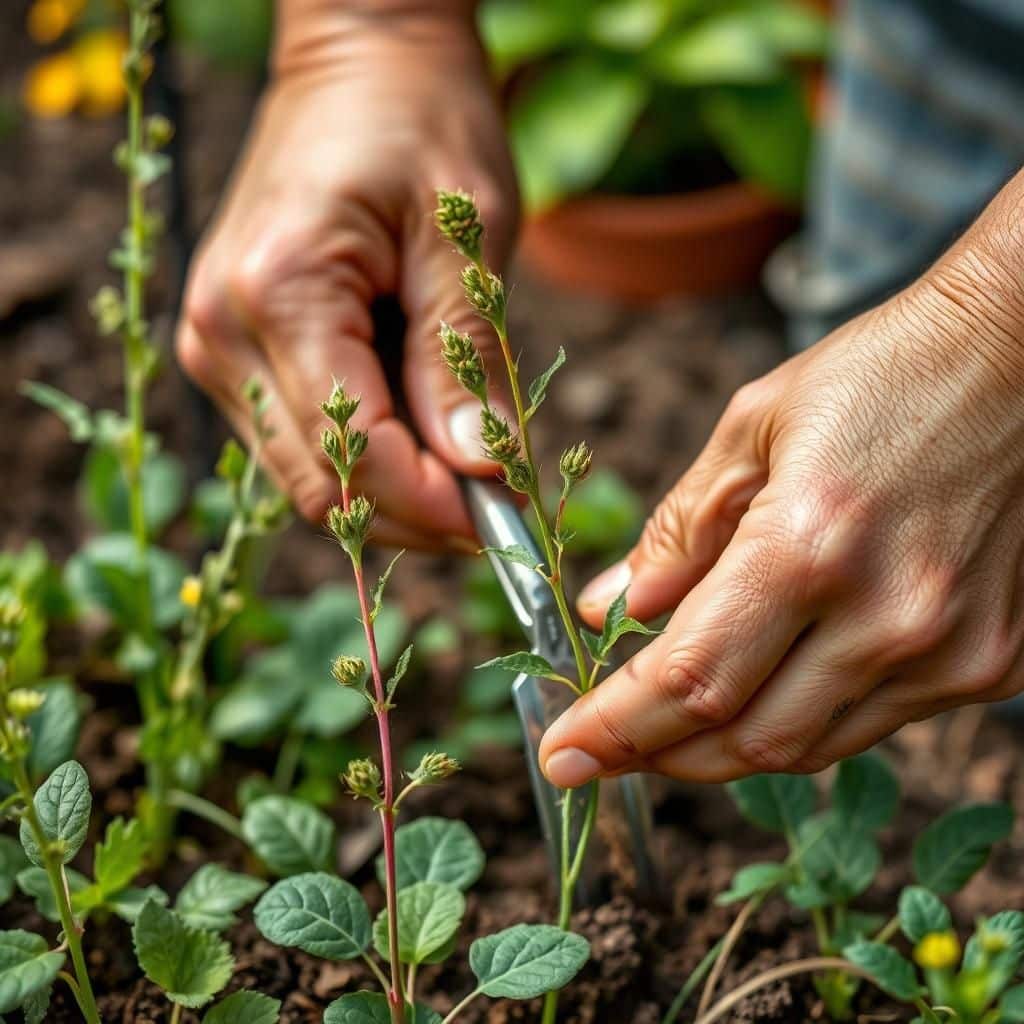
Hand weeding is often viewed as a natural and eco-friendly method for maintaining gardens, but it comes with its own set of drawbacks. While many gardeners prefer this hands-on approach to avoid harming the environment with chemicals, the disadvantages of hand weeding can significantly impact both efficiency and effectiveness. In this comprehensive guide, we will explore the various challenges faced by gardeners who choose this method, including physical strain, time consumption, and the potential for incomplete weed removal. Understanding these limitations can help gardeners make informed decisions about their weed control strategies and improve overall garden health.
Disadvantages of Hand Weeding
Hand weeding, while often seen as an environmentally friendly method of controlling weeds, comes with several notable disadvantages that can impact both efficiency and effectiveness. One of the primary drawbacks is the time and labor intensity required for this practice; hand weeding is typically much slower compared to mechanical or chemical alternatives. This can be particularly problematic in larger agricultural settings where extensive areas need to be treated. Additionally, the physical strain associated with prolonged hand weeding can lead to health issues for workers, resulting in lower productivity and increased costs due to labor-related injuries. Furthermore, hand weeding provides no long-term solution, as weeds can quickly return if not effectively managed, necessitating repeated efforts that can further exacerbate the issue of labor and resource allocation.
Time Consumption
One of the most significant disadvantages of hand weeding is the time consumption involved. Depending on the size of the area being weeded and the density of weeds present, hand weeding can take hours or even days to complete. This extended labor requirement not only delays other farming activities but also limits the time available for maintenance of other crop care tasks, ultimately reducing overall farm productivity.
Labor Intensity
Hand weeding is a labor-intensive process that can strain the available workforce, especially in regions where labor is already scarce. Requiring constant manual effort, this approach can lead to worker fatigue and diminish morale over time. Moreover, low wages in agriculture might not attract sufficient labor needed for effective hand weeding, making it even less practical in larger farming operations.
Health Risks
The physical demands of hand weeding often contribute to various health risks for workers. Prolonged bending, kneeling, and repetitive motion can lead to musculoskeletal disorders, chronic pain, and other health issues. The nature of the work can restrict individuals with certain health conditions from participating, further complicating labor availability in agricultural sectors reliant on hand weeding.
Temporary Solutions
Hand weeding offers only temporary solutions to the weed problem, as it does not address the underlying factors that contribute to weed growth. After the initial removal, seeds already present in the soil can germinate, leading to a resurgence of weed populations shortly after the hand weeding process. This necessitates repeated interventions, contributing to higher costs and increasing labor demands.
Economic Considerations
From an economic standpoint, the costs associated with hand weeding can become unsustainable, especially for large-scale operations. The need for continuous labor, coupled with the potential for worker-related injuries and health expenses, can lead to increased operational costs over time. When considering alternatives such as herbicides or mechanical weeding methods, the long-term financial implications of hand weeding may not be viable for many farmers.
| Disadvantage | Description |
|---|---|
| Time Consumption | Hand weeding can take many hours, delaying other farming activities. |
| Labor Intensity | Requires significant manual effort which can strain the workforce. |
| Health Risks | May lead to injuries and chronic health issues for workers. |
| Temporary Solutions | Does not prevent future weed growth, necessitating repeated efforts. |
| Economic Considerations | High ongoing costs can make hand weeding economically unfeasible. |
What are the disadvantages of hand drawing?

Hand drawing, while a traditional and creative method of expression, does have several disadvantages that can affect the artist's workflow and the final output. Here are some of the key disadvantages associated with hand drawing:
Limited Precision
The precision of hand-drawn images can often fall short when compared to digital methods. Precision is critical in many fields, such as engineering, architecture, and graphic design. The limitations of hand drawing include:
- Measurement Accuracy: It is challenging to achieve exact measurements without the use of digital tools.
- Reproducibility: Hand-drawn pieces are often one-of-a-kind and cannot be easily replicated.
- Details and Tidy Lines: Achieving perfect lines and intricate details can be difficult, leading to inconsistencies in the final product.
Time Consumption
Hand drawing can be a labor-intensive process, often requiring more time than digital alternatives. The time required for hand drawing can be significant due to:
- Sketching Errors: Mistakes need to be redrawn, which adds to the total time taken.
- Complex Techniques: Techniques such as shading, blending, and texture application can consume a lot of time.
- Lack of Quick Edits: Making changes or adjustments is not as straightforward as with digital tools, slowing down the workflow.
Material Limitations
Hand drawing relies on various materials that can limit the artist's options. The limitations include:
See also:
- Medium Dependency: Different materials (pencils, inks, paints) may not offer the same range of expressions.
- Availability of Supplies: Artists need to have access to quality materials, which can be a barrier in some locations.
- Physical Durability: Hand-drawn works can be susceptible to damage from environmental factors such as moisture or sunlight.
Storage and Portability Issues
Storing and transporting hand-drawn pieces can present several challenges. Some issues are:
- Space Requirements: Original artwork takes up significant space and may require special storage conditions.
- Transport Risks: Physical artworks can be easily damaged during transport to exhibitions or clients.
- Archiving Difficulties: Hand-drawn works require careful cataloging and archiving methods to preserve them.
Lack of Flexibility in Editing
One of the standout disadvantages of hand drawing is the limited flexibility for edits. This can affect the artistic process in the following ways:
- Irreversible Changes: Once a mark is made, it may be difficult to reverse or alter it without starting over.
- Color Adjustments: Changing colors requires physical mixing or reapplication, in contrast to digital tools that allow for instant changes.
- Layering Limitations: Unlike digital drawings, adding layers or elements can be cumbersome and complex in hand drawing.
Is hand-pulling weeds a waste of time?

Hand-pulling weeds is often considered a labor-intensive approach to gardening and landscape maintenance. While some individuals may argue that it is a waste of time, others believe it offers distinct advantages. The efficiency of this method can depend on various factors, including the type of weeds, soil conditions, and the gardener's long-term vision for their garden. Here, we will explore different aspects of hand-pulling weeds to understand if it truly is a waste of time.
Advantages of Hand-Pulling Weeds
Hand-pulling weeds presents several advantages that can make it a worthwhile gardening task.
- Environmental Benefits: Unlike chemical herbicides, hand-pulling is an eco-friendly method that does not introduce toxins into the soil or surrounding ecosystem.
- Precision: It allows for targeted removal of specific weeds without disturbing nearby plants, which is especially beneficial in flower beds or vegetable gardens.
- Soil Health: This method can lead to improved soil condition, as it avoids the chemical runoff that can occur with herbicide use.
Time and Effort Considerations
While hand-pulling can be beneficial, it can also be time-consuming and physically demanding.
- Initial Time Investment: The time spent hand-pulling weeds can be significant, especially for larger gardens or areas infested with weeds.
- Regular Maintenance: Weeds can quickly return if hand-pulling is not part of a regular maintenance routine, requiring ongoing effort.
- Labor-Intensive: For some gardeners, the physical strain associated with hand-pulling may outweigh the benefits, especially for those with physical limitations.
Effectiveness Against Different Types of Weeds
The effectiveness of hand-pulling largely depends on the types of weeds being targeted.
- Annual Weeds: These can be effectively controlled through hand-pulling, particularly if done when the weeds are young and their roots are shallow.
- Perennial Weeds: More challenging, as they have deep root systems; hand-pulling may require more effort and may not always eliminate the weed completely.
- Seedlings: Catching weeds at the seedling stage is crucial; hand-pulling can prevent them from maturing and spreading seeds effectively.
Alternatives to Hand-Pulling Weeds
There are several alternative methods to consider for tackling weeds that some may find more efficient.
- Mulching: Applying organic or inorganic mulch can suppress weed growth and reduce the need for hand-pulling.
- Hoeing: Utilizing a hoe can speed up the process of weed removal, especially in larger areas.
- Natural Herbicides: Some gardeners opt for homemade or commercial natural herbicides that can serve as an alternative to manual removal.
Gardening Philosophy and Personal Preference
The decision to hand-pull weeds often comes down to individual preferences and gardening philosophies.
- Organic Practices: Gardeners who follow organic practices may prefer hand-pulling to maintain an eco-friendly approach.
- Connection to the Garden: Some individuals find satisfaction in manual gardening tasks, viewing them as a way to connect with nature.
- Time Management: Others may prioritize efficiency and choose methods that save time, weighing the trade-offs of hand-pulling.
What are the advantages and disadvantages of hand harvesting?

Hand harvesting refers to the manual collection of crops, fruits, or other agricultural products. This method has both significant advantages and disadvantages that affect agricultural practices, efficiency, labor dynamics, and crop quality.
Advantages of Hand Harvesting
Hand harvesting offers several benefits that can be critical for farmers, especially in certain contexts.
See also:
- Higher Quality Control: Hand harvesting allows workers to select fruits or crops that meet specific quality standards. This is particularly important for delicate fruits like berries and grapes, where bruising can diminish quality.
- Reduced Crop Damage: Manual methods typically result in less damage to the crop and surrounding plants, leading to a healthier ecosystem in the field and potentially higher yields in subsequent seasons.
- Flexibility in Harvesting Techniques: Workers can adapt their harvesting techniques based on the crop's specific needs and can work efficiently in uneven terrain or in areas where machinery cannot operate.
Disadvantages of Hand Harvesting
Despite its advantages, hand harvesting comes with its own set of challenges.
- Labor Intensive: Hand harvesting requires a large workforce, which can increase labor costs significantly. This can pose financial challenges for farmers, especially small-scale producers.
- Time-Consuming: The process of hand harvesting is generally slower than mechanical harvesting, which can lead to delays in getting crops to market and may affect freshness, especially for perishable items.
- Health Risks for Workers: Prolonged manual labor can lead to physical strain and potential injuries for workers, particularly in cases where ergonomic practices are not followed.
Environmental Considerations
Hand harvesting can have varying impacts on the environment, which can be both positive and negative.
- Eco-Friendly Practices: It allows for the implementation of sustainable practices, such as selective harvesting, which can lead to better soil management and less reliance on chemicals.
- Soil Compaction and Disturbance: If not managed properly, hand harvesting can still lead to soil compaction in vulnerable areas, particularly when harvested with large numbers of workers in small spaces.
- Encouragement of Biodiversity: Manual harvesting can promote biodiversity as it typically avoids monoculture practices and allows for the conservation of natural habitats.
Economic Implications
The economic impact of hand harvesting affects not only the farmers but also the broader agricultural economy.
- Job Creation: Hand harvesting creates numerous jobs, particularly in rural areas, contributing to local economies. This can also help boost employment rates in agriculture.
- Market Pricing: Products harvested by hand might command higher prices due to the perceived quality and careful selection, potentially increasing profitability for farmers.
- Vulnerability to Labor Shortages: Hand harvesting is heavily reliant on available labor, making it vulnerable to shortages, especially during peak seasons.
The practice of hand harvesting is not just an agricultural method; it holds cultural significance in many regions.
- Preservation of Traditions: Many communities maintain traditional hand harvesting methods, which can foster a connection between people and their agricultural heritage.
- Community Engagement: Hand harvesting often involves community participation, creating social bonds and shared experiences among workers and farmers.
- Educational Opportunities: This method can provide opportunities for education about sustainable practices and agricultural skills, strengthening knowledge within communities.
What are the disadvantages of hand tools?

Limitations in Precision
The use of hand tools often leads to limitations in precision, particularly for intricate work. Unlike power tools, which can achieve high levels of accuracy with mechanical assistance, hand tools require a considerable amount of skill and practice to produce the same results. Reasons include:
- Human error: Inconsistent application of pressure may lead to uneven cuts.
- Tool wear: Dull blades can result in poor performance and inaccurate measurements.
- Limited adjustability: Many hand tools don’t provide the fine adjustments that power tools can offer.
Physical Strain and Fatigue
Using hand tools extensively can lead to physical strain and fatigue. The manual effort required often places significant stress on the body, particularly the hands, wrists, and back. This can lead to disadvantages such as:
- Repetitive strain injuries: Prolonged use might cause conditions like carpal tunnel syndrome.
- Muscle fatigue: Continual manual effort can lead to tired muscles and reduced efficiency.
- Decreased productivity: Due to fatigue, workers may need more breaks, which can prolong project completion times.
Time Consumption
Hand tools typically require more time to achieve results compared to their power tool counterparts. This can create challenges, especially in commercial settings where time is money. Time-related disadvantages may include:
- Longer task completion: Tasks that could be done in minutes with a power tool might take hours with hand tools.
- Increased labor costs: Extended project timelines can lead to higher labor costs.
- Time-sensitive projects: Delays can cause issues if deadlines are tight or if other projects depend on the completion of a task.
Consistency Issues
Achieving consistent results with hand tools can be challenging, especially in repetitive tasks. Variability in performance can affect the quality of work. Key points to consider include:
- Skill variability: Different users may achieve different outcomes based on their skill level.
- Natural human variation: Factors like temperature and material properties can lead to inconsistent results.
- Dependence on technique: Inconsistent hand techniques can lead to disparities in results.
Limited Applications
While hand tools are versatile, they have limitations regarding certain applications and materials. Specifically, they may not be suitable for tasks requiring high power or speed. Limitations include:
- Material constraints: Certain materials, like metals, often necessitate the use of power tools for effective processing.
- Tool variety: A broader range of tools may be necessary for different jobs, increasing costs.
- Project size limitation: Larger or more complex projects may exceed the practical usability of hand tools.
Questions from Our Readers
What are the main drawbacks of hand weeding?
Hand weeding can be labor-intensive and time-consuming, making it less efficient compared to other methods of weed control. This can lead to increased costs and require more physical effort, particularly in large areas.
How does hand weeding affect the soil?
While hand weeding can be beneficial for soil health by reducing chemical inputs, it can also disturb the soil structure. Frequent disturbance may lead to erosion or the disruption of beneficial soil organisms.
See also:
Is hand weeding effective for all types of weeds?
Not all weeds can be effectively managed through hand weeding, particularly deep-rooted or perennial species. These weeds may regrow if not completely removed, leading to a continual cycle of manual labor.
What are the environmental impacts of hand weeding?
Although hand weeding is considered an eco-friendly practice, it can still lead to the unintentional removal of native plants and disrupt local ecosystems. This highlights the importance of careful identification and management during the weeding process.

If you want to read more articles like What Are the Disadvantages of Hand Weeding? A Comprehensive Guide for Gardeners, we recommend you check out our Weeds category.
Leave a Reply
Related Articles