Is It Better to Prune Before or After Rain? The Ultimate Guide for Gardeners
Pruning is a vital practice for maintaining the health and aesthetics of your garden, but timing can significantly impact its effectiveness. One common question among gardeners is whether it's better to prune before or after rain. Understanding the effects of moisture on plant health and pruning techniques can help you make informed decisions. In this ultimate guide, we will explore the advantages and disadvantages of both pruning methods, as well as tips for ensuring optimal outcomes for your plants. Whether you're an experienced gardener or a novice, this article will provide valuable insights for achieving a flourishing garden year-round.
Is It Better to Prune Before or After Rain?
When considering whether to prune before or after rain, several factors can influence your decision. Pruning before rainfall can be beneficial as it allows the plant to heal wounds more effectively before exposure to moisture, which can promote the growth of fungi and diseases. On the other hand, pruning after rain might be advantageous in certain conditions as the rain can help wash away any debris or pathogens, reducing the risk of introducing them into the plant. Ultimately, the choice largely depends on the specific tree or shrub species involved and the local climate conditions, including humidity and the expected duration of wet weather.
Benefits of Pruning Before Rain
Pruning before rain often results in cleaner cuts and a smoother healing process for the plant. When you trim away damaged or unhealthy branches beforehand, the plant can better allocate its resources to recovery, especially since rain can increase the moisture levels in the soil and promote growth. Additionally, pruning before a rain can prevent water from collecting in the pruning cuts, thereby reducing the risk of rot and disease that can occur when wounds are left exposed to damp conditions for extended periods.
Advantages of Pruning After Rain
Pruning after rain can be advantageous for several reasons. Moist conditions can make it easier to identify which branches are dead or diseased, as they may have visibly darker or softer bark. Moreover, pruning after rain can help clear any accumulated debris around the plants, minimizing potential disease vectors. The moisture can also aid in the healing process, as the plant may be less stressed and more ready to expel pathogens from the cuts. However, it's essential to wait until the plant is dry enough to reduce the risk of fungal infections.
Impact on Plant Health
The timing of the pruning relative to rainfall can significantly impact overall plant health. Pruning too close to or during damp conditions can send the plant into shock, causing stress that could hinder growth and development. On the other hand, pruning during optimal weather conditions—either before anticipated rain to avoid prolonged exposure of open wounds, or after rain to leverage the benefits of moisture—can aid in promoting strong growth and reducing susceptibility to infections. Understanding the needs of specific species and local climate patterns is essential for making the best decision.
Timing Considerations for Pruning
Timing is a crucial consideration when deciding whether to prune before or after rain. It is best to evaluate local weather patterns and seasonal shifts to determine the ideal period for pruning. If heavy rain is forecasted, it may be wise to conduct pruning beforehand to minimize risks from prolonged exposure to moisture. Conversely, if rains have just ended, homeowners should assess the condition of their plants to determine if it’s appropriate to prune. Approximately one to two days of dry weather after rain is advisable so that branches remain firm and less prone to tearing.
Pruning Techniques and Best Practices
Regardless of whether you prune before or after rain, employing proper pruning techniques is essential to minimize damage. Clean cuts, made at the appropriate angle, should be executed by using sharp, sterilized tools to prevent the spread of diseases. When pruning, remove only as much as necessary to maintain plant shape and health, focusing primarily on dead, damaged, or overcrowded branches. After pruning, applying a proper treatment or sealant on larger cuts can aid in protecting the plant from wet weather-related pathogens.
| Factor | Prune Before Rain | Prune After Rain |
|---|---|---|
| Wound Healing | Better healing before moisture exposure | Can see and remove affected areas clearly |
| Disease Prevention | Reduces risk of rot with faster closure | Rain can help wash debris away |
| Plant Stress | Lower stress levels pre-rain | May cause shock if done before heavy rain |
| Timing | Preparation for upcoming weather | Optimal visibility in wet conditions |
| Technique | Emphasis on clean cuts | Same emphasis, but monitor post-rain |
Should you prune before or after rain?
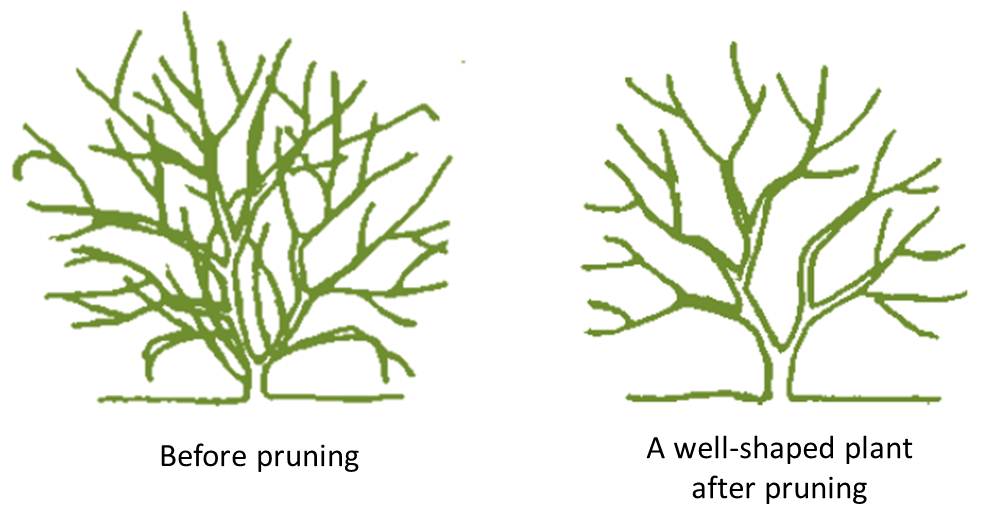
Pruning is an essential practice in gardening and landscaping, but timing is crucial, especially concerning weather conditions. The question of whether to prune before or after rain is a common one among gardeners. Here’s a detailed look into the matter.
Benefits of Pruning Before Rain
Pruning before a rainstorm can provide several advantages for your plants.
- Improved Water Absorption: When you prune branches that are dead or diseased, you allow the remaining foliage to soak up more water from the rain, enhancing the plant's overall health.
- Less Stress on Plants: Pruning before rain can reduce the stress on a plant, as rain can help the wound heal quicker by sealing it with moisture.
- Preventing Disease Spread: Cutting away infected or dead branches before rain can prevent pathogens from spreading, as excess moisture after rainfall can exacerbate fungal growth.
Risks of Pruning Before Rain
However, there are potential risks associated with pruning before rainfall.
- Exposed Wounds: If you prune and then a heavy rain follows, the exposed cuts can lead to rot if water collects in these areas.
- Unwanted Growth: Pruning can stimulate new growth, which may not have enough time to harden off before rain, potentially causing the new growth to be damaged.
- Soil Erosion: The ground can become saturated and loosened after rainfall, which may lead to soil erosion, especially in newly pruned areas.
Advantages of Pruning After Rain
Pruning after rain also has its own set of benefits.
- Moist Soil Conditions: Pruning after rain can encourage soft soil conditions, making it easier to remove unwanted roots or plants.
- Less Dust and Debris: Pruning in wet conditions can reduce the amount of dust and debris that typically arises during the activity, resulting in a cleaner workspace.
- Keen Visibility: Rain can bring out the detail in plant structure, making it easier to identify which branches need to be removed.
Drawbacks of Pruning After Rain
Despite its benefits, pruning after rain can also pose challenges.
See also:
- Increased Soil Saturation: Soil that is too wet can lead to the risk of pulling or disturbing roots unintentionally while pruning.
- Delayed Healing: Wounds created by pruning may heal slower in the wet conditions, increasing susceptibility to fungal infections.
- Potential Slippage: Wet conditions can make it difficult to maintain footing when using pruning tools, increasing the risk of accidents.
Best Practices for Pruning in Rainy Conditions
Adopting best practices can help ensure effective pruning regardless of rain.
- Timing: Monitor the weather forecast to prune during periods of light rain, which generally allows for better conditions compared to heavy downpours.
- Use Clean Tools: Always use sterilized pruning tools to minimize the risk of transferring pathogens, especially when working in damp conditions.
- Focus on Health: Prioritize pruning dead, diseased, or damaged branches regardless of rain timing, as this is critical for maintaining plant health.
What is the 123 rule of pruning?

The 123 rule of pruning is a straightforward guideline used by amateur and professional gardeners alike to effectively manage the growth and health of trees and bushes. This rule simplifies the pruning process by providing a systematic approach, particularly in situations where the goal is to reduce the overall size of a plant or to promote better air circulation and sunlight exposure within the foliage. Essentially, it involves a three-step process: select the desired branch, cut it back to the second lateral branch, and then remove the third branch that contributes to overcrowding.
Understanding the Basics of the 123 Rule
The 123 rule of pruning is based on three essential steps that help ensure a plant thrives after pruning. The steps are designed to enhance growth patterns while minimizing damage to the plant. Understanding this rule allows gardeners to make precise cuts that will encourage new growth while preserving the overall structure of the plant.
- Select the Optimal Branch: Choose a branch that is crucial for the shape and health of the plant.
- Cut Back to Second Lateral Branch: This encourages the growth of the chosen branch while preventing stress.
- Remove Additional Growth: Eliminating excess branches helps improve air circulation and sunlight exposure.
Benefits of Pruning Using the 123 Rule
Employing the 123 rule of pruning offers multiple advantages that can significantly affect plant health and aesthetics. This method promotes better structure and ensures that resources are allocated efficiently within the plant.
- Improved Air Circulation: By removing overcrowded branches, airflow improves, reducing the risk of disease.
- Enhanced Light Penetration: Cutting back branches allows more sunlight to reach the inner leaves, fostering balanced growth.
- Stimulated New Growth: The method encourages vigor in the remaining branches, leading to robust plants.
Best Practices for Implementing the 123 Rule
To effectively apply the 123 rule of pruning, certain best practices should be followed. These practices ensure that the pruning process is carried out safely and efficiently while maximizing the benefits.
- Use the Right Tools: Ensure your pruning tools are sharp and clean to make precise cuts.
- Time Your Pruning: Prune at the right time of year, usually in late winter or early spring before new growth begins.
- Assess Plant Health: Always evaluate the overall health of the plant before initiating pruning to avoid unnecessary stress.
Common Mistakes During Pruning
While implementing the 123 rule, gardeners might face common pitfalls that can detrimentally affect the plants. By recognizing these mistakes, one can improve their pruning practices.
- Over-Pruning: Cutting too much can lead to stress and hinder plant growth instead of promoting it.
- Neglecting Tool Maintenance: Using dull or dirty tools can cause jagged cuts, exposing the plant to pathogens.
- Ignoring Plant Type: Different species require specific pruning techniques; failing to adapt can harm the plant.
When to Use the 123 Rule of Pruning
Understanding when to apply the 123 rule of pruning is crucial for achieving optimal plant health. The timing can significantly affect the effectiveness of the pruning process.
- During Dormancy: Pruning in the dormant season helps minimize stress and encourages new growth in spring.
- Post-blooming: After flowering, certain plants benefit from pruning to rejuvenate growth for the next season.
- To Control Size: Use this rule as needed throughout the growing season to maintain desired dimensions.
Is it better to cut before or after rain?

Understanding the Impact of Rain on Cutting
Cutting before or after rain can significantly influence plant health, growth, and overall landscape maintenance. When you cut grass or shrubs, the moisture level in the environment plays a crucial role. If the ground is wet, it can create a muddy situation that stresses the plants and makes the cutting process less effective. Also, wet foliage can become a breeding ground for disease, making it important to consider timing.
- Soil Compaction: Wet soil is prone to compaction, which can hinder root development.
- Disease Spread: Cutting wet plants may increase the risk of spreading fungal diseases.
- Quality of Cut: A clean, dry cut is essential for plant recovery.
Benefits of Cutting Before Rain
Cutting before rain can be advantageous for several reasons. Firstly, it allows for a cleaner cut, preventing the grass from being weighed down by moisture. Secondly, it can help in removing dead or diseased parts of the plants before rain promotes further growth of pathogens. Finally, cutting before rain can prepare the area for better water absorption and reduce pooling in certain spots.
- Reduced Risk of Disease: Removing unhealthy foliage can minimize disease spread.
- Better Water Management: A shorter grass length allows rainwater to penetrate the soil.
- Enhanced Aesthetics: Cutting before rain can leave a fresh appearance as the rain cleans the clippings.
Benefits of Cutting After Rain
Cutting after rain has its advantages but comes with risks. Wet plants can bounce back quicker, and cutting them promotes strong regrowth due to the moisture already present in the soil. Additionally, cutting immediately after a rain can allow for the natural cleansing of the foliage, where the rainwater washes away debris that might interfere with healthy growth.
- Strong Regrowth: Moisture helps plants recover faster post-cutting.
- Natural Cleansing: Rain can clear pollutants and debris for better plant health.
- Improved Moisture Retention: Cutting after rain can help retain moisture in grass and soil.
Factors to Consider When Timing Your Cuts
Several factors should be taken into account when deciding whether to cut before or after rain. Local climate, soil conditions, and plant species all play critical roles. For example, in humid climates, cutting wet grass raises different challenges than in arid areas. It's essential to analyze these elements to determine the best approach for specific conditions.
See also:
- Climate Conditions: Humid vs. dry climates dictate cutting schedules.
- Soil Type: Clay vs. sandy soils respond differently to moisture levels.
- Plant Type: Different species have varying tolerances for moisture and stress.
Best Practices for Cutting in Relation to Rain
To optimize your cutting schedule, adhere to best practices that align with weather patterns. Monitor weather forecasts, and consider local humidity levels. Additionally, implementing practices like sharpening tools before cutting and alternating your cutting patterns can ensure even and healthy growth, regardless of whether the cut occurs before or after rainfall.
- Monitor Weather: Stay updated with accurate forecasts for optimal timing.
- Sharpen Tools: Sharp blades create cleaner cuts, especially crucial in moist conditions.
- Rotate Cutting Patterns: Change the direction of cutting for even growth and health.
What is the best time to do pruning?
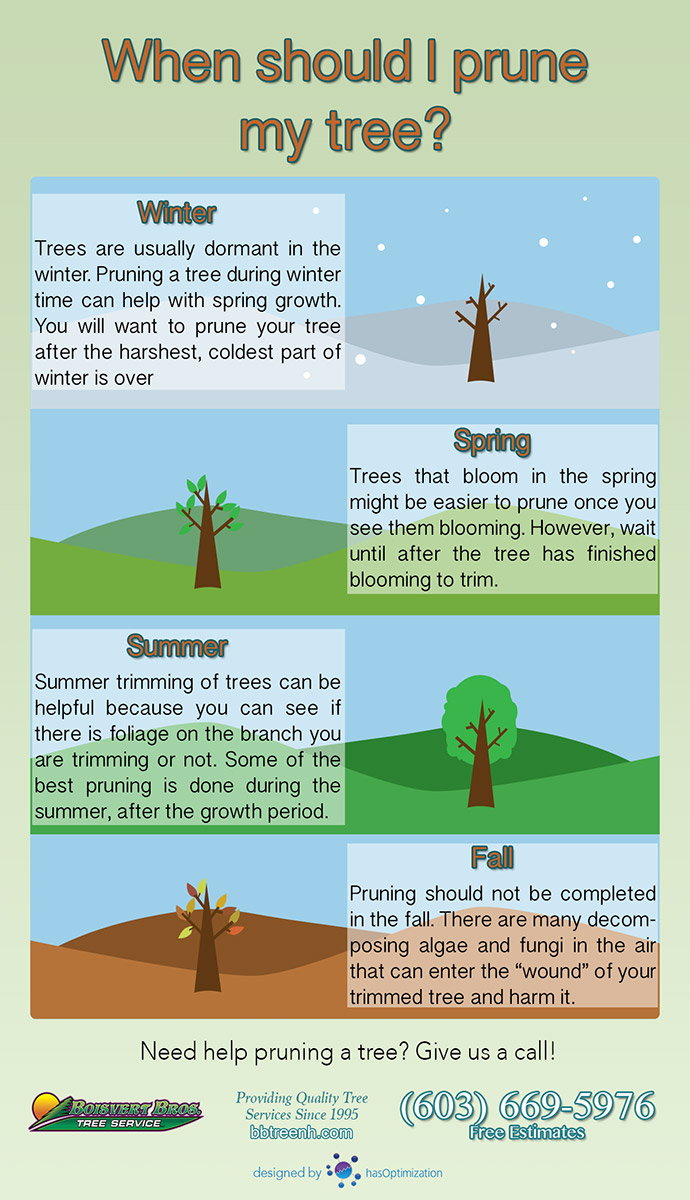
Pruning is a crucial horticultural practice that influences the health and productivity of plants. The best time to do pruning largely depends on the type of plants being pruned. Here’s a detailed look into when and how to best approach pruning.
Understanding Plant Growth Cycles
Pruning is most effective when it aligns with the natural growth cycle of a plant. Typically, plants have dormant and active growth periods. Here’s how they influence pruning timing:
- Spring-Pruning: Conducted just before the active growth period, which helps stimulate new growth.
- Summer-Pruning: Used to control growth and encourage branching, ideal for some shrubs and trees.
- Fall-Pruning: Generally avoided for many plants as it can expose them to winter stress.
Pruning Deciduous Trees
For deciduous trees, the optimal pruning time is during the winter months when the trees are dormant. This timing offers several advantages:
- Reduced Stress: Pruning during dormancy reduces the stress on the tree.
- Better Visibility: Without leaves, it’s easier to see the structure of the tree and make informed cuts.
- Encouraged Growth: This timing can stimulate new growth in the spring.
Pruning Evergreens
Evergreen trees such as pines and spruces also benefit from winter pruning, although certain aspects vary:
- Late Winter to Early Spring: The best time for pruning to avoid sap loss.
- Selective Pruning: Focus on removing damaged or overcrowded branches for better light penetration.
- Maintain Shape: Prune to maintain a desirable shape, avoiding heavy cuts.
Pruning Flowering Shrubs
The timing for pruning flowering shrubs is contingent on whether they bloom on old wood or new wood:
- Old Wood Bloomers: Prune immediately after flowering to encourage next year's blooms.
- New Wood Bloomers: Best pruned in late winter or early spring before new growth starts.
- Health Maintenance: Regular pruning can enhance air circulation and reduce disease.
Pruning in Different Climates
The climate can also affect the timing of pruning. Here are some considerations:
- Warmer Climates: May require adjustments to typical pruning schedules due to less pronounced dormancy.
- Cold Climates: Ensure pruning is done before extreme cold to protect cuts from freeze damage.
- Microclimates: Watch for specific local conditions that might affect the best time to prune.
Signs Indicating It's Time to Prune
Understanding the signs that indicate the ideal time for pruning can ensure effective practices:
- Overgrowth: When plants begin to look crowded, it's time to prune.
- Dead or Damaged Branches: These should be removed immediately, regardless of the season.
- Diseased Areas: Prune to prevent the spread of disease; ideally, this should be done as soon as identified.
Questions from Our Readers
Is it better to prune before rain?
Pruning before rain can be beneficial as it allows the plants to recover from the stress of cutting and encourages new growth. However, excess moisture right after pruning can hinder the healing process, potentially leading to disease. Therefore, it’s important to consider the anticipated intensity of the rain and the plant type.
What are the risks of pruning after rain?
Pruning after rain can introduce risks such as increased disease susceptibility due to high moisture levels on cut surfaces. Wet conditions can prevent plants from healing properly and may lead to rot or other complications, making it generally advisable to wait until the soil and plant surfaces are dry.
How does rainfall affect the timing of pruning?
Rainfall affects pruning timing because it impacts the plant's overall health and response to cuts. If rain is expected, it's often best to prune when the weather is dry, allowing the plant to close wounds and recover more effectively, reducing the chance of infection.
Should I consider the type of plant when deciding to prune before or after rain?
Yes, the type of plant plays a critical role in deciding the timing of pruning. Some plants, particularly those that are more resilient, may tolerate pruning before rain better than delicate varieties. Always consider the plant's growth cycle and its specific needs when planning pruning schedules.
See also:

If you want to read more articles like Is It Better to Prune Before or After Rain? The Ultimate Guide for Gardeners, we recommend you check out our Pruning category.
Leave a Reply
Related Articles