What is the best thing to put in a planter? Top Tips for Thriving Plants and Flowers
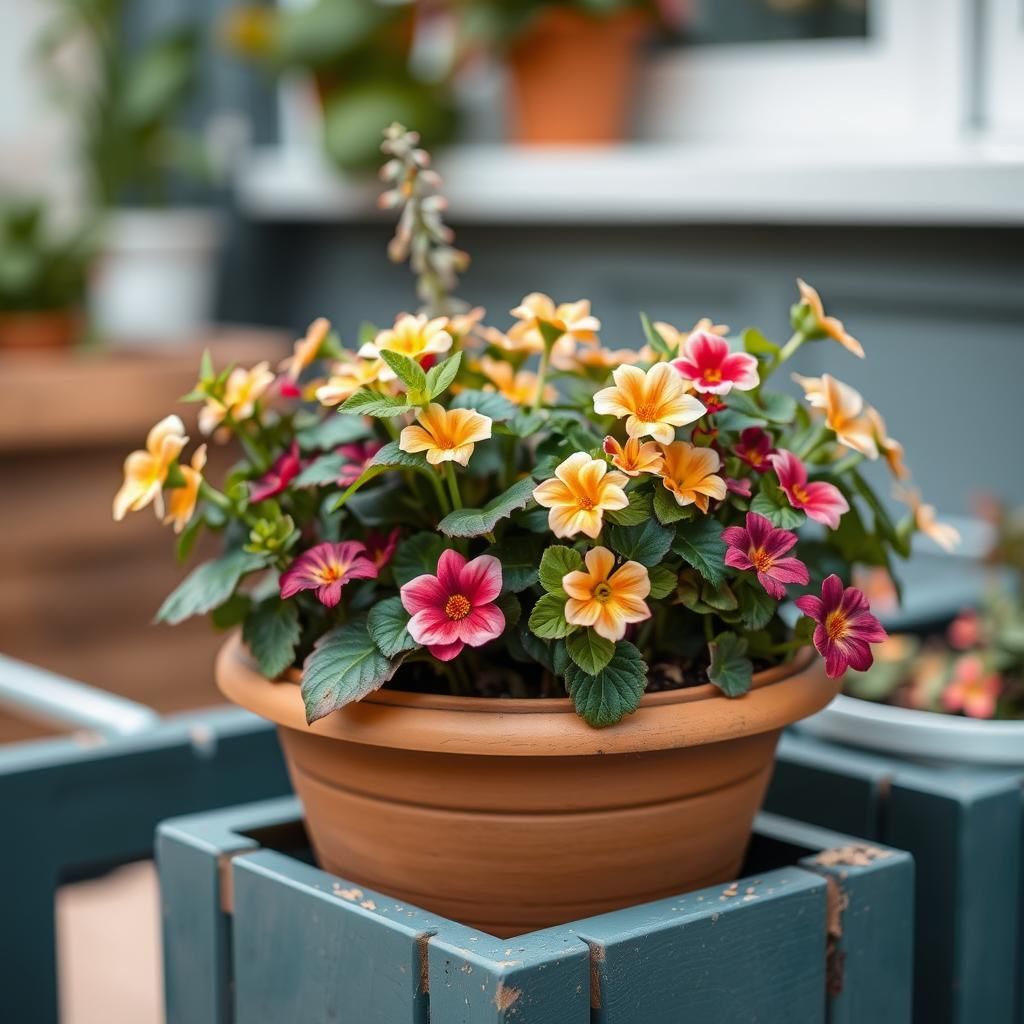
When it comes to container gardening, the success of your plants and flowers largely depends on what you put in your planter. Choosing the right combination of soil, nutrients, and plant varieties can make all the difference between a thriving garden and a lackluster display. This article will explore the best options for filling your planters, offering top tips to ensure your plants not only survive but flourish. Whether you are a seasoned gardener or a novice, understanding the essentials of planter contents will help you create a vibrant, healthy outdoor space that brings joy all season long.
What is the Best Thing to Put in a Planter?
When selecting the best thing to put in a planter, it’s essential to consider a combination of factors, including the type of plants, their growth requirements, and the aesthetics of the arrangement. Herbs are a fantastic choice, as they are not only useful in the kitchen but also aesthetically pleasing. Succulents require minimal care and add a unique texture to any planter. For vibrant colors and fragrances, consider flowering plants like petunias or marigolds, which will enhance the visual appeal. Moreover, incorporating a mix of soil types and fertilizers tailored to specific plants can significantly boost their health and growth. Ultimately, the best combination will depend on the planter’s location, the local climate, and personal preferences.
Choosing the Right Soil for Your Planter
Selecting the appropriate soil is crucial for the health of your plants. A well-draining potting mix is essential, as it prevents waterlogging and allows roots to breathe. For specific needs, you may want to choose soilless mixes that contain components like peat moss or coco coir, which provide excellent aeration. Additionally, incorporating organic matter, such as compost, can enrich the soil and ensure your plants receive adequate nutrients over time.
Best Plants for Small Planters
When dealing with limited space, opt for compact plants that don’t require much room to grow. Good options include herbs like basil, mint, or chives, which not only flourish in smaller spaces but also offer culinary benefits. Other suitable choices are low-growing flowers such as violas or pansies, which add a splash of color without overwhelming the planter. Always ensure that these plants have similar light and watering needs to thrive together.
Layering Techniques for Aesthetics
To create a visually appealing planter, consider using layering techniques. Start with a drainage layer at the bottom to prevent water accumulation; materials like gravel or small pebbles work well. Next, add a base layer of potting soil, followed by taller plants in the back or center, and shorter plants at the front or edges. This creates a dynamic visual hierarchy and ensures that all plants receive adequate sunlight. Remember to incorporate plants with different textures and colors for a more cohesive look.
Using Planters for Vegetables
Growing vegetables in planters can be incredibly rewarding, particularly when space is tight. Select container-friendly varieties like tomatoes, peppers, or lettuce that grow well in confined spaces. Ensure your planter is deep enough to accommodate root systems, especially for larger vegetables. Additionally, enrich your soil with a nutrient-rich compost and ensure your plants receive sufficient sunlight and watering for optimal growth.
Maintaining Your Planter
Maintenance is key to keeping your planter vibrant and healthy. Regularly check for any pests or diseases that may affect plant health and take immediate action if detected. Consistent watering schedules should be established, taking care not to overwater, as this can lead to root rot. Furthermore, periodically revitalize the soil with fertilizers during the growing season to provide plants with the necessary nutrients to flourish.
| Type of Plant | Ideal Soil | Watering Needs | Light Requirements |
|---|---|---|---|
| Herbs | Well-draining mix | Moderate | Full sun |
| Succulents | Cactus mix | Low | Bright light |
| Flowering Plants | All-purpose mix | Moderate | Full sun to partial shade |
| Vegetables | Nutrient-rich compost | Water regularly | Full sun |
What is the best thing to put in the bottom of a planter?

The best thing to put in the bottom of a planter is typically a combination of materials that facilitate proper drainage while preventing soil loss. The primary goal is to ensure that excess water can escape, thus protecting the roots of your plants from rot and other water-related issues. Here are some excellent options to consider:
Why Drainage is Crucial
Proper drainage in a planter is essential for the health of your plants. If water pools at the bottom, it can lead to root rot and other problems.
- Prevents Overwatering: Ensures that excess water is efficiently removed.
- Healthy Root Growth: Promotes aeration around the roots, allowing for better growth.
- Avoids Pests: Reduces the likelihood of pests that thrive in overly wet conditions.
Common Materials for Bottom Layer
Several materials can be used in the bottom of planters to enhance drainage. The choice often depends on availability and convenience.
- Gravel: Offers excellent drainage and prevents soil from washing away.
- Hydroton Balls: Lightweight clay balls help aerate the soil while allowing for superior drainage.
- Sand: Helps improve drainage and can mix well with soil components.
Using Landscape Fabric
Landscape fabric is another great option when considering what to place at the bottom of a planter. It serves as a barrier for soil while allowing water to pass through freely.
- Soil Retention: Maintains soil in the planter while preventing it from clogging the drainage holes.
- Improved Airflow: Allows for better aeration which is beneficial for plant health.
- Weed Prevention: Helps to reduce weed growth from beneath the planter.
Incorporating Organic Materials
Some gardeners prefer to use organic materials like pine bark or small pieces of wood. These can help with drainage while also enriching the soil.
See also:
- Natural Decomposition: Gradually breaks down to improve soil structure.
- Water Retention: Can hold moisture but allows excess water to drain away.
- Environmental Benefits: Utilizes sustainable materials, reducing landfill waste.
Layering Techniques
Employing a layering technique in the bottom of your planter can significantly improve its performance. A well-planned layer setup leads to robust plant growth.
- Heavy Material First: Start with larger drainage stones at the bottom.
- Bedding Layer: Alternate with a layer of landscape fabric or smaller gravels.
- Final Soil Mix: Finish with your chosen potting mix, ensuring optimal conditions for the plants.
What is the best material to line a planter with?
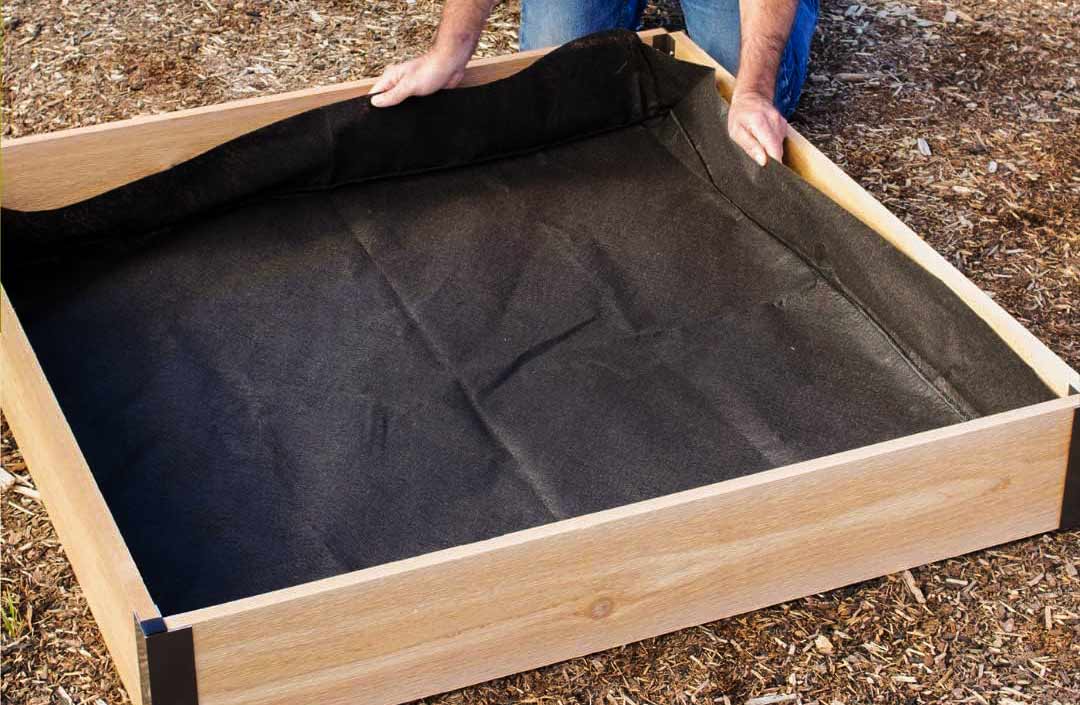
The best material to line a planter depends on the type of plants you intend to grow, the climate, and the design aesthetic you prefer. Here are several materials commonly used, each with its advantages:
1. Landscape Fabric: This permeable material allows water to drain while preventing soil erosion. It provides a barrier against weeds.
2. Plastic Liners: Lightweight and waterproof, plastic liners help retain moisture but may not offer good drainage unless specifically designed with drainage holes.
3. Coconut Coir: This biodegradable material comes from the husks of coconuts and is an excellent choice for retaining moisture and promoting healthy root growth.
4. Wood: Wooden liners, while natural-looking, can rot over time unless treated. They provide good insulation for roots.
5. Cocoa Fiber Mats: Similar to coir, these mats promote drainage and maintain moisture levels efficiently while being environmentally friendly.
Benefits of Using Landscape Fabric
Using landscape fabric has notable advantages when lining a planter. This material is breathable, which allows roots to access air while preventing soil from washing away. Some benefits include:
- Weed Suppression: Prevents weeds from taking root while allowing water and nutrients to penetrate.
- Soil Erosion Control: Keeps soil in place, especially in planters with steeper profiles.
- Longevity: Durable enough to last multiple planting seasons.
Plastic Liners: Pros and Cons
Plastic liners are popular due to their availability and effectiveness. However, they come with both benefits and drawbacks:
- Moisture Retention: Helps maintain consistent moisture levels in the soil.
- Lightweight: Easy to handle and install, reducing labor effort.
- Drainage Issues: Without adequate drainage holes, roots can suffer from waterlogging.
Coconut Coir: An Eco-Friendly Option
Coconut coir is gaining popularity as a sustainable lining material. Its biodegradable nature and moisture retention capabilities make it an attractive choice:
- Soil Health: Enhances soil structure over time as it decomposes, contributing to improved fertility.
- Moisture Management: Absorbs and retains moisture, benefiting plants during dry periods.
- Natural Pest Resistance: Its fibrous texture can deter certain pests naturally.
Wood as a Planter Liner
Using wood as a liner can offer a rustic appearance but does require some considerations regarding durability:
- Insulation Properties: Provides insulation for roots, helping to maintain temperatures.
- Natural Aesthetic: Complements outdoor environments, enhancing visual appeal.
- Rot Resistance: Requires treatment to prevent rot and decay, which may add to maintenance efforts.
Cocoa Fiber Mats: Efficient Drainage
Cocoa fiber mats are becoming a favored choice for lining due to their functional benefits for plant growth. They provide an excellent drainage solution with added environmental friendliness:
- Drainage Efficiency: Provides excellent drainage, reducing the risk of overwatering.
- Sustainable Material: Made from natural cocoa husks, these mats are biodegradable.
- Root Growth Support: Promotes healthy root development by allowing air exchange.
What's a good filler for planters?

A good filler for planters is essential for ensuring healthy plant growth, maintaining moisture, and promoting good drainage. Fillers, also known as potting materials, help reduce the weight of the planter while providing enough structural support for the plants. Here are some recommended options and their benefits.
Benefits of Using Fillers in Planters
Using fillers in planters comes with several advantages:
- Weight Reduction: Fillers can significantly reduce the overall weight of the planter, making it easier to handle and move around.
- Improved Drainage: Many fillers enhance drainage, preventing root rot and promoting healthier plants.
- Moisture Retention: Certain fillers help retain moisture, ensuring that the soil remains damp without being waterlogged.
Popular Filler Materials for Planters
Several materials can be effectively used as fillers in planters. Here are some popular options:
See also:
- Styrofoam Peanuts: Lightweight and affordable, they create air pockets, allowing for excellent drainage.
- Wood Chips: These provide good aeration and are biodegradable, contributing to soil improvement over time.
- Rock Wool: Excellent for moisture retention, rock wool is great in combination with lightweight soil mixes.
How to Choose the Right Filler
When selecting a filler for your planter, it's essential to consider various factors:
- Plant Type: Different plants have varying needs for moisture and drainage; choose fillers that complement these requirements.
- Planter Size: The size of the planter will influence the amount and type of filler needed.
- Environmental Factors: Consider the climate; fillers that retain moisture may be beneficial in dry areas, while more draining options may be needed in humid climates.
Impact of Fillers on Soil Quality
Fillers can influence the quality of the soil mix significantly:
- Air Aeration: Fillers improve soil structure, allowing for better air circulation to the roots.
- Nutrient Retention: Certain fillers can help retain beneficial nutrients, enhancing plant growth.
- pH Balance: Some fillers can affect the pH of the soil, making it more suitable for specific plant types.
Tips for Using Fillers Effectively
To maximize the benefits of fillers in your planters, follow these tips:
- Mix Fillers: Combine different fillers for optimal drainage and moisture retention.
- Layering: Consider layering fillers with potting soil to prevent soil from leaking out of the planter.
- Monitor Moisture Levels: Adjust the amount of filler based on the moisture needs of your specific plants.
What is best to put in planters?
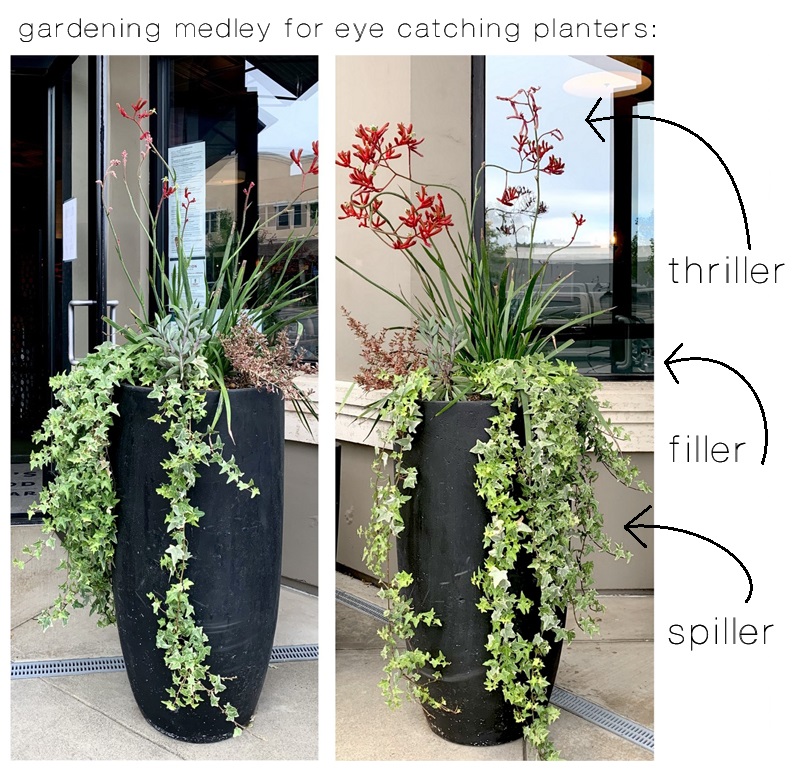
When choosing what to put in planters, several factors influence the decision, including the type of plants, the size of the planters, and the environmental conditions. The best approach is to select complementary elements that will thrive together and enhance the overall aesthetic. Here are some suggestions:
Choosing the Right Soil
The type of soil you use in your planters is crucial for the health of your plants. Good soil provides the necessary nutrients and drainage. Consider the following options:
- Potted Planting Mix: A blend specifically designed for container plants, often enriched with organic matter.
- Cactus Mix: This mix is ideal for succulents and cacti, focusing on excellent drainage.
- Seed Starting Mix: A fine-textured mix perfect for starting seeds due to its lightweight structure.
Selecting Suitable Plants
When it comes to planting, the choice of plants plays a vital role. Matching plants based on their growth habits and environmental needs is essential. Consider these categories:
- Flowering Plants: Choose vibrant blooms such as petunias or marigolds for visual appeal.
- Foliage Plants: Incorporate plants like ferns or hostas for lush greenery.
- Herbs and Vegetables: Fresh herbs like basil or vegetables like cherry tomatoes can enhance culinary uses.
Layering for Aesthetics
Creating layers within your planters can lead to a more pleasing visual effect. This technique involves alternating plant heights and types for dynamic arrangement. Popular layering options include:
- Thrillers: Tall, dramatic plants such as ornamental grasses or canna lilies serve as the focal point.
- Fillers: Medium-height flowers or foliage plants can provide fullness around the thriller.
- Spillers: Trailing plants like ivy or sweet potato vine soften the edges of the planter.
Incorporating Decorative Elements
Planters can benefit from decorative elements that enhance their visual appeal. Various materials can be integrated into the arrangement. Consider using:
- Stones and Pebbles: These add texture and help with drainage and moisture retention.
- Decorative Mulch: Natural mulch or colored stones can lend a polished look and suppress weeds.
- Figurines or Statues: Small ornaments can personalize the space and make it more inviting.
Understanding Watering Needs
Proper watering is critical in maintaining the health of plants in planters. Depending on the chosen plants, their watering needs can vary significantly. Here are some guidelines:
- Consider Plant Requirements: Some plants prefer drier conditions while others thrive in moist environments.
- Use Drainage Techniques: Ensure planters have holes for drainage to prevent waterlogging.
- Apply Mulch: Adding a layer of mulch can help retain moisture in the soil and reduce the frequency of watering.
Questions from Our Readers
What type of plants are best for a planter?
The best plants for a planter depend on the environment and climate, but generally, herbs, succulents, and small flowering plants thrive well. Consider the light conditions and watering needs of the plants to ensure they flourish in your planter.
How should I arrange plants in a planter?
When arranging plants in a planter, it's essential to consider height, color, and texture. Place taller plants in the back and shorter ones in the front, ensuring a balanced look. This way, you create a visually appealing arrangement that highlights the beauty of each plant.
What soil should I use in a planter?
Using a high-quality potting soil is crucial for a planter as it ensures good drainage and aeration. Look for soils that contain organic matter and nutrients, which help support the growth of your plants, making them more resilient and vibrant.
See also:
How often should I water plants in a planter?
The watering frequency for plants in a planter typically depends on the plant type and environmental conditions. Generally, check the top inch of the soil; if it's dry, it's time to water. Overwatering can lead to root rot, so it's important to find a balance according to the specific needs of your plants.

If you want to read more articles like What is the best thing to put in a planter? Top Tips for Thriving Plants and Flowers, we recommend you check out our Planter category.
Leave a Reply
Related Articles