How to Waterproof a Pergola Without a Roof? Essential Tips and Techniques
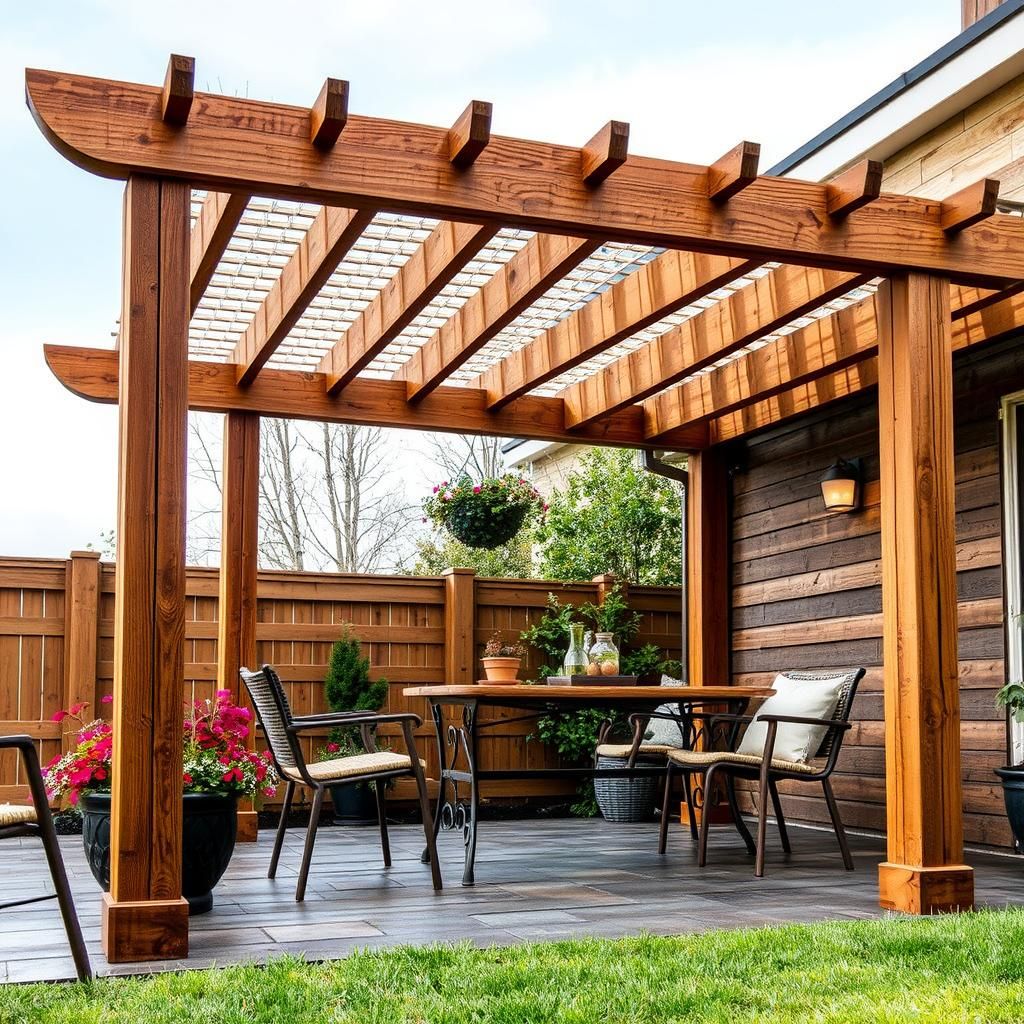
A pergola can enhance your outdoor space, providing an elegant structure that allows for shade and ambiance. However, without a roof, it can leave you vulnerable to the elements, especially rain. Waterproofing your pergola is essential for maintaining its beauty and functionality, protecting it from weather damage while allowing you to enjoy your outdoor area year-round. In this article, we'll explore essential tips and techniques to effectively waterproof a pergola without a traditional roof. From using waterproof fabrics to applying protective coatings, discover the best methods to keep your pergola dry and inviting, no matter the weather.
Effective Methods to Waterproof a Pergola Without a Roof
To waterproof a pergola without a roof, various techniques can be employed to ensure that outdoor spaces remain dry during inclement weather. One of the most efficient methods involves using waterproof fabrics or tarps that can be draped over the pergola; these materials are often UV-resistant and can withstand the elements. Alternatively, applying a high-quality sealant or water-repellent coating to the wooden slats enhances their resistance against moisture penetration. Additionally, incorporating drainage systems or installing canopies can redirect rainwater away, preventing pooling and further water damage to the structure. For enhanced aesthetic appeal, consider using vinyl screens or sails that complement the design of your pergola while providing ample coverage and protection from rain.
Using Waterproof Fabrics
Utilizing waterproof fabrics is one of the simplest solutions for waterproofing a pergola without a roof. These fabrics can be specially treated to repel water while allowing for some breathability to prevent moisture buildup underneath. They come in various styles and colors, making it easy to choose an option that matches your outdoor decor. By draping the fabric over the pergola, you create a makeshift roof that protects against rain while maintaining an open feel. Secure the fabric with ties or weights to prevent it from sagging or blowing away in strong winds.
Applying Sealants and Coatings
Applying high-quality sealants and water-repellent coatings to the wood of the pergola is crucial for enhancing durability against the elements. These products penetrate the wood surface, creating a moisture-resistant barrier that protects against rot and decay. Regularly applying these sealants can prolong the life of the pergola, ensuring it remains an attractive feature in your outdoor space. It's important to choose a sealant that allows for flexibility and can expand and contract with temperature changes without cracking.
Installing Canopies
Installing a canopy is another effective method to waterproof a pergola without a roof. Canopies are designed to provide shade and protection from rain, and they easily attach to the sides of the pergola for added stability. They come in various materials, such as canvas or vinyl, and are available in numerous colors and styles, making them a versatile option. When closed, a canopy can provide full coverage during rainstorms, and when opened, it allows for a breezy, less enclosed environment.
See also:
Implementing Drainage Systems
Integrating a drainage system into your pergola design helps manage rainwater effectively. This can include installing gutters or sloped channels that guide water away from the structure, preventing pooling and retaining moisture around the base. Proper drainage is essential, especially in areas with heavy rainfall, as it protects the integrity of the wood and foundation of the pergola. Ensure the system is seamlessly incorporated into the design for a clean and functional appearance.
Utilizing Vinyl Screens
Vinyl screens offer a dual benefit of waterproofing and protection from insects. These screens can be mounted around the pergola, acting as barriers against rain while enhancing privacy. They come in various styles and can be opened or closed as needed, providing flexibility based on the weather conditions. A well-installed vinyl screen can keep your outdoor space comfortable and inviting, even during light rain, and can be easily removed if desired.
| Method | Description | Benefits |
|---|---|---|
| Waterproof Fabrics | Draped over pergola | UV-resistant and aesthetic appeal |
| Sealants and Coatings | Applied to wooden slats | Increases moisture resistance |
| Canopies | Attached for shade and rain protection | Versatile and customizable |
| Drainage Systems | Gutters and channels for water management | Prevents moisture retention |
| Vinyl Screens | Mounted barriers against rain and insects | Enhances privacy and comfort |
Effective Methods to Seal Your Pergola Against Water Damage
To waterproof a pergola without a roof, it's essential to understand that protection from moisture involves several methods and materials. One of the most effective techniques is applying a high-quality water-repellent sealant to the wooden surfaces of the pergola. This sealant creates a barrier that prevents water penetration while allowing the wood to breathe. Additionally, using canopies or outdoor curtains can provide extra coverage during rain, while strategically placed drainage systems can help divert water runoff away from the pergola structure. Regular maintenance and inspection of the pergola's condition are crucial to ensure longevity and continued protection against the elements.
Choosing the Right Sealant for Your Pergola
Selecting the appropriate sealant is crucial for effective waterproofing. Look for products specifically formulated for outdoor use, ensuring they offer UV protection and resistance to mold. Consider opting for a transparent sealant if you wish to retain the natural beauty of the wood or a solid stain for an added color layer. Test a small area first to evaluate how it reacts with your pergola's material, since some sealants may not adhere well to certain finishes.
Using Canopies for Extra Coverage
Implementing canopies is an excellent way to enhance the waterproofing of your pergola. These fabric structures can be easily installed and removed as needed, allowing you to enjoy your outdoor space without exposing it to the elements. Look for durable, weather-resistant fabrics that can withstand rain, wind, and UV rays. Proper installation is key; ensure the canopy is securely fastened to avoid sagging or pooling water, which can damage your pergola over time.
See also:
Installing Outdoor Curtains for Flexibility
Outdoor curtains can provide a flexible solution to waterproofing your pergola. These curtains not only add aesthetic appeal but also serve as an effective barrier against rain and wind. Choose materials specifically designed for outdoor use, such as water-resistant or quick-drying fabrics. They can be drawn open or closed as needed, offering versatility depending on weather conditions. Proper installation is vital; use a sturdy rod and ensure the curtains are hung high enough to allow for sufficient airflow.
Implementing Proper Drainage Systems
A good drainage system is vital in preventing water accumulation around your pergola. By installing gutters or strategically placing drainage channels, you can effectively divert rainwater away from the structure, reducing the risk of rot or water damage. Ensure that the drainage systems lead to a safe area where water can flow freely without pooling nearby. Regular maintenance of these systems is also essential to avoid blockages or backups that could lead to water damage.
Regular Maintenance and Inspection
Conducting regular maintenance and inspections of your pergola is crucial for long-term waterproofing success. After significant weather events, take time to check for any signs of damage, such as wood rot, mold, or loose fittings. Reapply sealants as needed and ensure that all drainage systems are functioning properly. Maintaining the integrity of your pergola will help prolong its lifespan and provide continued protection against water damage over time.
Questions from Our Readers
How can I waterproof a pergola without a roof?
To waterproof a pergola without a roof, you can use a combination of water-resistant fabrics, such as canvas or vinyl, to create a cover. Additionally, applying a water-repellent spray or coating on the wooden structures will enhance their resistance to moisture. Consider adding awnings or canopies for added protection against rain.
What materials are best for waterproofing a pergola?
The best materials for waterproofing a pergola include marine-grade fabrics, which are designed to withstand water exposure, and sealants or paints specifically created for outdoor wood. Using aluminum or stainless steel hardware can also prevent rust and deterioration, ensuring your structure remains intact.
See also:
Can I use tarps for waterproofing my pergola?
Yes, using tarps is an effective way to waterproof your pergola. Be sure to choose high-quality, heavy-duty tarps that are UV resistant and designed for outdoor use. Secure them properly to avoid sagging and ensure they can withstand wind and rain.
Is regular maintenance necessary for a waterproofed pergola?
Absolutely, regular maintenance is essential to keep your pergola waterproof and durable. You should inspect the waterproofing materials periodically for any signs of wear or damage and reapply sealants or treatments as needed to maintain their effectiveness.

If you want to read more articles like How to Waterproof a Pergola Without a Roof? Essential Tips and Techniques, we recommend you check out our Pergola category.
Leave a Reply
Related Articles