Is it Bad to Have Mulch Next to Your House? Exploring the Risks and Benefits
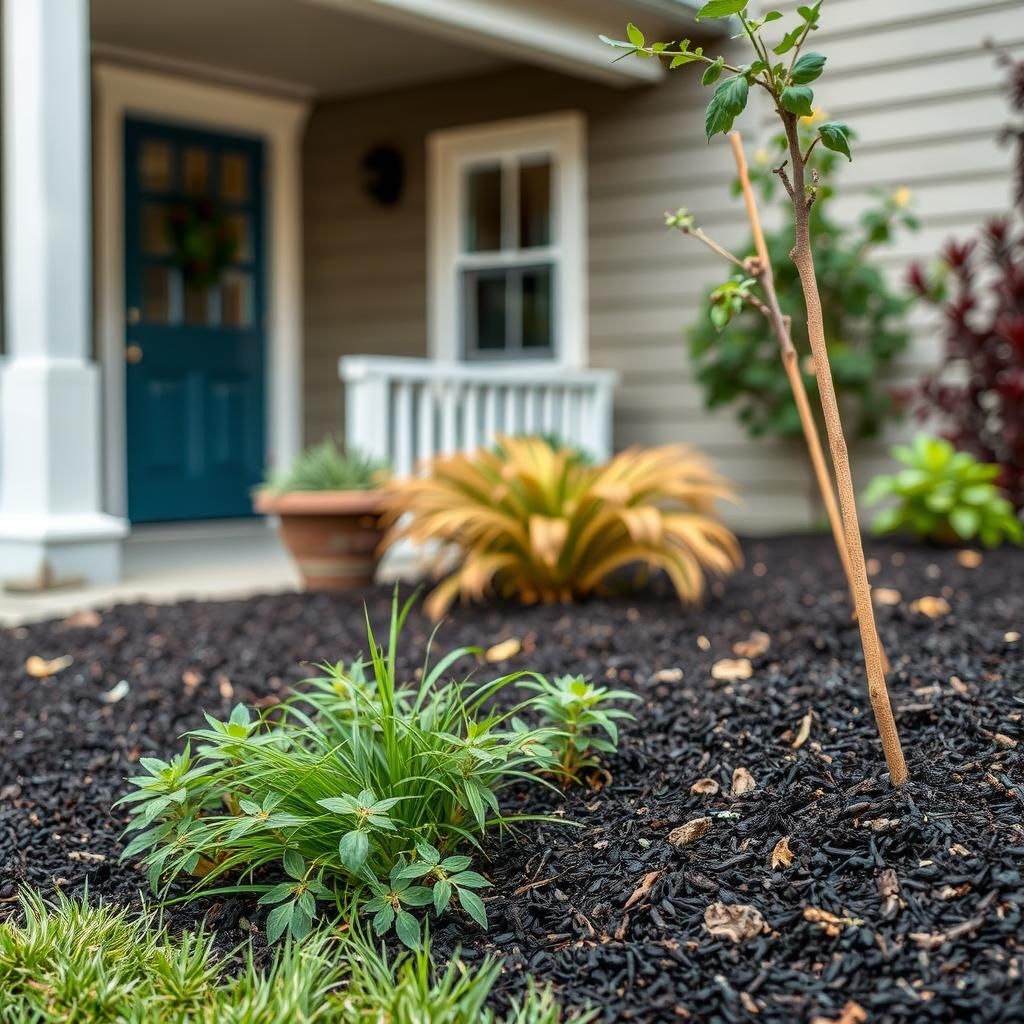
Mulch can be a valuable addition to any garden, enhancing aesthetics and promoting plant health. However, many homeowners may wonder about the implications of having mulch placed right next to their houses. While mulch provides benefits such as moisture retention and weed suppression, it can also pose risks, particularly concerning pest attraction and potential fire hazards. In this article, we will explore both the advantages and disadvantages of mulching near residential structures, helping homeowners make informed decisions. Whether you're a gardening novice or an experienced landscaper, understanding these factors can contribute to a healthier yard and safer home environment.
Is it Bad to Have Mulch Next to Your House?
Having mulch next to your house can be beneficial; however, if not done correctly, it may lead to issues such as moisture retention and pest attraction. Mulch is designed to conserve moisture, suppress weeds, and improve the aesthetic of your landscape. Nevertheless, when it is too close to the foundation, it can trap moisture against the house, leading to potential foundation damage or mold growth. Additionally, certain types of mulch can attract pests like termites if they come into direct contact with wooden structures. To mitigate these risks, it is essential to maintain a safe distance between the mulch and the house while also selecting the right type of mulch for your landscape needs.
Types of Mulch
There are various types of mulch, including organic options such as wood chips, bark, straw, and grass clippings, as well as inorganic choices like rocks and rubber mulch. Organic mulches decompose over time, enriching the soil but also requiring replenishment. In contrast, inorganic mulches may last longer but do not provide any nutrients. The choice depends on your specific gardening needs, climate conditions, and how close the mulch will be to your home’s foundation.
Benefits of Mulch
Mulch offers several benefits to your garden, such as moisture conservation, temperature regulation, and weed control. By providing a protective layer, it helps to maintain soil moisture during dry spells, which can reduce the frequency of watering. Additionally, mulch can help to moderate soil temperature, fostering a more suitable environment for plant growth. When strategically placed, it can also prevent weeds from establishing themselves, thus reducing competition for nutrients among your plants.
Potential Risks of Mulch
While mulch has its advantages, there are potential risks associated with it, especially when positioned too close to the house. A primary concern is the increased moisture that can accumulate, leading to a higher likelihood of mold growth and foundation issues over time. Additionally, mulch can serve as a habitat for pests, including termites, which can cause extensive structural damage. It's crucial to choose the right mulch material and keep it at least a few inches away from the foundation to mitigate these risks.
Recommended Distance from Foundation
Experts recommend maintaining a distance of at least 6 to 12 inches between mulch and the foundation of your home. This gap helps to ensure adequate airflow around the base, reducing moisture buildup that could lead to issues like mold and rot. Additionally, this distance can help deter pests by making it less accessible for them to reach the wood structures of your home. Regular monitoring and maintenance are also advised to keep the mulch from encroaching on this safe zone.
How to Choose the Right Mulch
Choosing the right mulch requires considering various factors, such as climate, plant types, and potential pest issues. For instance, if you live in a particularly humid climate, opting for a less absorptive mulch like gravel may be more advantageous. Conversely, in drier regions, organic mulches that retain moisture can be beneficial. Consider the plants you are mulching as well; some may thrive better with specific types of mulch. Always keep in mind location and safety with regard to the foundation of your home.
| Mulch Type | Benefits | Risks |
|---|---|---|
| Organic Mulch | Improves soil quality, conserves moisture | Decomposes over time, may attract pests |
| Inorganic Mulch | Long-lasting, low maintenance | Does not enrich soil, can heat soil excessively |
Is it okay to put mulch close to a house?

Putting mulch close to a house can be a beneficial practice if done correctly, but it also comes with some risks that should be considered. Mulch can provide various advantages, such as improving soil moisture retention, suppressing weeds, and enhancing aesthetic appeal. However, if improperly placed, it can lead to potential issues like pest infestations and moisture accumulation against the structure. Below are some considerations to keep in mind.
Benefits of Mulch
Mulch offers several benefits when applied near a house. These advantages can be significant for both plants and the structure itself.
- Moisture retention: Mulch helps retains water in the soil, reducing the need for frequent watering.
- Weed suppression: A thick layer of mulch can prevent weed growth by blocking sunlight from reaching the soil.
- Temperature regulation: Mulch acts as an insulator, keeping soil temperatures stable during hot and cold weather.
Types of Mulch
Choosing the right type of mulch is crucial when placing it near a house. Different materials have different properties and effects on the environment.
- Organic mulch: This includes bark, wood chips, and leaves, which decompose over time, enriching the soil.
- Inorganic mulch: Materials like gravel or rubber do not decompose and are useful for long-term coverage.
- Colored mulch: While visually appealing, colored options may contain dyes that could affect soil quality.
Moisture Management
Proper moisture management is essential when placing mulch close to the foundation of a house. Excessive moisture can lead to various structural problems.
See also:
- Drainage issues: Ensure that the mulch does not block drainage paths to prevent water pooling.
- Foundation damage: Moisture accumulation can lead to cracks in the foundation over time.
- Termite attraction: Too much moisture can attract pests like termites, which can compromise the structure.
Distance from Foundation
Keeping an appropriate distance between mulch and the foundation is vital for safety and effectiveness.
- Recommended distance: A distance of at least 6 inches is generally advisable to protect the foundation.
- Visual inspection: Regularly check the mulch level to ensure it does not creep closer to the foundation.
- Barrier installation: Consider using physical barriers like metal or plastic edging to maintain the desired distance.
Pest Control
Effective pest control measures are essential when mulching, as certain conditions can attract unwanted insects.
- Insect habitats: Mulch can create a favorable environment for insects, especially if it's too moist.
- Regular maintenance: Routinely turning and refreshing the mulch can help deter pests.
- Natural repellents: Incorporating natural pest repellents, like diatomaceous earth, can provide additional protection.
Is mulch around a house a fire hazard?

Mulch around a house can indeed pose a fire hazard, particularly in areas that experience dry conditions or hot weather. While mulch serves as an effective landscaping material that retains moisture and suppresses weed growth, its combustibility can become a concern. Various types of mulch, especially organic mulches like wood chips or bark, can ignite easily when exposed to high temperatures or open flames. Furthermore, if there are flammable materials nearby, the risks increase significantly. Homeowners should be aware of the potential dangers and take necessary precautions to mitigate fire risks associated with mulch in their landscaping.
Understanding Mulch Types and Their Fire Risk
Different types of mulch have varying levels of combustibility. The composition and treatment of the mulch influence its ability to catch fire.
- Organic mulches like wood chips, shredded bark, or straw are more susceptible to ignition, especially in hot and dry conditions.
- Inorganic mulches such as rubber or gravel are generally safer as they do not support combustion.
- The presence of additives in some organic mulches can also impact their flammability, making it crucial to know what materials are being used.
Factors Contributing to Mulch Flammability
Several factors contribute to the likelihood of mulch becoming a fire hazard, which homeowners should consider:
- Moisture content: Drier mulch is significantly more flammable than adequately moist mulch.
- Environmental conditions: Hot, windy conditions can exacerbate the risk, allowing fires to spread more easily.
- Proximity to structures: Mulch placed too close to the house or other structures increases the chances of fire spreading to buildings.
Safe Mulching Practices
To minimize the fire hazard associated with mulch, homeowners can adopt several safe practices:
- Maintain proper distance: Keep mulch at least 12 inches away from the foundation of the home to reduce fire risks.
- Use fire-resistant materials: Consider using non-combustible mulches like gravel or rubber mulch in high-risk areas.
- Water regularly: Ensure mulch remains damp, especially during periods of high heat or drought.
Mitigation Measures for Fire Safety
To protect your home from potential fire hazards posed by mulch, consider implementing these mitigation measures:
- Create buffer zones: Incorporate stone or gravel areas as a buffer between mulch and your home.
- Install fire breaks: A fire break can help slow down potential flames if a fire occurs nearby.
- Regular maintenance: Regularly check and refresh mulch to ensure it remains adequately moist and replace any dried material.
Local Regulations and Guidelines
Many areas have specific regulations concerning landscaping and fire safety. Familiarizing yourself with local guidelines can be crucial:
- Consult local fire departments: They often provide resources and advice regarding fire-resistant landscaping practices.
- Check zoning laws: Some regions have specific rules about material usage near structures.
- Join community efforts: Participate in local initiatives aimed at improving fire safety awareness and prevention in your neighborhood.
Can mulch cause foundation problems?

Mulch can indeed contribute to foundation problems if not managed properly. While mulch serves as an excellent ground cover that retains moisture, suppresses weeds, and adds aesthetic appeal to gardens, it can lead to several issues related to the integrity of a building’s foundation, especially when its application is excessive or poorly maintained. Here are some key factors to consider:
1. Moisture Retention: Mulch retains water and can create a moist environment around the foundation.
See also:
- Soil Saturation: When the mulch absorbs water, the soil beneath it can become saturated, leading to water pooling around the foundation.
- Soil Erosion: Excess moisture can weaken the soil structure, causing it to erode and potentially compromise the foundation's stability.
- Hydrostatic Pressure: Prolonged saturation can lead to the hydrostatic pressure, where water pushes against the foundation walls, risking cracks or shifts.
2. Pests Infestation: Mulch can attract various pests that can be harmful to both landscaping and structures.
- Termites: Certain types of mulch, particularly wood-based ones, can attract termites, which can then damage wooden structures.
- Rodents: Mulch provides an ideal habitat for rodents, which may attempt to burrow into the foundation or damage wiring and insulation.
- Fungal Growth: Excess moisture in mulch can lead to fungal growth, which can cause a deterioration in both plants and the materials used in nearby structures.
3. Temperature Variations: The insulating properties of mulch can lead to uneven temperature fluctuations in the soil.
- Foundation Movement: Uneven warm and cold areas can cause the soil to expand and contract, leading to movement that can crack foundations.
- Frost Heave: In colder climates, thawing and freezing cycles can cause mulch to retain moisture, contributing to frost heave, which can displace foundation walls or footings.
- Thermal Conduction: If mulch retains heat, it can affect the temperature of the soil, leading to imbalance and resulting damage.
4. Poor Drainage: Improper mulch placement can hinder proper drainage systems.
- Clogged Drains: A heavy layer of mulch can obstruct drainage paths, preventing water from flowing away from the foundation.
- Runoff Problems: It may cause water to run towards the foundation rather than away, increasing the risk of foundation damage due to water accumulation.
- Localized Flooding: In heavy rains, poor drainage caused by mulch can result in localized flooding around the home, further exacerbating foundation issues.
5. Chemical Decomposition: As mulch decomposes, it releases additional substances that can affect the soil's composition.
- pH Levels: Decomposition can alter the soil's pH, potentially leading to unfavorable conditions for settling soil and foundations.
- Nutrient Imbalance: Changes in nutrient levels may affect the nearby plants, which can lead to a need for fertilization that can further impact the soil around the home.
- Organic Matter Accumulation: Excess organic material can destabilize the soil structure, making it less capable of supporting a stable foundation.
In summary, proper mulch application and maintenance are critical to preventing potential foundation problems associated with its use.
Questions from Our Readers
Is it bad to have mulch next to your house?
Having mulch next to your house can be problematic if not managed properly. While mulch offers benefits like moisture retention and weed suppression, it can also create a habitat for pests and increase the risk of termite infestations. It's important to maintain appropriate distance and use insect-resistant products to mitigate risks.
What types of mulch are safest to use near a house?
The safest types of mulch to use near a house are inorganic mulches, such as gravel or rubber, which do not decompose and are less attractive to pests. If you prefer organic mulches, select options like cedar or cypress, as their natural oils provide some pest resistance while offering beneficial effects for the soil.
See also:
How can I prevent pests when using mulch?
To prevent pests when using mulch, it's crucial to keep mulch a few inches away from the foundation of your house. Additionally, maintaining a layer thickness of 2 to 3 inches can help keep moisture levels in check and discourage pests like termites. Regularly check and replace the mulch as necessary to ensure it remains effective.
Is it necessary to replace mulch regularly?
Yes, it is necessary to replace mulch regularly to avoid decomposition that can create a breeding ground for pests and diseases. Over time, organic mulch can break down, diminishing its effectiveness in weed control and moisture retention. Annually refreshing the mulch will keep its benefits maximized and help maintain a clean appearance.

If you want to read more articles like Is it Bad to Have Mulch Next to Your House? Exploring the Risks and Benefits, we recommend you check out our Mulch category.
Leave a Reply
Related Articles