Understanding the Pros and Cons: Should You Put Anything Under Rubber Mulch?
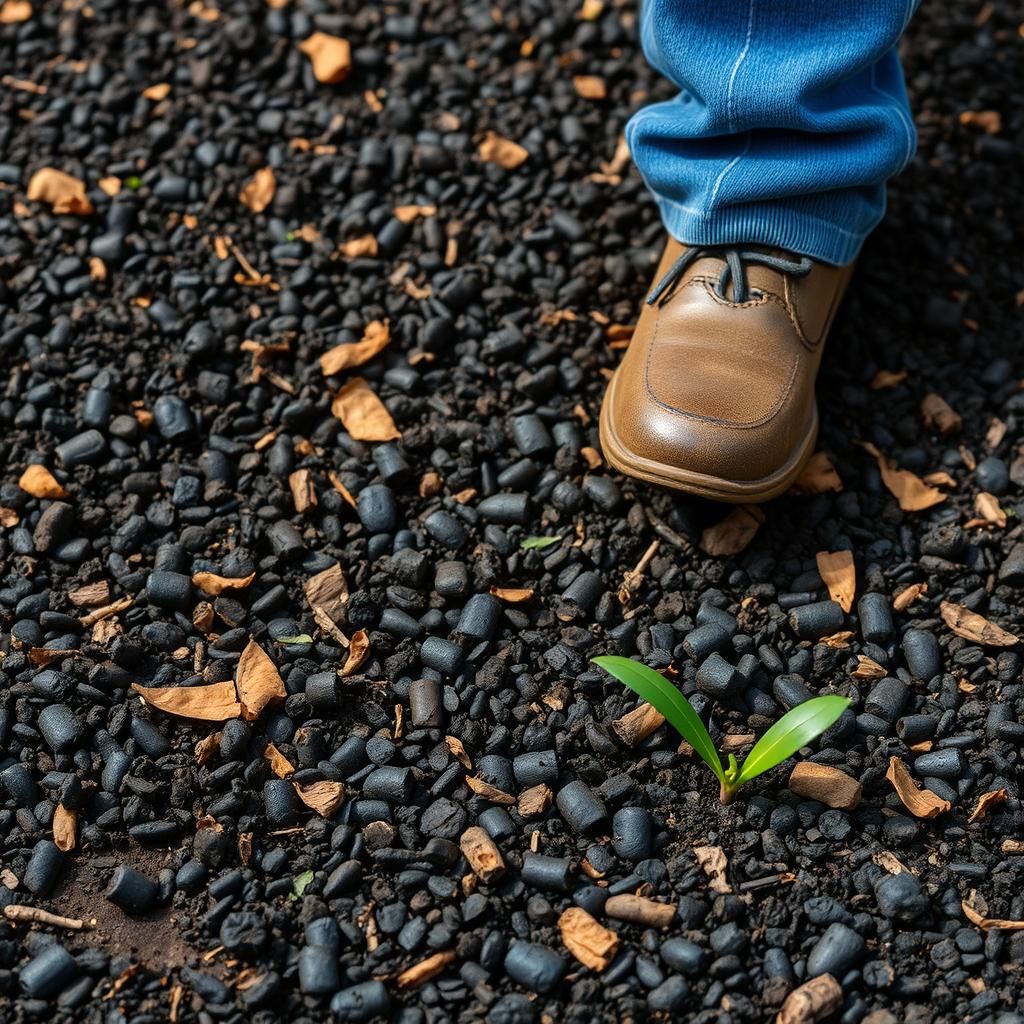
Rubber mulch has gained popularity as a landscaping material due to its durability and low maintenance requirements. However, the decision to place anything underneath this versatile mulch is often debated among homeowners and landscapers alike. This article explores the pros and cons of using rubber mulch, particularly concerning what, if anything, should be placed beneath it. Understanding these factors can help homeowners make informed decisions that align with their landscaping goals, enhance aesthetic appeal, and ensure long-term functionality. Join us as we delve into the benefits and drawbacks of this rubberized ground cover and its implications for your outdoor space.
Should You Put Anything Under Rubber Mulch?
Rubber mulch is often used in landscaping and playgrounds due to its durability and safety features. When considering whether to place anything underneath rubber mulch, it is essential to recognize that proper installation can significantly impact its effectiveness. While some opt to lay landscape fabric underneath to prevent weed growth, this may not be necessary, as rubber mulch itself is effective at suppressing weeds. Additionally, placing a drainage layer or gravel beneath can help manage water runoff and prevent the buildup of moisture, which can lead to unpleasant odors and pest issues. However, it is crucial to follow local regulations and best practices to ensure that any materials placed underneath will not hinder the intended benefits of the rubber mulch itself.
Benefits of Using Landscape Fabric Under Rubber Mulch
Using landscape fabric under rubber mulch can provide additional benefits, such as weed control. It acts as a barrier that prevents soil erosion and helps to minimize the growth of unwanted plants. This option is favored by many landscaping professionals because it allows water to drain through while keeping the mulch in place, ultimately ensuring that the playground or garden area remains clean and well-maintained. While it is an optional step, landscape fabric can enhance the longevity and effectiveness of rubber mulch installations.
Considerations for Drainage Under Rubber Mulch
Ensuring proper drainage is vital when installing rubber mulch, especially in areas prone to heavy rainfall. Placing a layer of gravel or crushed stone under the mulch can facilitate adequate drainage, preventing water from pooling beneath the surface. This is particularly important in playgrounds, as excess water can create hazards like muddy spots and contribute to the growth of mold or mildew. Therefore, incorporating a drainage solution can enhance the performance of rubber mulch and prolong its lifespan.
Weed Suppression with Rubber Mulch
One of the main advantages of using rubber mulch is its effectiveness in suppressing weeds. Unlike organic mulch, rubber mulch does not decompose, which means it can last longer without the need for renewal. It significantly reduces light penetration to the soil beneath, thus discouraging weed growth. However, while rubber mulch is effective, it is still recommended to monitor for any persistent weeds that may push through its surface, especially in areas where soil contact is made.
Environmental Impact of Underlying Materials
When deciding what to put under rubber mulch, one must consider the environmental impact of the materials used. Using permeable materials like gravel can be beneficial as they help manage water runoff while reducing erosion. Conversely, using non-biodegradable plastics or synthetic materials might lead to environmental concerns in the long run. It is advisable to select materials that are eco-friendly and will not negatively affect the surrounding ecosystem, ensuring a sustainable landscaping solution.
Compliance with Local Regulations
Before installing rubber mulch with any underlying materials, it is crucial to check for local regulations that may dictate the use of specific substrates. Certain municipalities may have rules regarding drainage, environmental impact, or permissible materials in public playgrounds and gardens. Ensuring compliance with these regulations can prevent future complications and guarantee safety for all users of the area. Conducting appropriate research and possibly consulting with landscape professionals can mitigate potential legal issues.
| Material | Purpose | Impact |
|---|---|---|
| Landscape Fabric | Weed Control | Effective, prevents erosion |
| Gravel | Drainage | Prevents water pooling |
| None | Low Maintenance | Possible weed growth |
| Plastic Sheets | Water Barrier | Environmental concerns |
| Wood Chips | Organic Base | Decomposes quickly |
What to put down under rubber mulch?
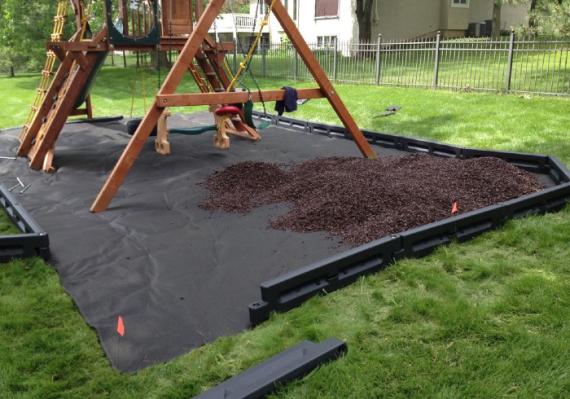
To create a successful installation of rubber mulch, it's essential to consider what should be placed under it to ensure proper drainage, weed control, and overall durability of the surface. Here are several options to consider:
Importance of a Base Layer
A proper base layer is crucial when installing rubber mulch. It provides stability, prevents shifting, and allows for better drainage. Some common materials to use include:
- Crushed Stone - This allows water to drain efficiently while providing a stable surface.
- Geotextile Fabric - This prevents weeds from growing through the rubber mulch while allowing water to percolate.
- Sand - A layer of sand can help improve drainage but should be used carefully to avoid shifting of the mulch.
Weed Barrier Options
To effectively manage weeds, it's important to include a weed barrier beneath the rubber mulch. This helps keep your mulch looking fresh and reduces maintenance efforts. The following options are popular:
- Landscape Fabric - This permeable material blocks weeds while allowing water and nutrients to reach the soil.
- Plastic Sheeting - While effective at blocking weeds completely, it can also trap excess water, so it should be used with caution.
- Cardboard - An eco-friendly option that decomposes over time, cardboard can suppress weeds effectively.
Drainage Considerations
Proper drainage is essential when installing rubber mulch. If water pools beneath the mulch, it can lead to odors and promote weed growth. Implement the following strategies:
- Sloped Ground - If possible, ensure the area has a slight slope to encourage water runoff.
- Perforated Drain Pipes - Installing these can facilitate drainage underneath the mulch.
- Gravel Bed - A layer of gravel can assist with drainage and support the structure of the mulch above.
Compaction and Leveling
After placing the base layer, it's important to compact and level the surface before adding rubber mulch. This ensures a smooth and stable installation. Consider these methods:
See also:
- Tamping Down - Use a tamper to compact the base layer, which will reduce future settling.
- Screeding - Run a board across the surface to create an even level before mulch application.
- Watering the Base - Lightly moisten the base to help with compaction and stabilization.
Thickness of Rubber Mulch
Finally, the thickness of the rubber mulch itself is important for achieving the desired outcome. The right thickness can vary depending on the intended use:
- 2-3 Inches - Suitable for decorative landscaping or pathways.
- 3-4 Inches - Recommended for play areas or more heavily trafficked zones.
- 4-6 Inches - Best for sports fields or high-impact areas where shock absorption is needed.
How do you prepare the ground for rubber mulch?
To prepare the ground for rubber mulch, the process involves several steps that ensure the area will be suitable and effective for the application of rubber mulch. Rubber mulch is often used for landscaping, playgrounds, and as a ground cover because it provides excellent drainage and durability. Here’s a detailed guide on how to prepare the ground for rubber mulch:
1. Assess the Area
Before you start the installation, it’s crucial to evaluate the area where the rubber mulch will be placed. Look for any existing vegetation, debris, or obstacles that may affect the installation.
- Identify the size and shape of the area to be covered.
- Check for low spots that might collect water.
- Remove any large rocks and debris from the surface.
2. Clear the Ground
Once you have assessed the area, the next step is to clear the ground. This involves removing grass, weeds, and other vegetation to create a clean surface for the mulch.
- Use a shovel or a hoe to cut away sod and roots.
- Consider using a non-toxic herbicide to kill any stubborn weeds.
- Rake the area smooth and remove all plant material.
3. Level the Surface
After clearing the area, you need to ensure that the surface is level. A level surface prevents water pooling and ensures uniform coverage of the rubber mulch.
- Use a rake to fill in low spots with soil.
- Compact the soil lightly to create a firm base.
- Recheck the level with a long board or leveling tool.
4. Install a Barrier
To prevent weeds from growing through the rubber mulch, it is advisable to install a landscape barrier. This step is important for longevity and maintenance.
- Lay down a geotextile fabric or landscaping cloth.
- Ensure the fabric overlaps at the seams to block any weed growth.
- Secure the fabric with landscape staples to keep it in place.
5. Apply the Rubber Mulch
Now that the ground is prepared, you can proceed to apply the rubber mulch. This final step involves evenly distributing the mulch across the prepared area.
- Use a wheelbarrow for easy transport of the rubber mulch.
- Spread the mulch evenly, maintaining a depth of 2 to 4 inches.
- Use a rake to even out the mulch for a professional finish.
What is the sub base for rubber mulch?
Rubber mulch is a popular alternative to traditional organic mulches, especially in playgrounds and landscaping due to its durability and safety features. However, to ensure proper drainage and stability, a sub base is required beneath the rubber mulch. The sub base serves as a foundational layer that not only supports the rubber mulch but also prevents shifting, promotes drainage, and ensures the longevity of the installation.
The recommended sub base for rubber mulch typically consists of crushed stone or gravel, which provides a stable, well-draining foundation. This sub base should be compacted firmly to create a solid surface. Additionally, it is essential to ensure that the sub base allows for proper water drainage to prevent the accumulation of moisture, which can lead to the deterioration of both the rubber mulch and any underlying structure.
Understanding the Purpose of a Sub Base
The primary purpose of a sub base is to provide stability and support for the rubber mulch layer. It serves to:
- Prevent Shifting: A well-compacted sub base helps keep the rubber mulch in place.
- Promote Drainage: An effective sub base minimizes water pooling and soil erosion.
- Extend Lifespan: A stable foundation can prolong the life of the rubber mulch.
Materials Commonly Used for Sub Base
Several materials can be used for creating a proper sub base for rubber mulch. Common choices include:
See also:
- Crushed Stone: Provides excellent drainage and compacts well.
- Gravel: Available in various sizes; it allows good water flow.
- Sand: Sometimes used for leveling but less effective in drainage alone.
Installation Process for Sub Base
Proper installation of the sub base is crucial for the performance of rubber mulch. The steps typically include:
- Site Preparation: Clear the area of debris and vegetation.
- Compaction: Use a compactor to ensure the sub base is firm.
- Layering: Spread the chosen material evenly to the required depth.
Thickness Recommendations for Sub Base
The thickness of the sub base can significantly affect the performance of the rubber mulch. Recommendations include:
- Minimum of 3 inches: To ensure a stable base for light use areas.
- Up to 6 inches: For high-traffic areas like playgrounds.
- Layering: Consider multiple layers if using different materials for optimal performance.
Maintenance of Sub Base Under Rubber Mulch
Regular maintenance of the sub base can prevent problems and extend the life of the rubber mulch. Maintenance tips include:
- Regular Inspections: Check for any settling or shifting in the sub base.
- Recompaction: Periodically compact the base if any loosening occurs.
- Drainage Checks: Ensure that water drains freely from the area to prevent damage.
Do you have to use landscape fabric under rubber mulch?

Using landscape fabric under rubber mulch is not strictly necessary, but it is highly recommended for several reasons. Landscape fabric can provide an added layer of protection and help maintain the durability of the mulch while preventing weed growth. Without it, you might find that weeds can penetrate the rubber mulch over time, which would require more maintenance.
Benefits of Using Landscape Fabric
Using landscape fabric under rubber mulch can come with several advantages:
- Weed Control: Landscape fabric effectively blocks sunlight, which prevents weed growth without the need for chemical herbicides.
- Soil Protection: It protects the soil by minimizing soil erosion and keeping it intact, especially during heavy rains.
- Enhanced Drainage: Landscape fabric allows water to flow through while keeping mulch intact, ensuring good drainage and preventing rot.
Types of Landscape Fabric
There are various types of landscape fabric available, each suited for different applications:
- Woven Fabric: This type is permeable and allows water and nutrients to penetrate while blocking weeds.
- Non-Woven Fabric: Often thicker and more durable, this option provides excellent soil protection but may need more careful installation.
- Biodegradable Fabric: These fabrics decompose over time, making them a sustainable choice for short-term applications.
Installation Tips
When installing landscape fabric under rubber mulch, following proper techniques is crucial:
- Clear the Area: Remove any existing weeds, debris, and old mulch to ensure a smooth installation surface.
- Lay the Fabric Properly: Overlap edges of the landscape fabric and secure it with landscaping staples or pins.
- Cover Completely: Ensure that the fabric is entirely covered with rubber mulch to maximize its effectiveness against weeds.
Maintenance Considerations
Even with landscape fabric, some maintenance will still be necessary:
- Regular Inspections: Check for any signs of weed growth or fabric damage to address issues early.
- Periodic Refilling: Over time, rubber mulch may require replenishing to maintain aesthetic appeal and coverage.
- Cleaning: Remove debris like leaves and twigs from the surface to prevent organic matter buildup, which can lead to weed growth.
Alternatives to Landscape Fabric
If you decide not to use landscape fabric, consider alternative options to manage weeds:
- Organic Mulch: Using organic mulch, such as wood chips, can help suppress weeds but will require more frequent replenishment.
- Pre-Emergent Herbicides: These chemicals can be applied to prevent weed seeds from germinating, though they can have environmental implications.
- Manual Weeding: Regularly pulling weeds by hand may also serve as a solution, though it can be labor-intensive.
Questions from Our Readers
Should you put landscape fabric under rubber mulch?
It is generally recommended to place landscape fabric under rubber mulch to help prevent the growth of weeds while allowing water to drain through. This additional layer assists in maintaining the integrity of the rubber mulch by reducing soil displacement over time.
Can you place rubber mulch directly on soil?
Yes, you can place rubber mulch directly on soil; however, it may lead to weed growth and potential settling of the mulch over time. For better long-term results, incorporating a weed barrier beneath the rubber mulch is advisable to minimize maintenance efforts.
Is it necessary to use a base layer under rubber mulch?
A base layer is not strictly necessary, but it can be beneficial. Using a base layer such as soil or sand can help with drainage and provide a more stable foundation for the rubber mulch, enhancing its longevity and overall effectiveness.
See also:
What should you avoid putting under rubber mulch?
Avoid putting materials like plastic sheeting or non-breathable barriers under rubber mulch, as these can trap moisture and create a habitat for pests, potentially leading to mold or degradation of the rubber. Instead, opt for breathable options to promote drainage and air circulation.

If you want to read more articles like Understanding the Pros and Cons: Should You Put Anything Under Rubber Mulch?, we recommend you check out our Mulch category.
Leave a Reply
Related Articles