Can You Compost Grass Clippings and Leaves? Your Ultimate Guide to Eco-Friendly Gardening
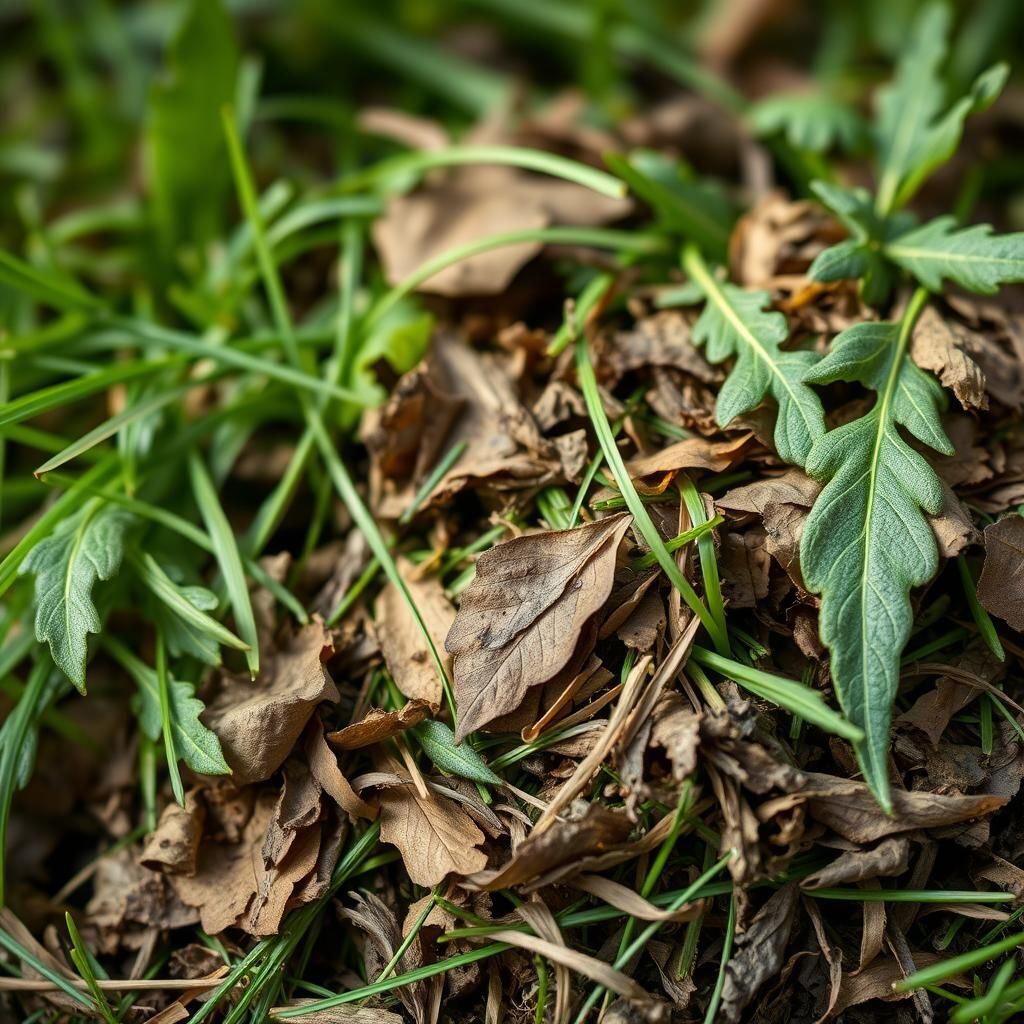
Composting is an excellent way to reduce waste while enriching your garden, but many gardeners wonder about the best materials to include. Grass clippings and leaves are commonly found in yards, yet their composting potential often raises questions. Can you really compost these seemingly abundant materials? This ultimate guide will explore the benefits of composting grass clippings and leaves, provide tips on how to do it effectively, and discuss considerations for maintaining a healthy compost pile. Discover how turning your yard waste into nutrient-rich compost can enhance your gardening practices while promoting an eco-friendly approach to landscaping.
Can You Compost Grass Clippings and Leaves?
Yes, you can definitely compost grass clippings and leaves, as both materials are highly beneficial for creating nutrient-rich compost. Grass clippings are considered a green material due to their high nitrogen content, which helps to accelerate the composting process. Leaves, on the other hand, are typically classified as brown materials, providing essential carbon that balances the nitrogen in the compost pile. When combined, grass clippings and leaves create an ideal compost mixture, promoting microbial activity and resulting in a healthy compost that can enrich your garden soil and support plant growth.
Benefits of Composting Grass Clippings
Composting grass clippings offers numerous benefits, such as reducing yard waste and providing a rich source of nitrogen for your compost pile. Since grass clippings decompose rapidly, they can significantly speed up the composting process by enhancing microbial activity. Additionally, returning grass clippings to your garden can improve soil structure and moisture retention, ultimately leading to healthier plants. By properly composting grass clippings, gardeners can contribute to sustainable practices while creating a valuable resource for their properties.
How to Compost Leaves Effectively
To compost leaves effectively, it is essential to first shred them into smaller pieces, as this increases their surface area and accelerates decomposition. Mixing shredded leaves with other compost materials, like grass clippings, will help create a balanced carbon-to-nitrogen ratio that is vital for optimal composting. Furthermore, maintaining moisture levels within the compost pile is crucial, as dry leaves can clump together and hinder microbial activity. Turning the compost regularly will also promote even decomposition and aeration, leading to a higher quality end product.
Combining Grass Clippings and Leaves
Combining grass clippings and leaves in composting is highly beneficial, as it creates a balanced environment for microorganisms. A general rule of thumb is to maintain a 2:1 ratio of browns (leaves) to greens (grass clippings) to optimize the composting process. This balance ensures adequate nitrogen is present to support microbial growth while offering enough carbon to retain moisture and promote a thriving compost ecosystem. This combination not only facilitates faster decomposition but also results in a nutrient-dense compost that can significantly enhance soil health.
See also:
Common Problems When Composting Grass and Leaves
While composting grass clippings and leaves is generally straightforward, some common problems can arise. For instance, if grass clippings are added in large quantities without being mixed with browns, they can create a thick mat that becomes compacted and anaerobic, leading to unpleasant odors. Similarly, dry or whole leaves can take much longer to decompose if not shredded. Monitoring moisture levels and ensuring a proper balance between greens and browns will help prevent these issues and support a successful composting process.
Uses of Compost Made from Grass and Leaves
Compost made from grass clippings and leaves can be used in various ways to enhance your garden and landscaping. It acts as a natural fertilizer, providing essential nutrients to plants and improving soil structure. This compost can also be used as a top dressing for lawns, flower beds, and vegetable gardens to promote healthy growth. Additionally, incorporating compost into garden soil can help improve drainage and water retention, fostering a more resilient garden ecosystem.
| Material | Type | Nitrogen Content |
|---|---|---|
| Grass Clippings | Green | High |
| Leaves | Brown | Low |
Understanding the Benefits of Composting Grass Clippings and Leaves
Composting grass clippings and leaves offers numerous benefits to both your garden and the environment. These organic materials not only add essential nutrients back into the soil as they decompose, but they also help retain moisture and improve soil structure. By composting, you reduce waste in landfills, minimize greenhouse gas emissions, and create a rich, natural fertilizer for your garden, promoting a healthier ecosystem and a more sustainable gardening practice.
How to Properly Compost Grass Clippings
To properly compost grass clippings, it is crucial to ensure they are not too wet or compacted, as this can lead to sour odors and inhibit decomposition. It is best to mix them with browns (like dried leaves or straw) to maintain a balanced carbon-to-nitrogen ratio, which is essential for effective composting. Layering the clippings instead of adding them in large piles can enhance air circulation and accelerate the breakdown process, leading to a faster and more effective composting cycle.
Best Practices for Composting Leaves
When composting leaves, it's important to shred them first to increase their surface area, which accelerates the decomposition process. Shredded leaves break down more quickly and help prevent matting, which can block air flow in the compost pile. Incorporating a variety of leaf types can also enhance the nutrient profile of your compost. Additionally, ensure that the compost pile maintains adequate moisture, as leaves can dry out quickly and hinder decomposition.
See also:
The Role of Nitrogen in Your Compost
Nitrogen plays a critical role in the composting process, particularly when composting grass clippings, which are high in nitrogen content. This nutrient is essential for microbial activity, which breaks down organic matter. To achieve a well-balanced compost pile, it is recommended to balance nitrogen-rich materials, like grass clippings, with carbon-rich materials, such as dried leaves or cardboard. This balance enhances microbial efficiency, leading to faster decomposition and producing nutrient-dense compost.
Common Mistakes to Avoid When Composting
One common mistake when composting grass clippings and leaves is overloading the compost pile with one type of material, which can lead to poor aeration and a slower breakdown. It's also important to avoid adding chemical-treated clippings or leaves, as they can contain harmful substances that disrupt the composting process. Ensuring a balanced mix of greens and browns, maintaining proper moisture, and turning the pile regularly can help avoid these pitfalls and ensure a successful composting experience.
Using Finished Compost in Your Garden
Once the compost is ready, using it in your garden can significantly improve plant health and soil quality. Finished compost is an excellent amendment that provides nutrients, enhances soil texture, and improves moisture retention. It can be applied directly to garden beds, mixed into potting soil, or used as a top dressing for lawns and landscaped areas. Its application not only supports plant growth but also fosters beneficial microbial life, making the soil more resilient and productive over time.
Questions from Our Readers
Can I compost grass clippings?
Yes, you can definitely compost grass clippings. They are a rich source of nitrogen, which makes them an excellent addition to your compost pile. However, it's important to mix them with other materials to prevent them from forming mats that can hinder the composting process.
Are leaves suitable for composting?
Absolutely, leaves are very suitable for composting and provide a good source of carbon to balance the nitrogen from grass clippings. Make sure to shred them first to speed up the decomposition process and avoid compacting.
See also:
Should I mix grass clippings and leaves in compost?
Yes, mixing grass clippings and leaves in your compost is highly beneficial. This combination creates a balanced carbon-to-nitrogen ratio which significantly enhances the composting process and helps produce nutrient-rich compost.
How do I prevent odors when composting grass clippings and leaves?
To prevent odors while composting grass clippings and leaves, ensure proper aeration by regularly turning the pile. Additionally, maintaining a good balance of green and brown materials will help avoid excessive moisture and unpleasant smells.

If you want to read more articles like Can You Compost Grass Clippings and Leaves? Your Ultimate Guide to Eco-Friendly Gardening, we recommend you check out our Compost category.
Leave a Reply
Related Articles