Discover Which is Better Pea Straw or Lucerne Mulch? A Comprehensive Comparison Guide
When it comes to sustainable gardening and landscaping practices, choosing the right mulch can greatly impact soil health and plant growth. Pea straw and lucerne mulch are two popular options, each boasting unique benefits that can support a thriving garden. This comprehensive comparison guide delves into the characteristics, advantages, and drawbacks of both mulching materials. By examining their nutrient content, water retention capabilities, and suitability for different plants, gardeners can make informed decisions to enhance their gardening efforts. Discover which mulch reigns supreme for your specific needs and how to effectively implement it into your gardening routine.
Which is Better: Pea Straw or Lucerne Mulch?
Pea straw and Lucerne mulch are both highly regarded as effective organic mulching materials, but their benefits can vary based on specific gardening needs. Pea straw is valued for its high nitrogen content, making it an excellent choice for vegetable gardens and flower beds where nutrient-rich soil is preferred. Additionally, it decomposes more quickly than Lucerne, adding organic matter to the soil efficiently. In contrast, Lucerne mulch boasts superior moisture retention and a longer-lasting structure, making it ideal for perennial plants and shrubs that require consistent soil moisture. Ultimately, the decision on which mulch to use often hinges on the specific plants being cultivated and the desired outcomes for the garden.
Nutritional Content Comparison
When evaluating nutritional content, pea straw typically contains higher levels of nitrogen, which is crucial for promoting healthy growth in young plants. This nutrient profile makes it a favorable option for many annual crops. Conversely, Lucerne (or alfalfa) mulch is rich in a variety of other nutrients, including calcium, potassium, and phosphorus, which are vital for overall plant health. Understanding the specific nutritional needs of the plants intended for mulching can greatly influence the choice between these two options.
Moisture Retention Capabilities
Moisture retention is essential for healthier soil and plants, especially in warmer climates. Lucerne mulch has a remarkable ability to slow down evaporation and maintain soil moisture levels due to its thicker, denser structure. In contrast, while pea straw provides some moisture retention, it is less effective than Lucerne in this regard, as it decomposes faster and may require more frequent replenishment. Evaluating the climate and moisture needs of the garden can determine the more suitable option.
Decomposition Rate
The decomposition rate of mulch can greatly affect the soil structure over time. Pea straw decomposes at a quicker pace, enriching the soil with organic matter and nutrients relatively fast, which is beneficial for short-term crops. However, this rapid breakdown means it may need to be replaced more often. Lucerne mulch, on the other hand, decomposes slowly, offering prolonged benefits to soil health but may not provide immediate nutrition to plants in the short term. Gardeners need to consider the longevity of the mulch in relation to their planting cycles.
Aesthetic Appeal
When considering the aesthetic appeal of mulches, pea straw has a lighter color and a more airy texture compared to the more substantial and denser Lucerne mulch. Some gardeners may prefer the appearance of Lucerne for its richness and ability to form a more uniform cover, which can enhance the garden's visual appeal. On the flip side, the lighter color of pea straw might blend well in certain garden designs. Ultimately, the choice may come down to personal preference regarding garden aesthetics.
Cost and Availability
Cost and availability are practical aspects to consider when deciding between pea straw and Lucerne mulch. Pea straw is often less expensive and easier to find in many regions due to its widespread cultivation in the agriculture sector. Lucerne mulch may be pricier because it is typically harvested for both livestock feed and mulching, therefore sometimes leading to higher demand and cost. Evaluating local resources and budget constraints will be crucial in making a well-informed decision.
| Factor | Pea Straw | Lucerne Mulch |
|---|---|---|
| Nutritional Content | High in Nitrogen | Rich in Calcium, Potassium, Phosphorus |
| Moisture Retention | Moderate | Excellent |
| Decomposition Rate | Fast | Slow |
| Aesthetic Appeal | Lighter & Airy | Rich & Uniform |
| Cost | Generally Lower | Generally Higher |
Is lucerne better than pea straw?
Lucerne, also known as alfalfa, and pea straw are both popular feed options for livestock, but they have distinct characteristics that may make one more suitable than the other depending on specific needs and conditions.
Nutritional Value
Lucerne generally has a higher nutritional value compared to pea straw, which can be critical for livestock that require good quality feed.
- Protein content: Lucerne contains a high percentage of protein, typically ranging from 15% to 20%, while pea straw usually ranges from 8% to 10%.
- Vitamins and minerals: Lucerne is rich in essential vitamins and minerals such as calcium, potassium, and vitamins A, D, and E.
- Fiber content: Although both feed types are fibrous, lucerne's fiber is more digestible, making it easier for animals to process.
Palatability
Another important factor to consider is how palatable each feed option is to the livestock.
- Animal preference: Many animals prefer the taste of lucerne over pea straw, leading to better feed consumption.
- Texture: The softer texture of lucerne can be more appealing to animals compared to the coarser nature of pea straw.
- Freshness: Fresh lucerne can be more aromatic and flavorful than dried pea straw, leading to better intake rates.
Growth Conditions
The growth conditions for lucerne and pea straw also differ significantly, influencing their availability and cost.
See also:
- Climate preferences: Lucerne thrives in well-drained soils and requires a warm climate, while pea straw can grow in cooler conditions.
- Water requirements: Lucerne has higher water requirements compared to pea straw, which can be a drawback in drier regions.
- Harvesting times: Lucerne typically has a longer growing season and may require multiple harvests throughout the year.
Cost and Availability
Cost is a significant factor when choosing between lucerne and pea straw.
- Market prices: Lucerne tends to be more expensive due to its higher nutritional value and demand.
- Local availability: Depending on the farming region, one may be more accessible than the other, affecting price and logistics.
- Sourcing alternatives: If lucerne is hard to find, pea straw could be a more viable option for feed.
Digestibility and Overall Health
The digestibility of feed impacts livestock health and productivity significantly.
- Digestive health: Lucerne's higher digestibility promotes better absorption of nutrients, leading to healthier animals.
- Weight gain: Livestock fed lucerne often show better weight gain compared to those fed pea straw.
- Long-term health: A nutrient-rich diet such as that provided by lucerne can lead to improved overall health and reduced veterinary costs.
What is the healthiest mulch to use?
:max_bytes(150000):strip_icc()/gettyimages-486162787-2000-7f52593611a144f482977fb8df8544f7.jpg)
The healthiest mulch to use can vary depending on your specific gardening needs, climate, and soil conditions. However, some of the most recommended types include organic mulches, which offer numerous benefits such as improved soil health and moisture retention.
Benefits of Using Organic Mulch
Organic mulch provides an array of benefits that enhance both the soil and the plants. When decomposed, it adds nutrients back into the soil and improves texture.
- Nutrient-Rich: Organic mulch materials like wood chips and straw decompose over time, enriching the soil with essential nutrients.
- Moisture Retention: It helps in retaining soil moisture, reducing the need for frequent watering.
- Weed Suppression: A thick layer of mulch suppresses weed growth, preventing them from competing with your plants for nutrients.
Types of Organic Mulch
When considering the healthiest option, various types of organic mulch come into play. Each type has distinct advantages.
- Bark Mulch: Ideal for flower beds and trees, it decomposes slowly and effectively suppresses weeds.
- Straw: Great for vegetable gardens, straw is lightweight and allows for good airflow while retaining moisture.
- Compost: Fully decomposed organic matter provides nutrients while also improving soil structure when mixed in.
Non-Organic Mulch Options
While organic mulches are generally healthier, there are non-organic options that can serve specific purposes effectively.
- Rubber Mulch: Long-lasting and effective at weed suppression, but may not provide the same soil benefits as organic options.
- Gravel or Stone: These materials are excellent for areas where drainage is a concern, but do not contribute nutrients to the soil.
- Landscape Fabric: Used underneath other materials, it helps suppress weeds but doesn't improve soil quality.
Best Practices for Applying Mulch
To maximize the benefits of mulch, applying it correctly is crucial. This ensures effective weed control and water retention.
- Thickness: Apply a layer of mulch that is 2-4 inches thick for optimal benefits.
- Avoiding Trench Effects: Make sure the mulch is not piled against the base of plants to prevent rot.
- Regular Maintenance: Refresh the mulch annually to maintain its effectiveness and prevent compaction.
Considerations for Mulch Choice
When selecting a mulch type, several factors should be taken into account, as they impact the health of your plants and soil.
- Climate: Choose mulch materials that are suitable for your local weather conditions, such as heat or humidity.
- Plant Types: Different plants have varying mulch needs—know the requirements of your garden's plant species.
- Soil Health: Assess your soil quality before selecting mulch to ensure compatibility and nutrient improvement.
Does lucerne make good mulch?
What is Lucerne?
Lucerne, also known as alfalfa (Medicago sativa), is a perennial flowering plant in the legume family. It's renowned for its high protein content and is widely used as fodder for livestock due to its rich nutrient profile. In addition to its agricultural uses, lucerne is gaining attention in gardening and landscaping for its potential benefits when used as mulch. Its ability to thrive in poor soils and various climates makes it an attractive option for organic gardeners.
- High nutritional value
- Ideal for animal feed
- Versatile growth
Benefits of Using Lucerne as Mulch
When used as mulch, lucerne offers several benefits that can enhance garden health and productivity. It helps retain moisture in the soil while suppressing weed growth, which is crucial for the development of plants. Furthermore, its decomposition enriches the soil with nutrients, thus promoting better plant growth.
See also:
- Moisture retention: Helps maintain soil moisture levels.
- Weed suppression: Prevents the growth of unwanted plants.
- Soil enrichment: Adds valuable nutrients as it decomposes.
How to Apply Lucerne as Mulch
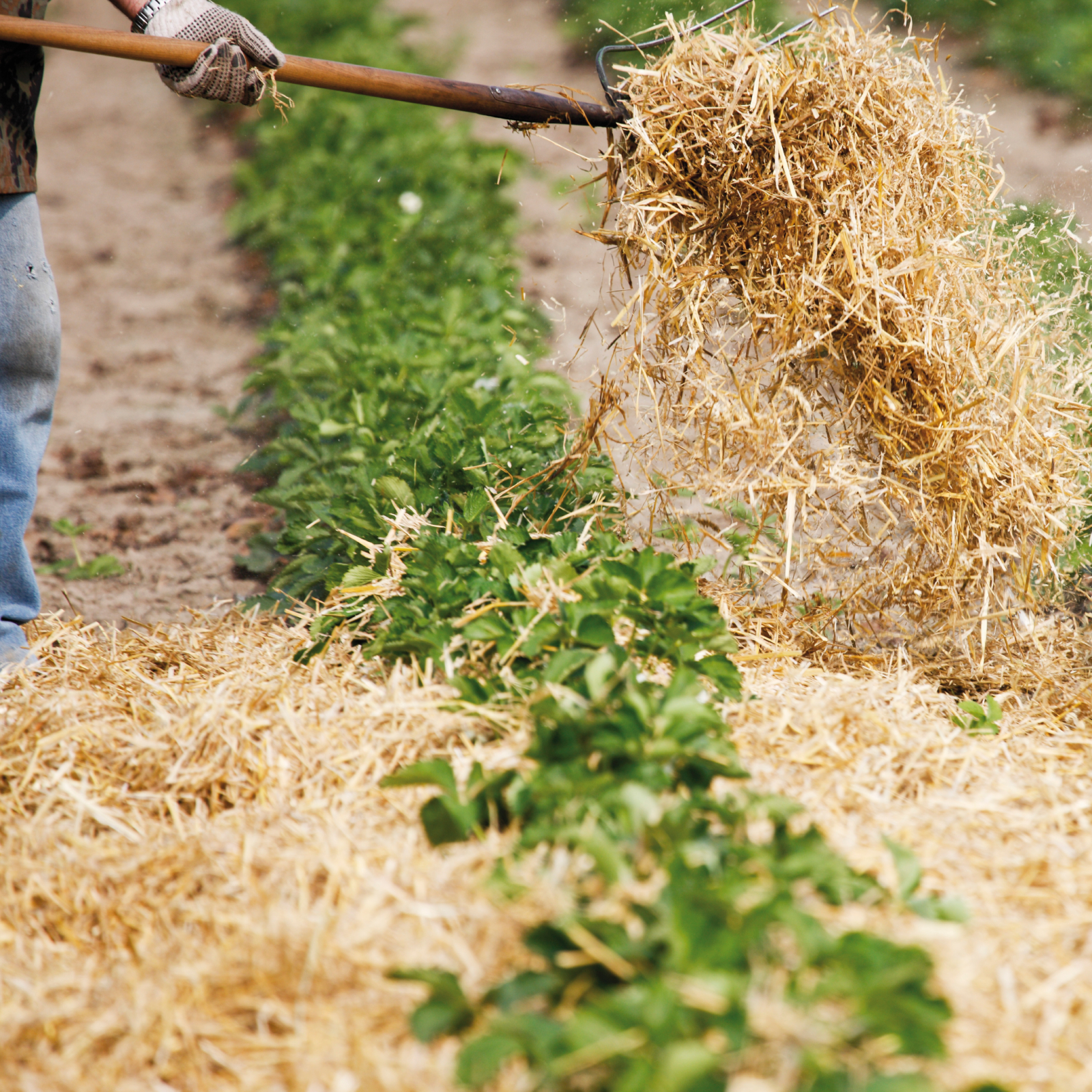
Applying lucerne as mulch is relatively straightforward and can be done in several steps to maximize its effectiveness. It is essential to ensure that the lucerne is dried before spreading it around plants to avoid any composting issues that can arise from excessive moisture. A layer of about 2-4 inches is typically recommended.
- Prepare the area: Clear any existing debris and weeds.
- Lay the lucerne: Spread a uniform layer around your plants.
- Monitor regularly: Check for moisture levels and replenish as needed.
Potential Drawbacks of Lucerne Mulch
While there are numerous advantages to using lucerne as mulch, there are potential drawbacks as well. Some gardeners may find that lucerne can attract pests such as slugs and snails, especially if the mulch retains too much moisture. Additionally, if not managed properly, it may promote certain diseases in damp conditions.
- Pest attraction: Can draw slugs and snails to your garden.
- Disease potential: Excess moisture may lead to fungal issues.
- Cost considerations: Availability and cost can vary by region.
Comparative Analysis with Other Mulch Types
When compared to other types of mulch, lucerne stands out due to its unique characteristics. Unlike traditional wood chips or straw, lucerne offers a bioactive component that can feed the soil as it breaks down. However, it may be less durable than options like bark mulch, which can last longer but provide fewer nutrients.
- Greater nutrient content: Lucerne provides essential nutrients as it decomposes.
- Shorter lifespan: Tends to break down faster than wood-based mulches.
- Specific use cases: Best for vegetable gardens or areas needing soil enrichment.
Is pea straw good mulch?

Pea straw is indeed a beneficial mulch option for various gardening and landscaping applications. It serves multiple purposes, including moisture retention, weed suppression, and soil improvement. As an organic material, pea straw decomposes over time, enriching the soil with nutrients, which can promote healthy plant growth.
Benefits of Pea Straw as Mulch
Pea straw provides several benefits that make it an excellent choice for mulch in gardens and landscapes. These benefits include:
- Moisture Retention: Pea straw helps keep the soil moist by reducing evaporation.
- Weed Suppression: A thick layer of pea straw can block sunlight, inhibiting weed growth.
- Nutrient Enrichment: As it decomposes, pea straw adds essential nutrients back into the soil.
How to Apply Pea Straw as Mulch
Applying pea straw effectively is crucial for maximizing its advantages. Here's how to do it:
- Clearing the Area: Remove any existing weeds or debris from the area where you intend to apply the mulch.
- Layering: Spread a layer of pea straw, typically 2-3 inches thick, to ensure effective weed suppression.
- Watering: Water the pea straw lightly after application to help it settle and start the decomposition process.
Potential Drawbacks of Pea Straw
While pea straw has numerous advantages, there are some potential drawbacks to be aware of:
- Weed Seeds: If not properly processed, pea straw may contain seeds that can sprout in your garden.
- Availability: Depending on the region, it may not always be readily available and could be less cost-effective than other mulch options.
- Decomposition Rate: Pea straw decomposes relatively quickly, requiring potential replacement or topping off within the growing season.
Comparison with Other Mulch Types
Pea straw can be compared with other mulch materials, helping to highlight its unique characteristics:
- Wood Chips: Wood chips last longer but do not provide the same level of nutrient enrichment as pea straw.
- Grass Clippings: Grass clippings decompose quickly but can create a mat that might suffocate plants if applied too thickly.
- Shredded Leaves: Shredded leaves are inexpensive and improve soil but may not be as effective in weed suppression as pea straw.
Best Plants for Pea Straw Mulch
Certain plants thrive better when mulched with pea straw due to its unique properties:
- Vegetable Gardens: Pea straw is excellent for vegetables, enhancing soil fertility and moisture.
- Flower Beds: It works well in flower beds, helping to suppress weeds while providing nutrients.
- Fruit Trees: Applying pea straw around fruit trees can protect roots and retain soil moisture.
Questions from Our Readers
Which is more effective for moisture retention: pea straw or Lucerne mulch?
While both pea straw and Lucerne mulch are effective in maintaining soil moisture, Lucerne mulch tends to be superior due to its higher organic matter content. This allows it to retain moisture more effectively, especially in hot and dry conditions, helping to keep the soil consistently damp for plants.
How do pea straw and Lucerne mulch compare in terms of nutrient content?
Lucerne mulch is often richer in essential nutrients, particularly nitrogen, which can enhance soil fertility over time. In contrast, pea straw is relatively lower in nutritional value, making Lucerne a better option if you wish to improve the nutrient profile of your garden soil.
See also:
Is one type of mulch better for pest control than the other?
Lucerne mulch is generally considered better for pest control, as its fibrous structure can discourage certain pests and encourage beneficial insects. Pea straw, while providing some level of shelter, does not offer the same benefits for pest management and may even attract rodents if not used properly.
Which mulch is more suitable for a vegetable garden?
For vegetable gardens, Lucerne mulch is often the preferred choice as it provides excellent nutritional support and enhances soil health. Though pea straw can be used, it may not offer the same benefits and could potentially lead to nutrient deficiencies for more demanding vegetable crops.

If you want to read more articles like Discover Which is Better Pea Straw or Lucerne Mulch? A Comprehensive Comparison Guide, we recommend you check out our Mulch category.
Leave a Reply
Related Articles